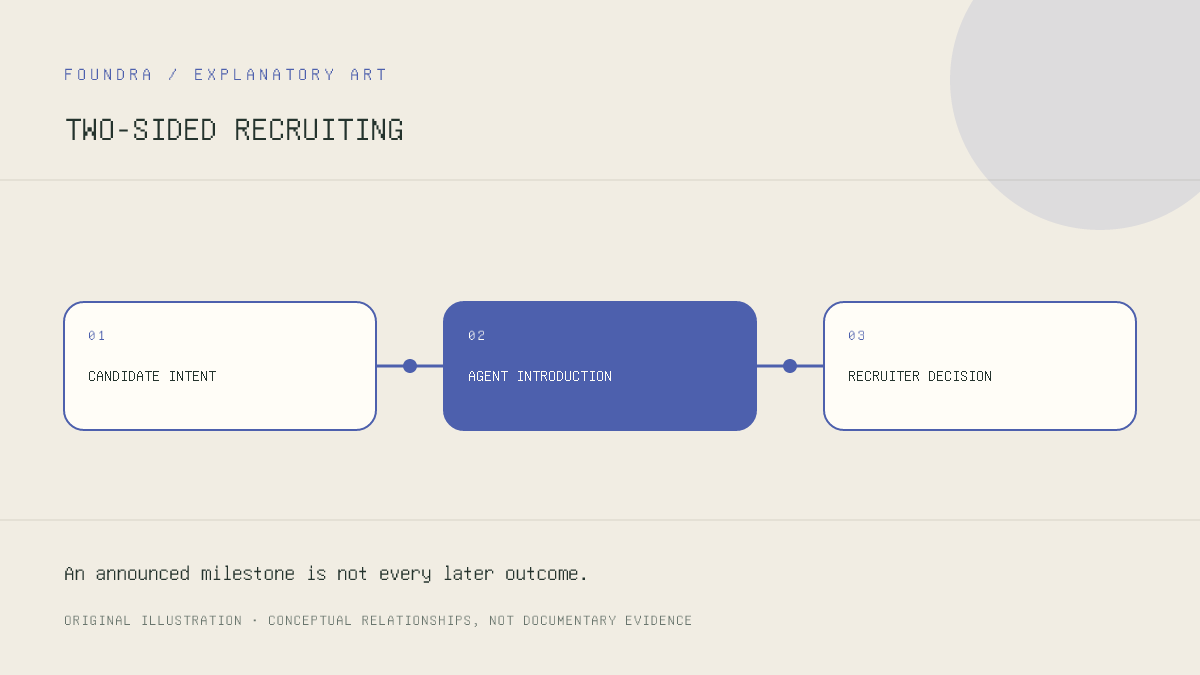
The hackajob-derived product promises to represent candidates and recruiters. Its company-announced growth figures do not establish the quality or fairness of every hiring decision.
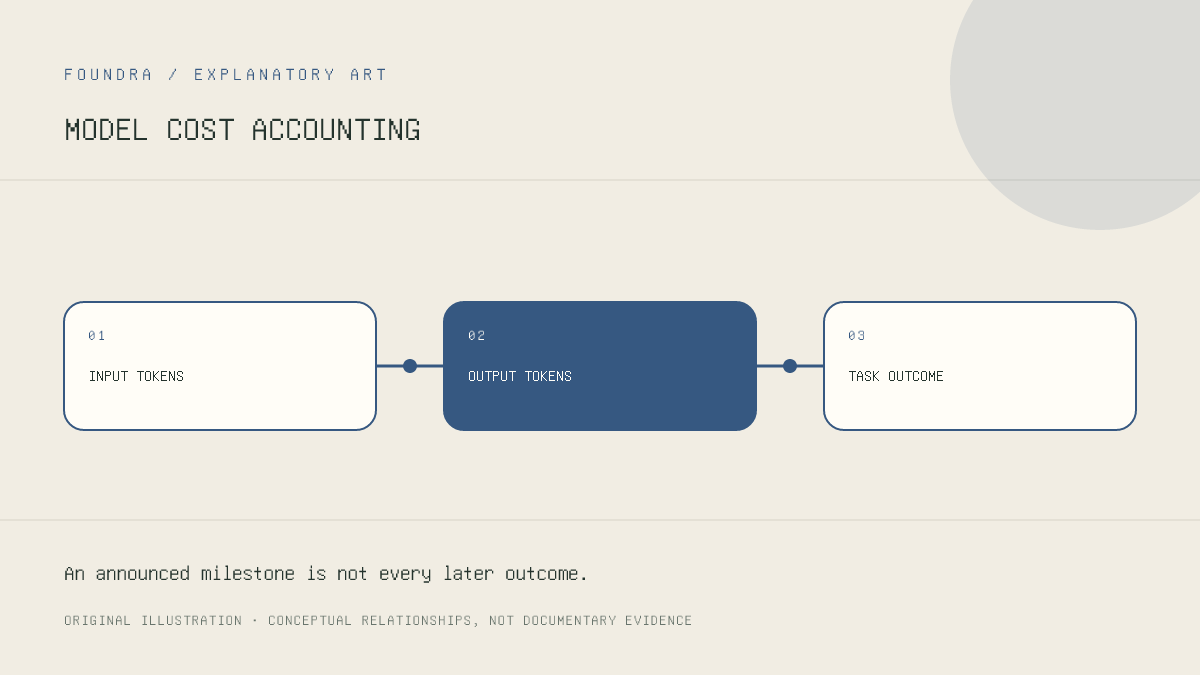
Google’s November 18 release lists a million-token context window and separate input, cached-input and output rates. Its performance rankings remain attributed rather than adopted as universal benchmarks.
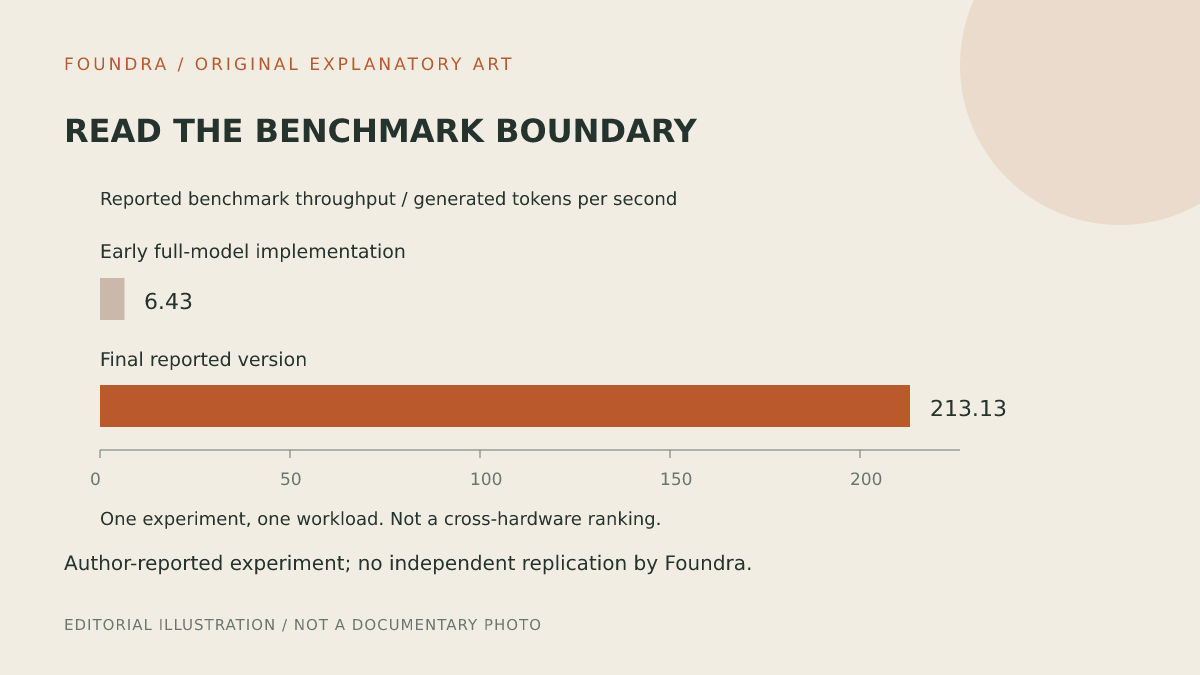
The November 20 technical account follows an AI-assisted optimisation loop from an early implementation to a faster one. Here is how to read the task, output checks and context-length results.
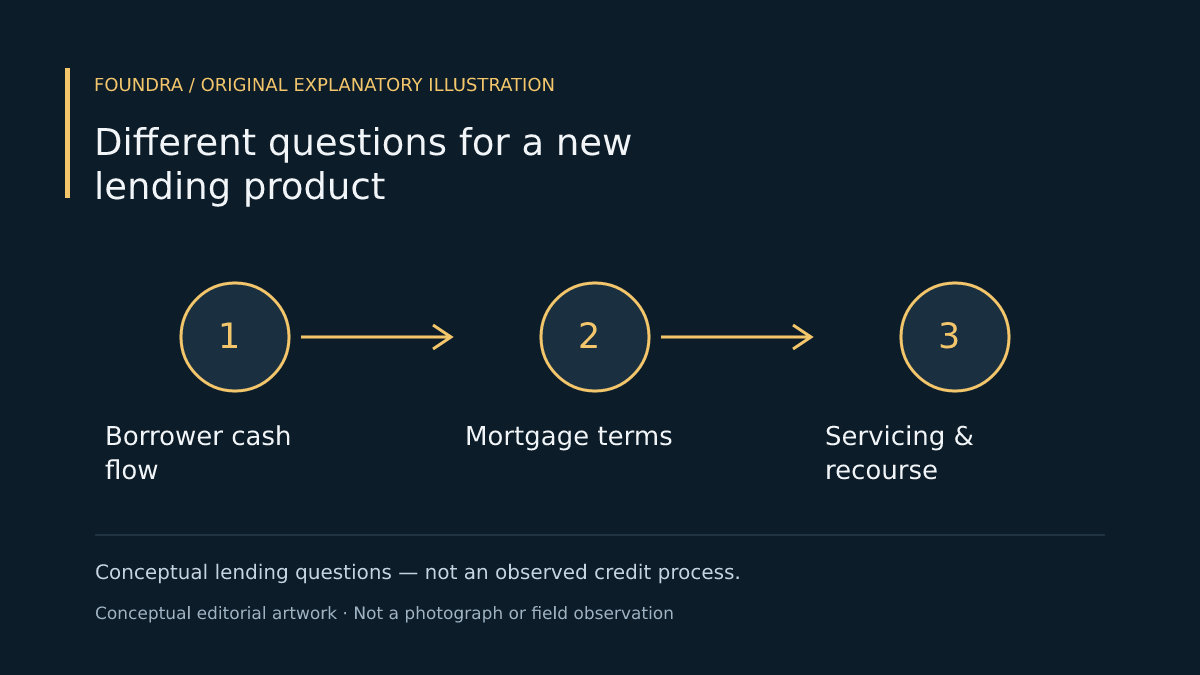
FMO leads the reported Series B. The expansion is a test of financial-product design for self-employed borrowers, not proof that AI has solved credit risk.
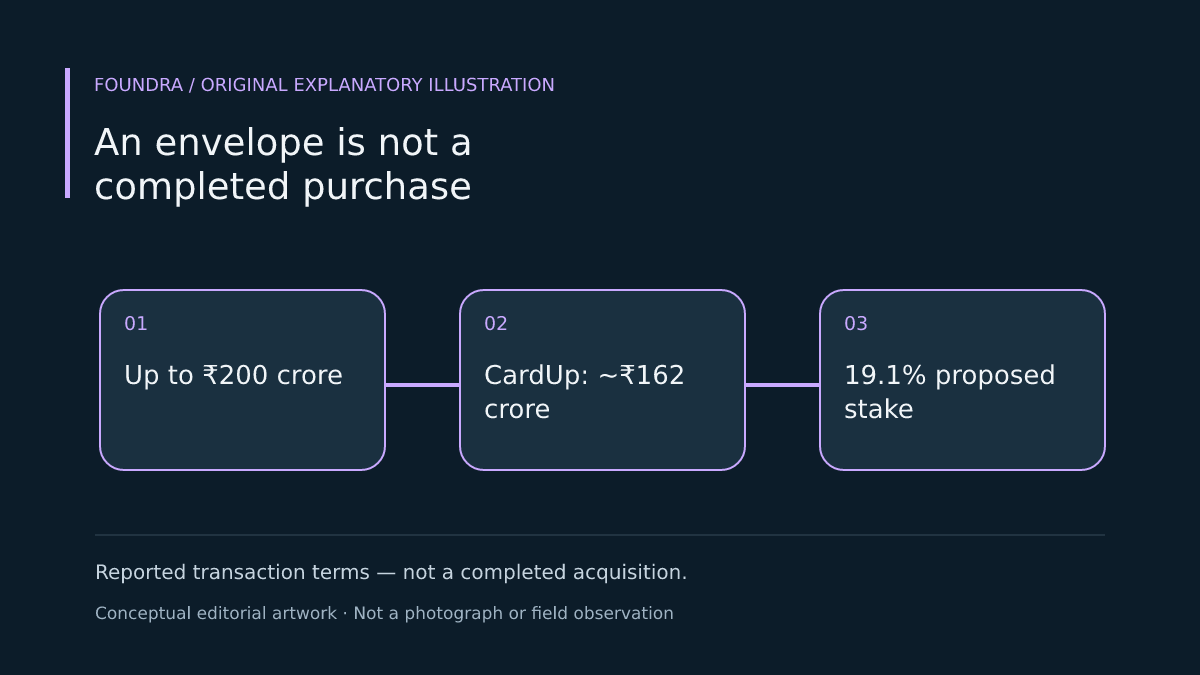
The approved envelope is up to ₹200 crore. The reported CardUp investment is about ₹162 crore for a 19.1% stake, not a completed takeover of Funding Societies.
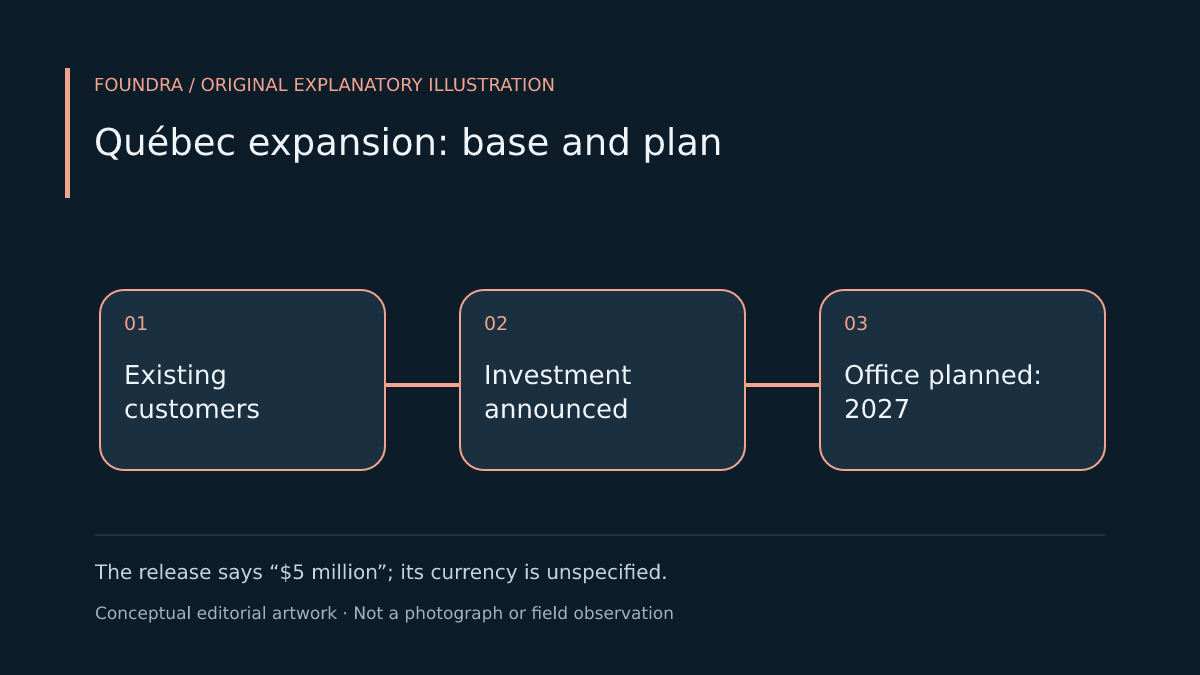
The company announces a “$5 million” regional investment without specifying the currency in the reviewed release. Local recruitment and the office remain plans.
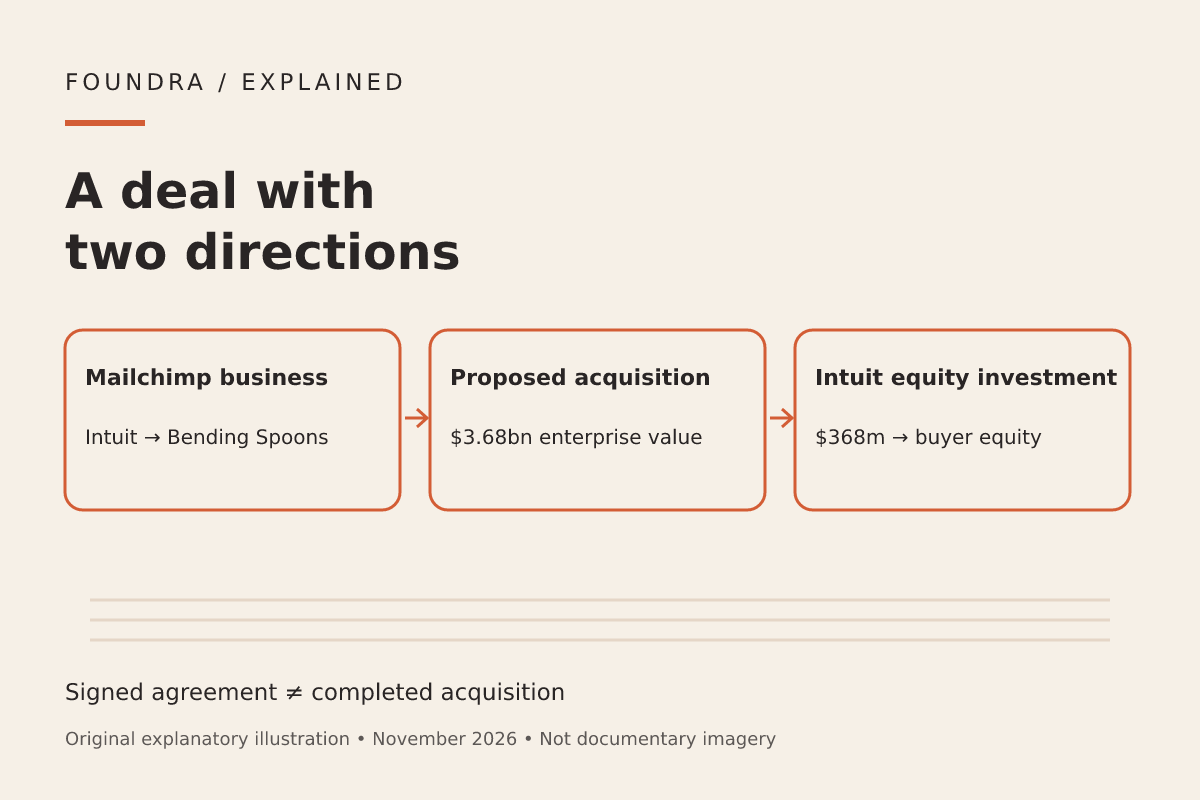
Bending Spoons expects to acquire the email platform in early 2027. Intuit would put $368 million of the proceeds back into the buyer’s equity—a detail that changes how the package should be read.
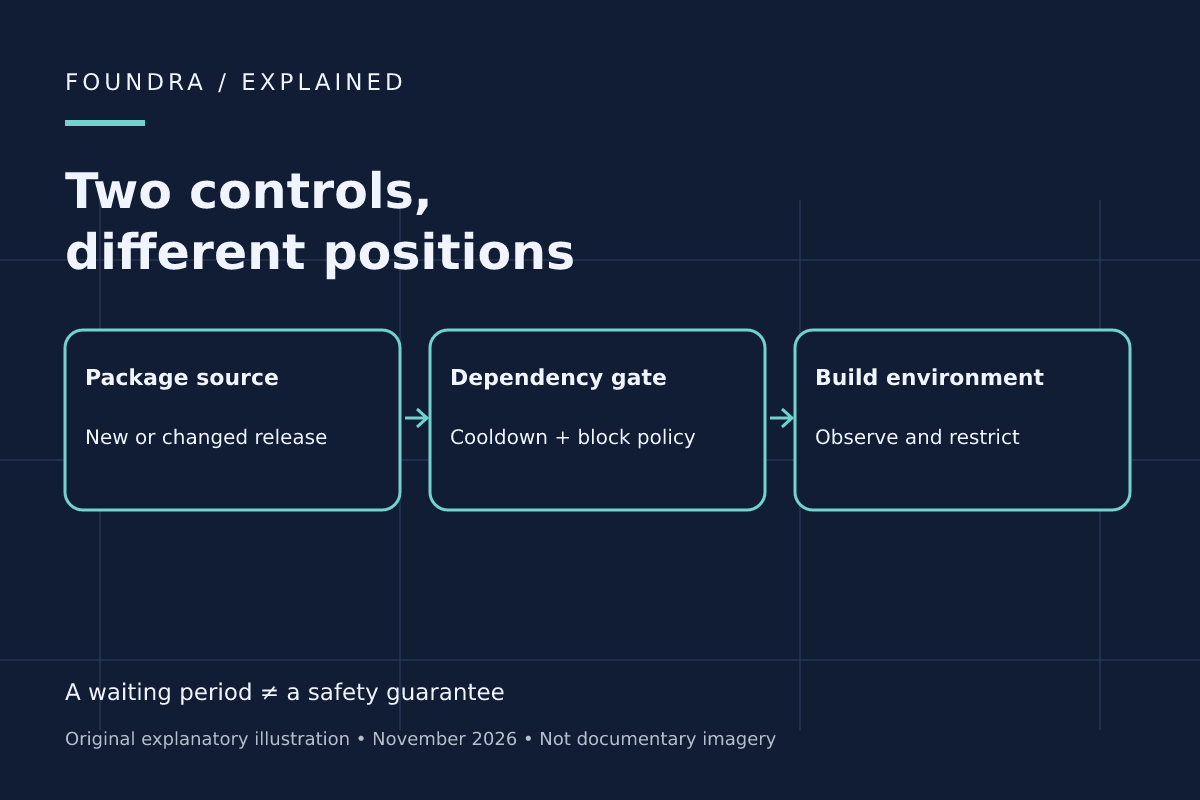
The company’s Series A and free registry tier focus on developer machines, dependency downloads and build pipelines. A package waiting period is one control—not a guarantee that a later release is safe.
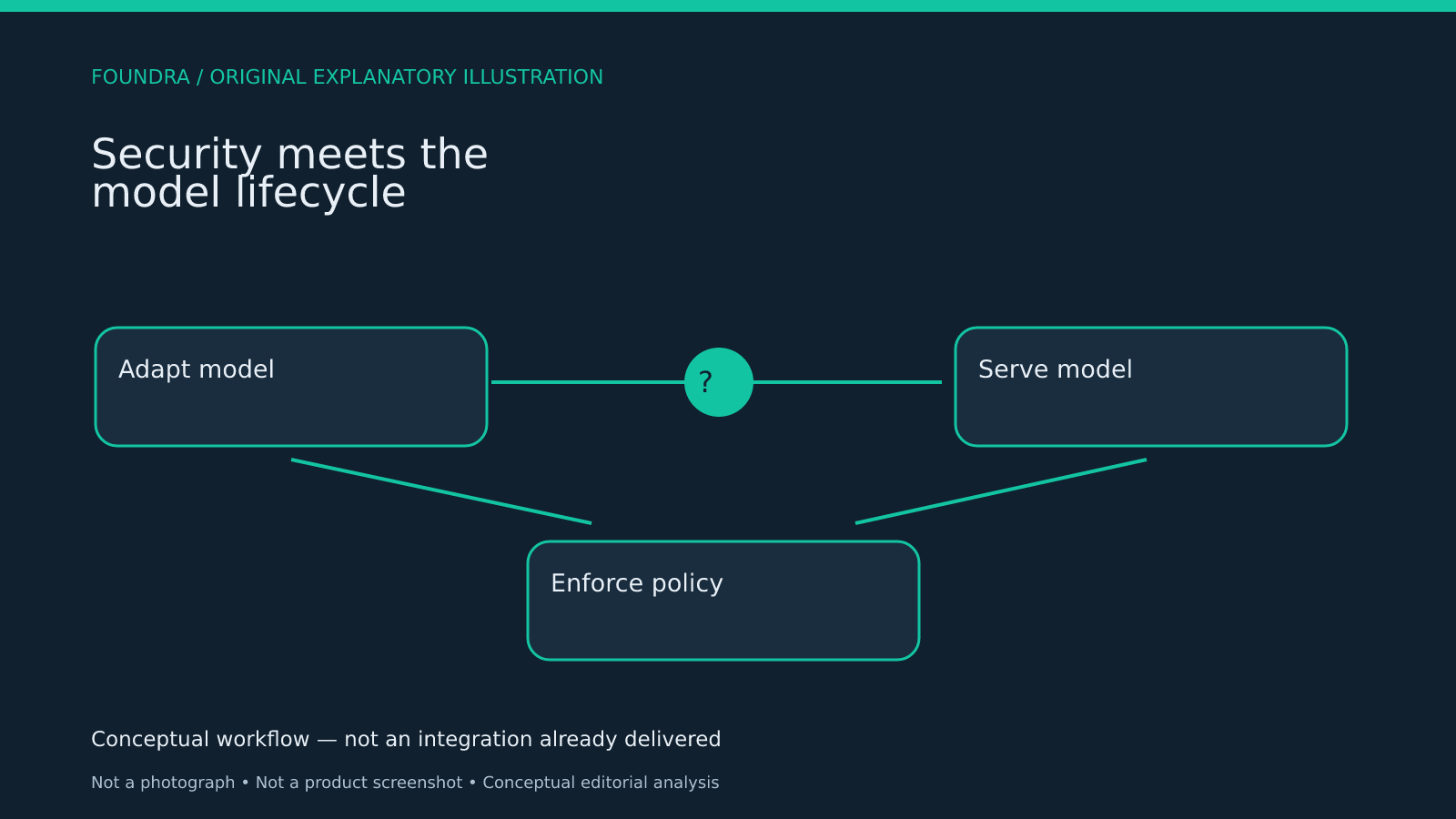
The all-stock acquisition is not closed. Its strategic question is whether enterprise AI security belongs around a model, inside its development workflow, or both.
Delivery and Agents extend the platform beyond infrastructure definitions. The product examination starts with what a pipeline represents—and where operational events return to code.
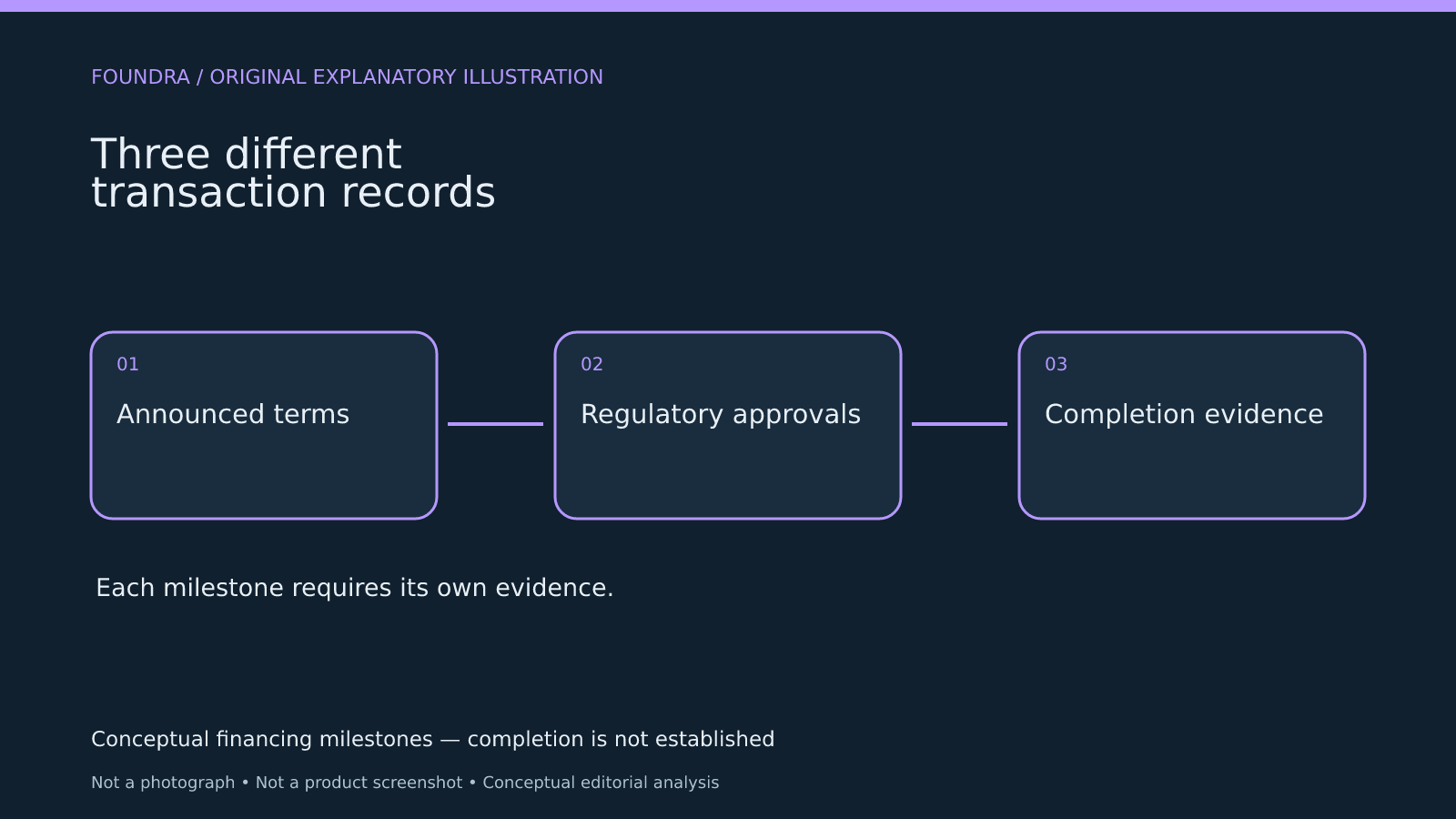
The company announces a $2 billion valuation and an all-equity round, but regulatory approvals remain outstanding. Here is what those terms establish—and what they do not.
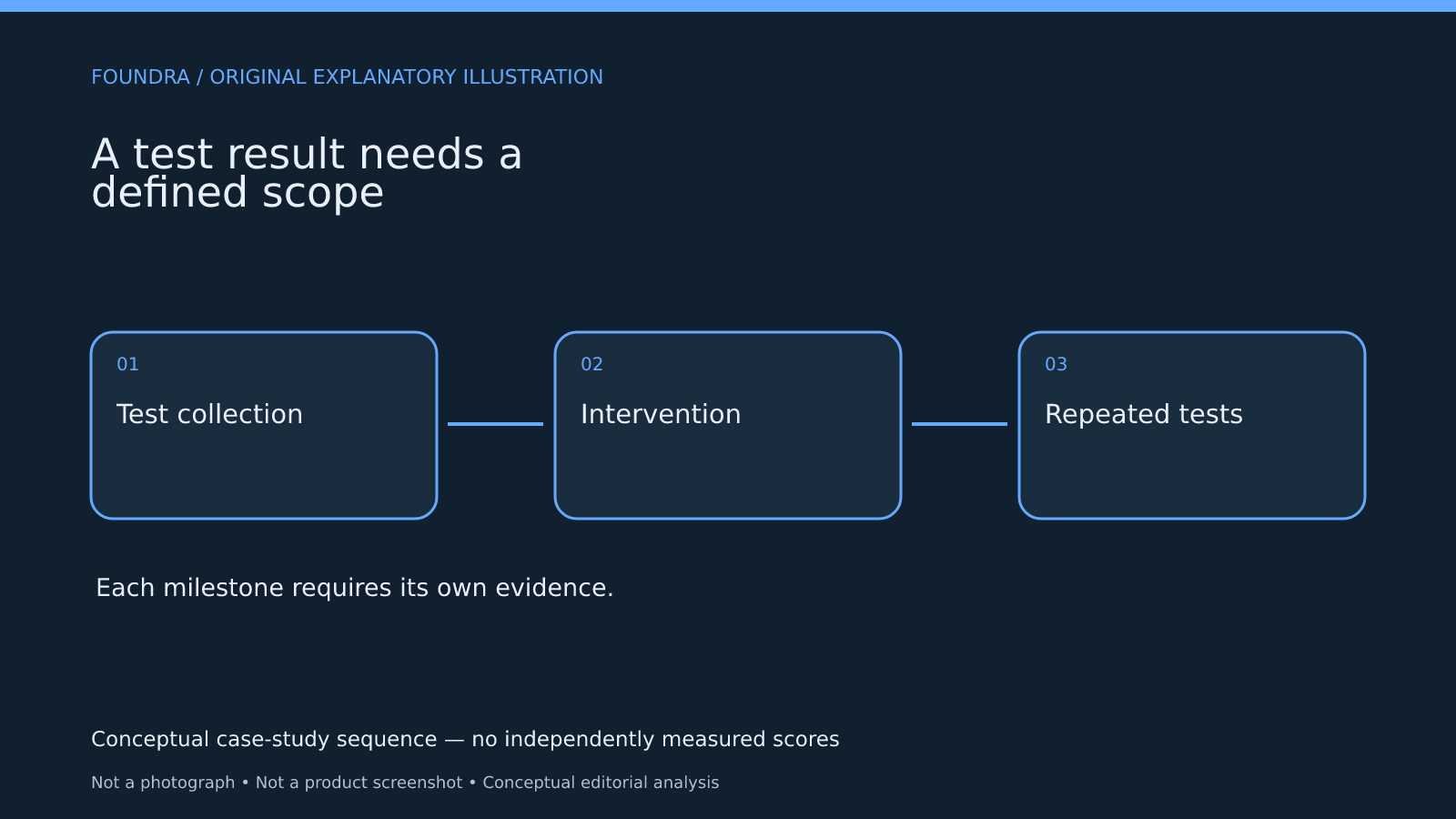
The investor’s announcement describes a sports-agent case study. Its reported improvement is evidence about a defined test exercise, not a guarantee of universal safety.
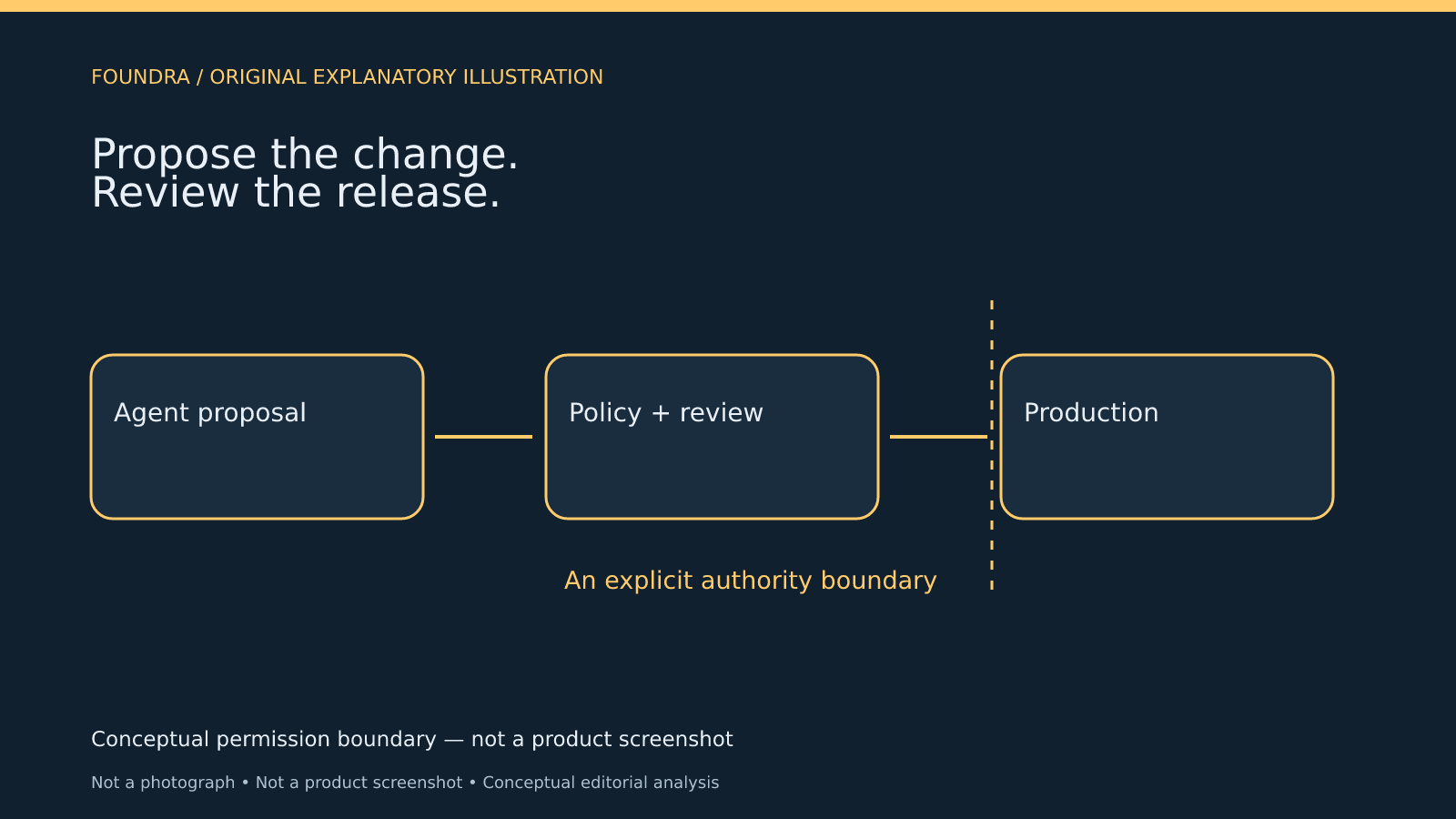
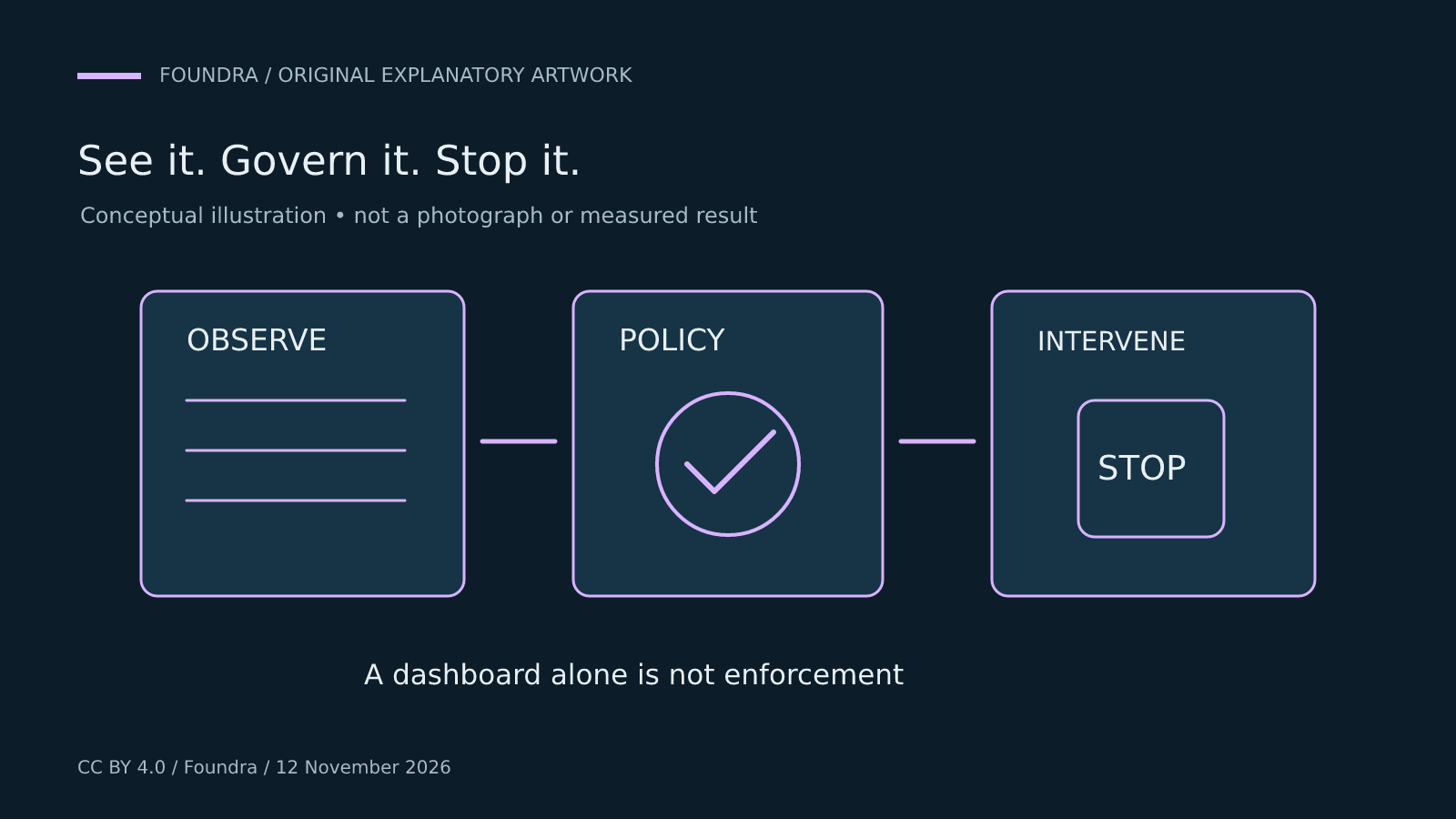
The November 12 announcement separates a new $30 million financing from total capital raised. Its enterprise pitch centres on controlling what agents can do, not simply giving them another interface.
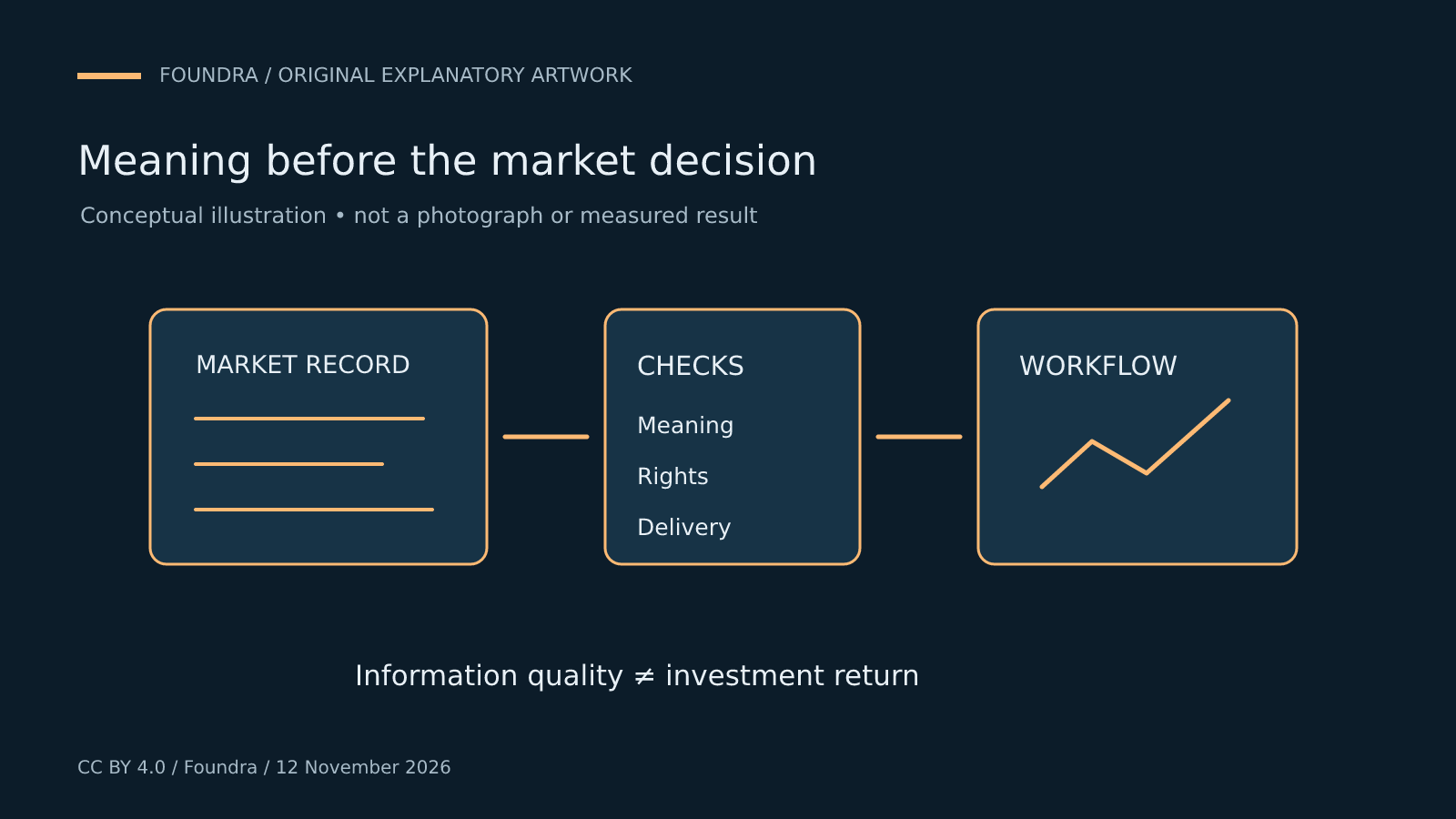
The company announced a $1.1 billion private valuation on November 12. Its reported growth and AI-lab contracts are issuer claims; data access, licensing and reliable delivery remain separate product questions.
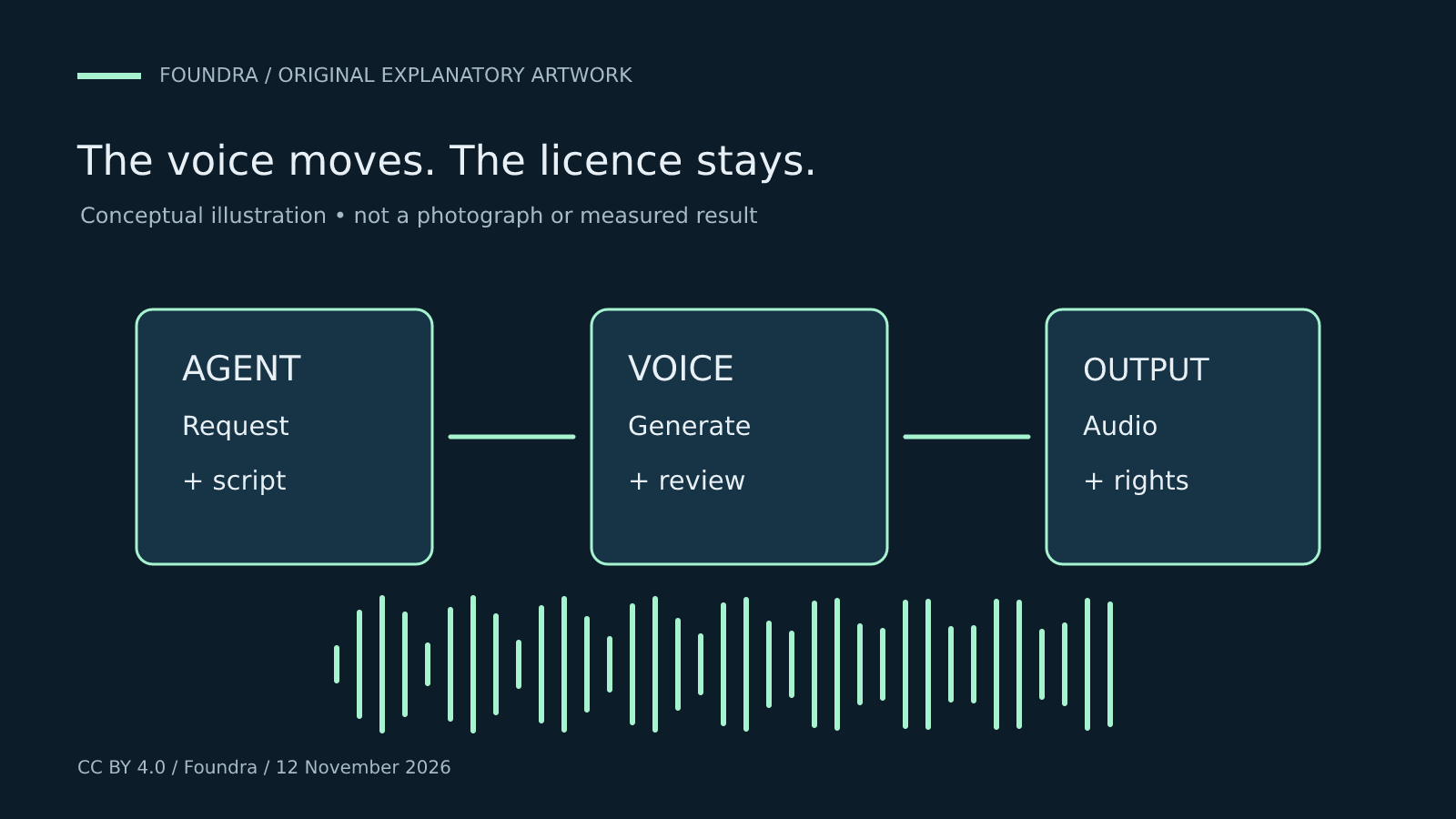
Producer launched on November 10, not on the date of a later news report. Its MCP-based approach separates the production interface from the audio service while keeping actor licensing central to the company’s pitch.
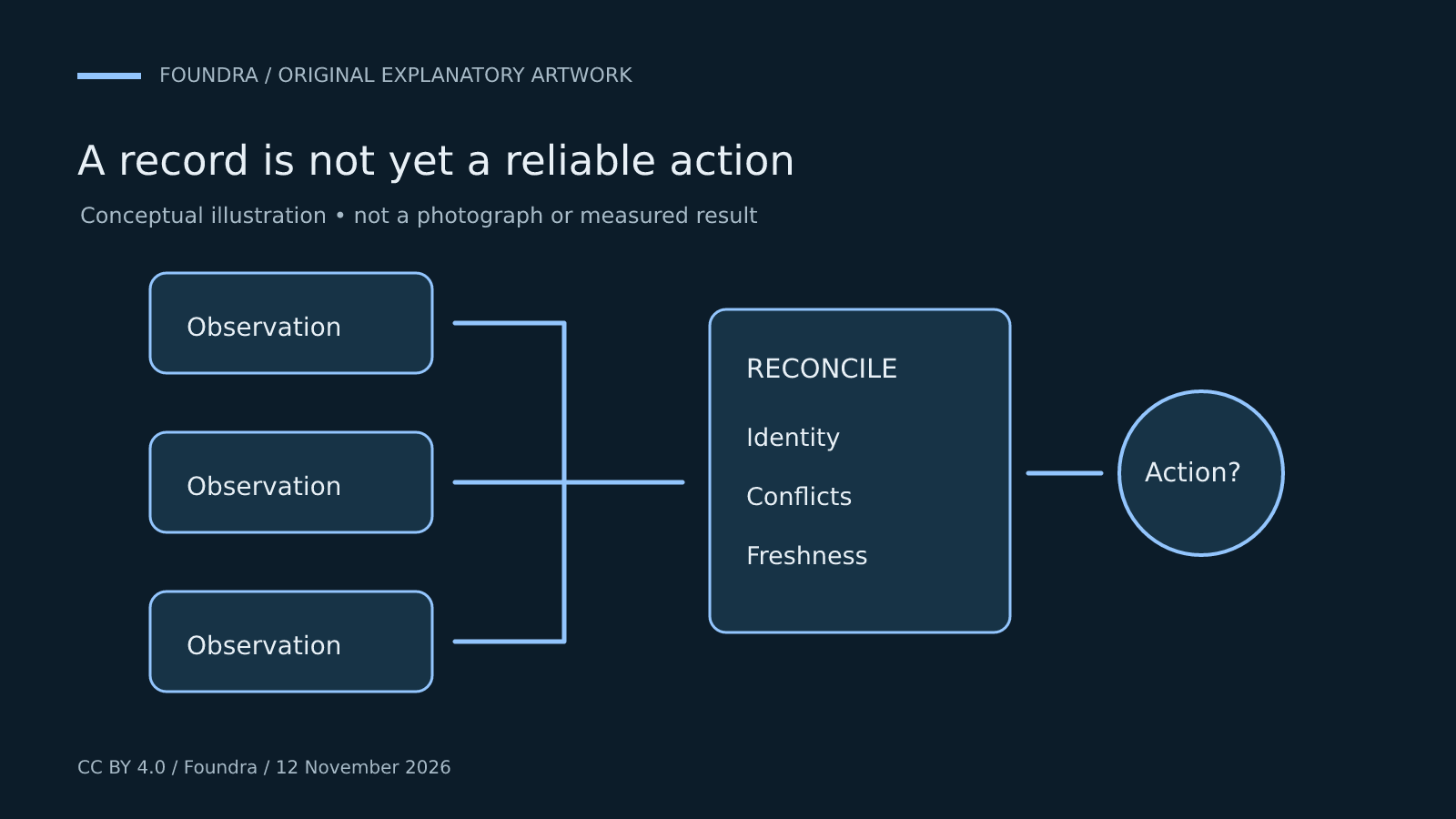
The new product brings discovery and reconciliation into the service-management platform. Its premise is sensible; whether a particular organisation gets trustworthy records depends on coverage, rules and exception handling.
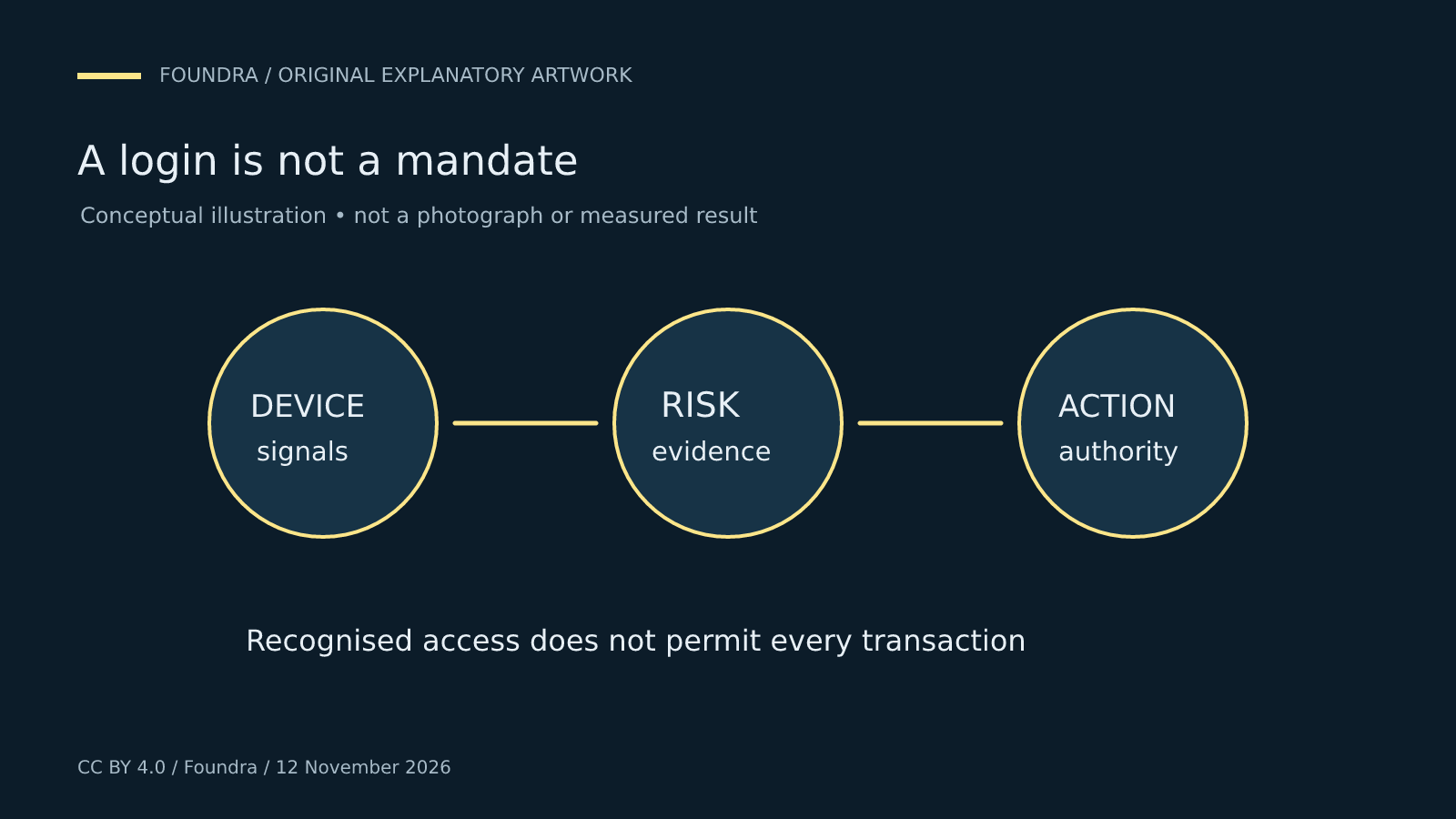
The November 12 Digital Trust expansion combines device, behavioural and network signals. Detecting an automated session is only one step; deciding whether an agent should act for a customer is another.
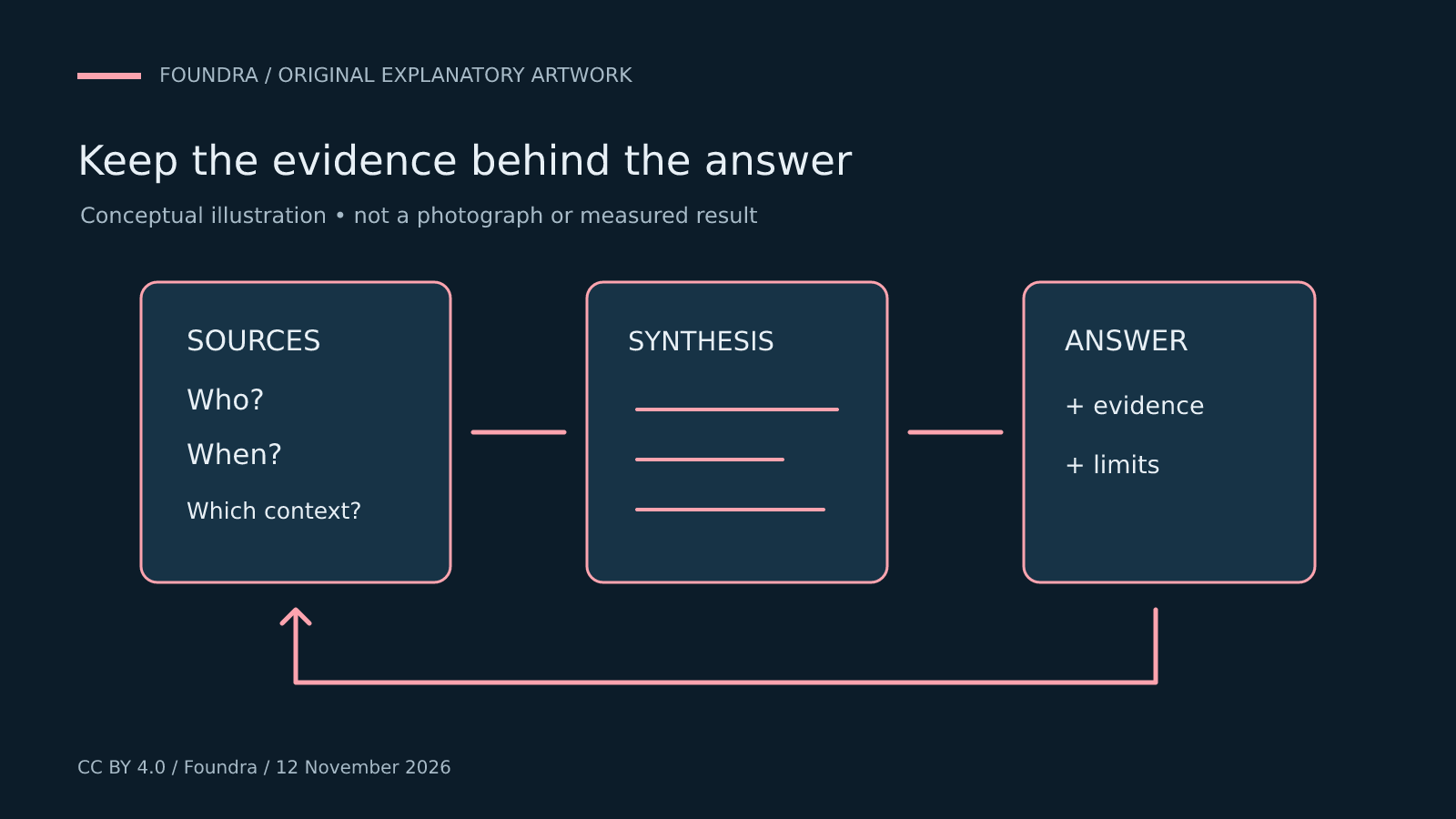
The November 12 partnership lets mutual clients use GLG’s content library alongside their own call history. Easier access to expert commentary does not turn that commentary into independently verified fact.
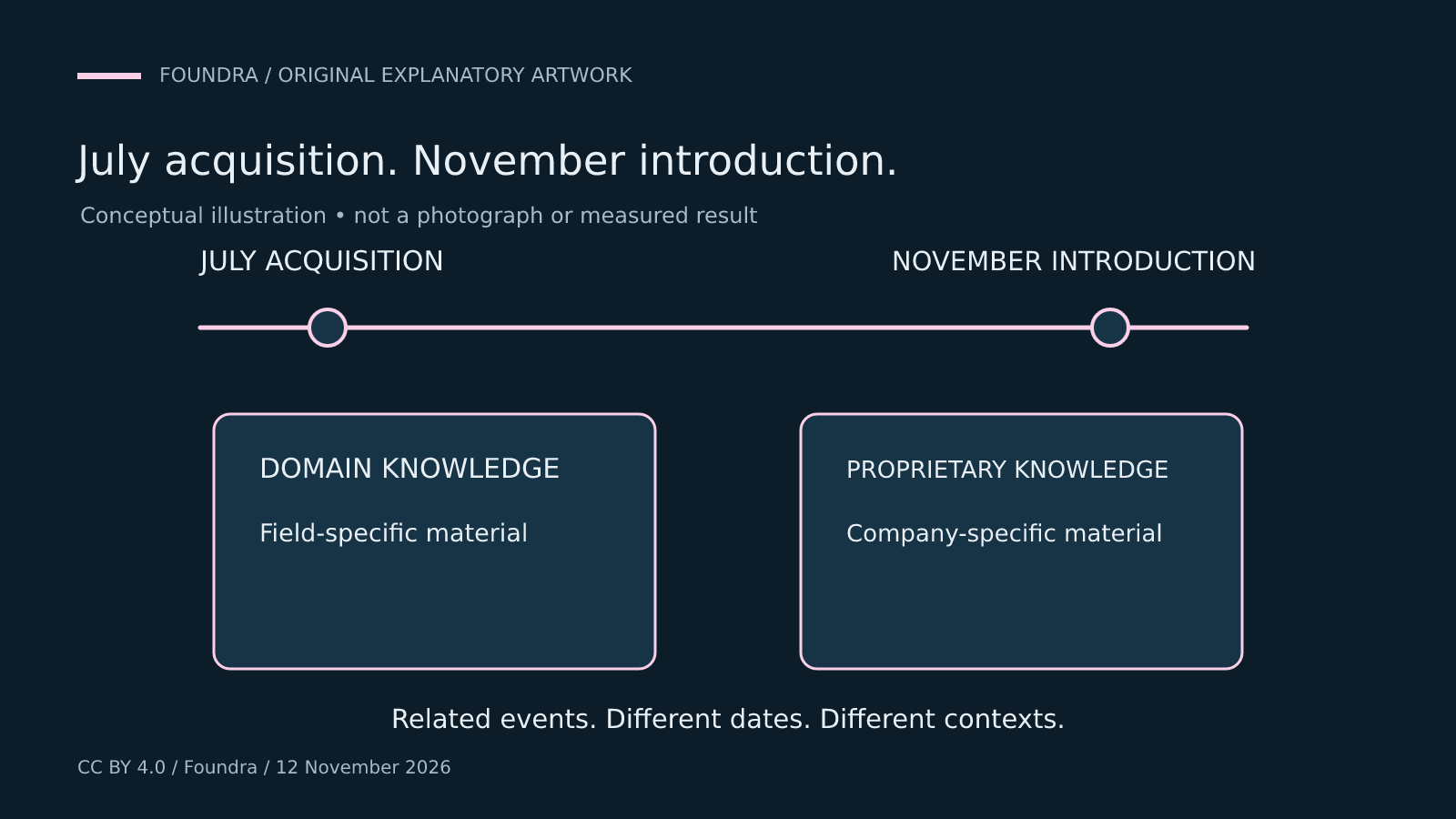
The November 12 launch introduces a knowledge-layer company within D71 Ventures. Its two-part product pairs domain material with company-specific knowledge; the earlier acquisition must not be presented as today’s transaction.
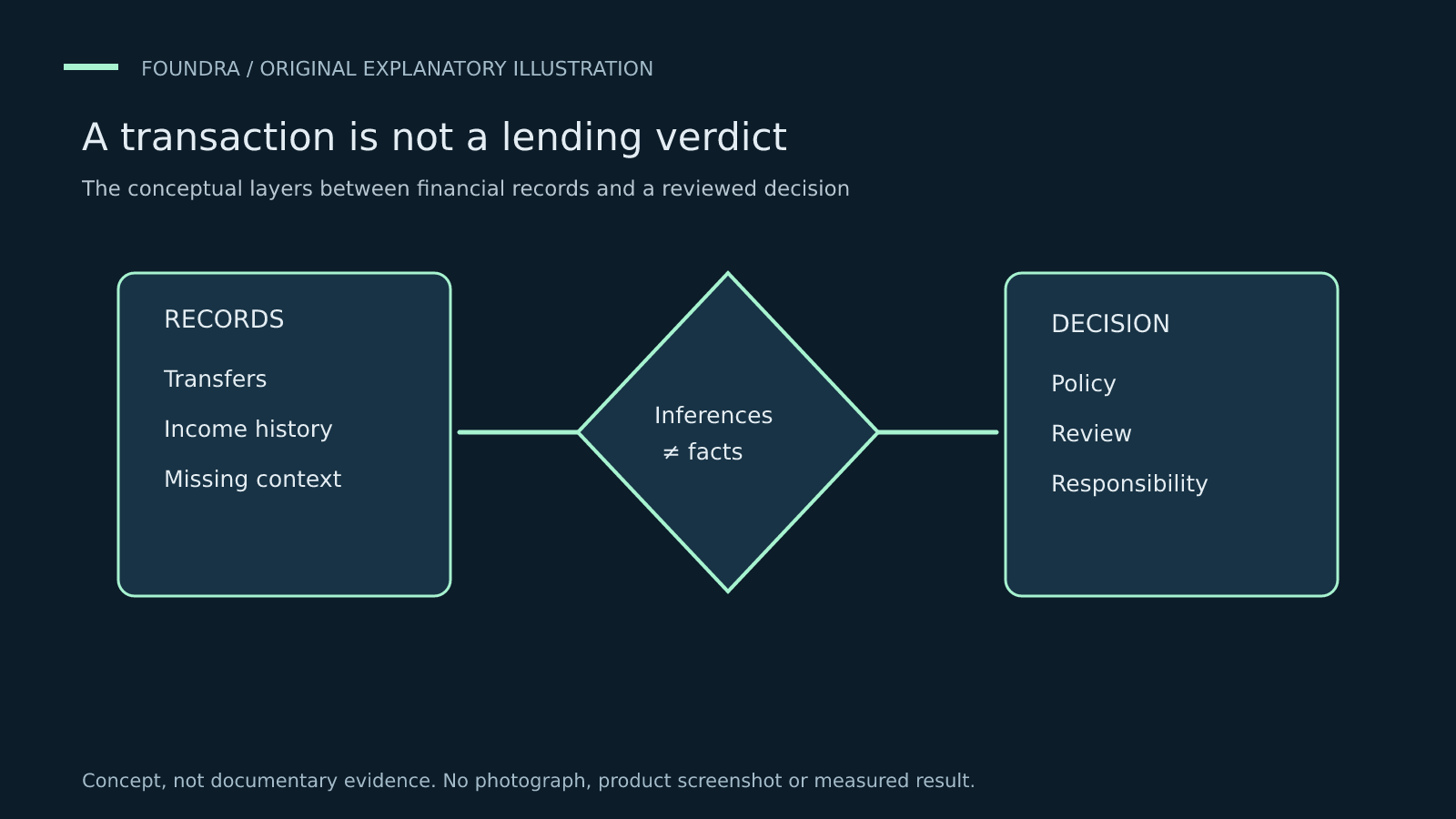
The BKN301 company says fresh funding will support AI-driven decisioning and expansion. Turning transactions into a recommendation creates a different responsibility from merely organizing them.
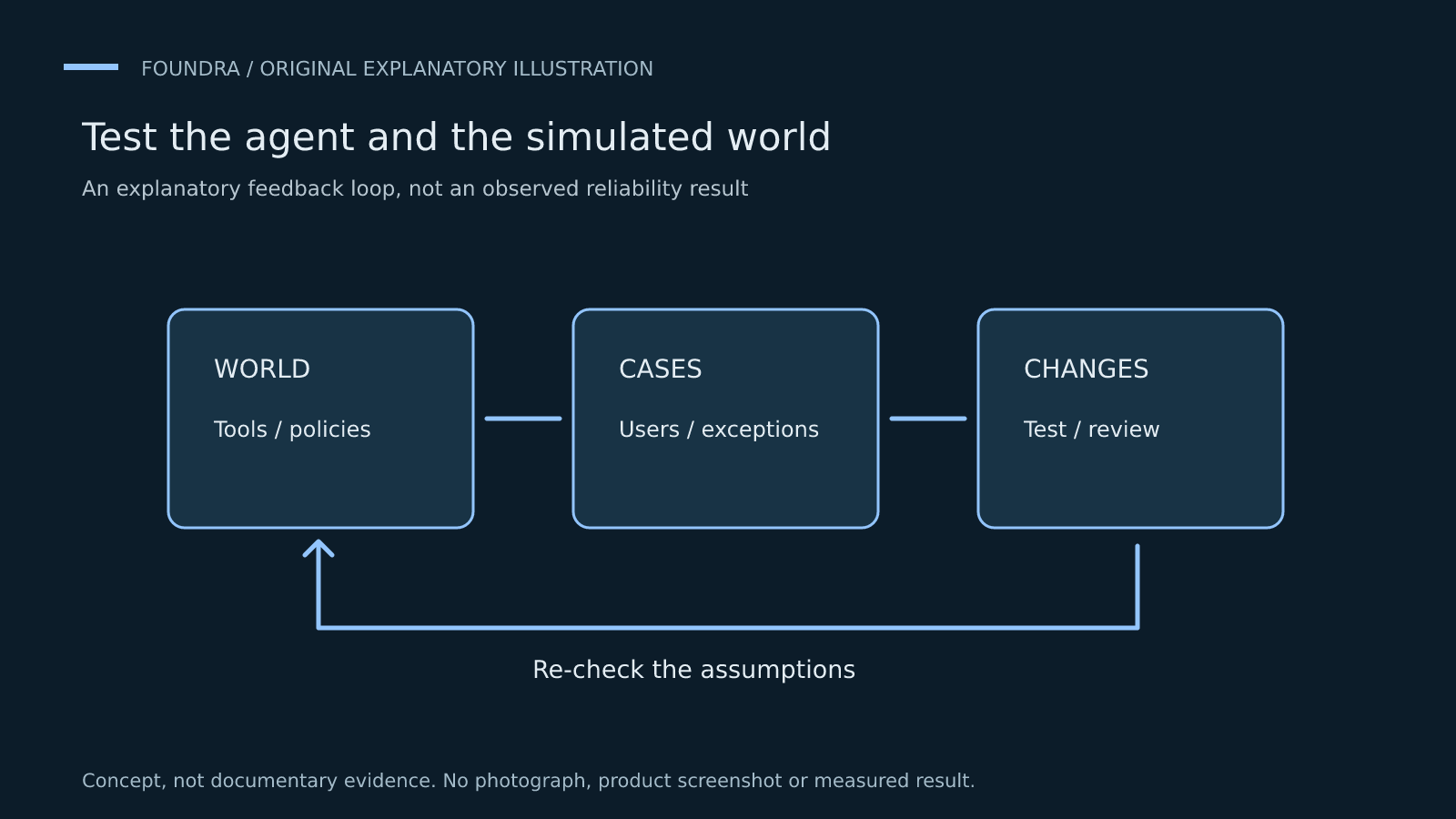
The startup proposes testing agents inside a model of a company’s tools, knowledge and policies. A simulation can reveal failures, but its resemblance to the real workflow is itself something to test.
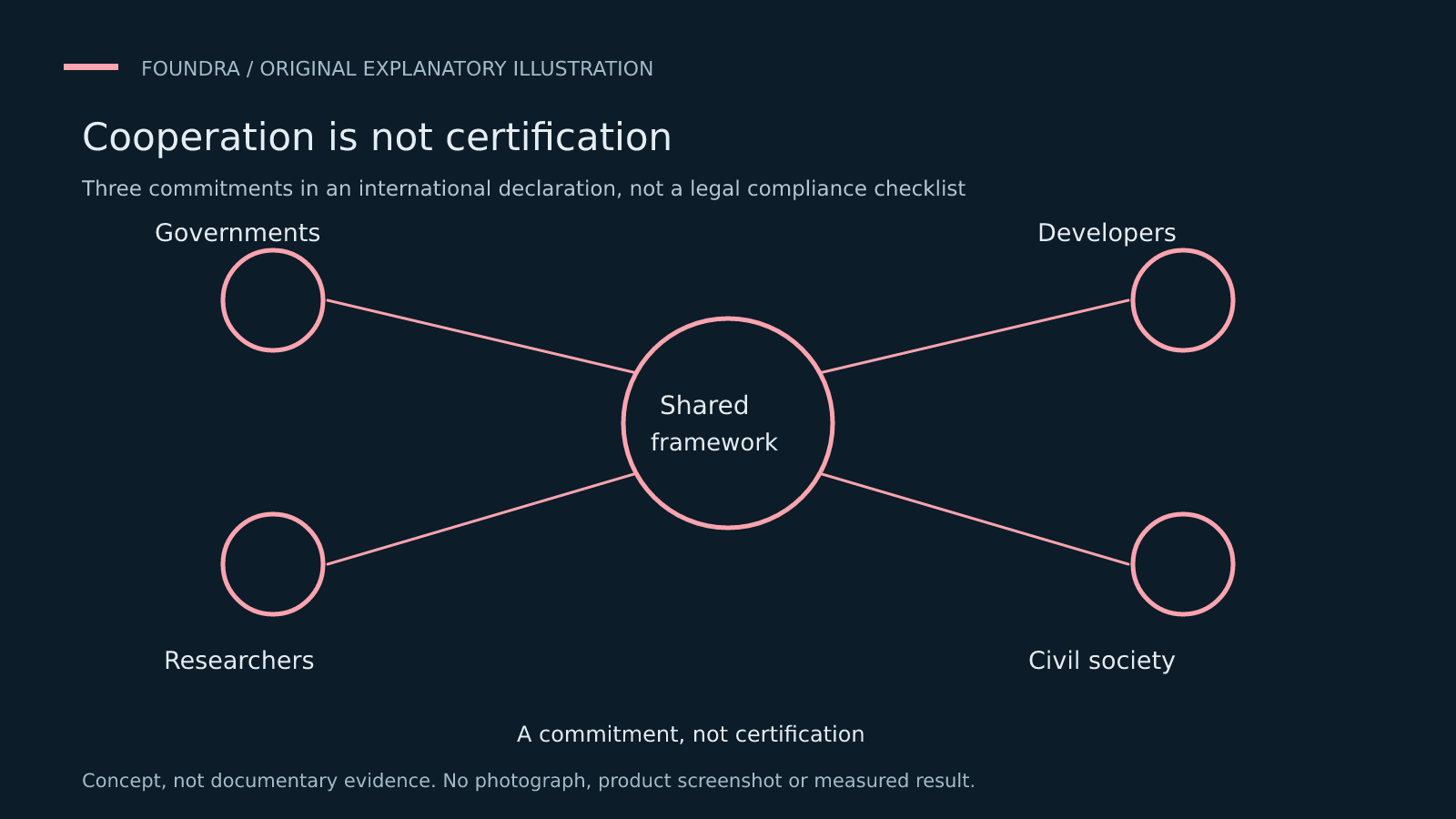
Canada’s November 9 statement records a declaration backed by governments, AI companies and civil-society organizations. It is a cooperation commitment, not a new universal compliance certificate.
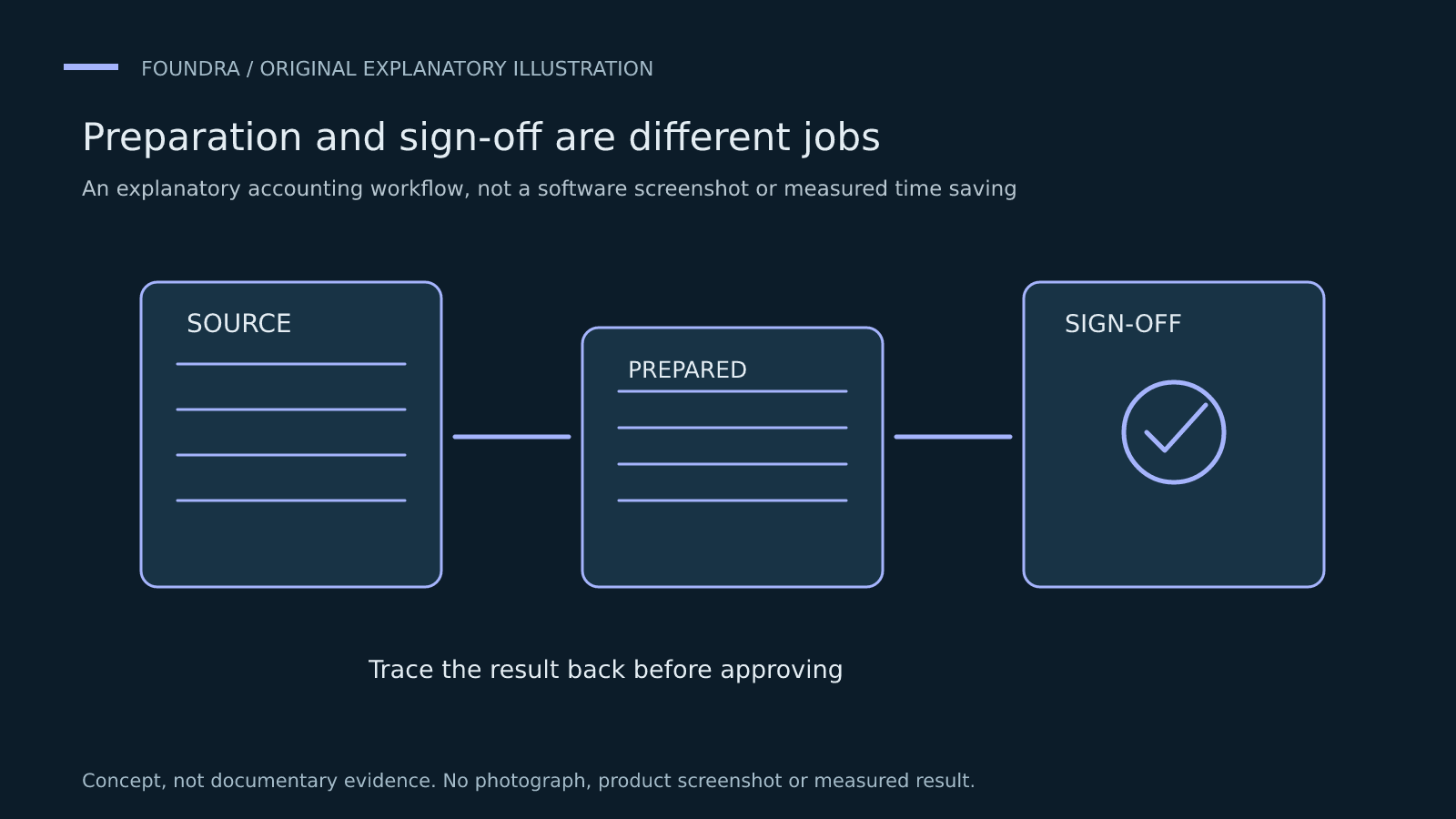
The startup’s seed round backs an AI workflow layer over existing ledgers. Its human-signoff proposition makes review quality, not just preparation speed, central to the product.