The company’s November 19 announcement describes new financing and plans to expand through hospital partnerships. Its growth and profitability claims remain company-reported.
Antariksh has backed the Earth-intelligence company. The wider financing still includes planned equity, debt and secondary share sales, each with a different destination.
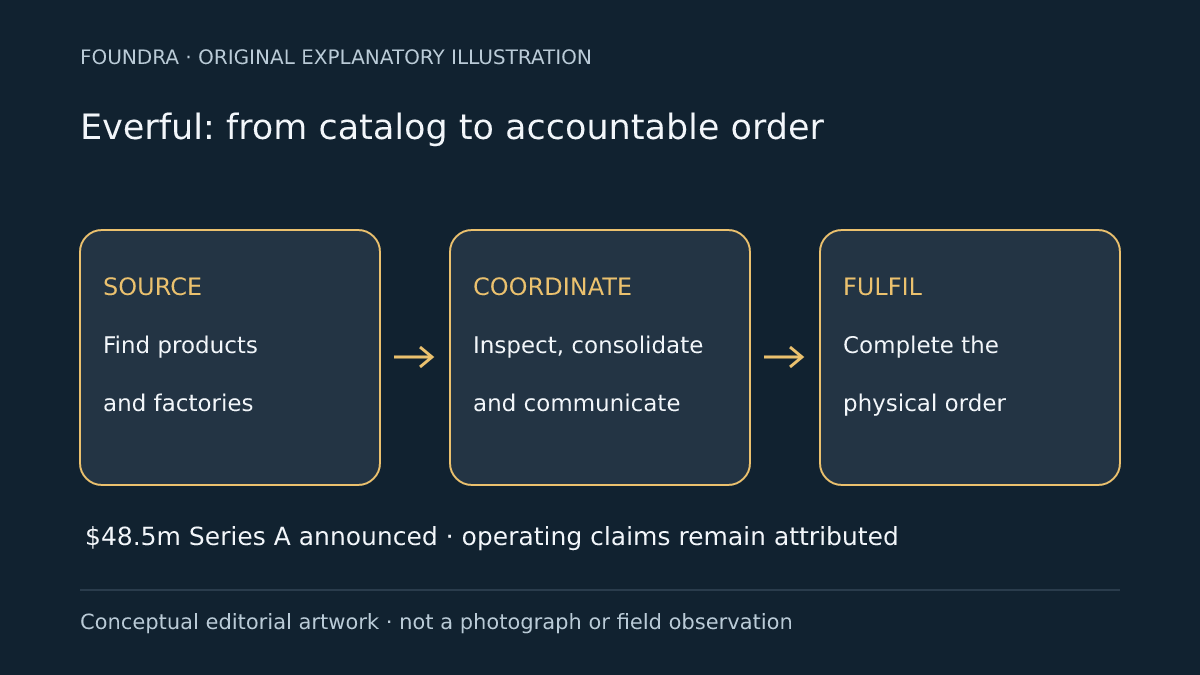
The Series A backs a factory-to-retailer workflow that combines AI with fulfilment. Its business test is whether coordination can deliver accountable outcomes.
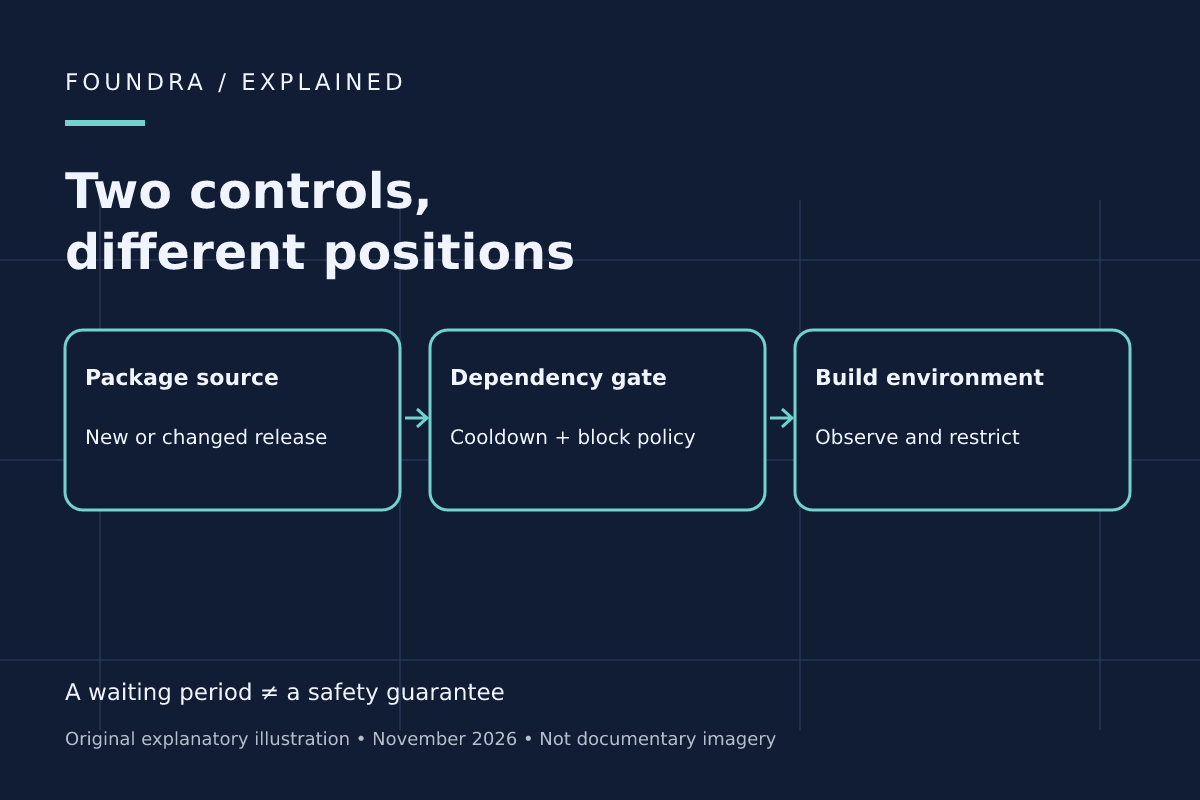
The company’s Series A and free registry tier focus on developer machines, dependency downloads and build pipelines. A package waiting period is one control—not a guarantee that a later release is safe.
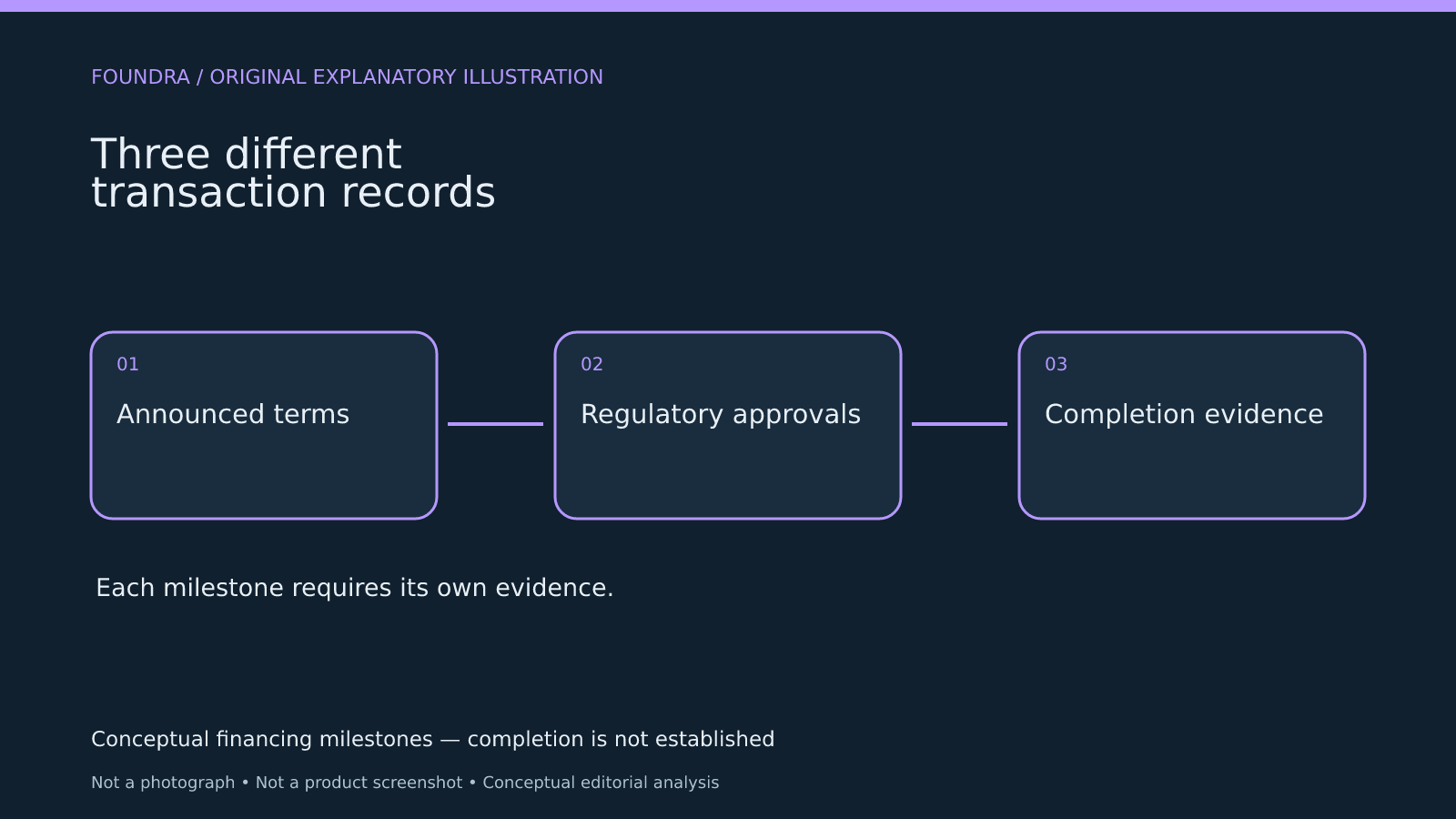
The company announces a $2 billion valuation and an all-equity round, but regulatory approvals remain outstanding. Here is what those terms establish—and what they do not.
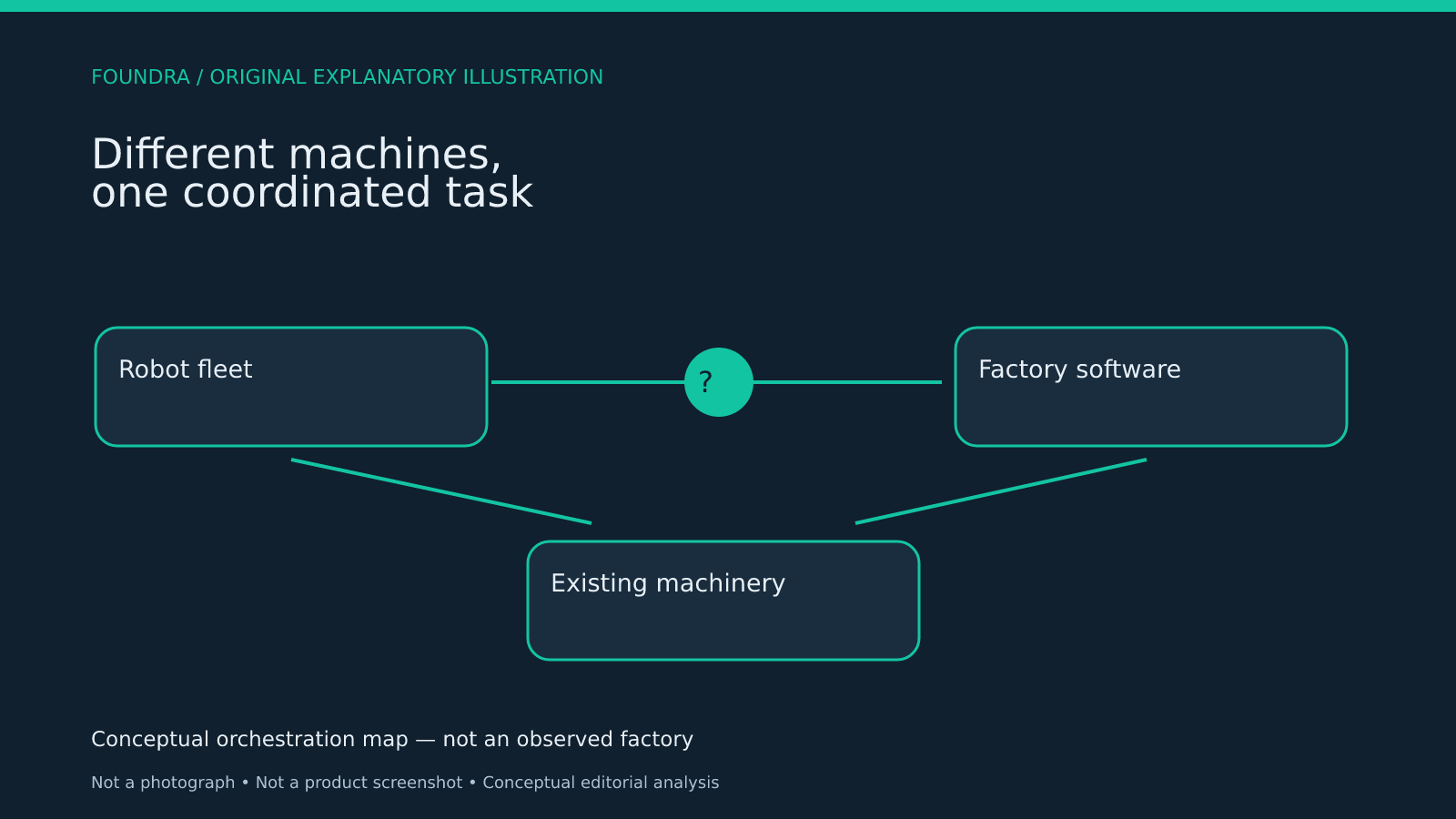
The Singapore startup is funding connected automation, not just another mobile machine. The difficult interface is where equipment, software and responsibility meet.
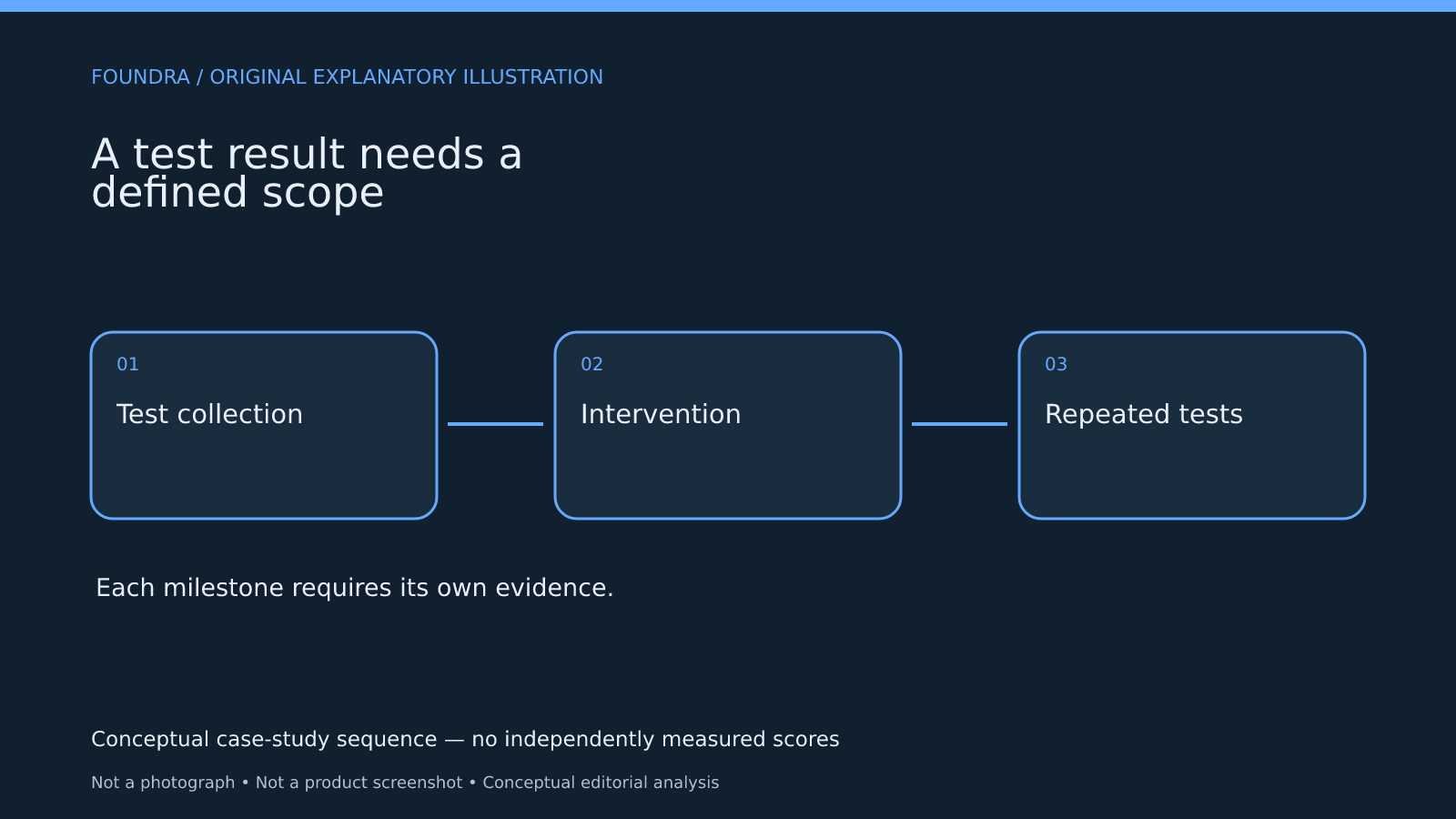
The investor’s announcement describes a sports-agent case study. Its reported improvement is evidence about a defined test exercise, not a guarantee of universal safety.
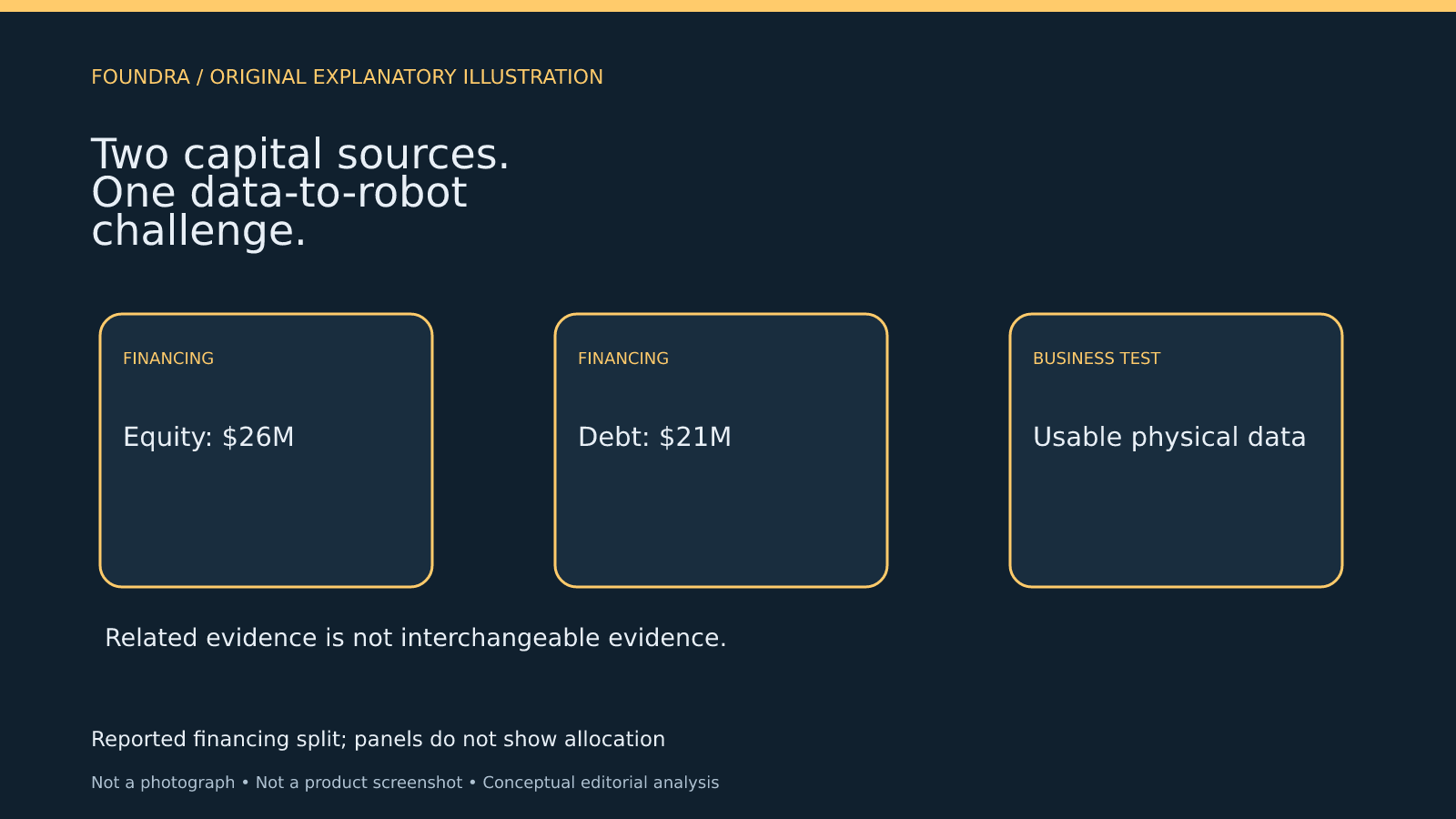
Reports split the package into $26 million of equity and $21 million of venture debt. That distinction matters for a business connecting human activity with robot training.
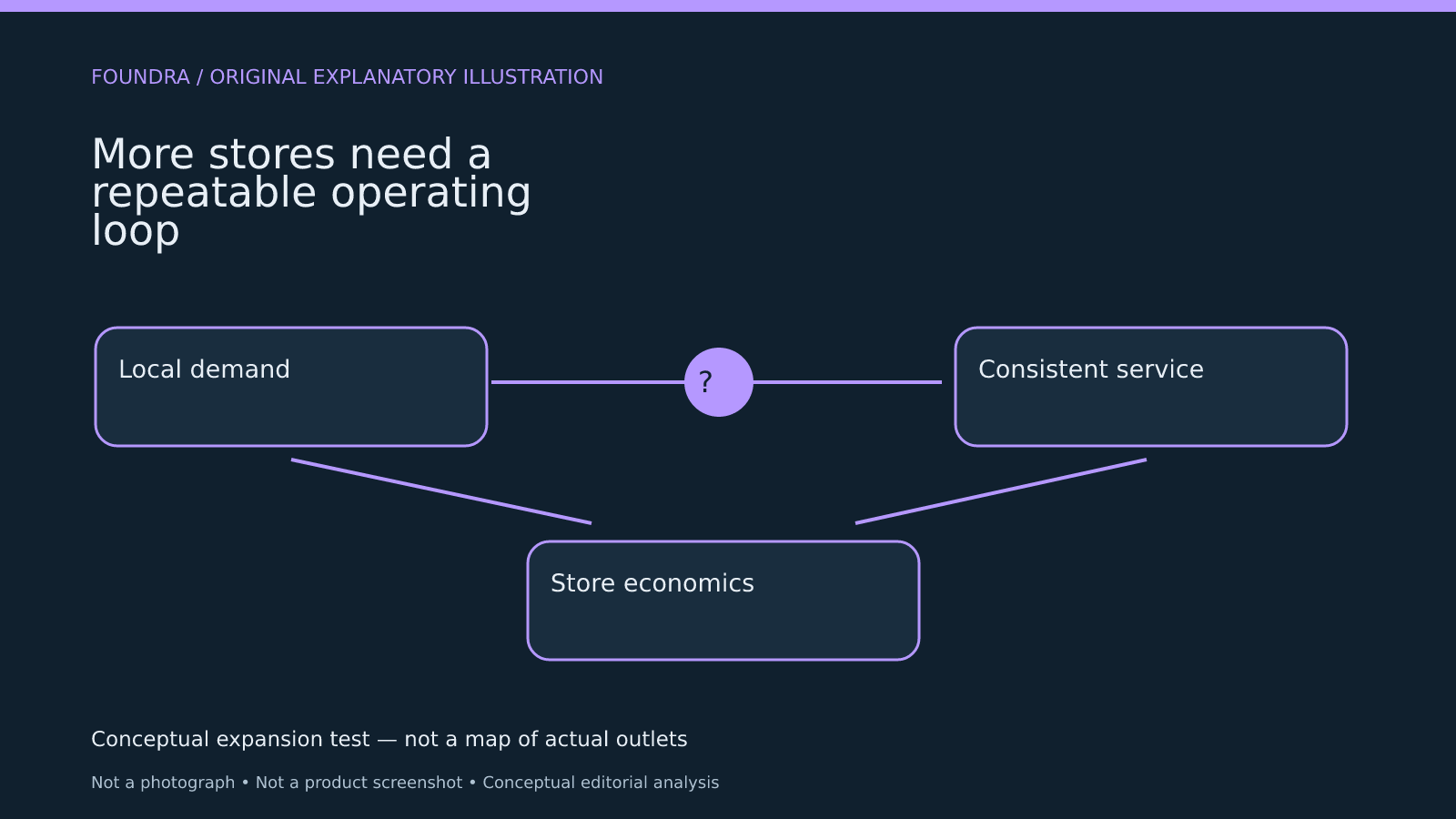
A two-outlet Mexican-food pilot has already launched. The $18 million round supports wider expansion, with the distinct question of what can be shared across brands.
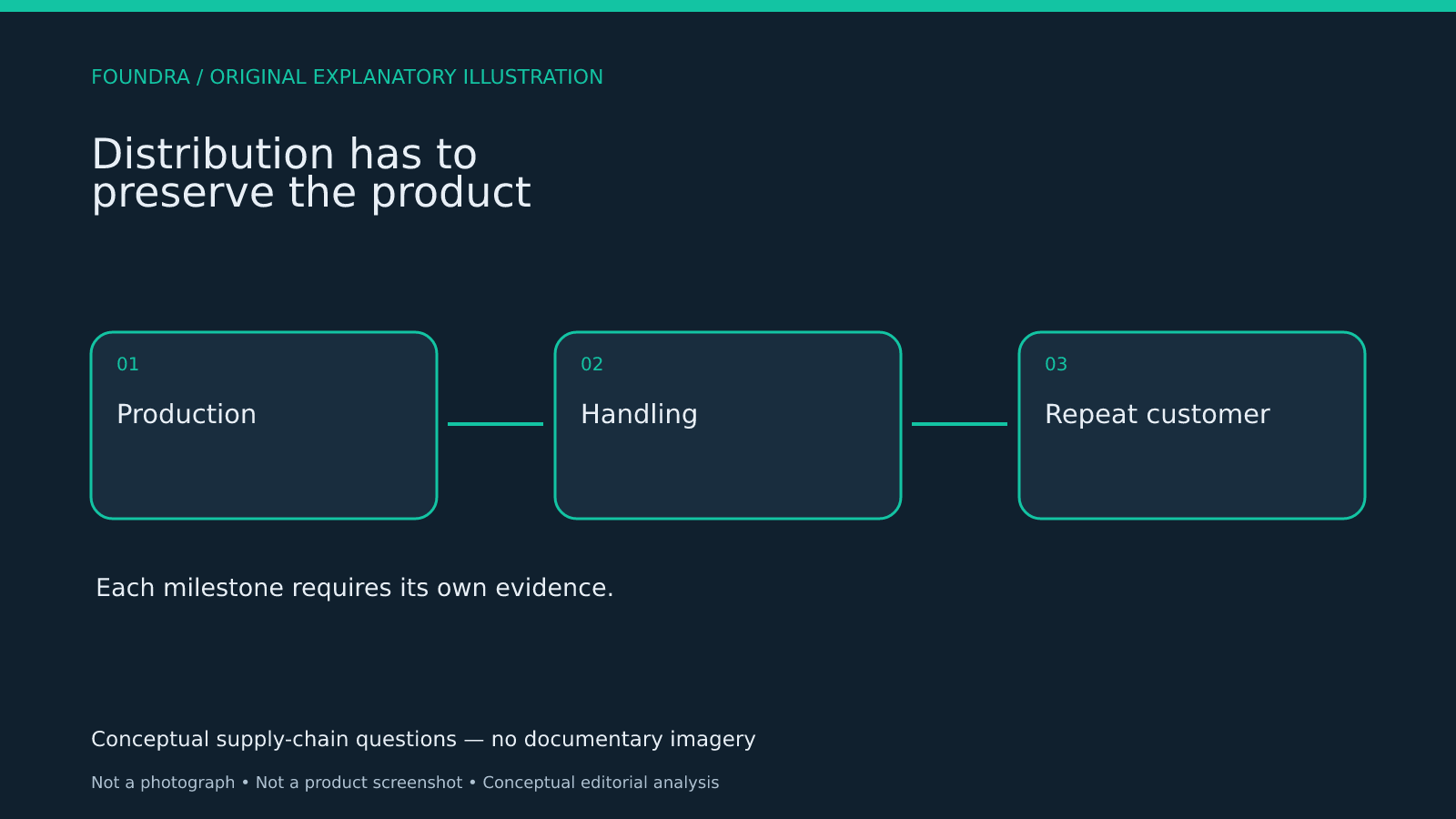
After more than a decade without outside investment, the egg brand has raised $15 million. A larger distribution network still needs evidence of product integrity and repeatable demand.
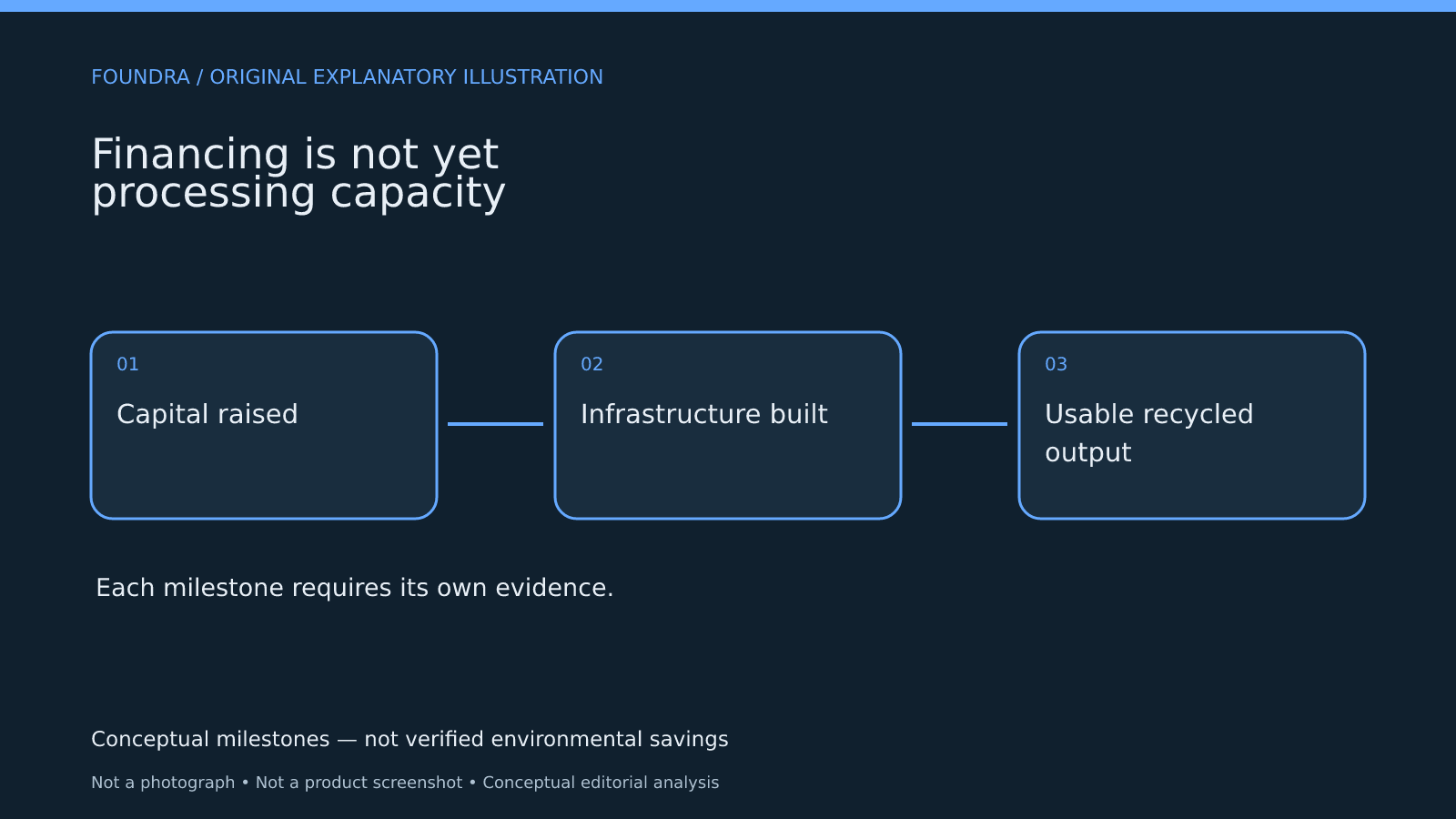
The disclosed package combines equity and debt for infrastructure expansion. Much larger state-level investment ambitions must stay in the future tense.
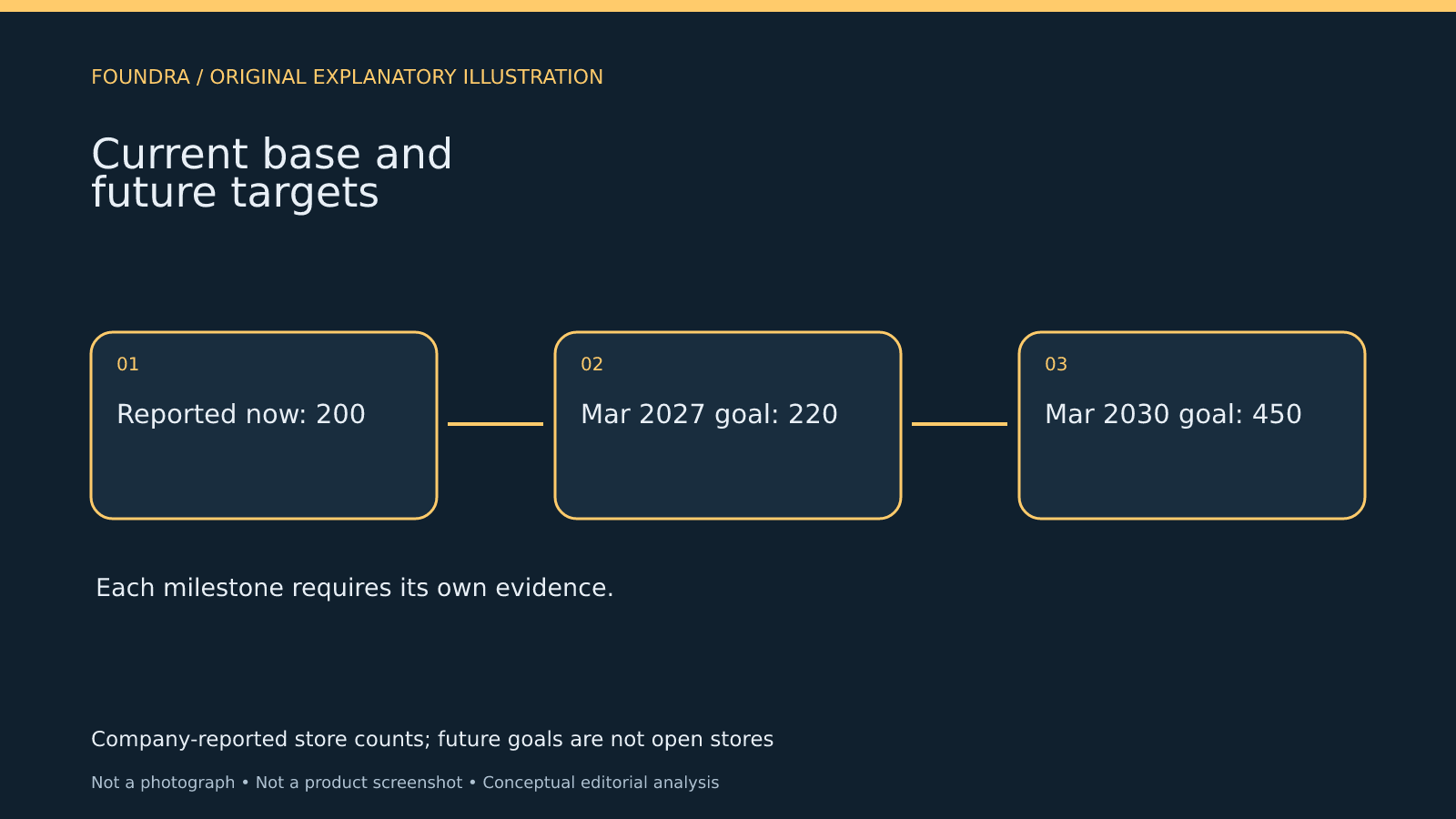
The ₹485 crore Series E accompanies a reported 200-store base, a 220-store March 2027 target and a 450-store March 2030 target. Those are three different points in time.
Reports identify approximately $2 million from each backer. The financing is new; EKA-1 is background, and a disclosed enterprise deployment is not established by the investment.
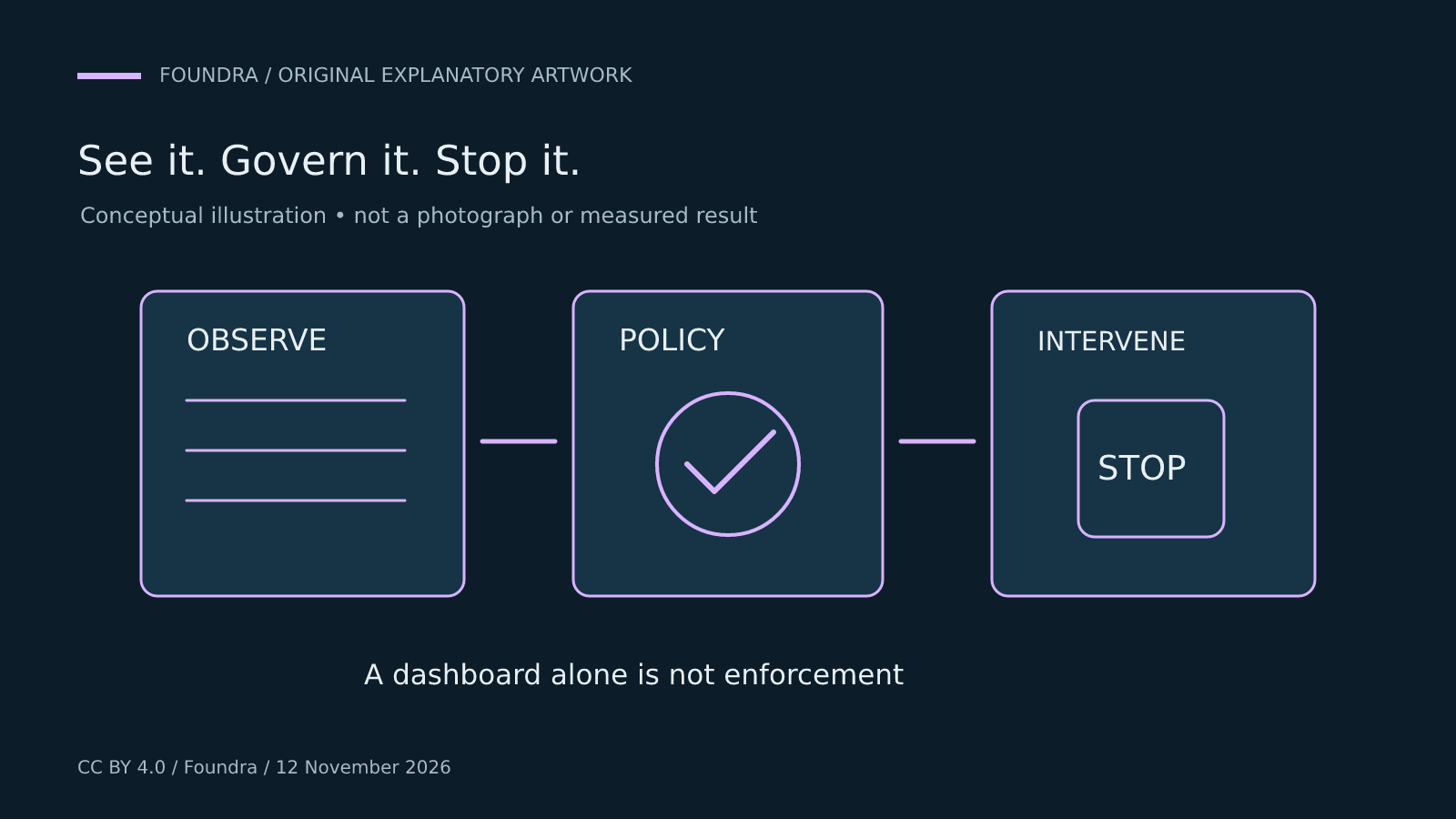
The November 12 announcement separates a new $30 million financing from total capital raised. Its enterprise pitch centres on controlling what agents can do, not simply giving them another interface.
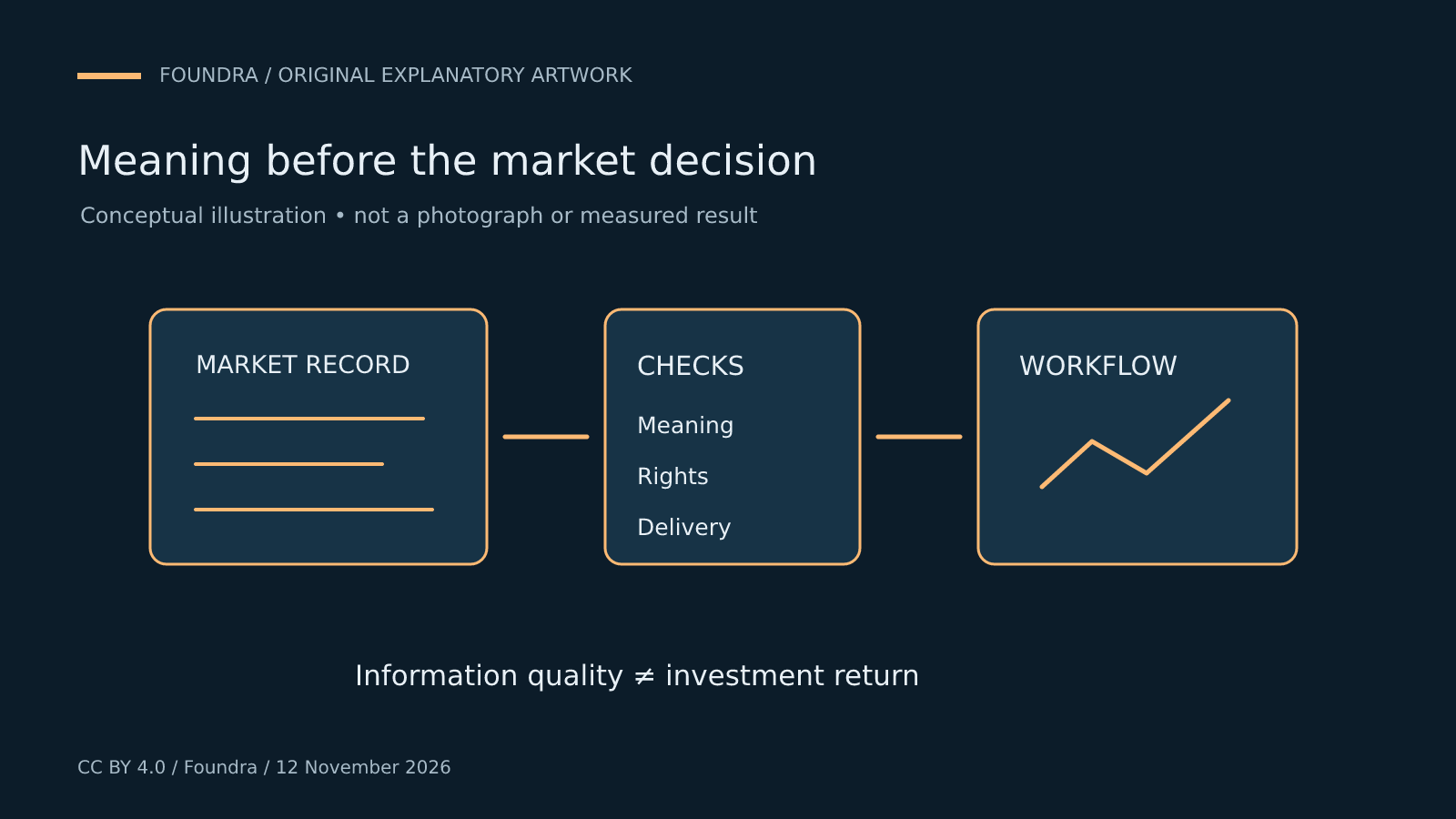
The company announced a $1.1 billion private valuation on November 12. Its reported growth and AI-lab contracts are issuer claims; data access, licensing and reliable delivery remain separate product questions.
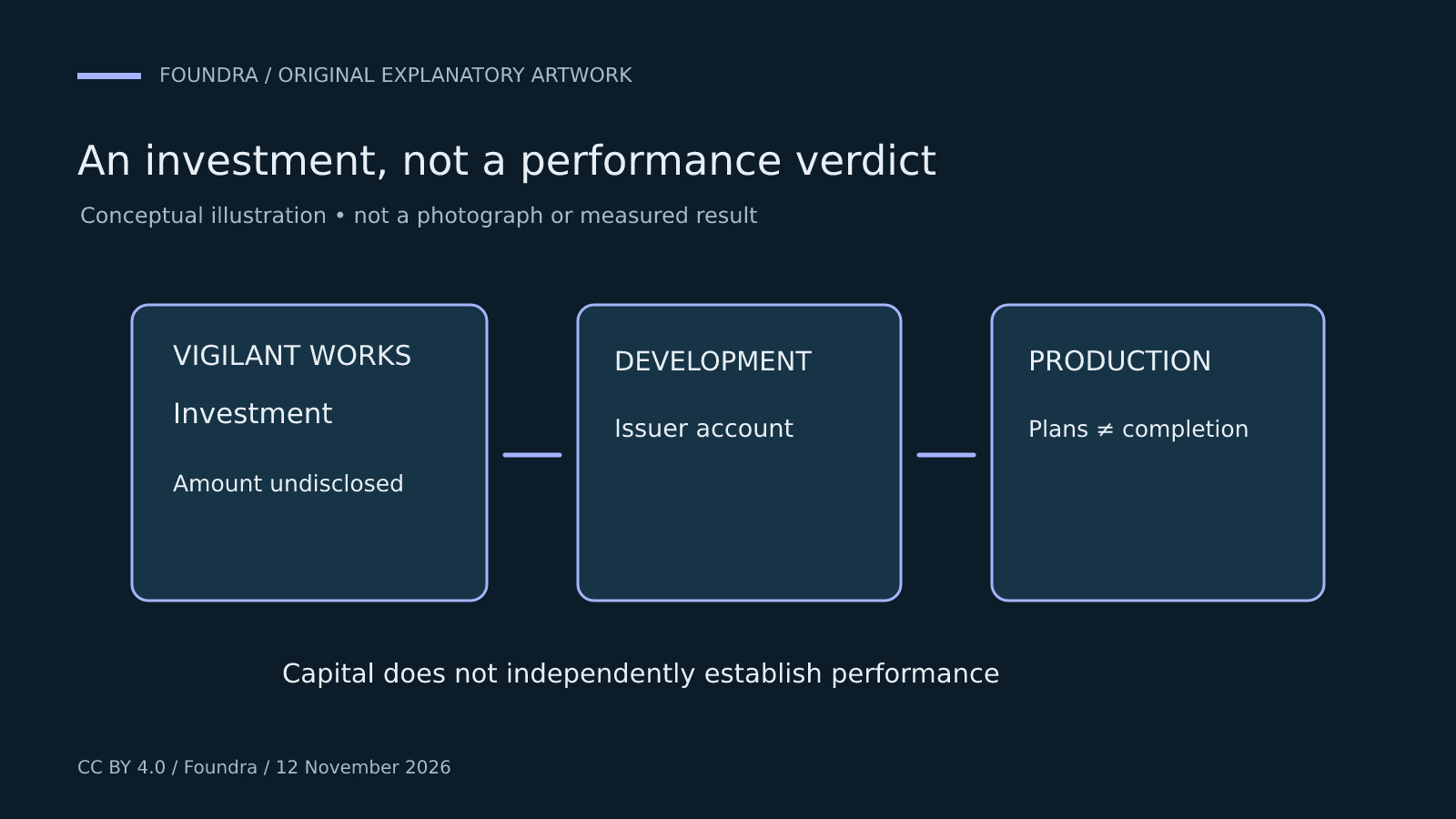
The November 12 release backs a Ukrainian defence-technology company’s development and production plans. It does not disclose a round size or independently substantiate battlefield performance.
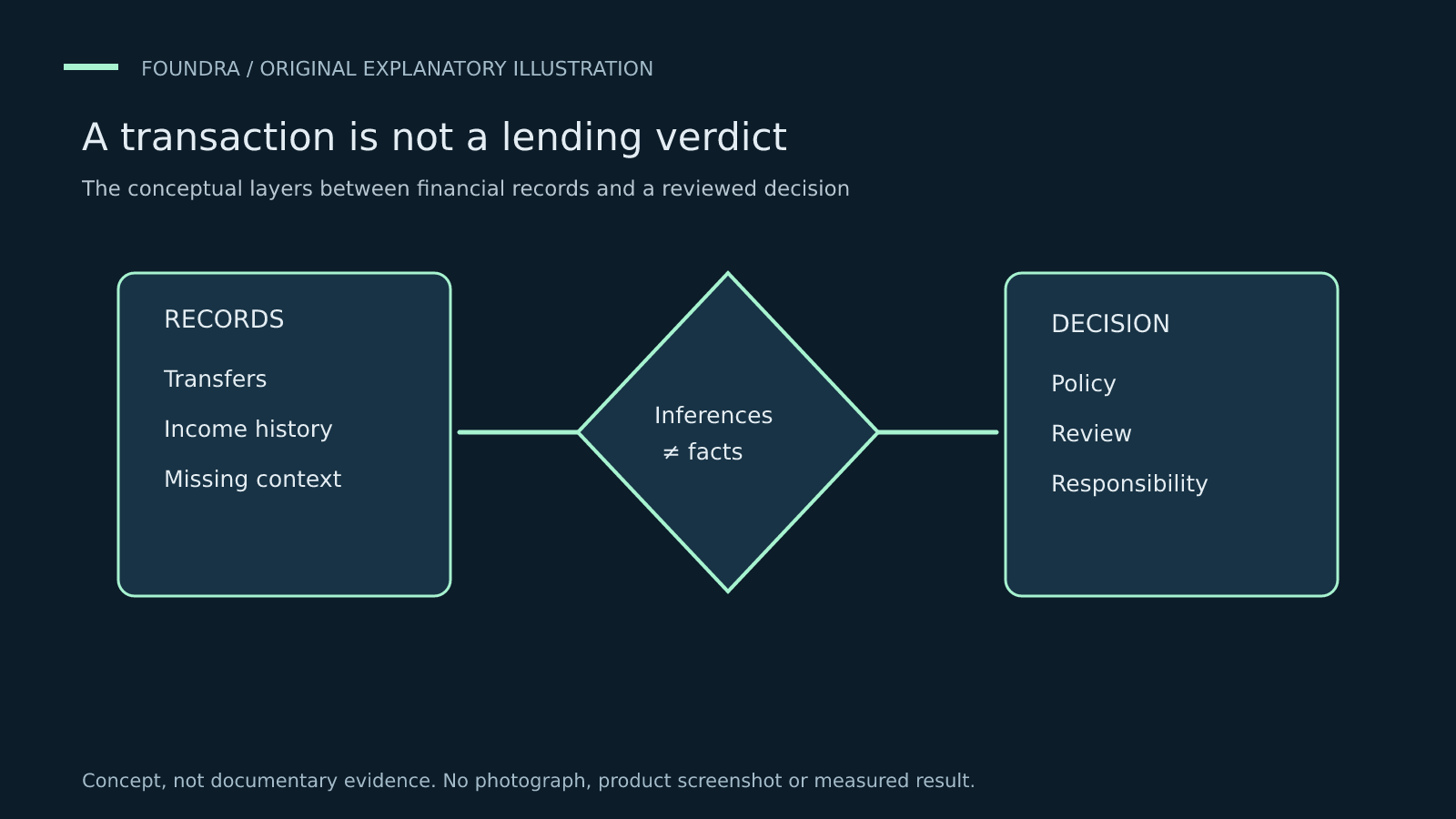
The BKN301 company says fresh funding will support AI-driven decisioning and expansion. Turning transactions into a recommendation creates a different responsibility from merely organizing them.
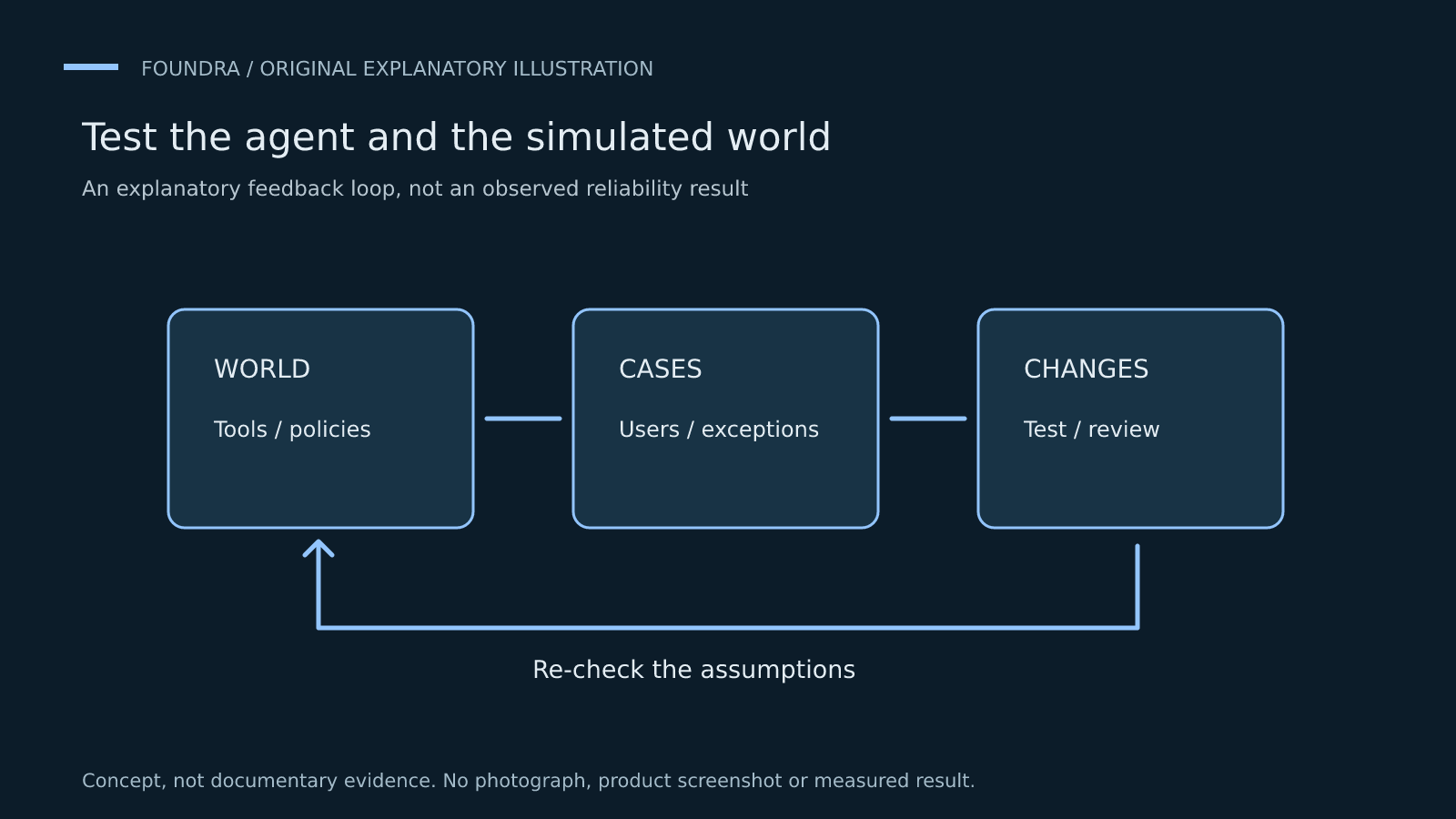
The startup proposes testing agents inside a model of a company’s tools, knowledge and policies. A simulation can reveal failures, but its resemblance to the real workflow is itself something to test.
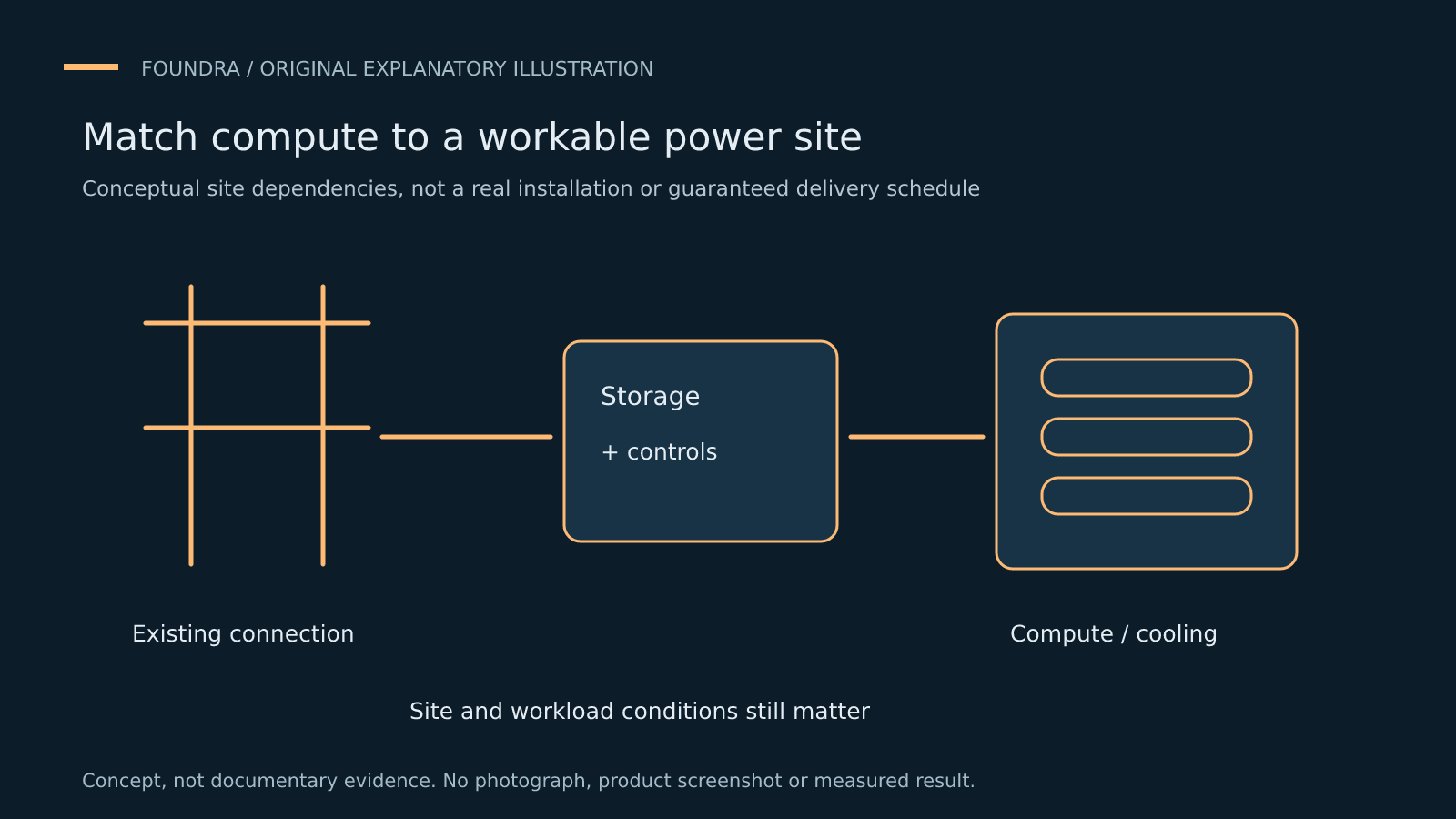
The company launches Foundry alongside growth capital led by Magnetar. Its rapid-deployment pitch depends on more than the availability of a prefabricated module.
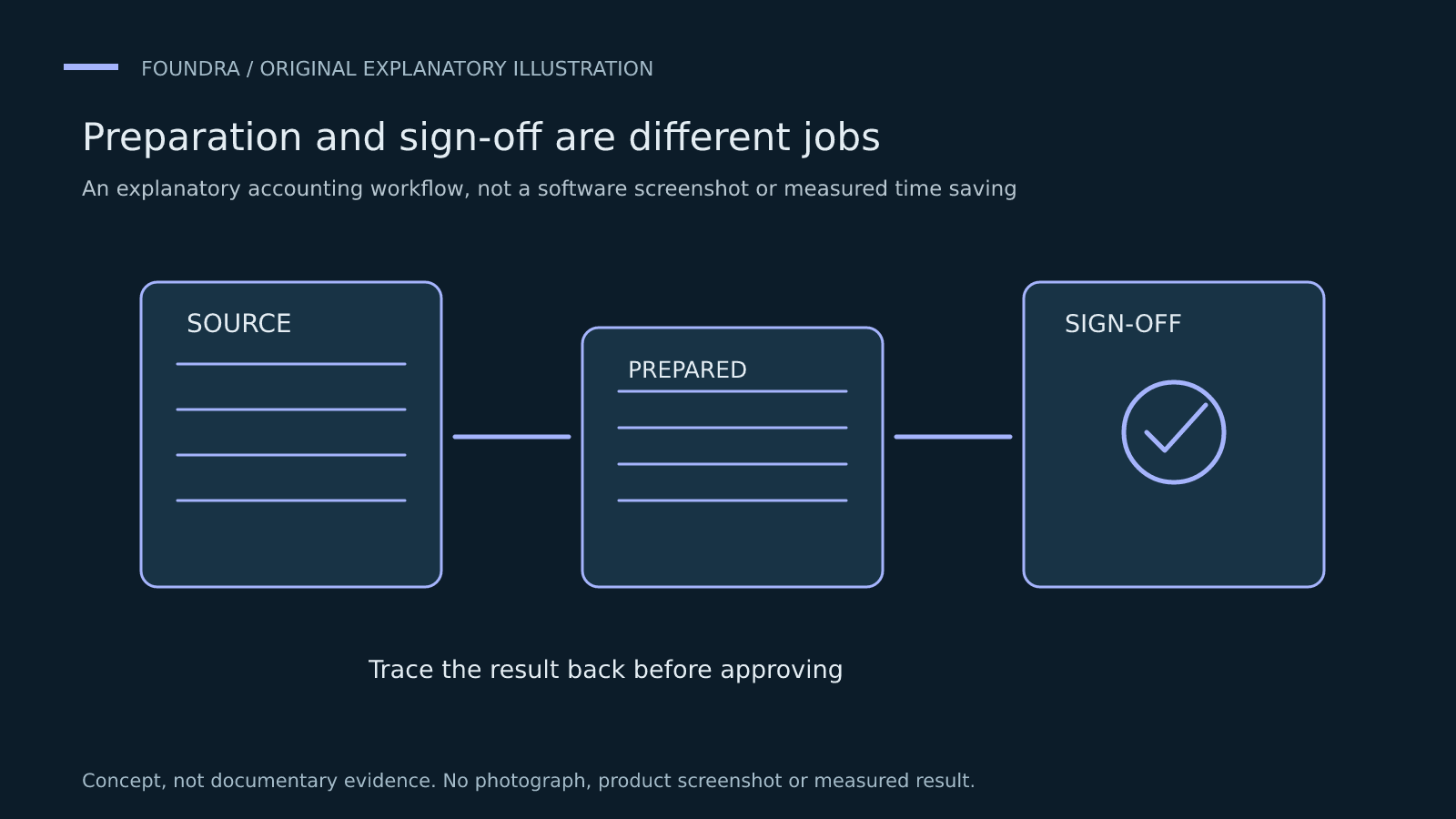
The startup’s seed round backs an AI workflow layer over existing ledgers. Its human-signoff proposition makes review quality, not just preparation speed, central to the product.
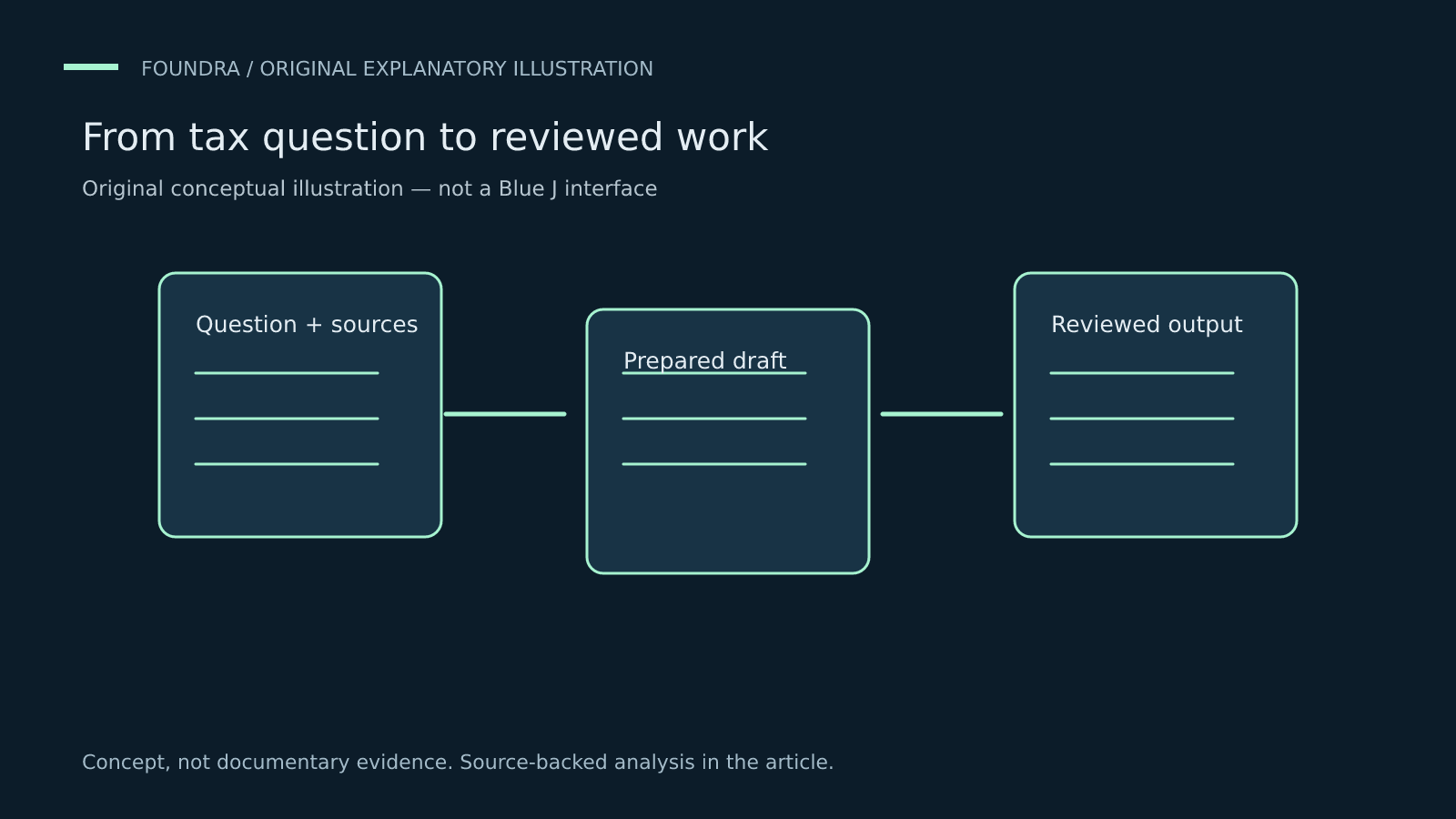
JMI Equity leads the Toronto company’s Series E. The harder product question is how an AI-generated answer becomes work a tax professional can review and own.
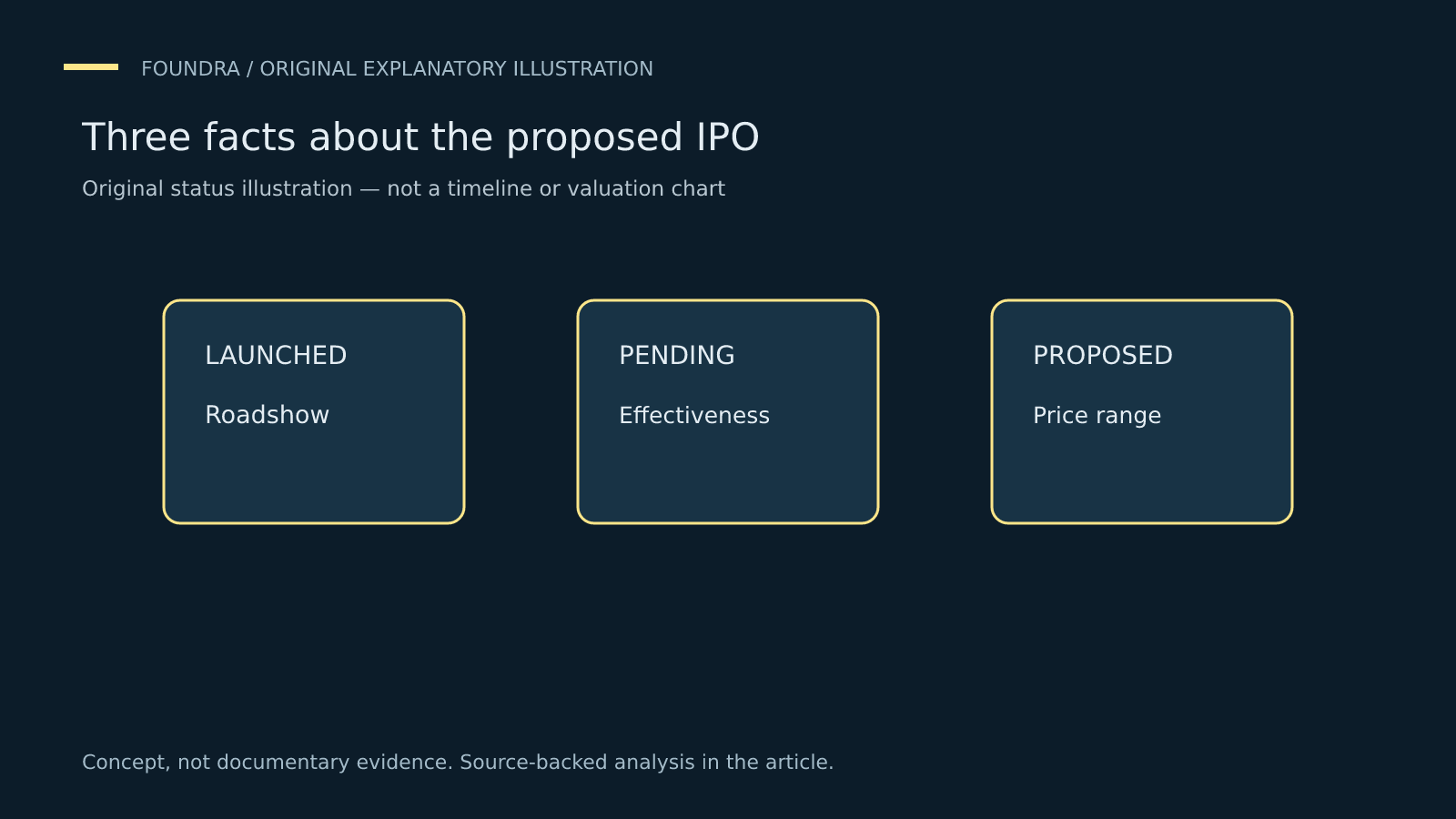
The company proposes 825 million shares at $70–$78 and has applied for the Nasdaq symbol ANT. A roadshow and price range are not a completed listing or capital raise.
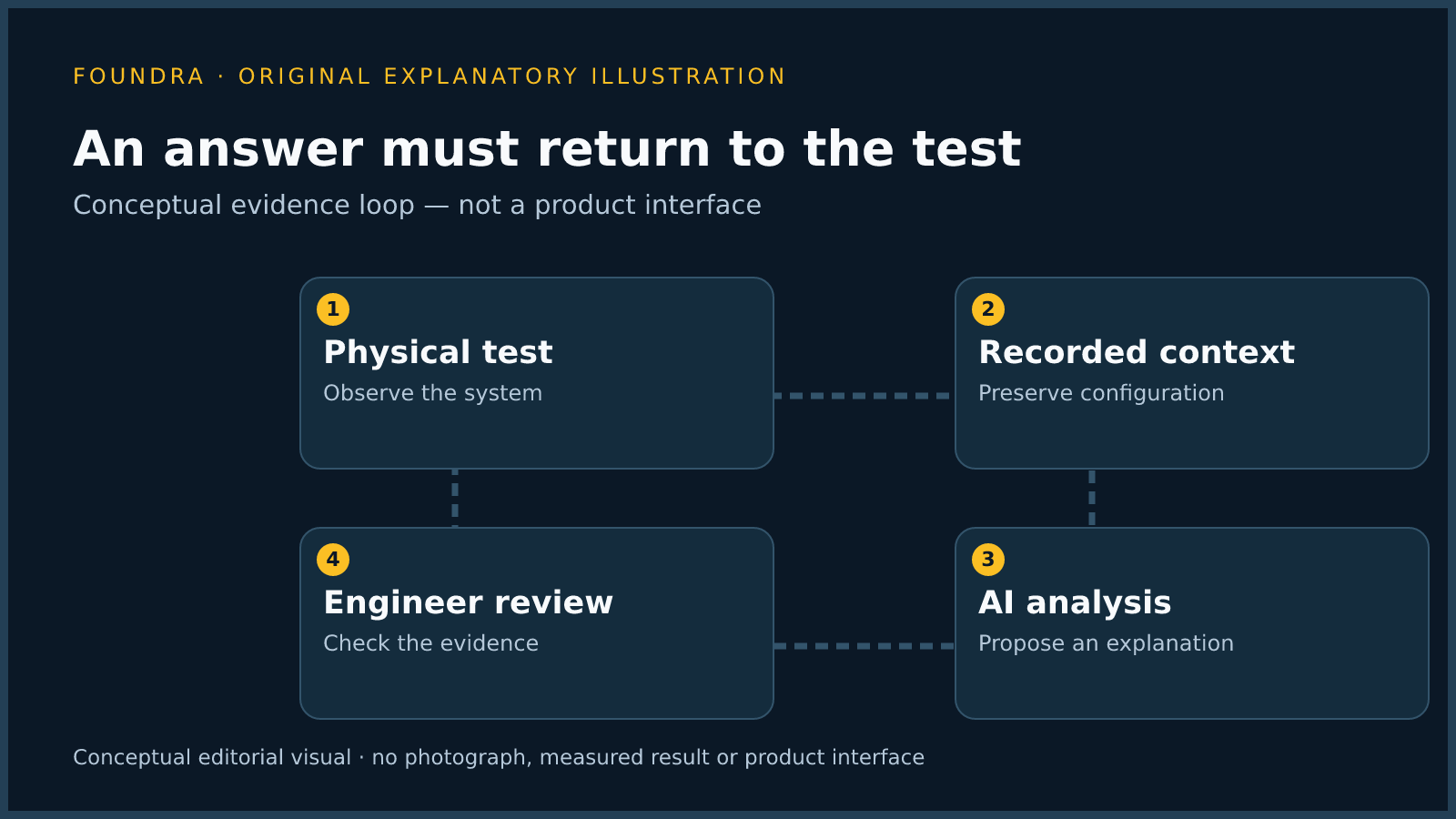
The hardware-software company announces a Series C at a $3 billion valuation. Its platform thesis links AI to physical tests and engineering evidence, where a plausible answer is not enough.
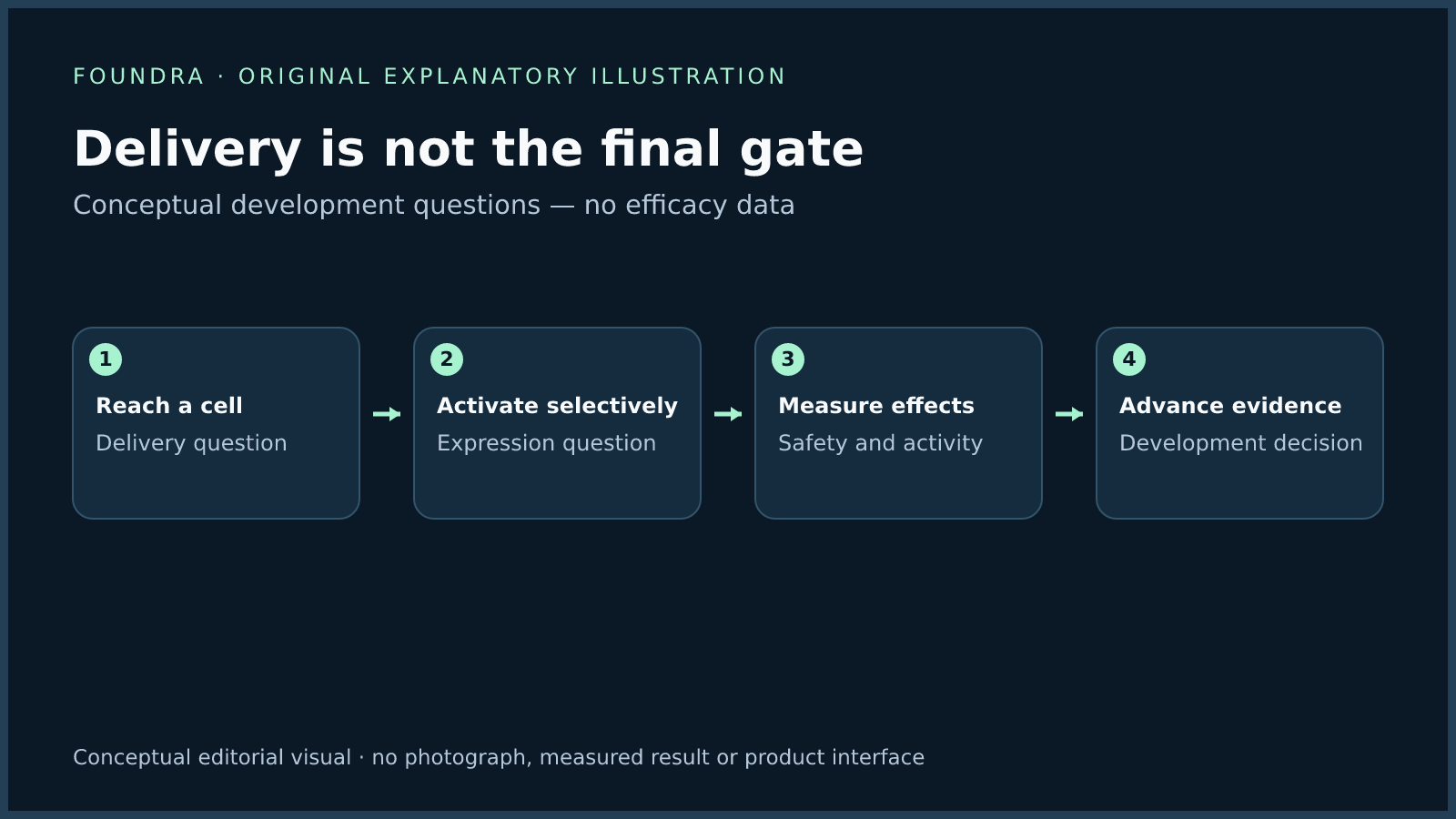
The German biotech reports an oversubscribed financing for preclinical development. Its central proposition is controlling where an RNA payload becomes active, a claim that still requires evidence.