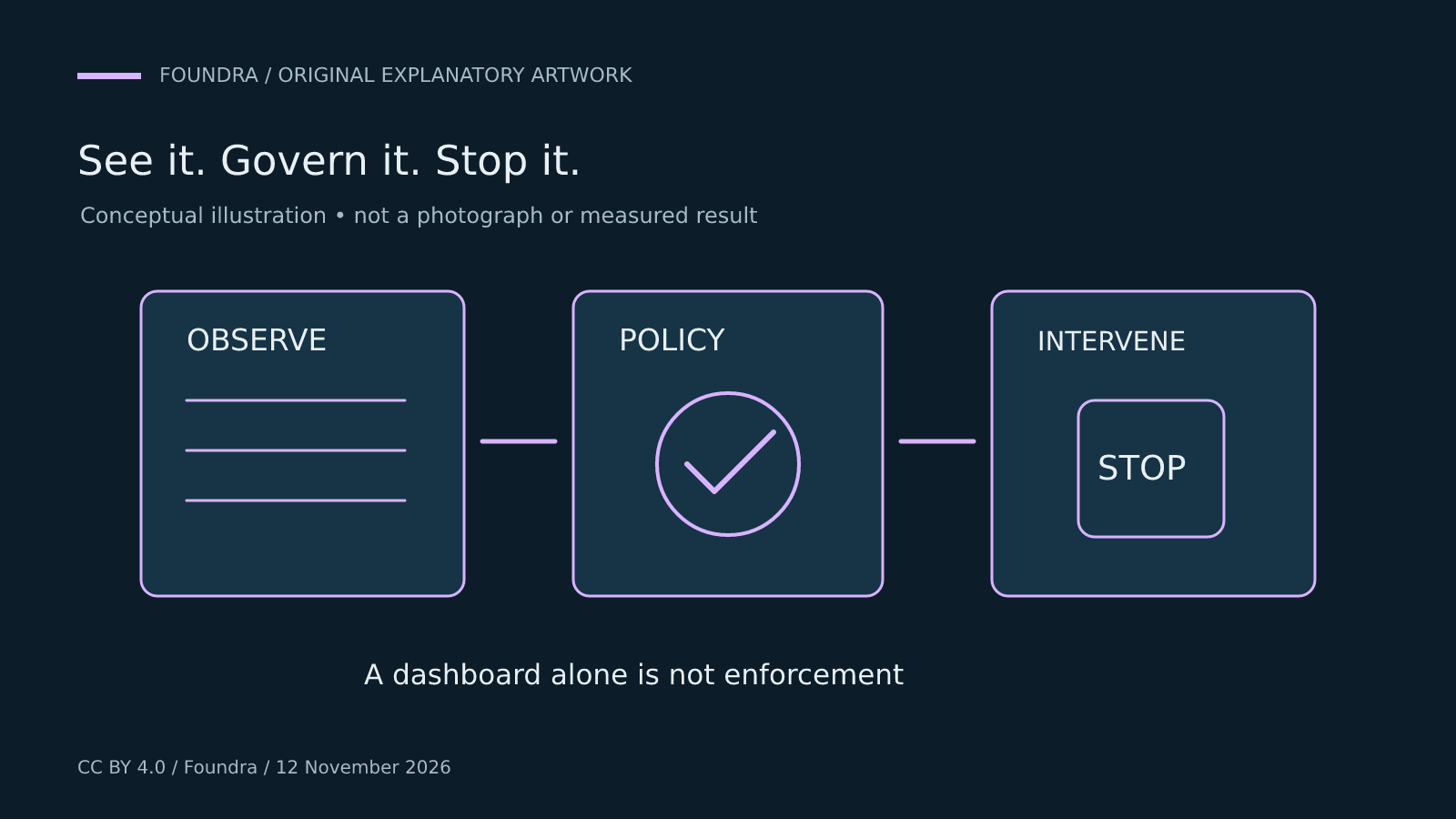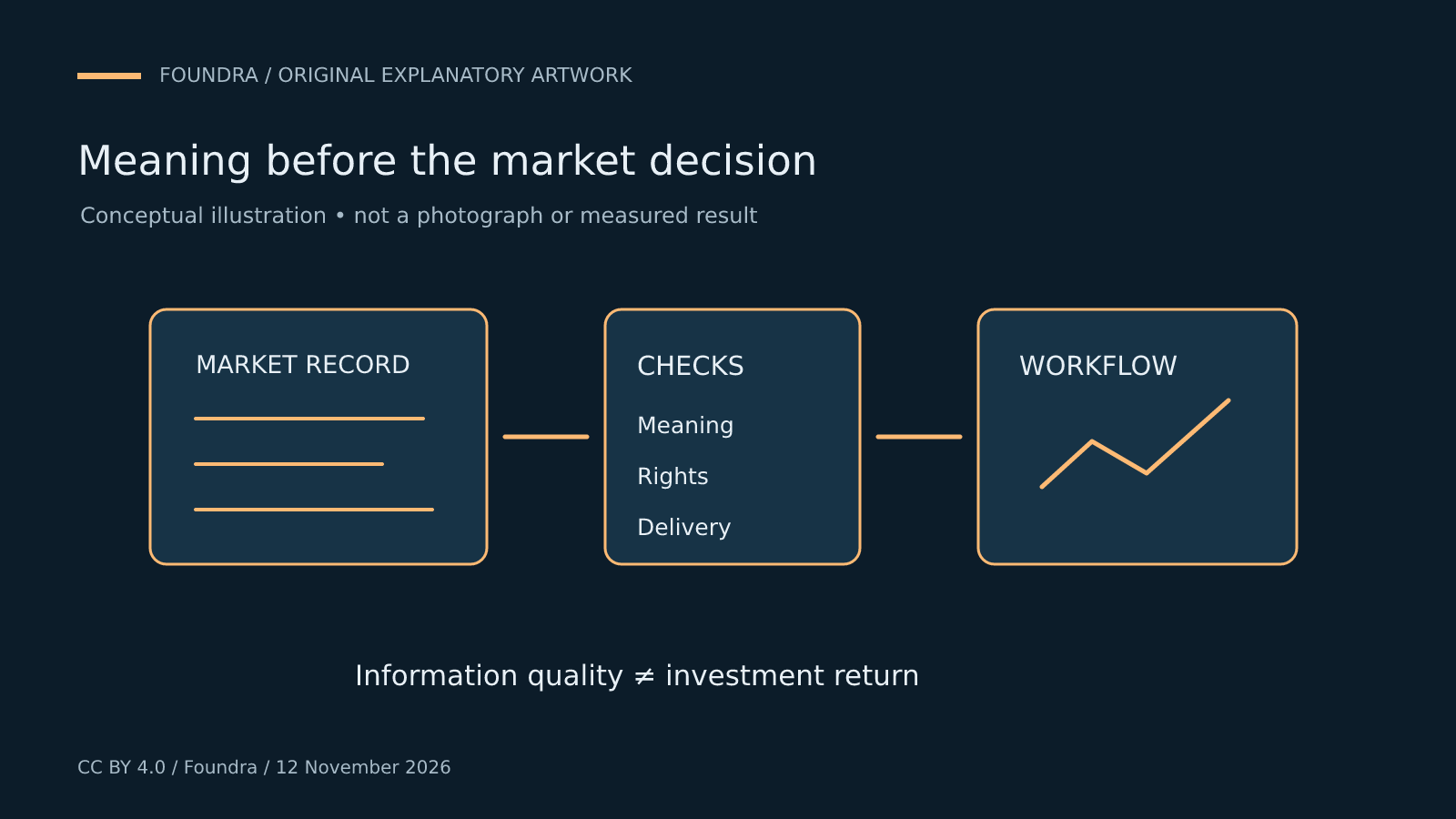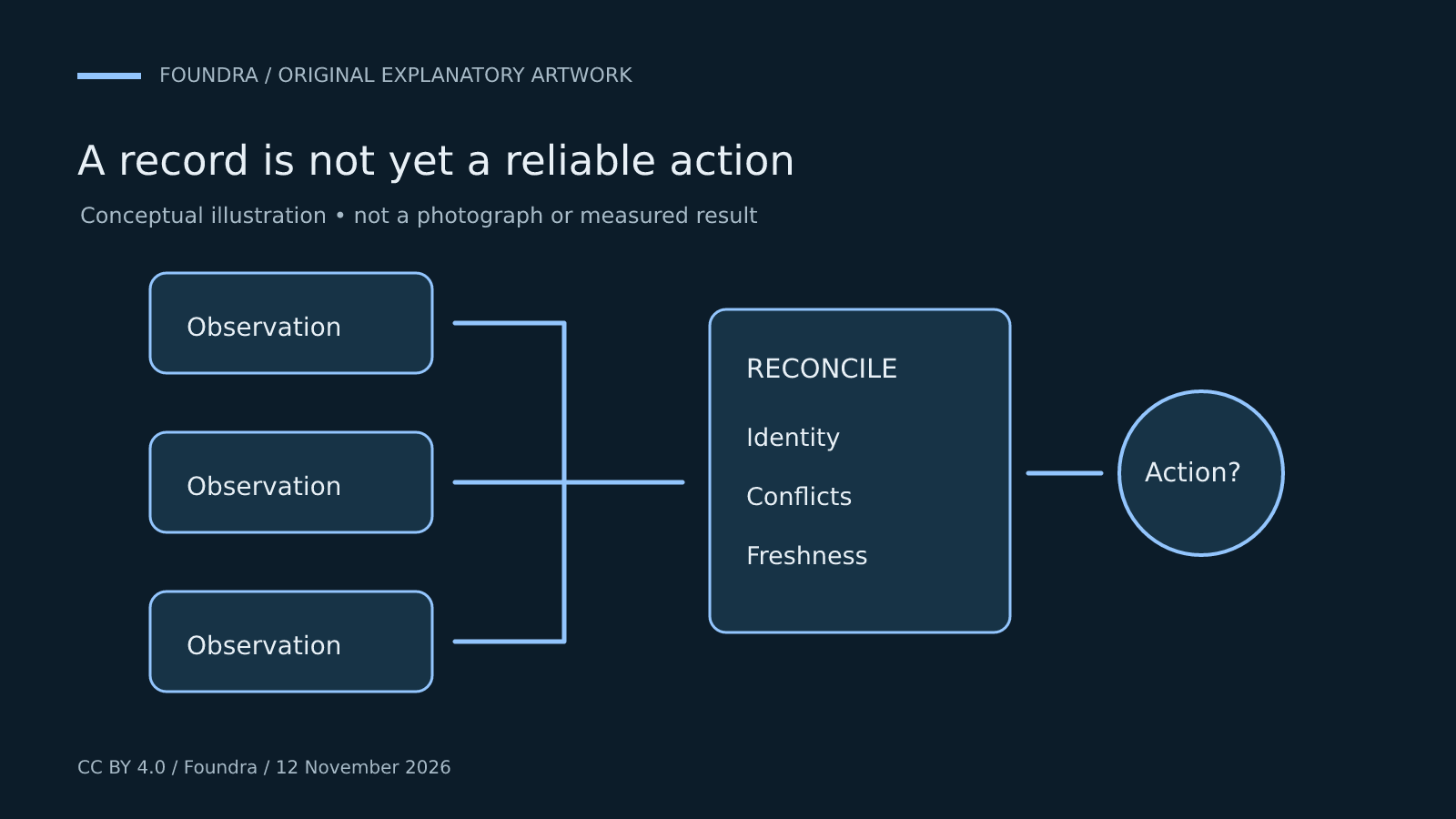
Planky announces new funding, not a new regulatory permission or a proven reduction in credit losses. Its proposed decisioning role needs to be assessed separately from its data-analysis capability.
The boundary between seeing and deciding
Planky’s new funding announcement is a statement about moving closer to financial decisions, not just making transaction records easier to read. BKN301 Group’s platform wants to become an AI decisioning layer for financial institutions. That changes the nature of the product it is asking customers to evaluate: a useful categorization of past activity is not the same thing as an accountable recommendation about what to do next.
On November 10, BKN301 Group’s Planky announced €6.9 million in new funding. Its official release names Innovation Global and funds managed by Azimut Investments S.A. as co-leads. It says the money will support a shift from Open Banking analytics toward a real-time AI decisioning layer for the financial industry, alongside expansion in the Middle East and other international markets.
The release presents the financing as secured funding, rather than an intention to begin raising money. It does not show that a lender’s losses have fallen, that approvals have become fairer or that an automated recommendation has been accepted by a regulator. Those would require different evidence. The immediate news is capital for a proposed product and geographic expansion, not proof of those outcomes.
The ownership context should remain separate too. The release identifies Planky as part of BKN301 Group; this financing announcement is not a new acquisition of Planky. Combining the two events would obscure what changed now: the resources available for a stated product direction, rather than the mere existence of the company within the group.
A useful interpretation can still be wrong
Consider a hypothetical applicant whose account includes repeated transfers from a family member. A transaction-classification system might group them consistently and make the history easier to inspect. A decisioning system would face another question: what, if anything, should that pattern mean for the application? Regularity alone does not establish the obligation, reliability or expected duration of the transfers. The example illustrates a design problem; it is not a reported Planky customer case.
For a financial institution, the resulting workflow should preserve a distinction between source records, inferred categories and policy choices. If those layers collapse into a single score, a reviewer can struggle to tell whether a disputed outcome arose from incomplete data, an interpretation error or a rule that the institution deliberately adopted. The ability to produce an answer quickly is useful only if the institution can understand the answer it receives.
Planky’s release identifies intended product work in areas including credit underwriting, financial decisioning, spending intelligence and prediction. These ambitions belong to the company. They should not be converted into a blanket claim that every financial judgment can be automated reliably. Different products can require different validation methods, especially when an output affects whether someone receives credit or on what terms.
A prospective buyer would therefore have reason to test ordinary cases and exceptions separately. Missing history, changing employment or unusual account movements can be more informative than a clean demonstration dataset. It would also be useful to know how an operator can correct a classification and whether that correction affects subsequent recommendations. These are practical evaluation questions, not findings from an examination of Planky’s software.
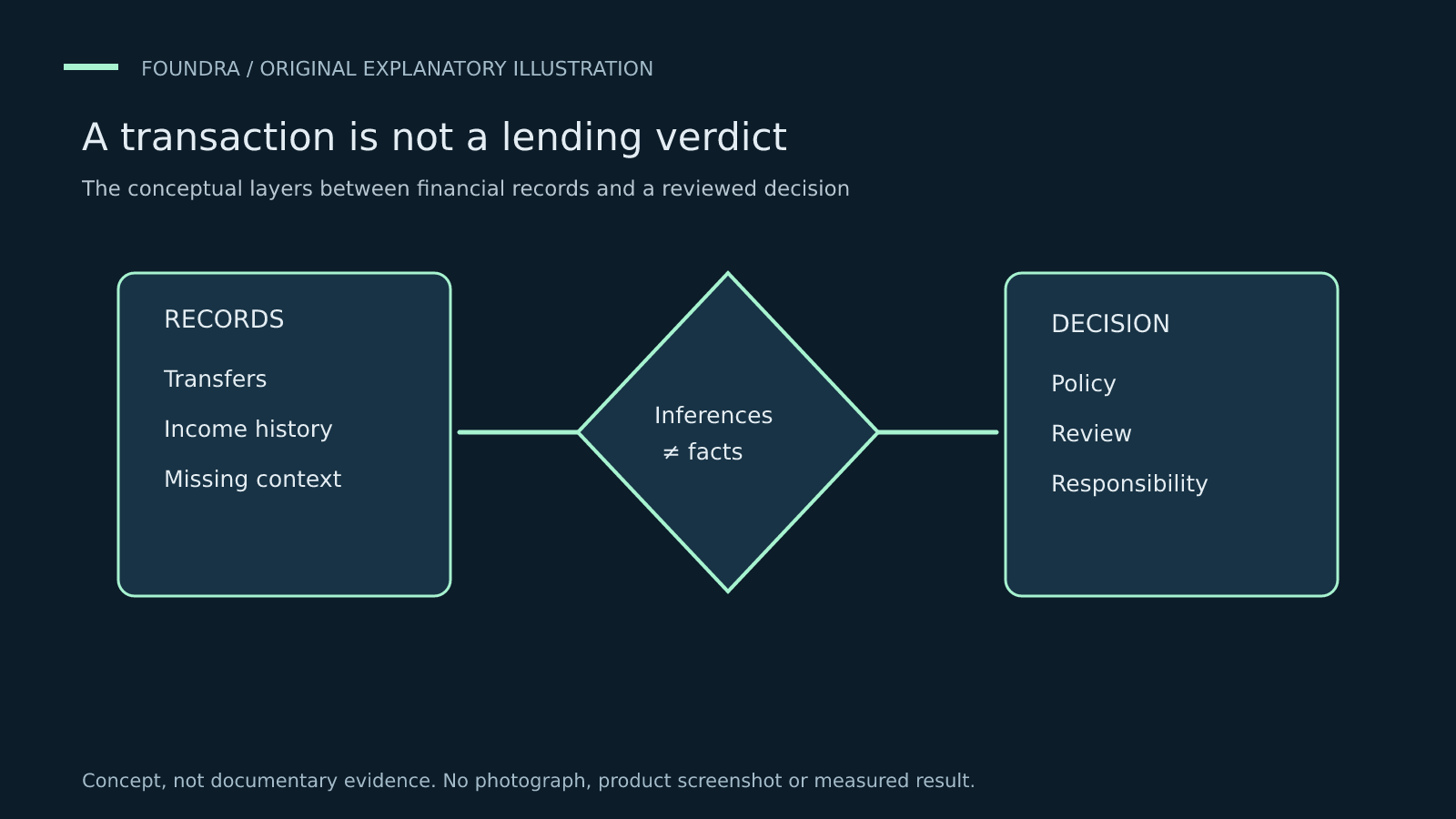
A transaction is not a lending verdict
Financial records
Establish what the records contain and where they came from.
Interpretation
Separate inferred patterns from directly observed facts.
Accountable decision
A lender must determine how recommendations are used.
Expansion is also a change in context
The stated international expansion adds another layer to the product challenge. A successful deployment in one setting does not automatically establish fitness in another. Financial products, available records and institutional policies can differ. This is a general implementation consideration, not an assertion about a particular country’s legal requirements or about permissions Planky currently holds.
The commercial attraction is understandable. If a provider can turn financial records into reusable, reviewable insights, customers may avoid rebuilding part of that interpretation layer themselves. But reuse should not mean concealing assumptions. A configurable product needs to make clear which assumptions belong to the provider, which belong to the customer and which are contingent on the quality of the incoming records.
The €6.9 million round gives Planky resources to pursue that more consequential role. The question for buyers is narrower than whether AI belongs in finance. It is whether a particular recommendation can be traced, challenged and used within an accountable decision process. The most valuable output may sometimes be a clear explanation of uncertainty, rather than a confident instruction to approve or reject.
Sources
- bkn301.com — November 10, 2026 ↗ bkn301.com — November 10, 2026 · Primary source
- EU-Startups — November 11, 2026 ↗ EU-Startups — November 11, 2026
Have additional information? Request a correction.