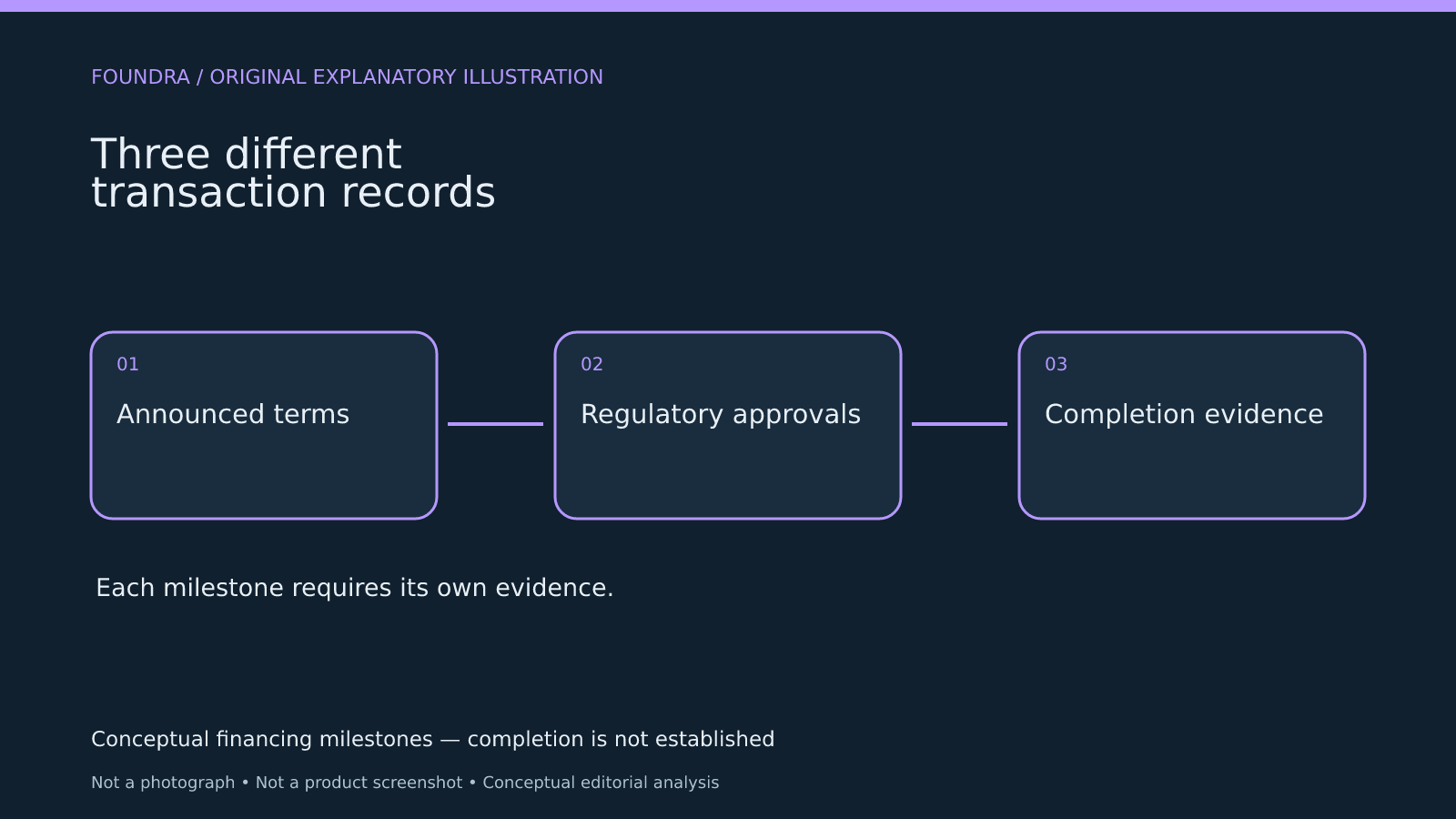
The company announces a $2 billion valuation and an all-equity round, but regulatory approvals remain outstanding. Here is what those terms establish—and what they do not.
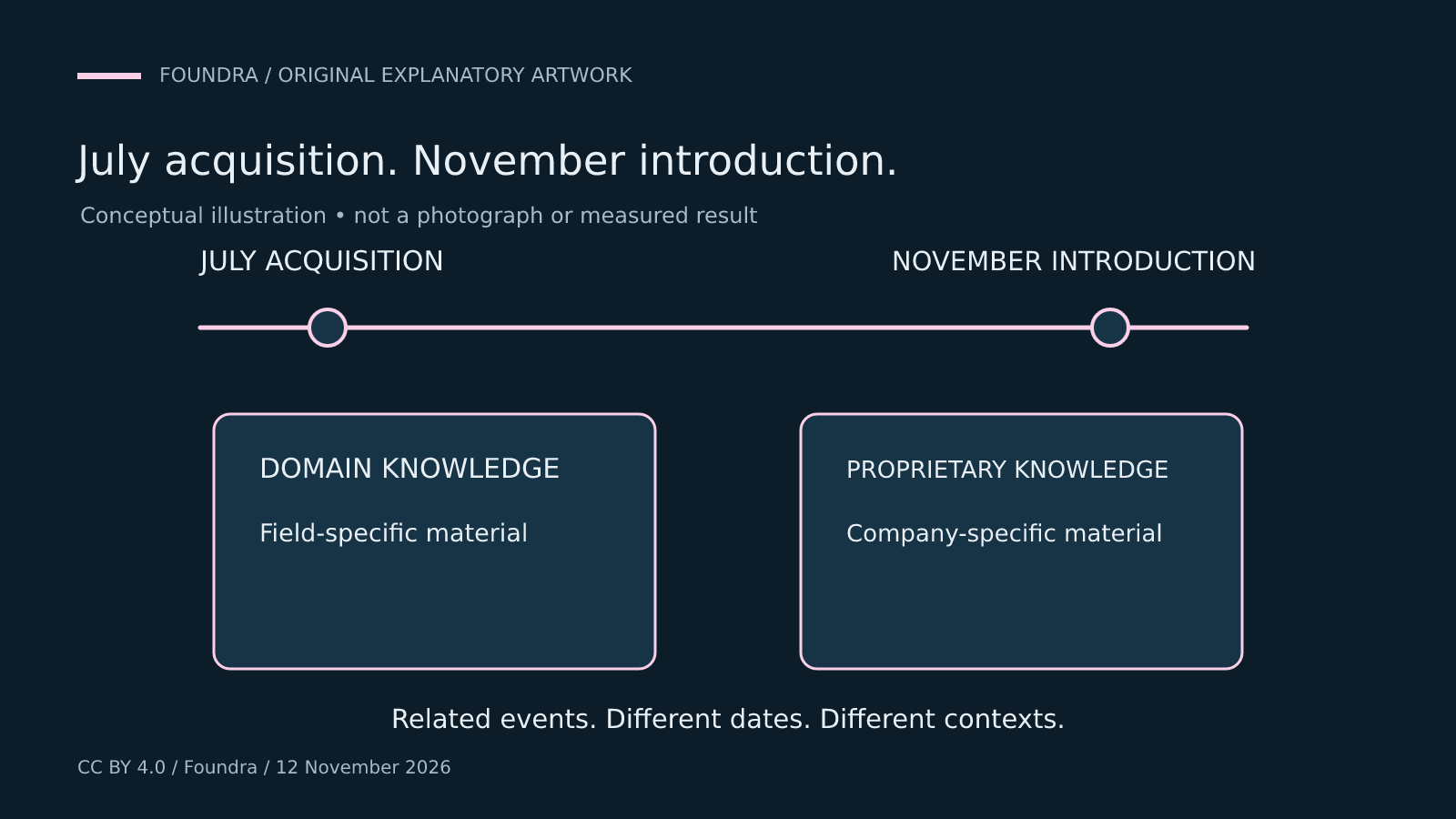
The November 12 launch introduces a knowledge-layer company within D71 Ventures. Its two-part product pairs domain material with company-specific knowledge; the earlier acquisition must not be presented as today’s transaction.
Sashikumar Sreedharan joins as president, chief business officer and board member. The important operational detail is the range of functions that Sarvam says he will oversee.
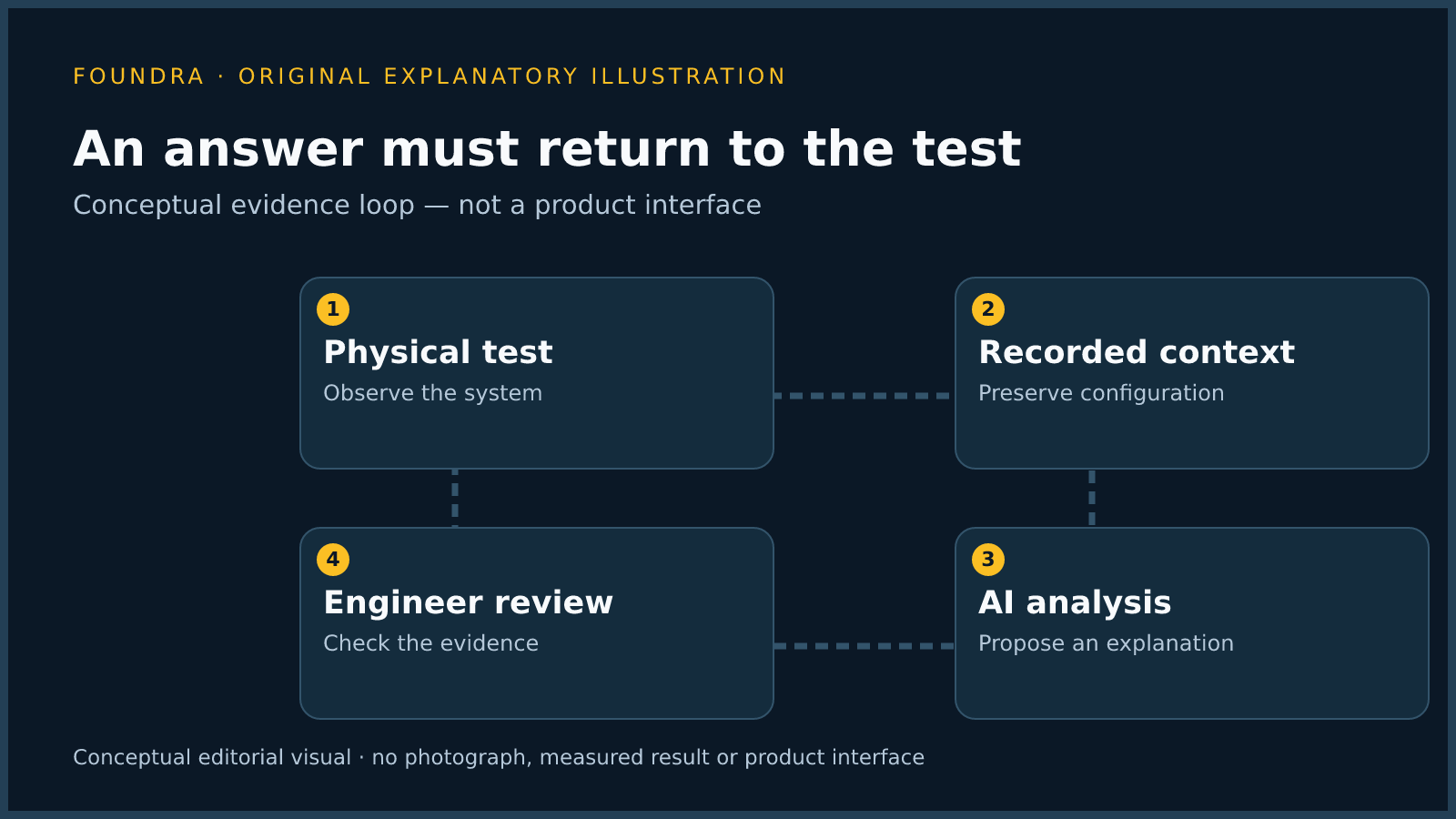
The hardware-software company announces a Series C at a $3 billion valuation. Its platform thesis links AI to physical tests and engineering evidence, where a plausible answer is not enough.
The company’s October 29 financing release and October 30 Canadian commitment update describe different flows of capital. The Series E target is not an amount confirmed closed, and the multi-year investment commitment should not be added to it.
New smart reports, surveys and shared group budgets are generally available, subject to configuration. The reports are intended for adoption planning—not employee performance decisions.
New ready-to-use artifacts cover work such as citation checking, contract playbooks and matter tracking. They package a first pass, not an independently verified legal conclusion.
Hex 4.0 moves beyond adding an agent to an existing workspace. Its harder proposition is preserving shared analytical context when the work happens elsewhere.
Frist Cressey Ventures leads the Seattle startup’s round. The distinction is between helping benefits teams work and authorizing a system to decide eligibility.
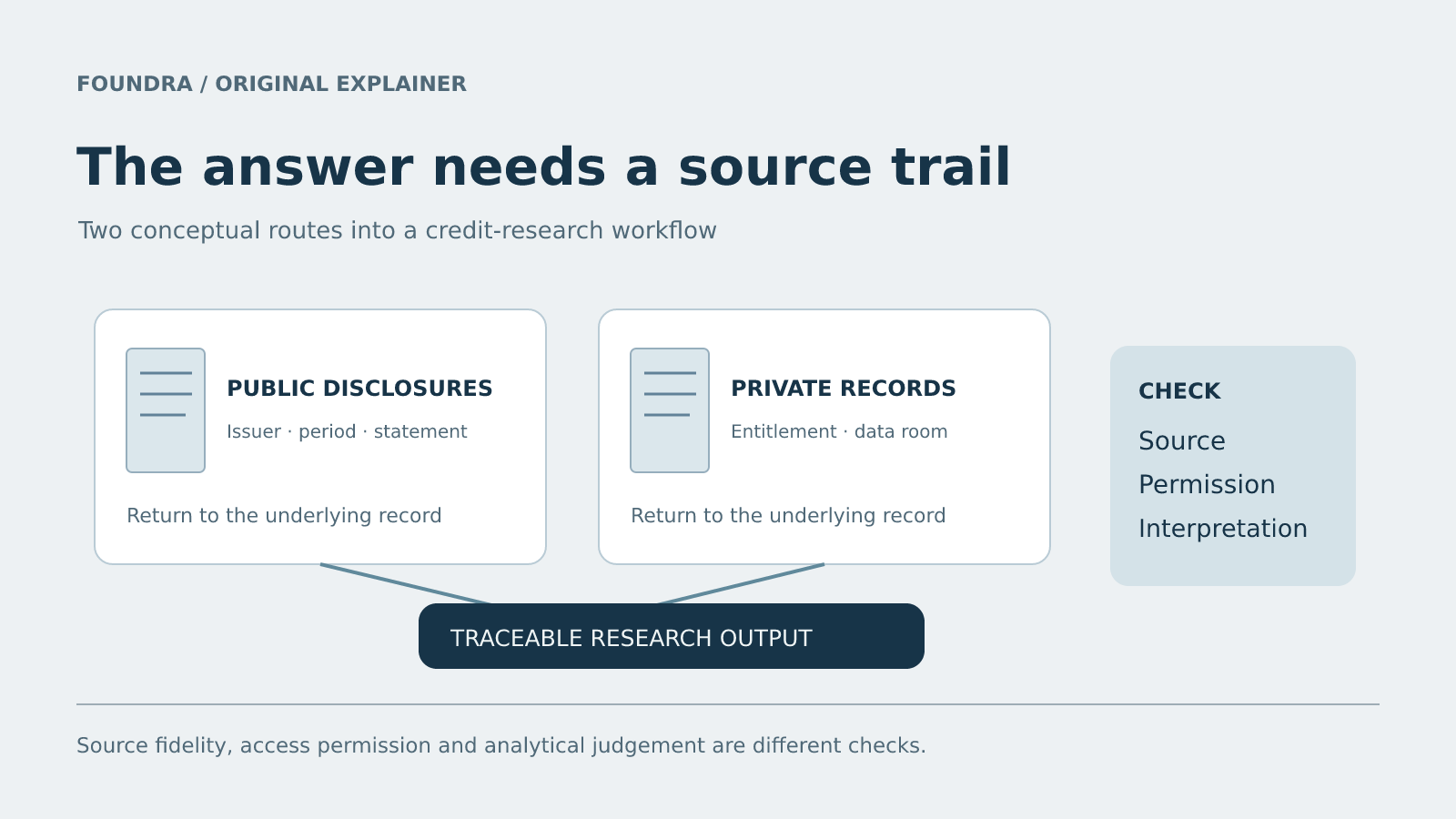
Summit Partners is leading a completed growth investment in the credit-data company. Its public-market tools and planned private-issuer expansion highlight two very different problems for financial AI: finding the evidence and having permission to use it.
The October 14 funding announcement describes Ambio as a supplier and transaction principal taking responsibility for quality assurance, not simply a procurement catalogue.
The proposed combination would create Cohere Cyber and expand the company’s Prague presence. It is not evidence of a completed acquisition or an invulnerable AI platform.
The $12.5 million Series A extension was completed in February, according to Fierce Healthcare. This week’s disclosure accompanies a broader administrative AI platform.
The India-based startup is beginning with enterprise-system testing. Its seed round makes the case for checking business outcomes, not merely whether software executes.
Balderton leads a round for software that coordinates people and AI agents. The company’s expansion plans begin with retailers and consumer-goods businesses.
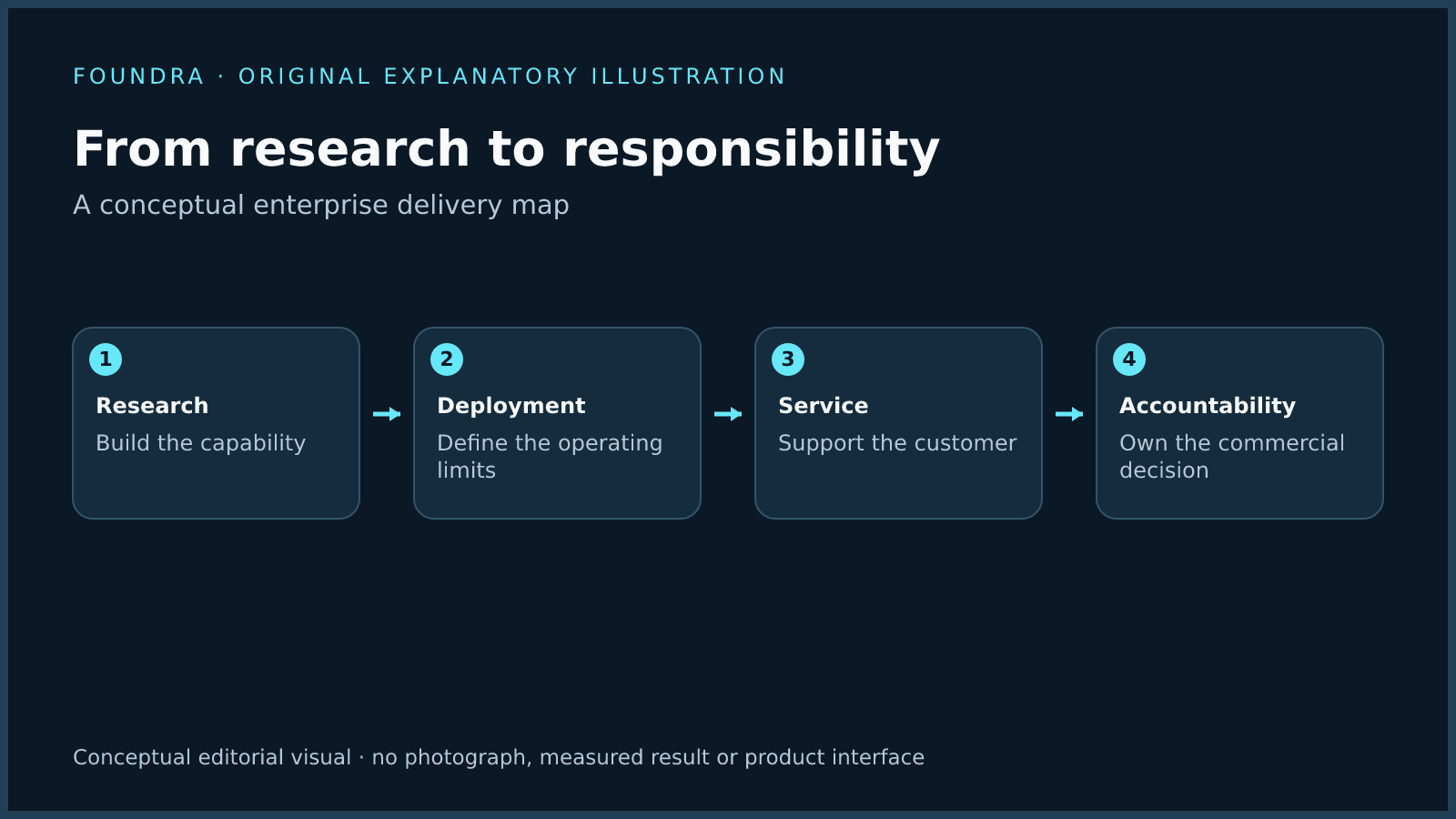
The Singapore startup combines an AI stack with engineers working alongside customers. The question is whether the resulting capability stays with the enterprise.
A dedicated business unit and planned software integrations target enterprise adoption. Permissions, exceptions and evidence of completed work will determine what the partnership delivers.
The Swiss startup is building tariff and regulatory analysis software. The business case depends on turning a suggested saving into a defensible transaction.