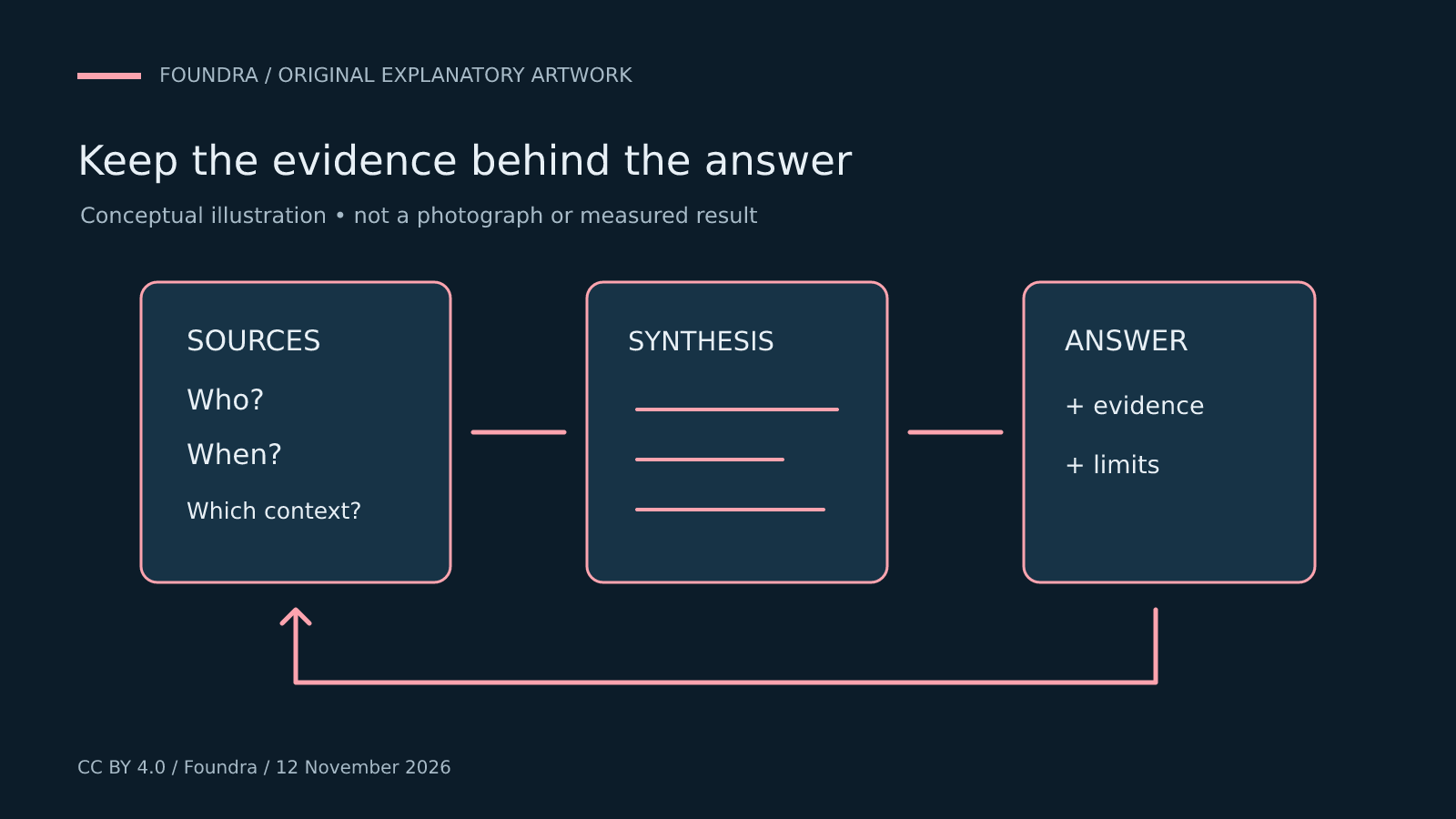
Financial research tools should preserve who said what, when and in which context—not just produce a fluent combined answer.
Another source enters the research workspace
GLG and Rogo announced a partnership on November 12 that brings GLG’s Expert Content Library into Rogo alongside a mutual client’s own call transcript history. The release describes access to attributed transcripts from moderated interviews, events and roundtables, within the AI platform’s financial-research workflows.
The stated audience includes investment and commercial bankers, sell-side analysts, private equity investors and corporate development teams. The integration is described as available to mutual clients, not as a public release of the underlying library. This article does not reproduce GLG transcripts or imply that readers gain access through the announcement.
The source supports reporting a partnership and a content integration. It does not establish that the combination produces better investment returns, that every generated answer cites accurately or that expert commentary independently validates an investment proposition. Those are different claims requiring different evidence.
The development is useful to examine because it moves a familiar research input into a place where several sources can be searched and synthesised together. That can change the research process without changing the status of the underlying statements.
Attribution does more than name a speaker
An expert transcript records an account or opinion in a particular setting. The speaker may offer knowledge, estimates, interpretation or speculation. A research tool should not flatten all of those into the same category simply because they appear in a searchable library.
In a hypothetical diligence workflow, one interview might describe conditions at a particular date while another discusses a different period. Combining the two can be informative if the distinction remains visible. It can also create a misleading impression if timing and scope are lost. This example is not drawn from GLG’s private content or from a tested Rogo answer.
A useful synthesis needs to let the analyst return to the statement and understand why it was included. Speaker attribution, date and relevant surrounding context are part of that task. A reference should support the particular point being made, not merely link to a large body of material containing a vaguely related passage.
The partnership’s release emphasises attributed content. That is relevant to the proposition, but it is not a newsroom audit of the platform’s citation behaviour. We have not accessed client libraries, inspected generated research outputs or tested whether the integration consistently preserves those distinctions.
A research answer must retain the evidence trail
Retrieve
Identify the relevant internal or licensed external material.
Interpret
Keep date, speaker, scope and uncertainty visible.
Check
Return to the supporting statement before relying on a conclusion.
Internal and external research need boundaries
The integration is described as combining GLG’s library with a firm’s own call history, internal data and investment research. Such a workspace brings different sources under one interface, but it does not make their access permissions or evidential weight identical. A user’s ability to retrieve information should reflect the terms and controls applicable to that material.
For a prospective client, appropriate questions would include which content is available to which users, how source boundaries appear in a result and whether the final research artefact preserves necessary attribution. These are diligence questions, not allegations that either partner has failed to protect information.
Expert insight can usefully challenge an analyst’s initial view. It can also remain a perspective that requires checking against other evidence. An AI summary should not convert the confidence of the speaker into certainty about the world. The analyst remains responsible for distinguishing a reported observation from an interpretation or forecast.
The release gives examples of research uses, including getting up to speed on companies and cross-referencing diligence calls. Those examples describe intended workflows. They do not establish faster completion times or improved investment decisions, and this edition makes neither promise.
The partnership’s immediate significance is access: another body of research can be brought into the workspace where financial professionals already ask questions. Its more demanding test is whether that access makes evidence easier to examine rather than merely easier to compress. A useful answer should leave the reader better able to inspect the sources, not more dependent on the fluency of the synthesis.
Sources
- GLG — original Rogo partnership announcement via PR Newswire ↗ GLG — original Rogo partnership announcement via PR Newswire · Primary source
Have additional information? Request a correction.