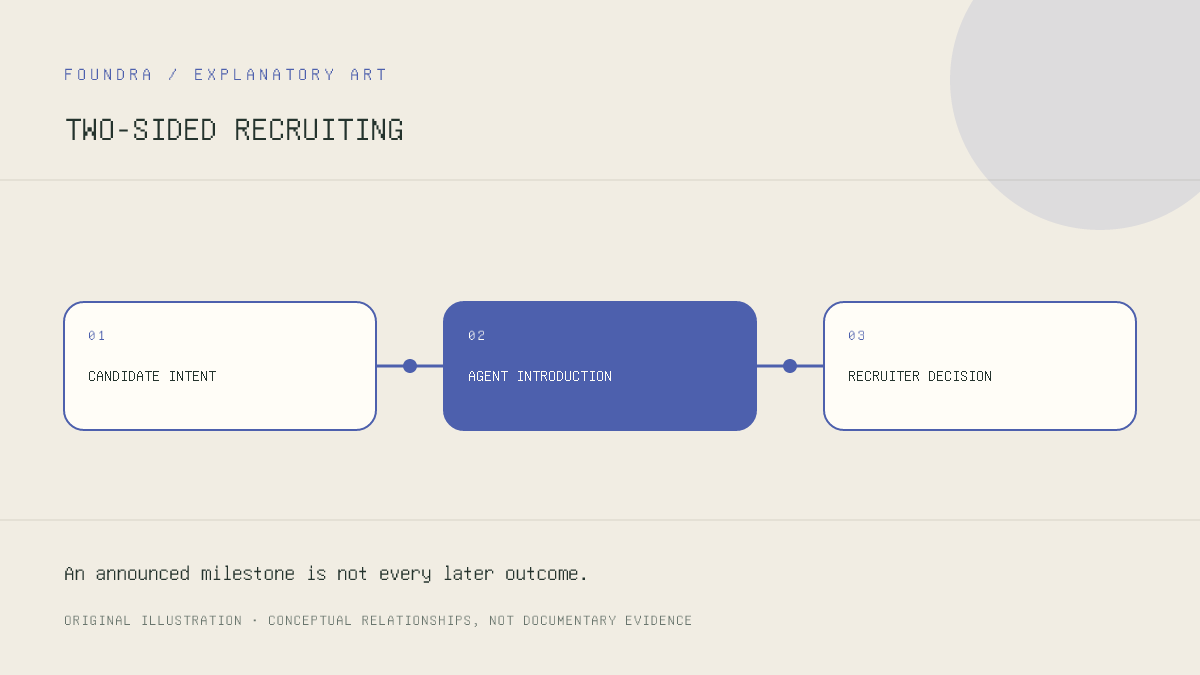
The hackajob-derived product promises to represent candidates and recruiters. Its company-announced growth figures do not establish the quality or fairness of every hiring decision.
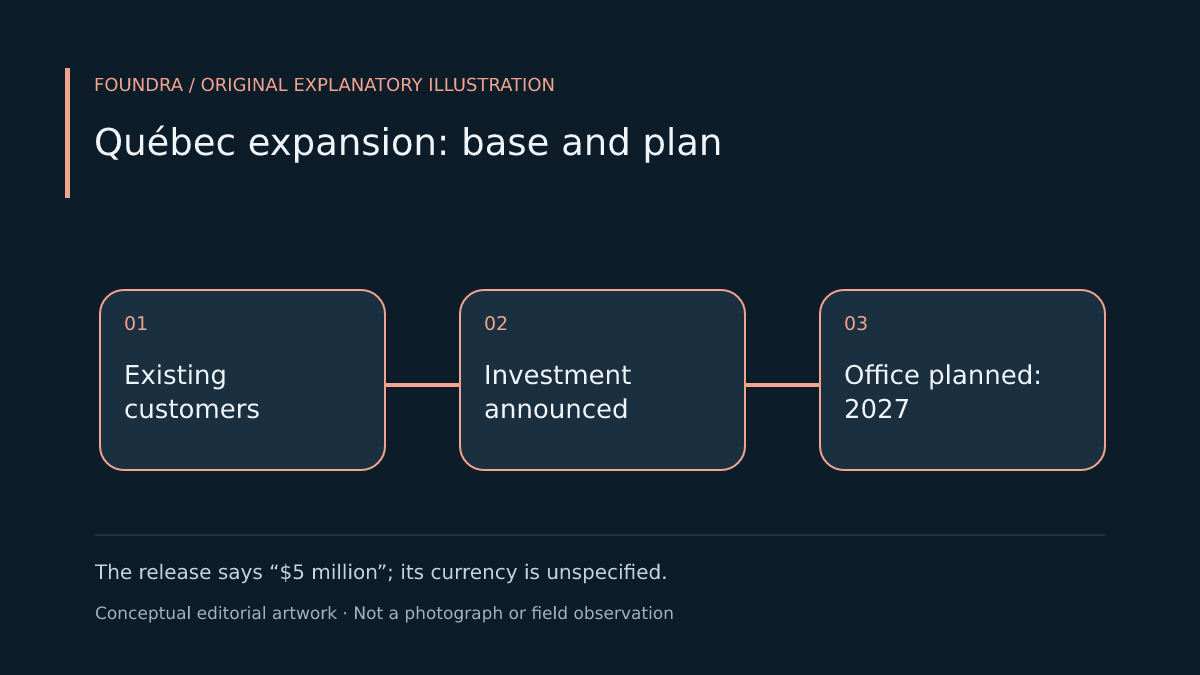
The company announces a “$5 million” regional investment without specifying the currency in the reviewed release. Local recruitment and the office remain plans.
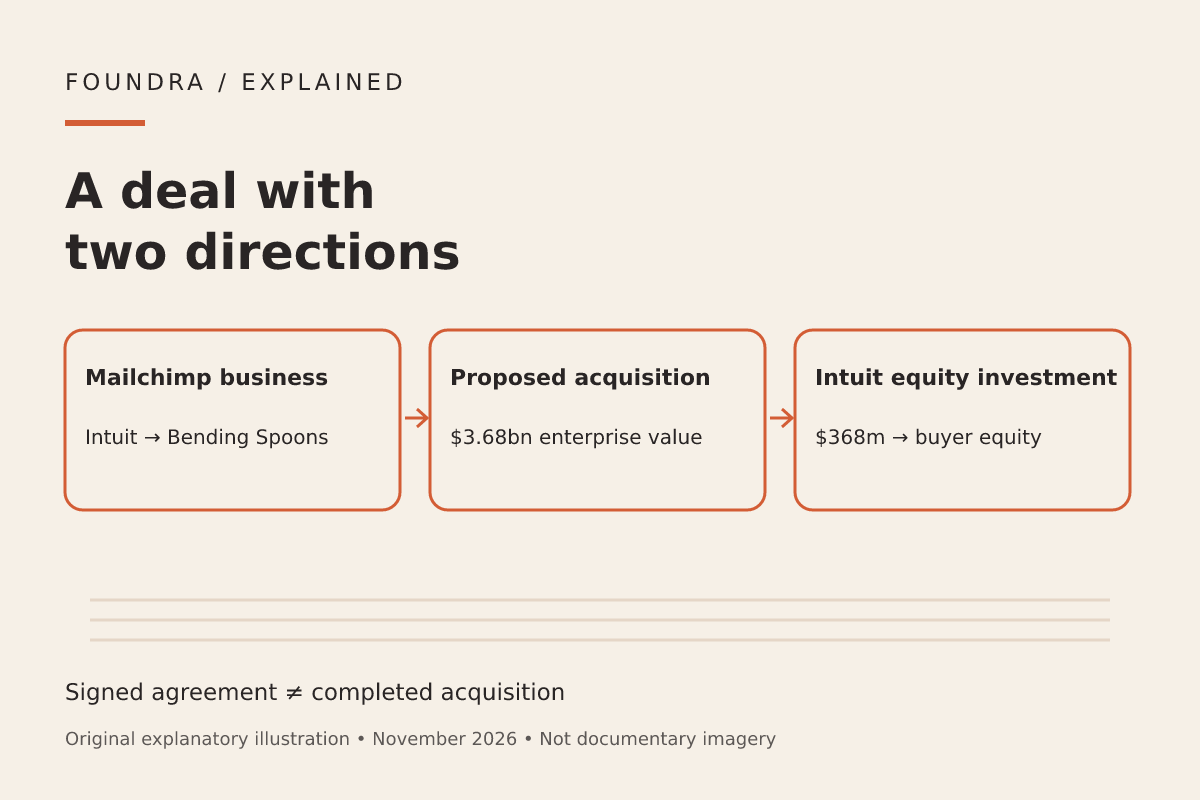
Bending Spoons expects to acquire the email platform in early 2027. Intuit would put $368 million of the proceeds back into the buyer’s equity—a detail that changes how the package should be read.
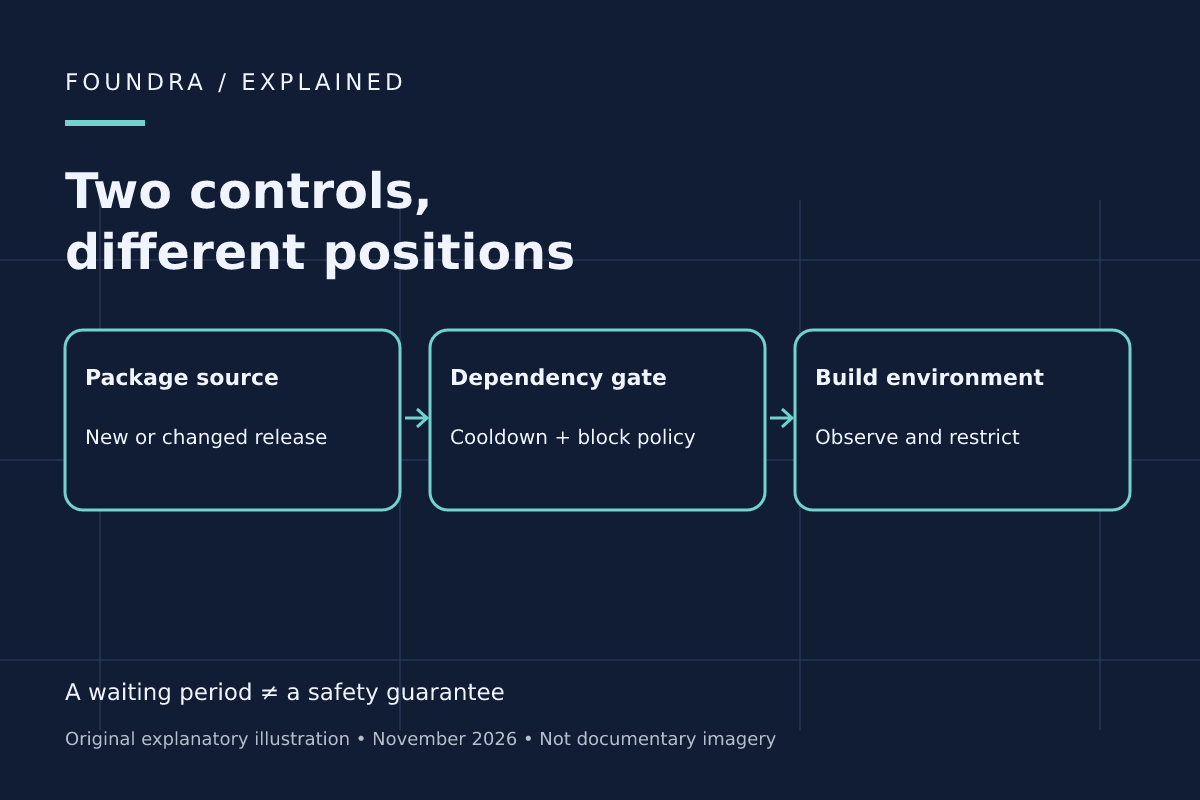
The company’s Series A and free registry tier focus on developer machines, dependency downloads and build pipelines. A package waiting period is one control—not a guarantee that a later release is safe.
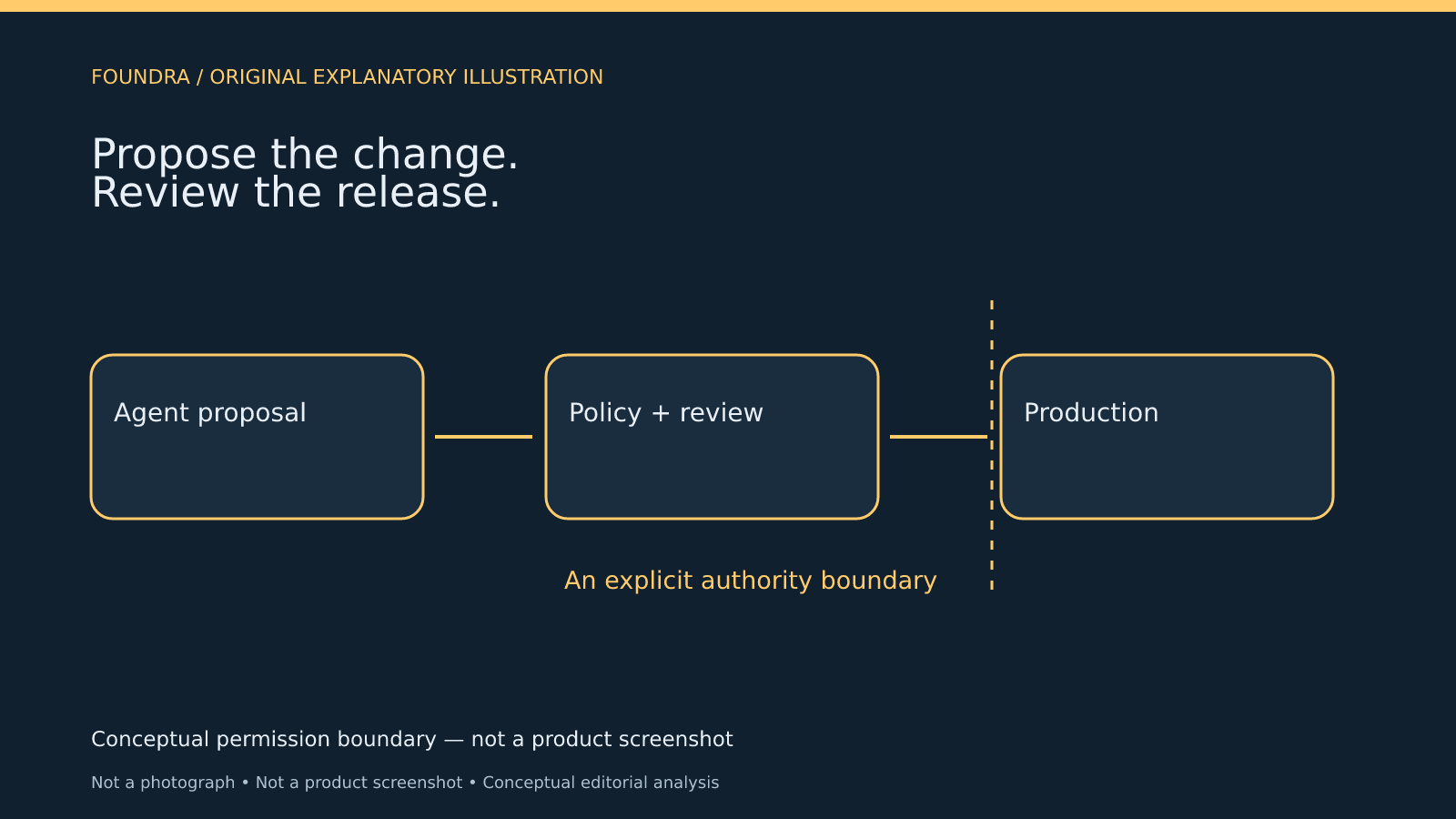
Delivery and Agents extend the platform beyond infrastructure definitions. The product examination starts with what a pipeline represents—and where operational events return to code.
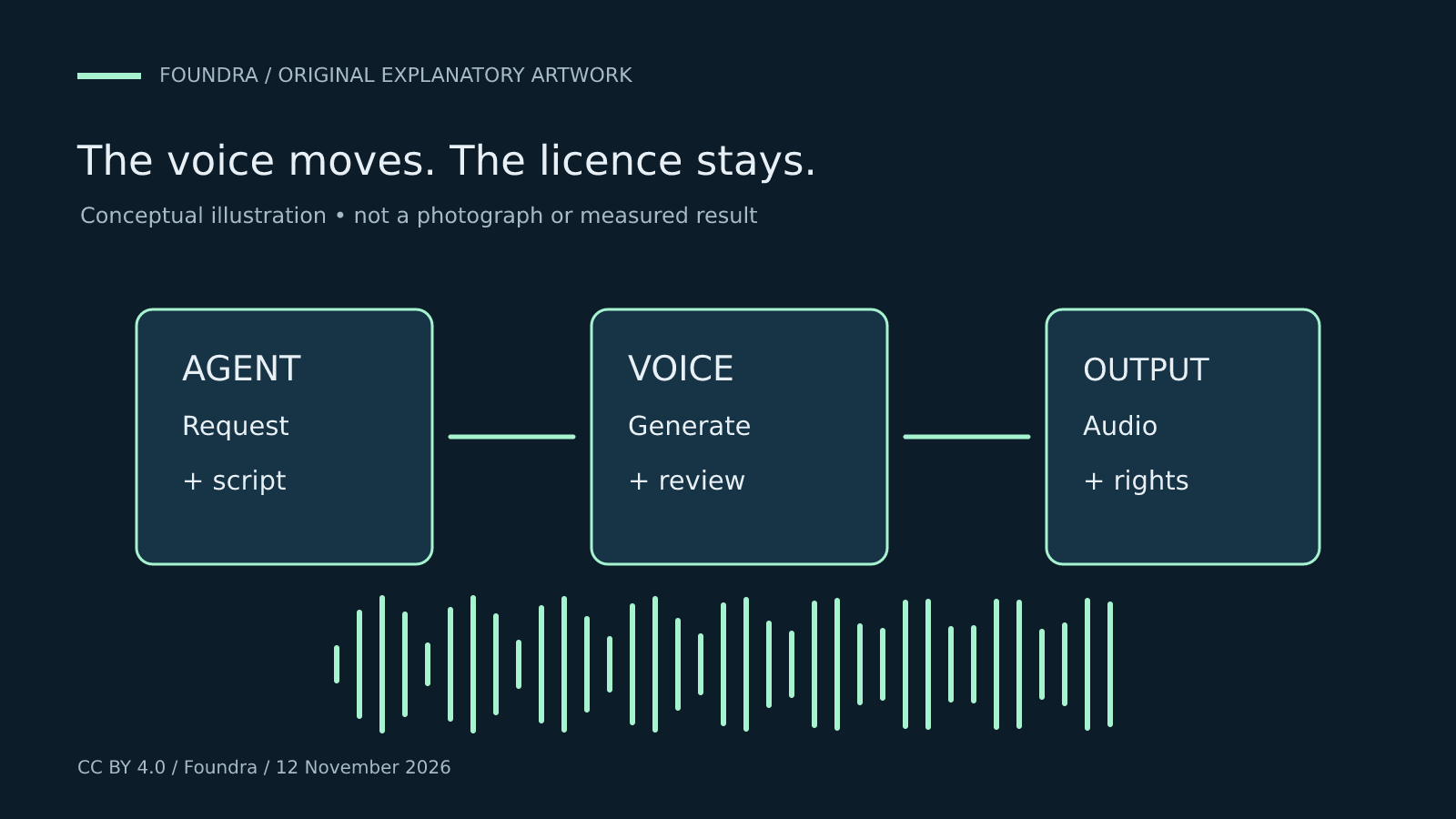
Producer launched on November 10, not on the date of a later news report. Its MCP-based approach separates the production interface from the audio service while keeping actor licensing central to the company’s pitch.
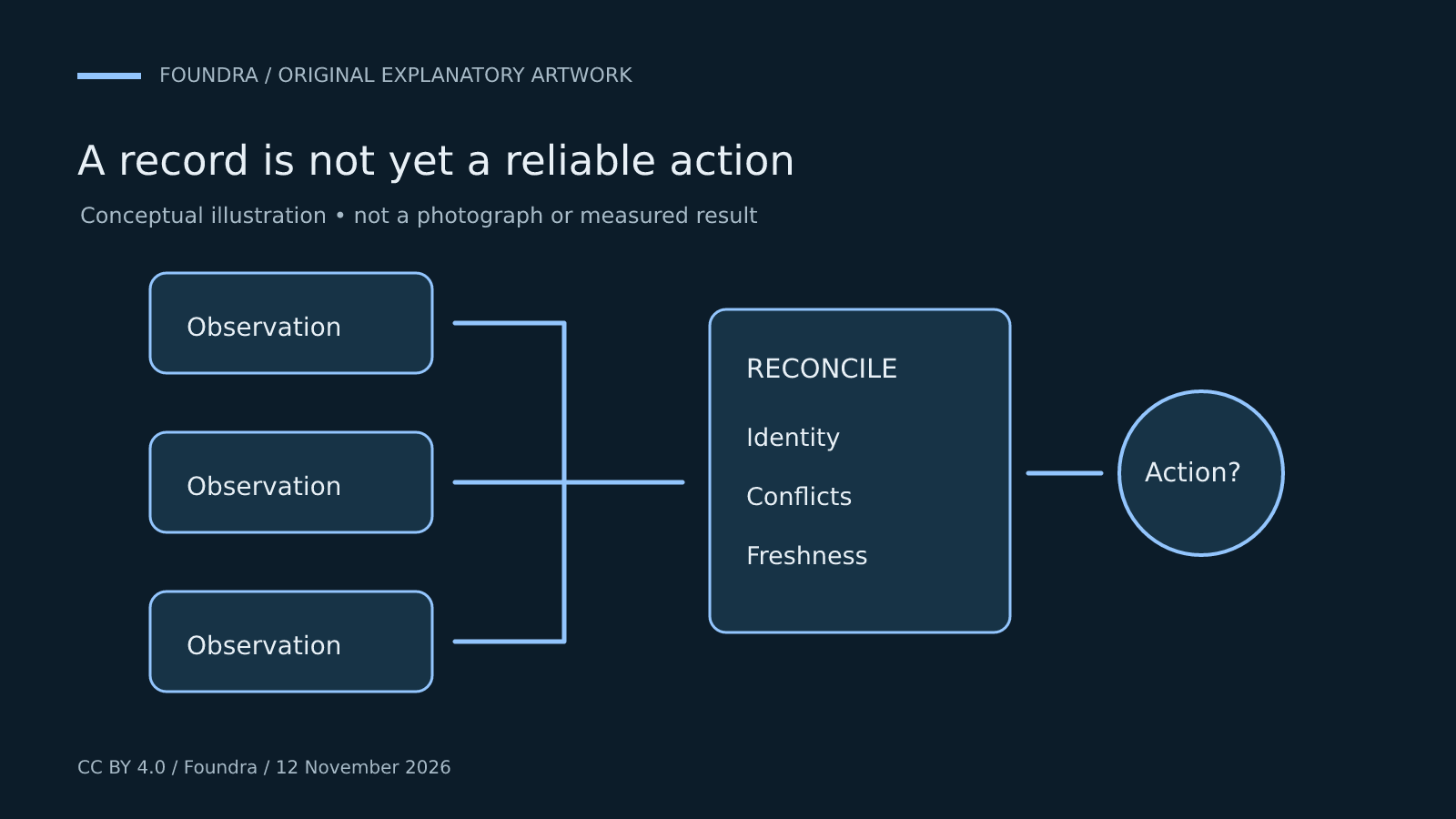
The new product brings discovery and reconciliation into the service-management platform. Its premise is sensible; whether a particular organisation gets trustworthy records depends on coverage, rules and exception handling.
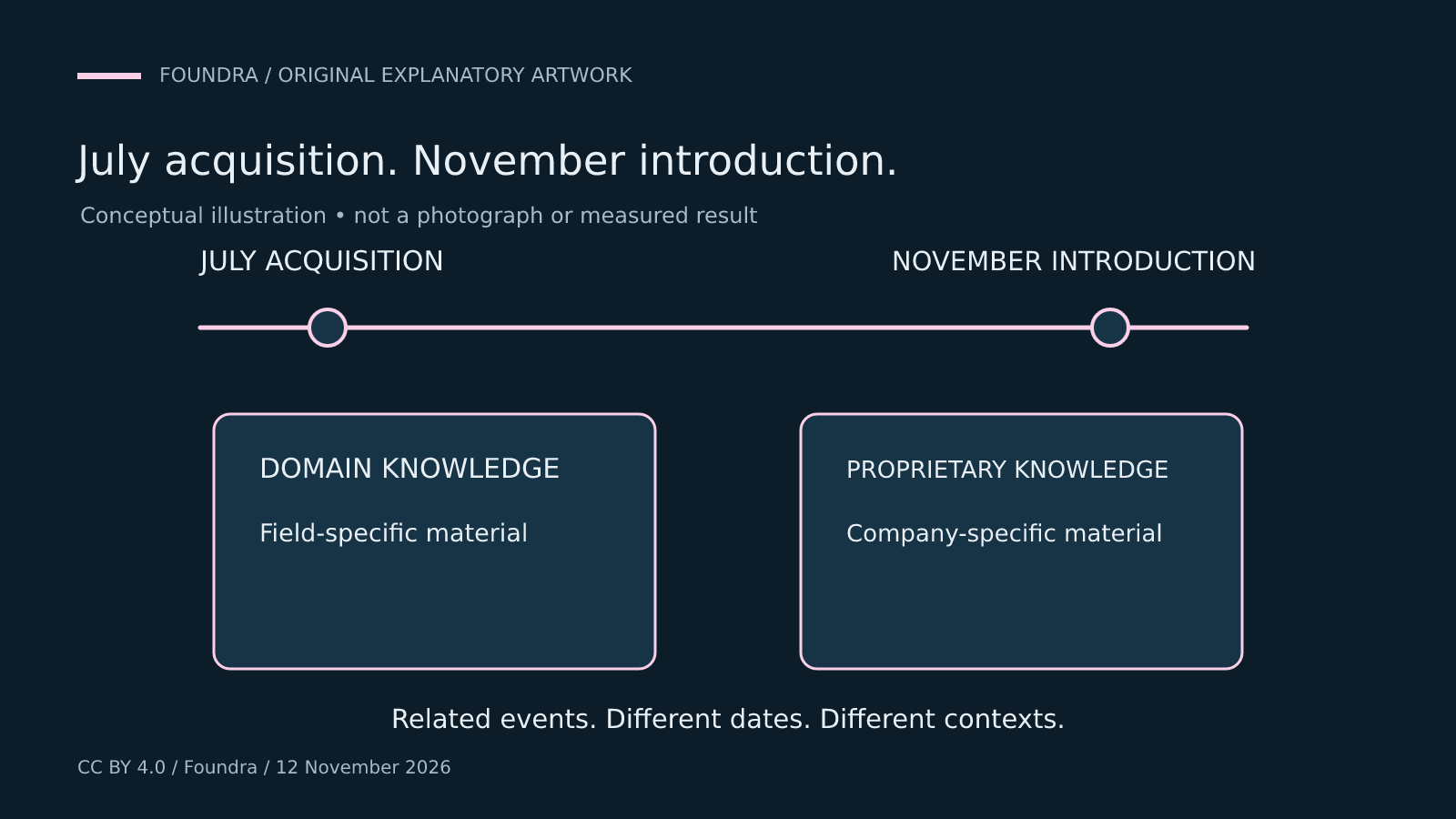
The November 12 launch introduces a knowledge-layer company within D71 Ventures. Its two-part product pairs domain material with company-specific knowledge; the earlier acquisition must not be presented as today’s transaction.
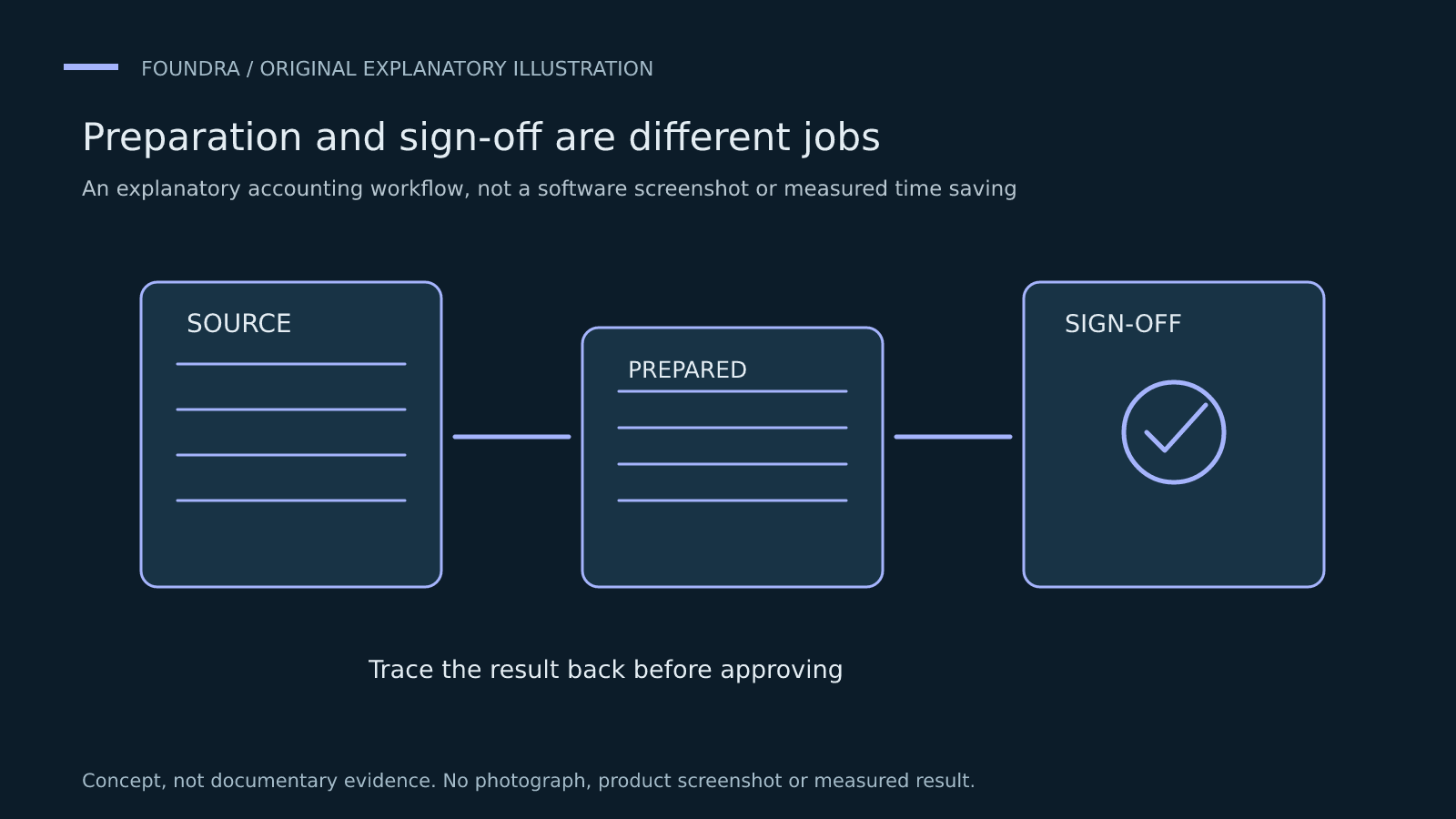
The startup’s seed round backs an AI workflow layer over existing ledgers. Its human-signoff proposition makes review quality, not just preparation speed, central to the product.
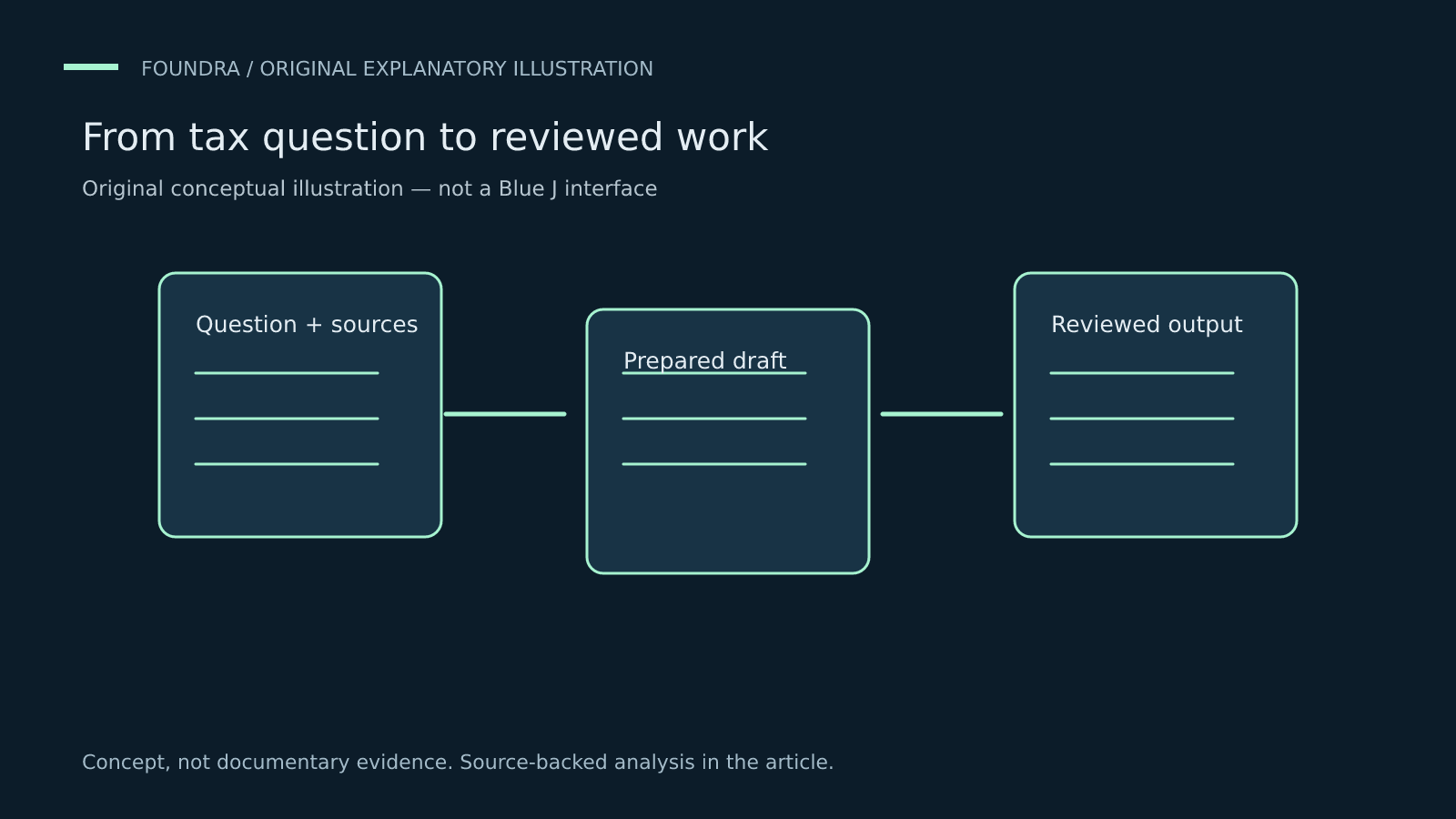
JMI Equity leads the Toronto company’s Series E. The harder product question is how an AI-generated answer becomes work a tax professional can review and own.
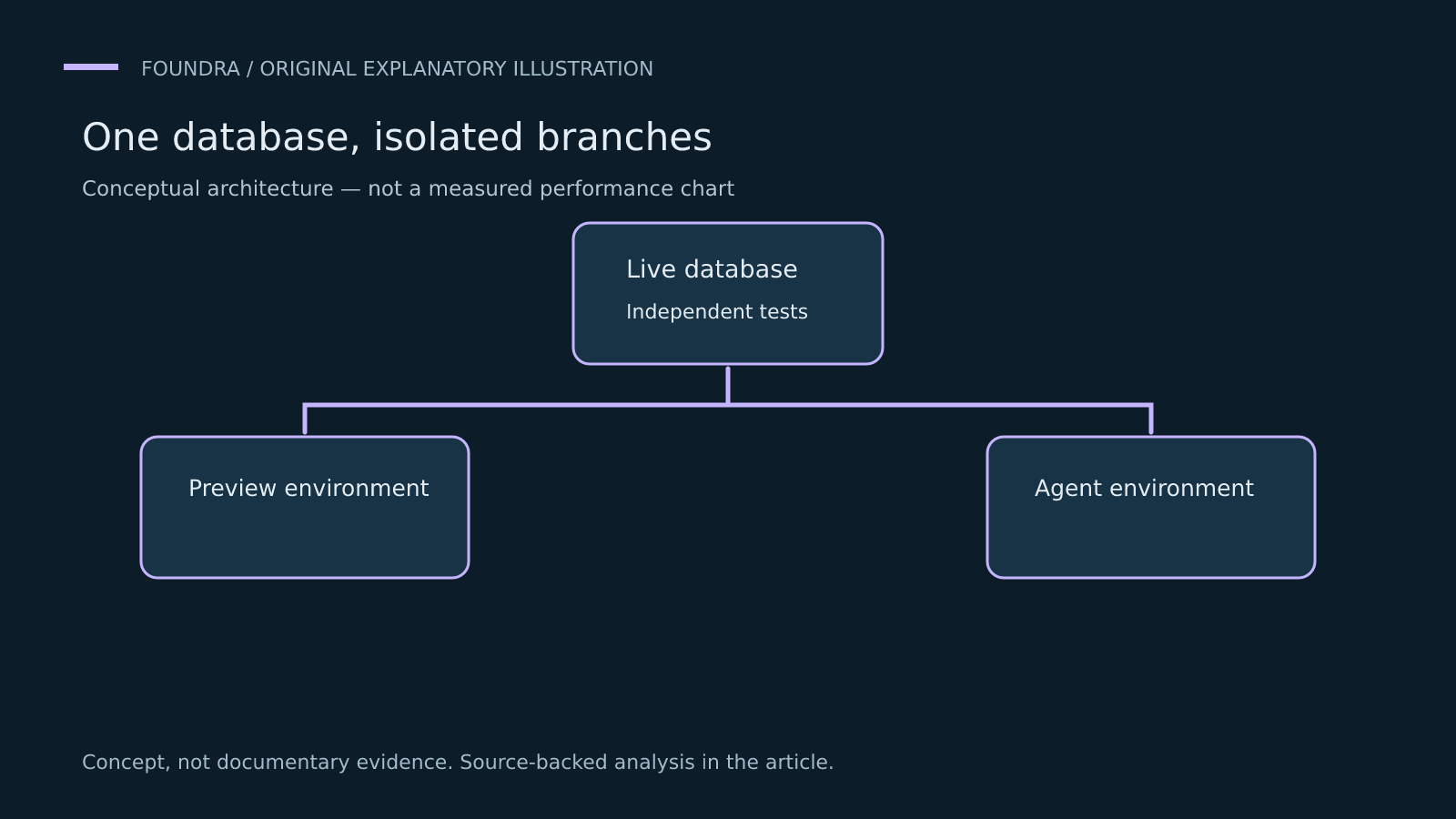
Managed Postgres reaches general availability as the companies outline branching and migration plans. The integration is a roadmap, not a finished feature bundle.
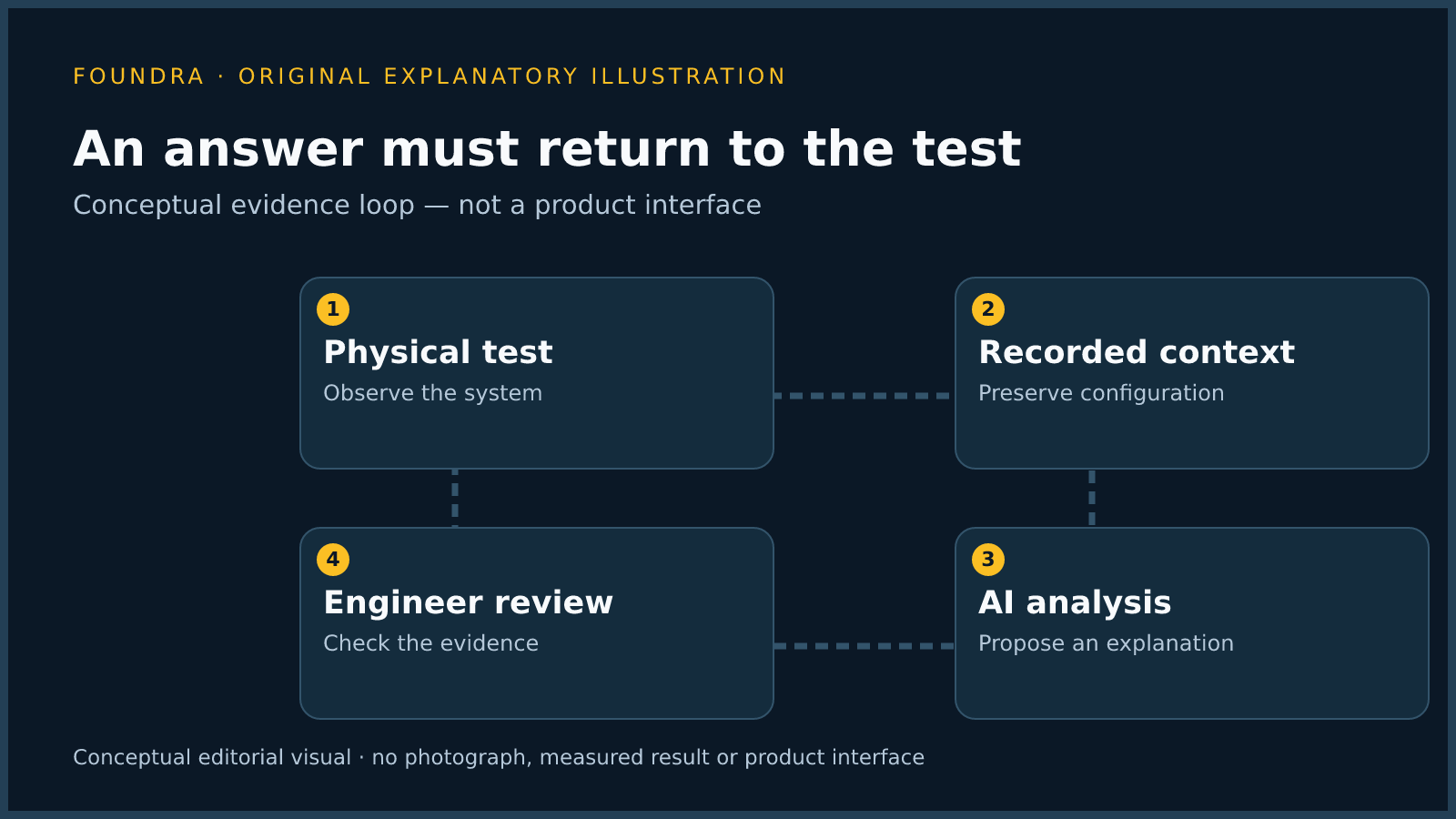
The hardware-software company announces a Series C at a $3 billion valuation. Its platform thesis links AI to physical tests and engineering evidence, where a plausible answer is not enough.
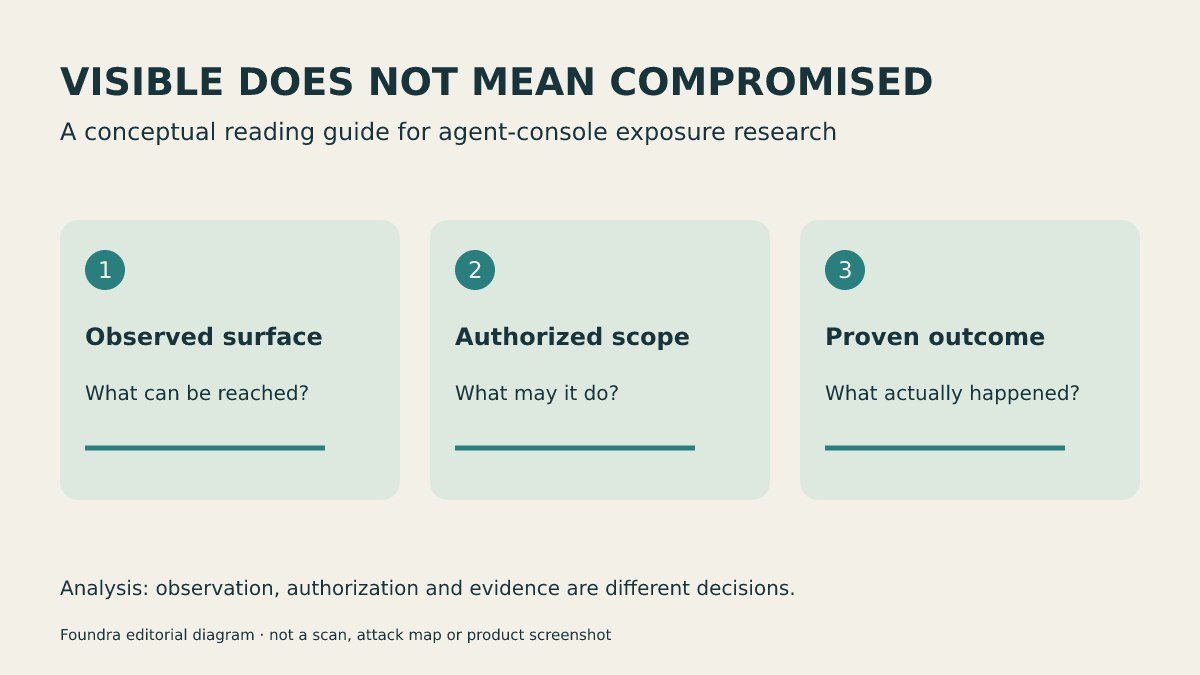
A November 5 research report identifies publicly reachable ARTEX consoles. Its measurements matter for AI-security founders, but they do not establish how many organizations were compromised or whether an autonomous attack succeeded.
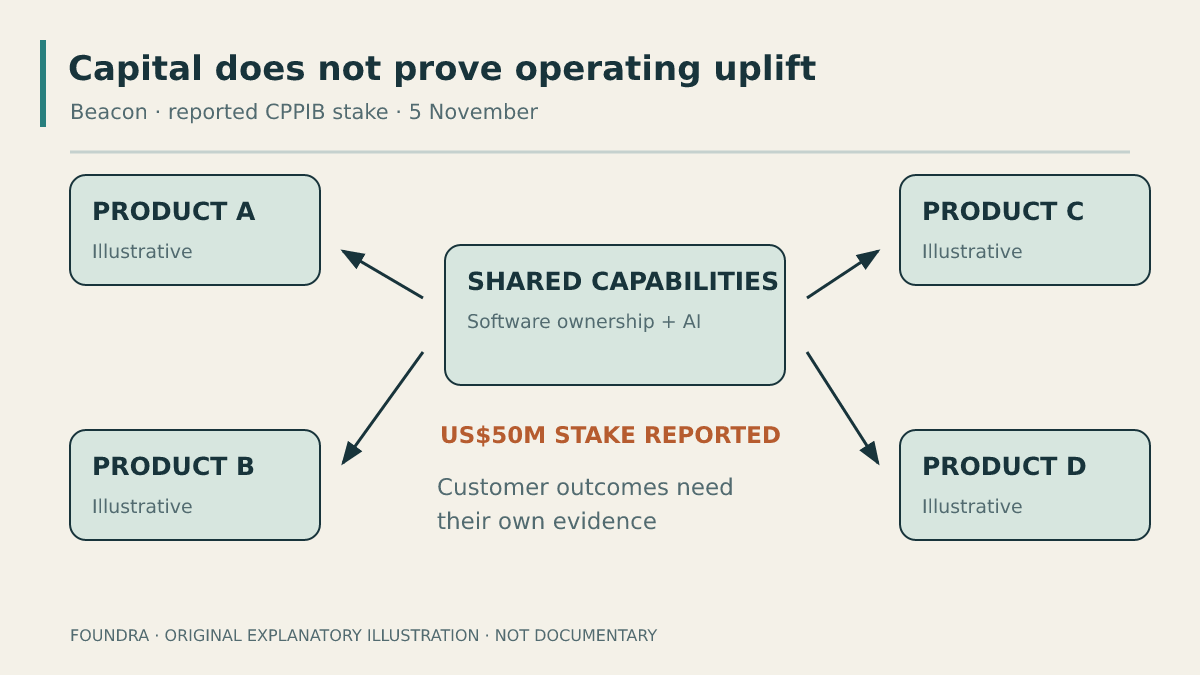
The Globe and Mail reports a US$50 million stake purchase, acknowledged in Beacon’s newsroom. Capital for software consolidation is not proof that an AI operating model improves every acquired business.
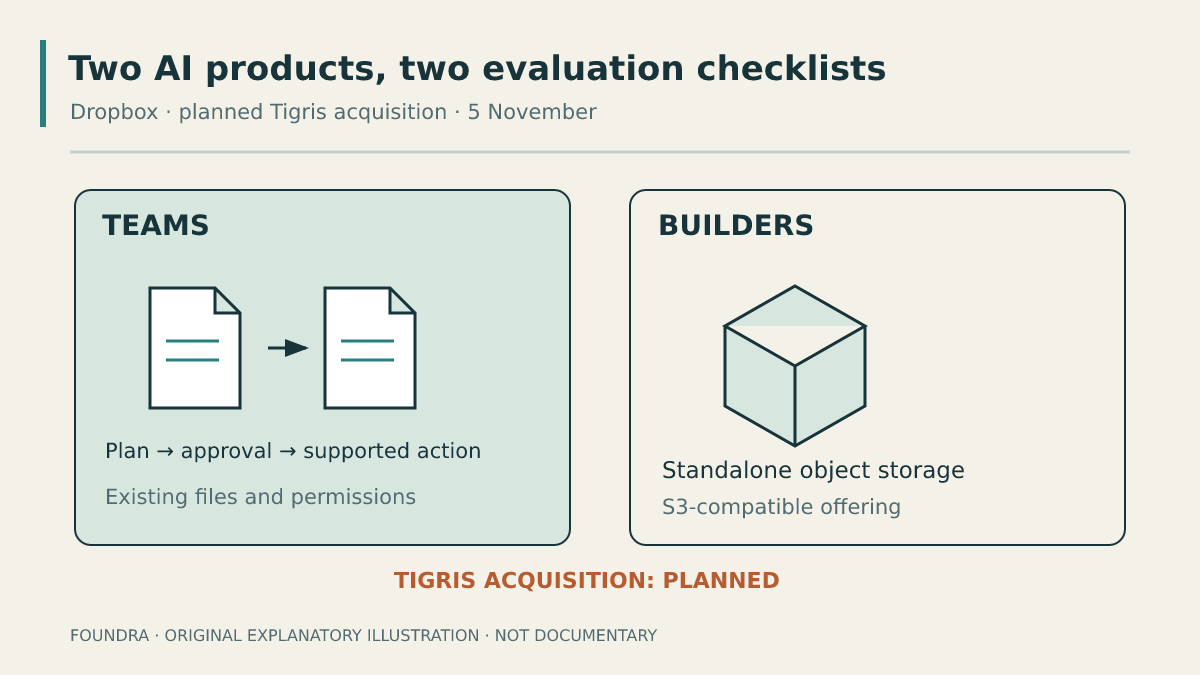
The November 5 company release announces a planned acquisition and DBX Agent Cloud. Helping a team act on files and supplying storage to AI developers are related—but different—product promises.
The startup’s October 30 debut describes a subscription platform combining autonomous testing and penetration testers. Its release says Ridown Capital has invested up to $10 million, without establishing an exact deployed funding amount.
The clinic-software company’s Rs 5 crore raise includes nearly Rs 3 crore from users. That is a distinctive financing signal, while its planned AI tools still require their own evidence.
Two October 28 reports describe raised funding for the enterprise-AI startup. Its AI-plus-developers proposition makes ownership, exception handling and support part of the product decision.
The October 29 company announcement introduces built world models. Earlier investor involvement and unverified performance claims mean this is a public debut and funding disclosure, not proof of a same-day capital close.
The company announced the acquisition on October 28. Its case centres on connecting investigation with service management, while keeping production changes under human approval.
New smart reports, surveys and shared group budgets are generally available, subject to configuration. The reports are intended for adoption planning—not employee performance decisions.
Hex 4.0 moves beyond adding an agent to an existing workspace. Its harder proposition is preserving shared analytical context when the work happens elsewhere.