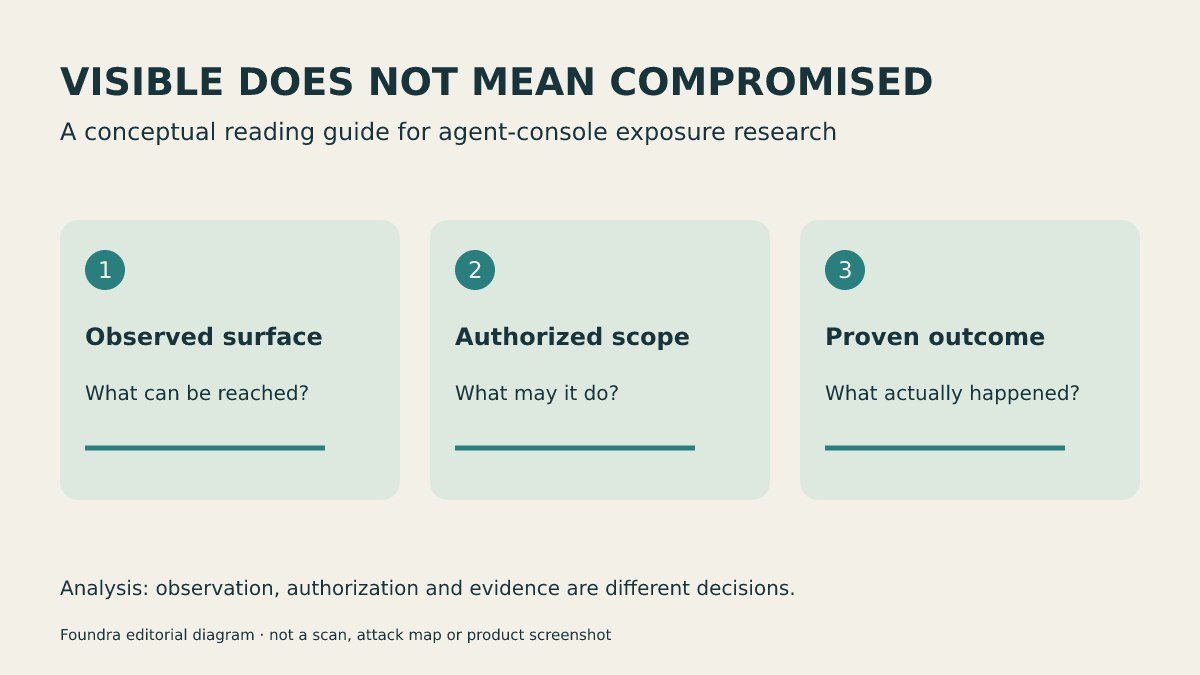
A November 5 research report identifies publicly reachable ARTEX consoles. Its measurements matter for AI-security founders, but they do not establish how many organizations were compromised or whether an autonomous attack succeeded.
The November 2 release introduces a lay-language guide for non-employer firms. Its practical value is prioritisation, not a new certification or promise of immunity.
The startup’s October 30 debut describes a subscription platform combining autonomous testing and penetration testers. Its release says Ridown Capital has invested up to $10 million, without establishing an exact deployed funding amount.
The October 29 weights release is distinct from the earlier preview. Coding and security claims remain vendor-reported; self-hosting creates responsibilities as well as options.
Bessemer leads the financing. The company’s endpoint-to-cloud ambitions raise a practical question: which observations can safely become automated actions?
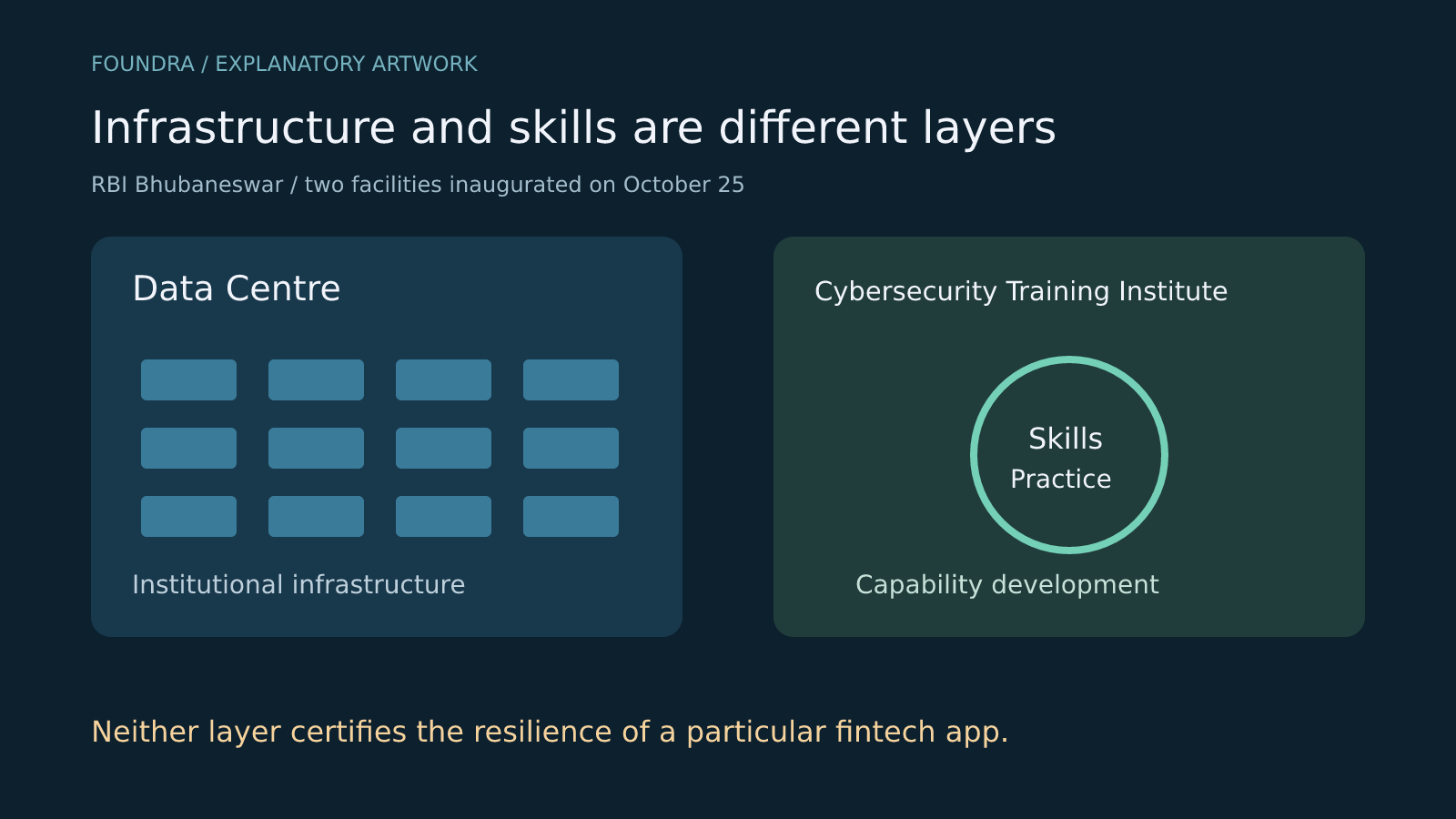
The two facilities were inaugurated on October 25. The opening marks completed institutional facilities, while their intended contribution to reliability remains distinct from measured service outcomes.
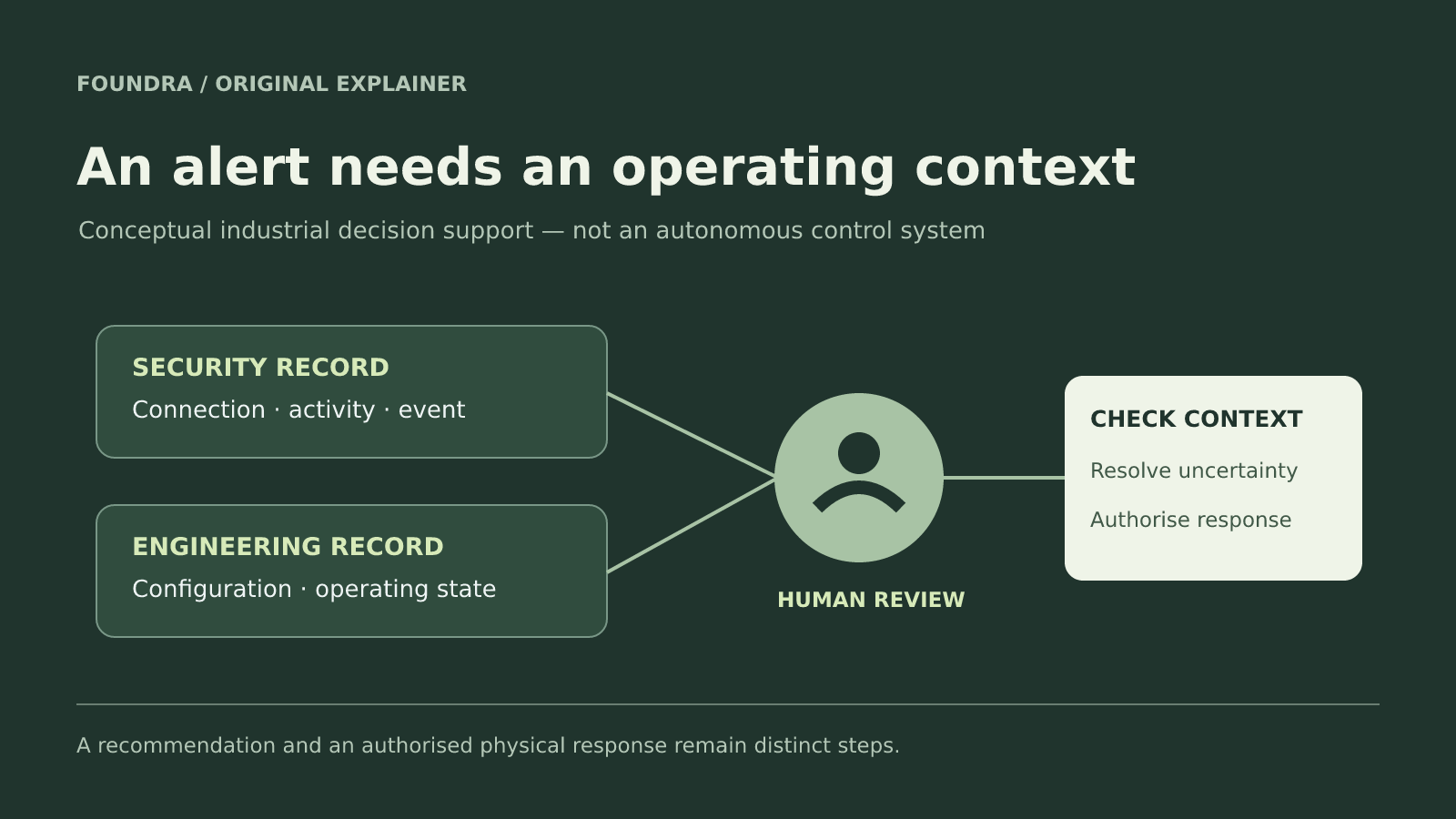
The Amsterdam company’s funding, led by Contrarian Ventures, supports an AI platform joining engineering and security information. Its proposition is decision support for industrial operators—not a claim that software can safely run a plant on its own.
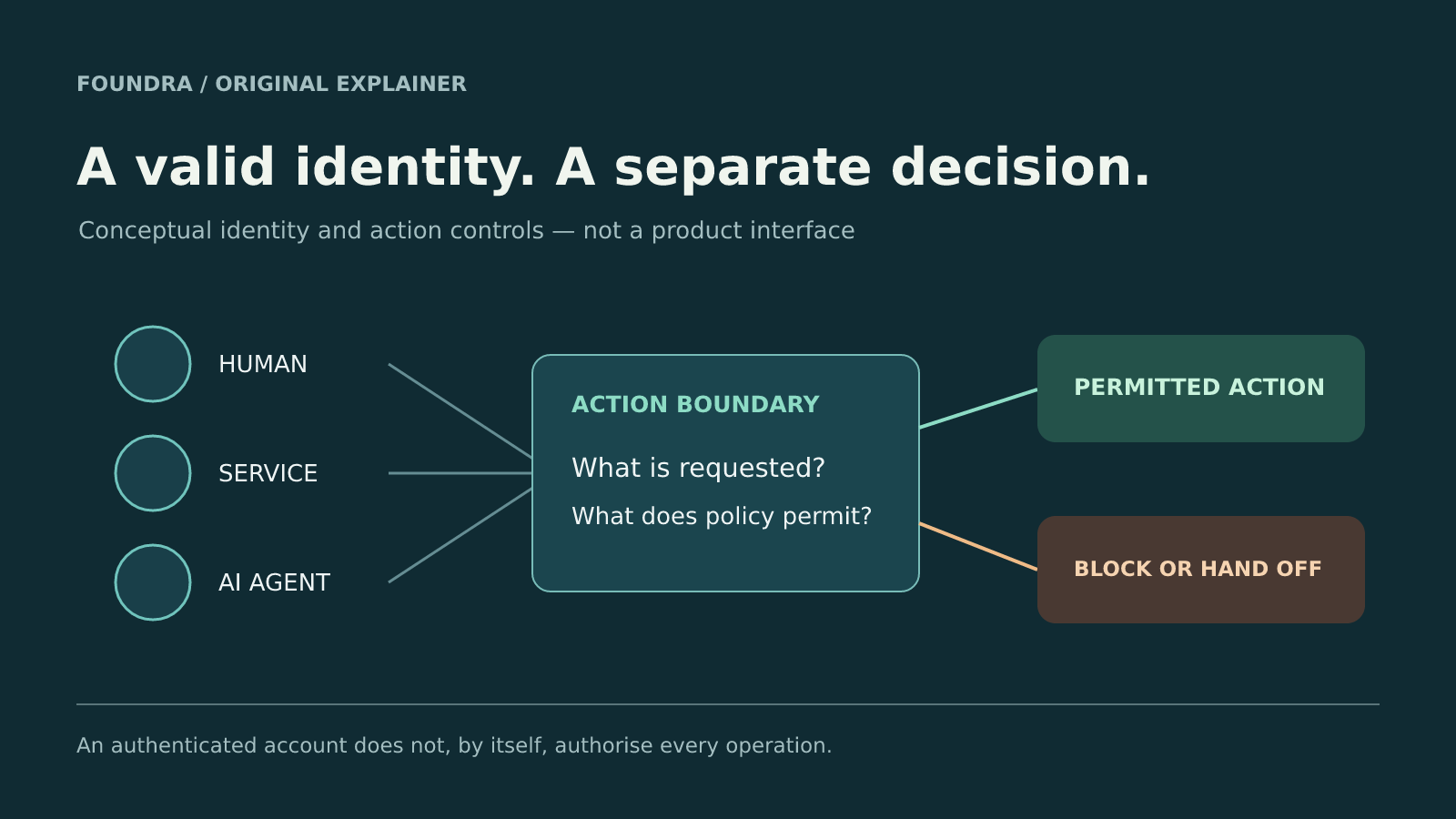
The Berlin startup has emerged from stealth with pre-seed backing led by Atlantic. Its pitch shifts enterprise security from recognising an identity to deciding what that identity may actually do.
The proposed combination would create Cohere Cyber and expand the company’s Prague presence. It is not evidence of a completed acquisition or an invulnerable AI platform.
The company and lead investor describe more than $10 million in funding for a unified IT and security service. The fresh angle is accountability, not simply more automation.