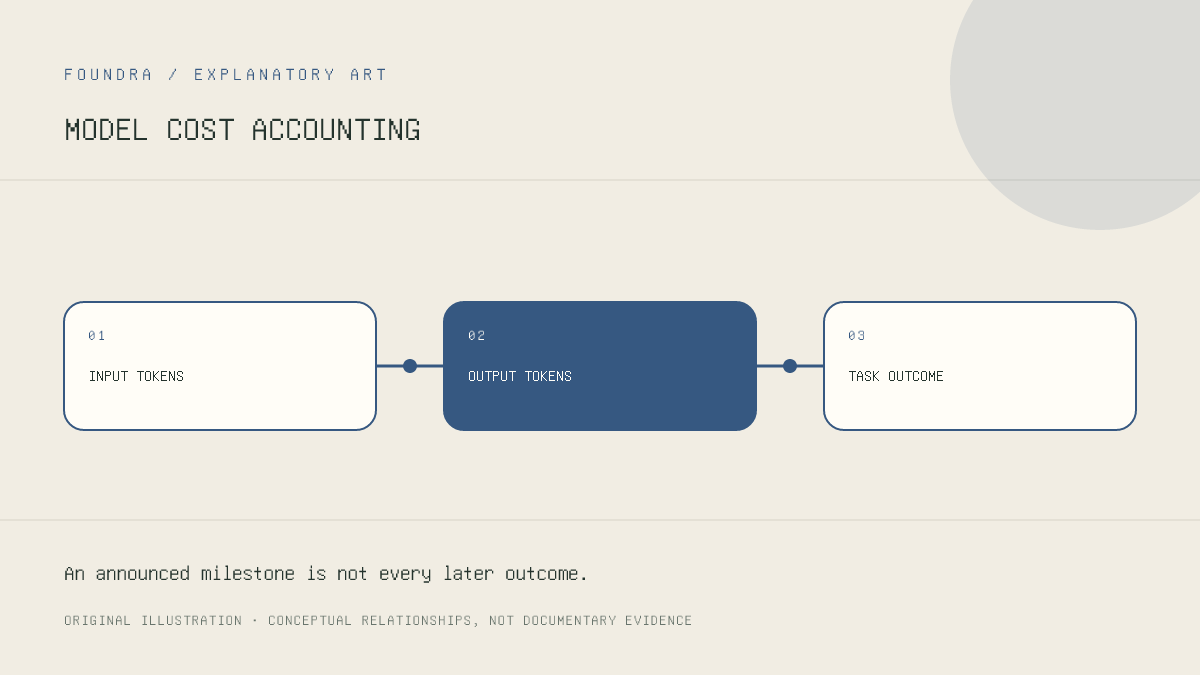
Google’s November 18 release lists a million-token context window and separate input, cached-input and output rates. Its performance rankings remain attributed rather than adopted as universal benchmarks.
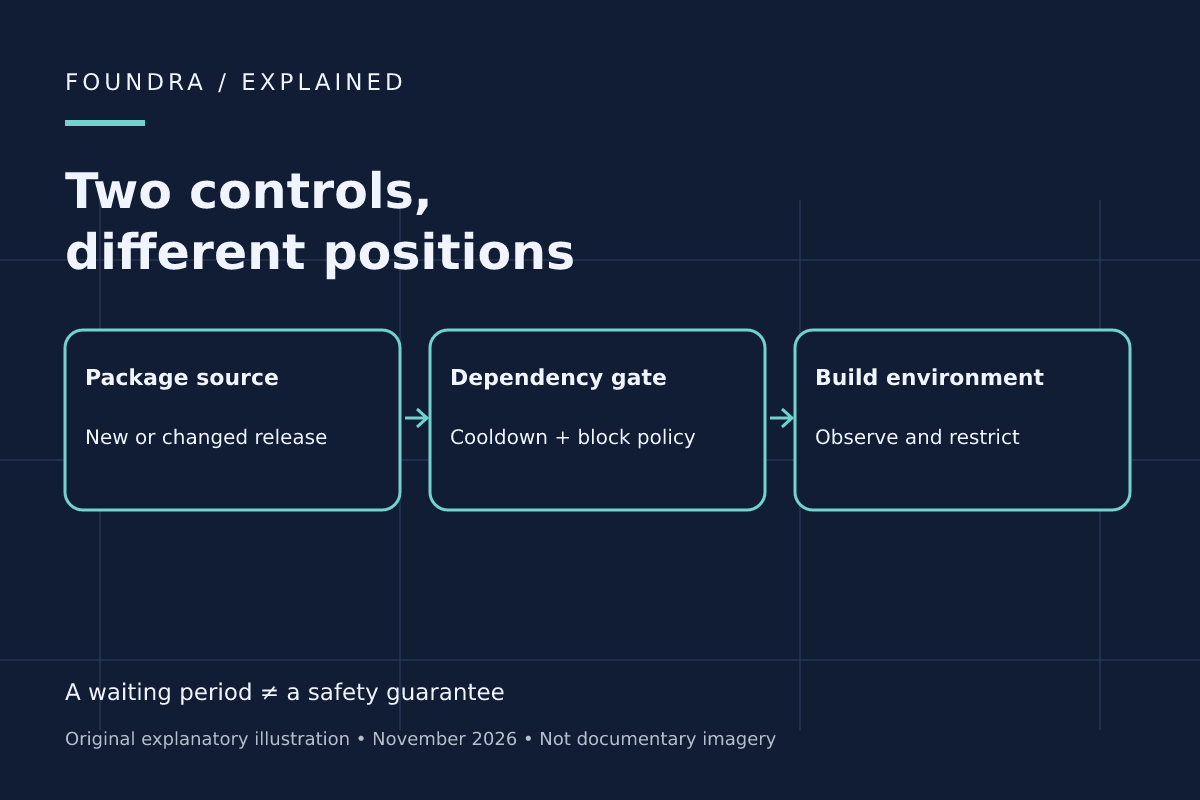
The company’s Series A and free registry tier focus on developer machines, dependency downloads and build pipelines. A package waiting period is one control—not a guarantee that a later release is safe.
Delivery and Agents extend the platform beyond infrastructure definitions. The product examination starts with what a pipeline represents—and where operational events return to code.
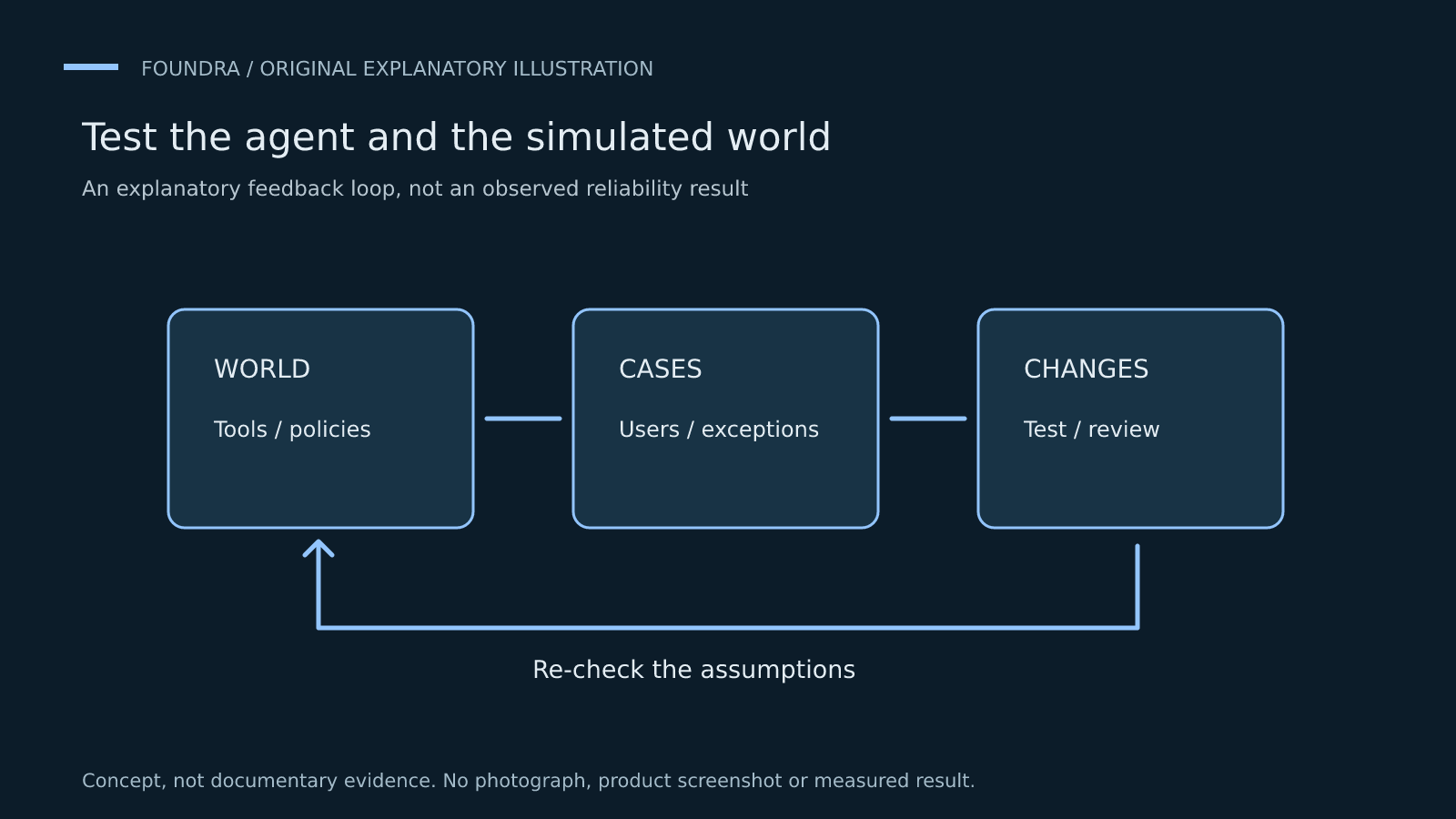
The startup proposes testing agents inside a model of a company’s tools, knowledge and policies. A simulation can reveal failures, but its resemblance to the real workflow is itself something to test.
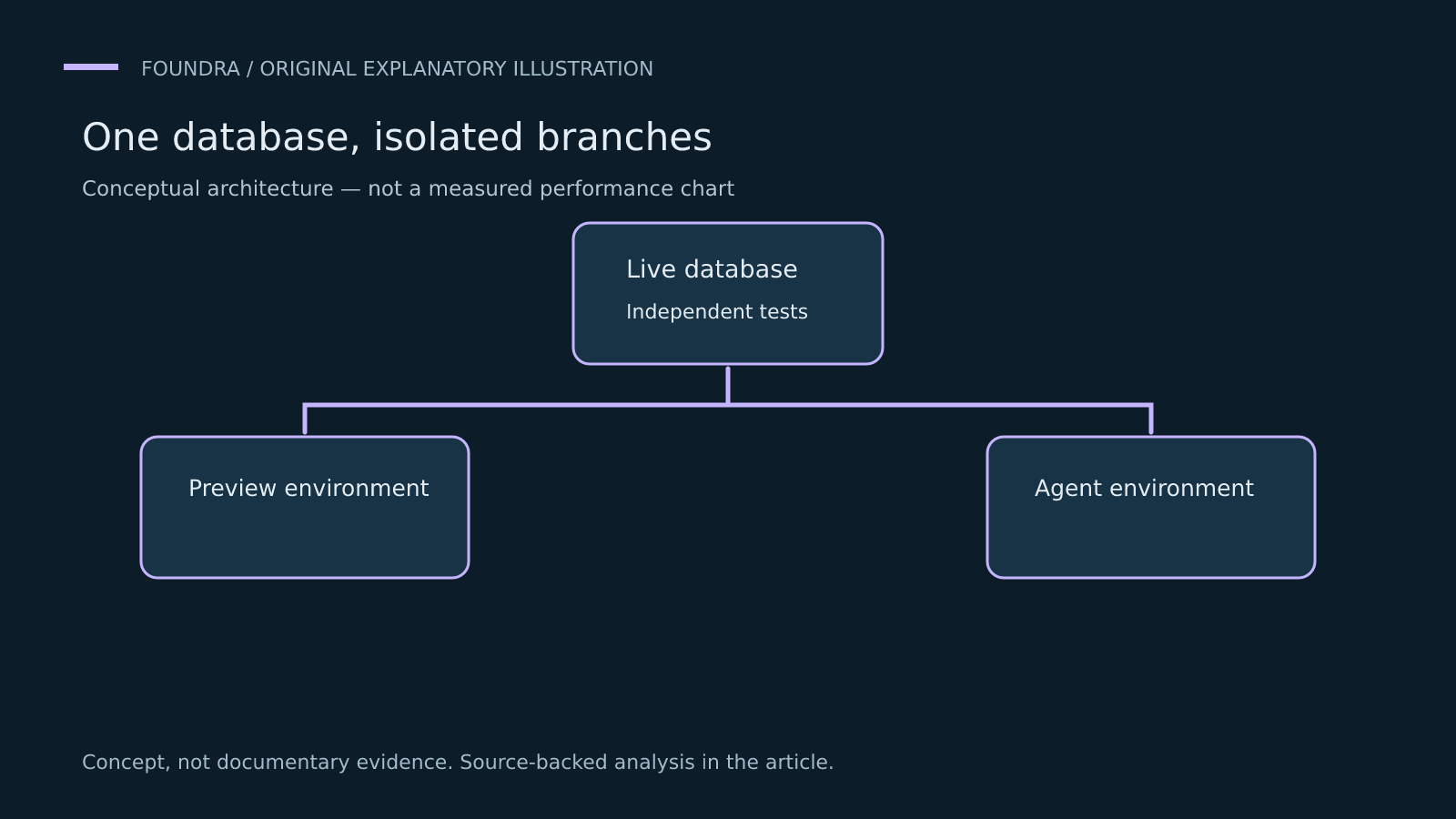
Managed Postgres reaches general availability as the companies outline branching and migration plans. The integration is a roadmap, not a finished feature bundle.
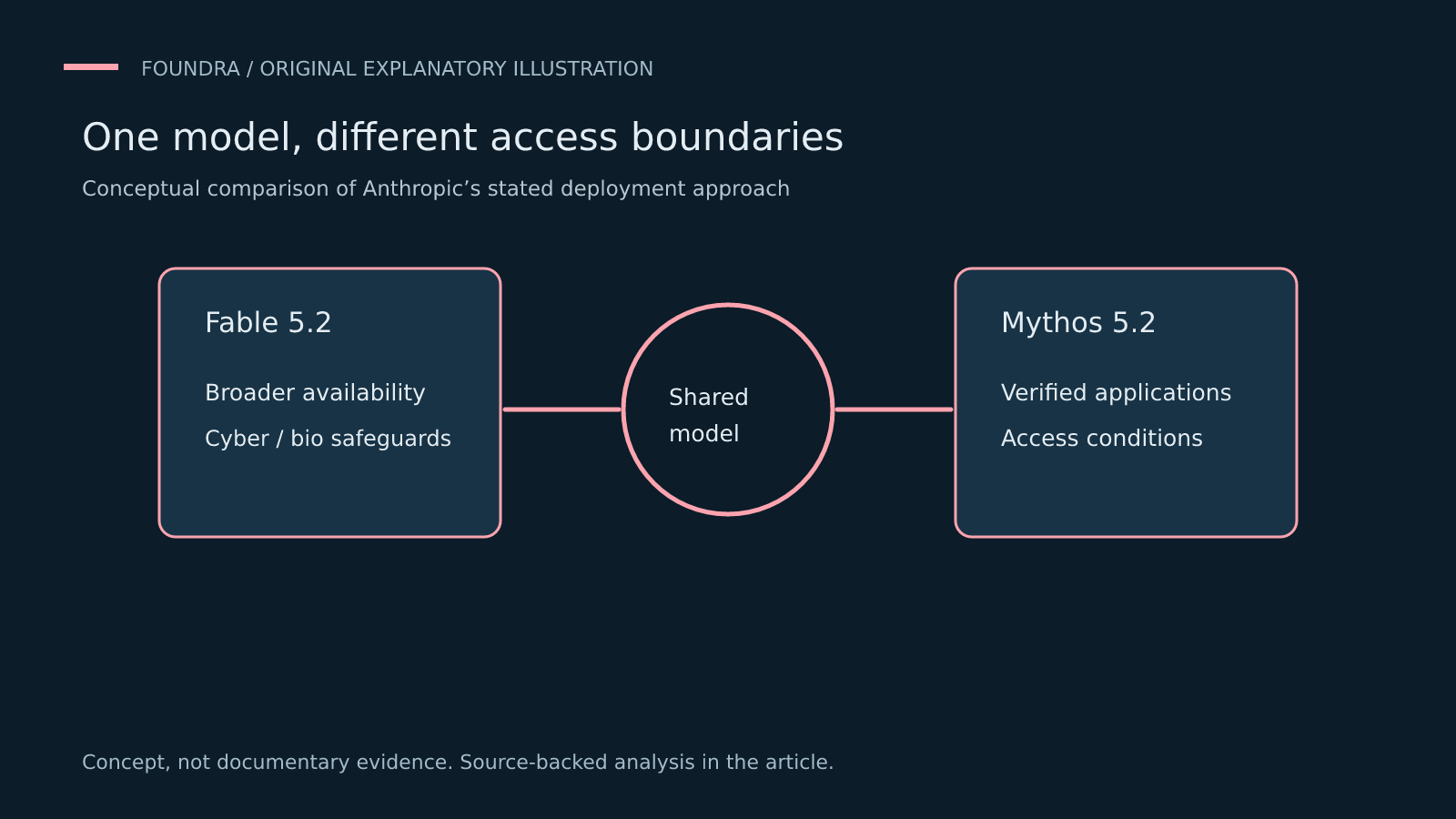
Anthropic’s November 9 release combines capability claims with two access regimes. For teams evaluating the models, safeguards and workflow costs matter alongside benchmarks.
Thomas Dohmke’s startup introduces Trails, distributed hosting and persistent session context. Its speed claims are not independently benchmarked here.
Opera One offers an opt-in early preview on specified Windows PCs and Apple-silicon Macs. Models download only after activation; future browser rollouts are not current availability.
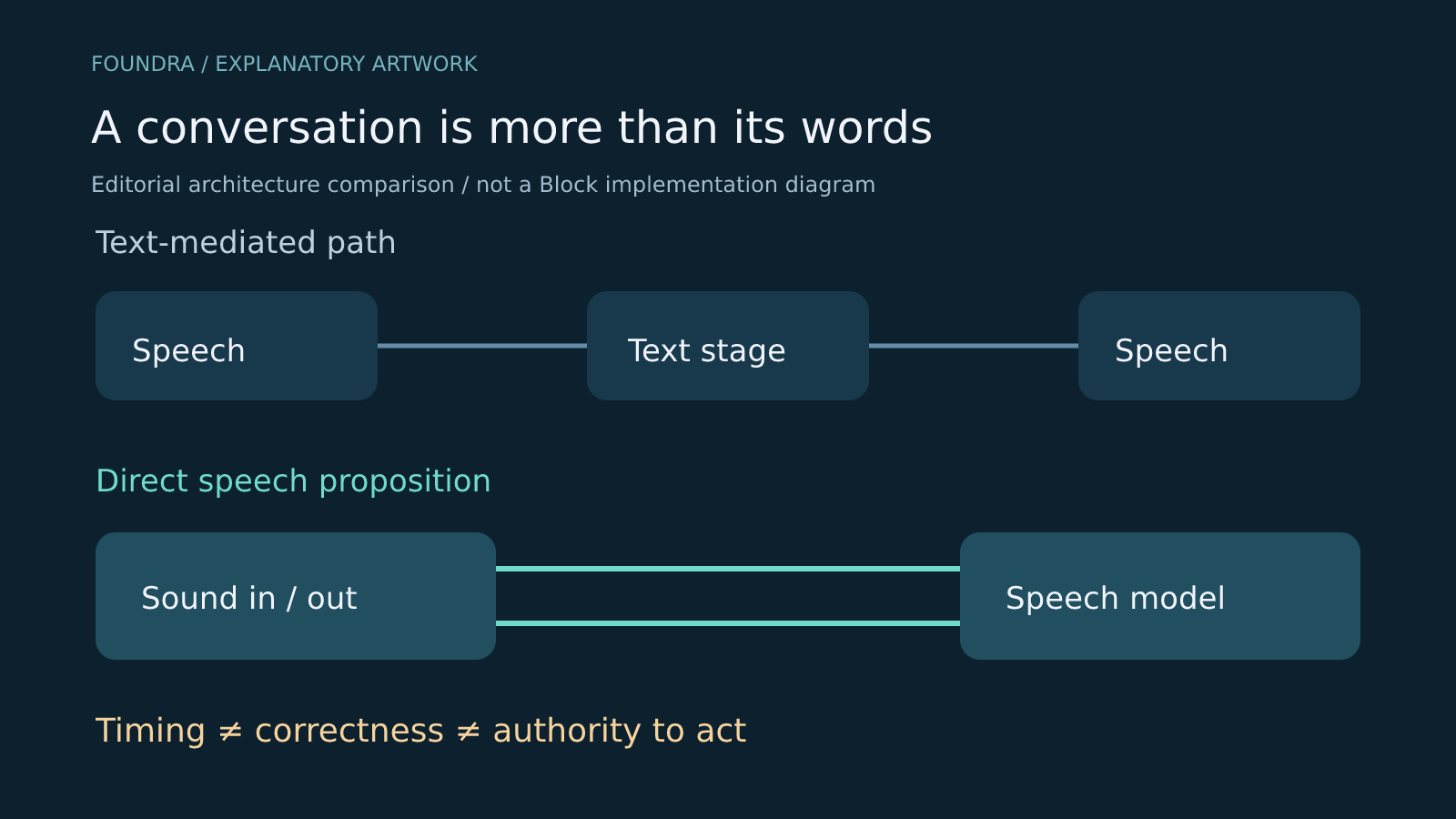
Block presents a speech-trained, full-duplex model and local Mac inference. The demos make a design proposition—not an independent reliability or empathy benchmark.
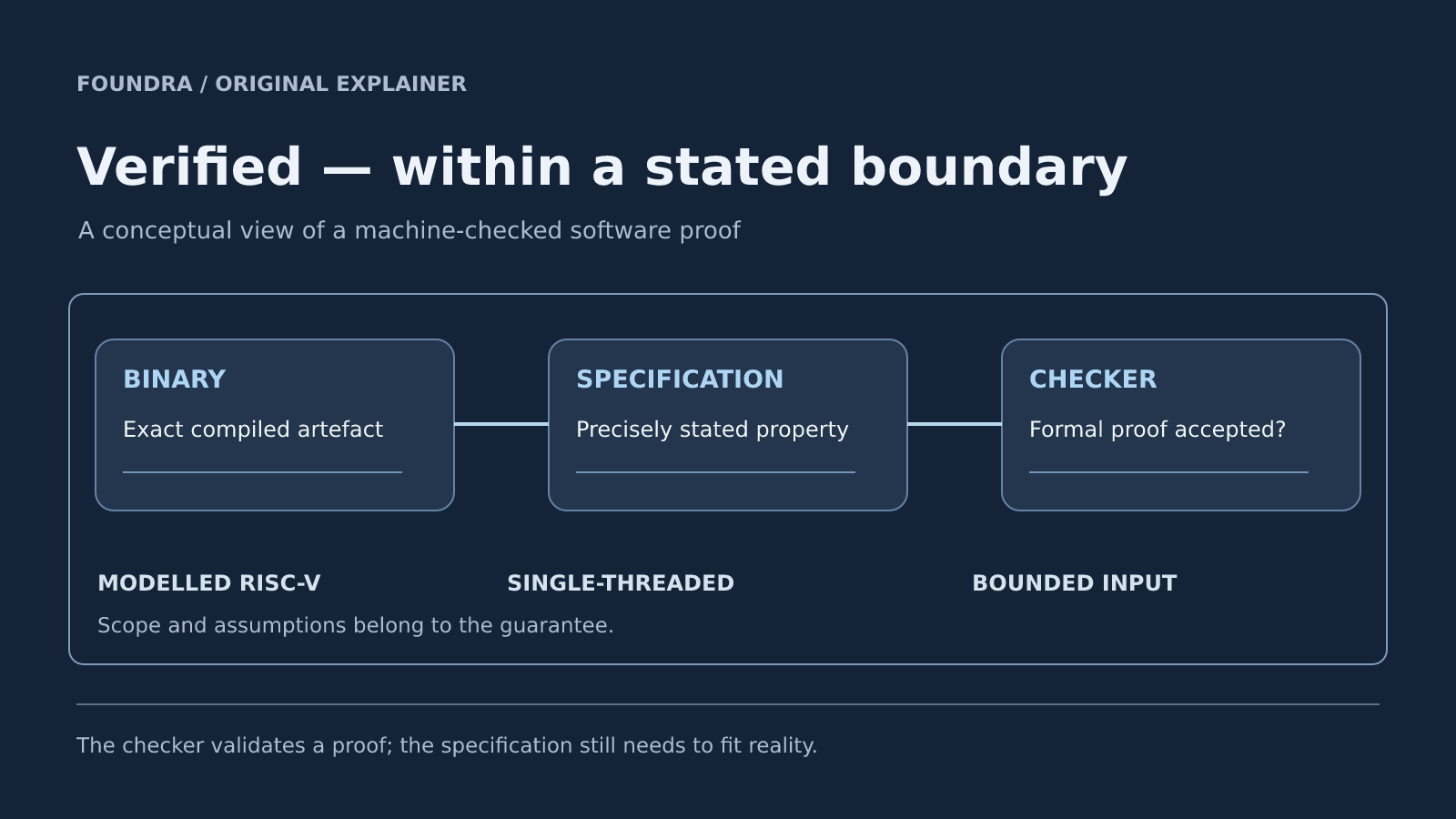
Anthropic and Theorem report large-scale formal verification at the RISC-V binary level. Their work points to a new software-security workflow, but the guarantees concern specified programmes and assumptions—not every bug in every library.
The Series B finances agent-execution infrastructure. A reading of Daytona’s process interface shows the concrete request and response beneath the agent-cloud proposition.
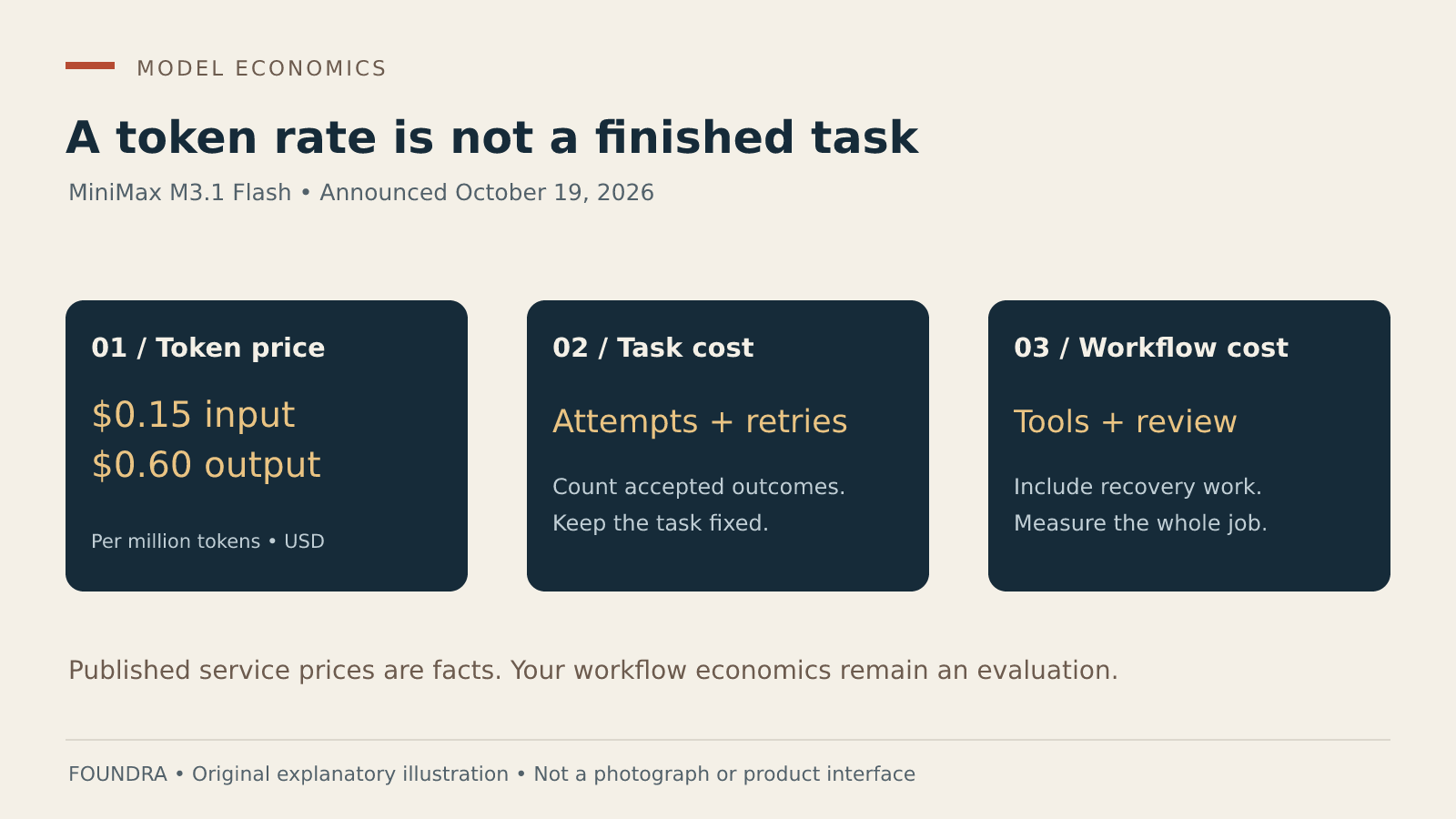
MiniMax’s October 19 release puts a new agent model behind its hosted products. Its published token prices are concrete; claims about faster, cheaper completed work still need workload-specific testing.
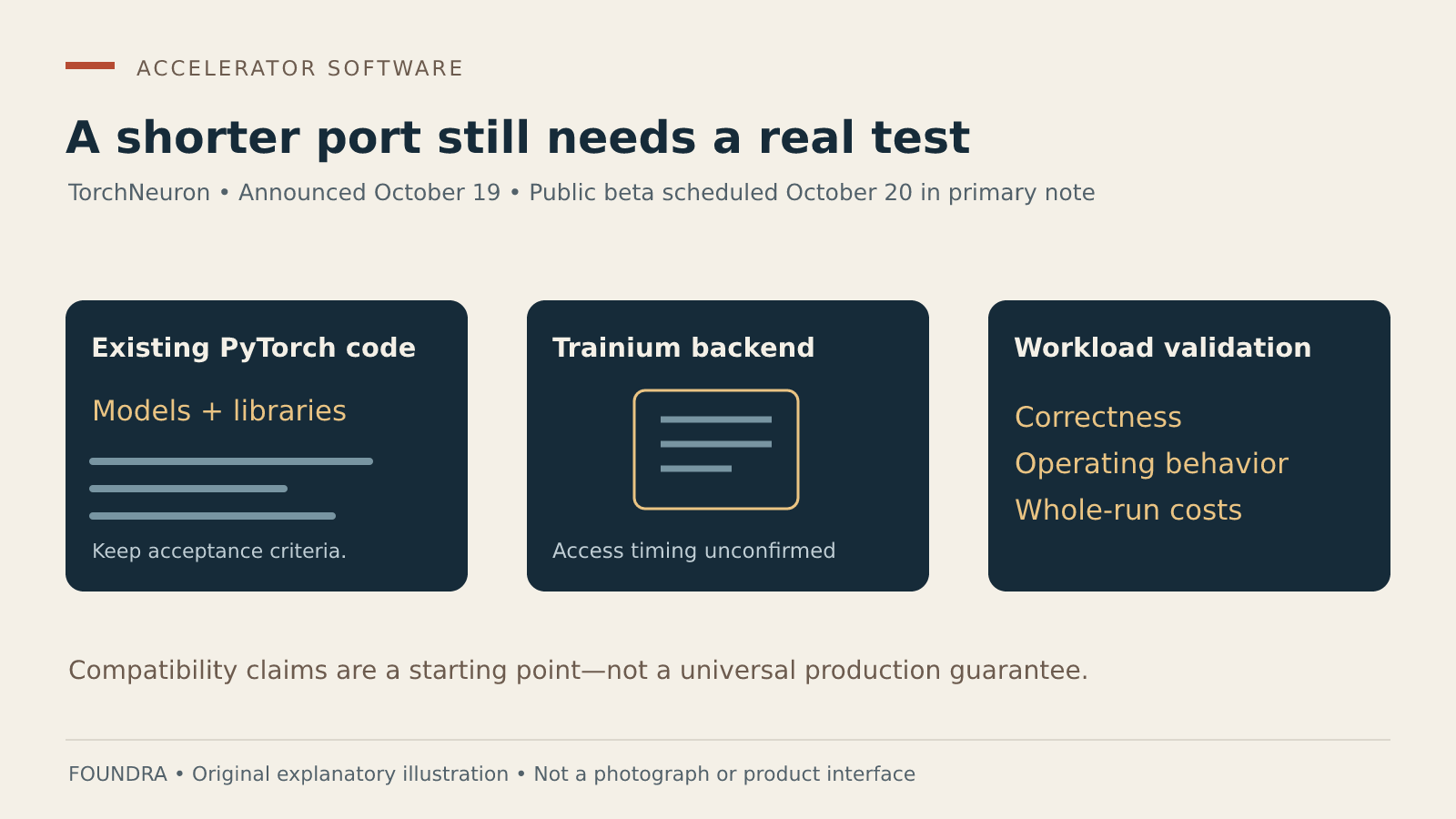
Amazon’s October 19 announcement targets PyTorch code on Trainium. The primary technical note schedules public beta for October 20, while GeekWire reports an opening on October 19. Current access is unconfirmed.
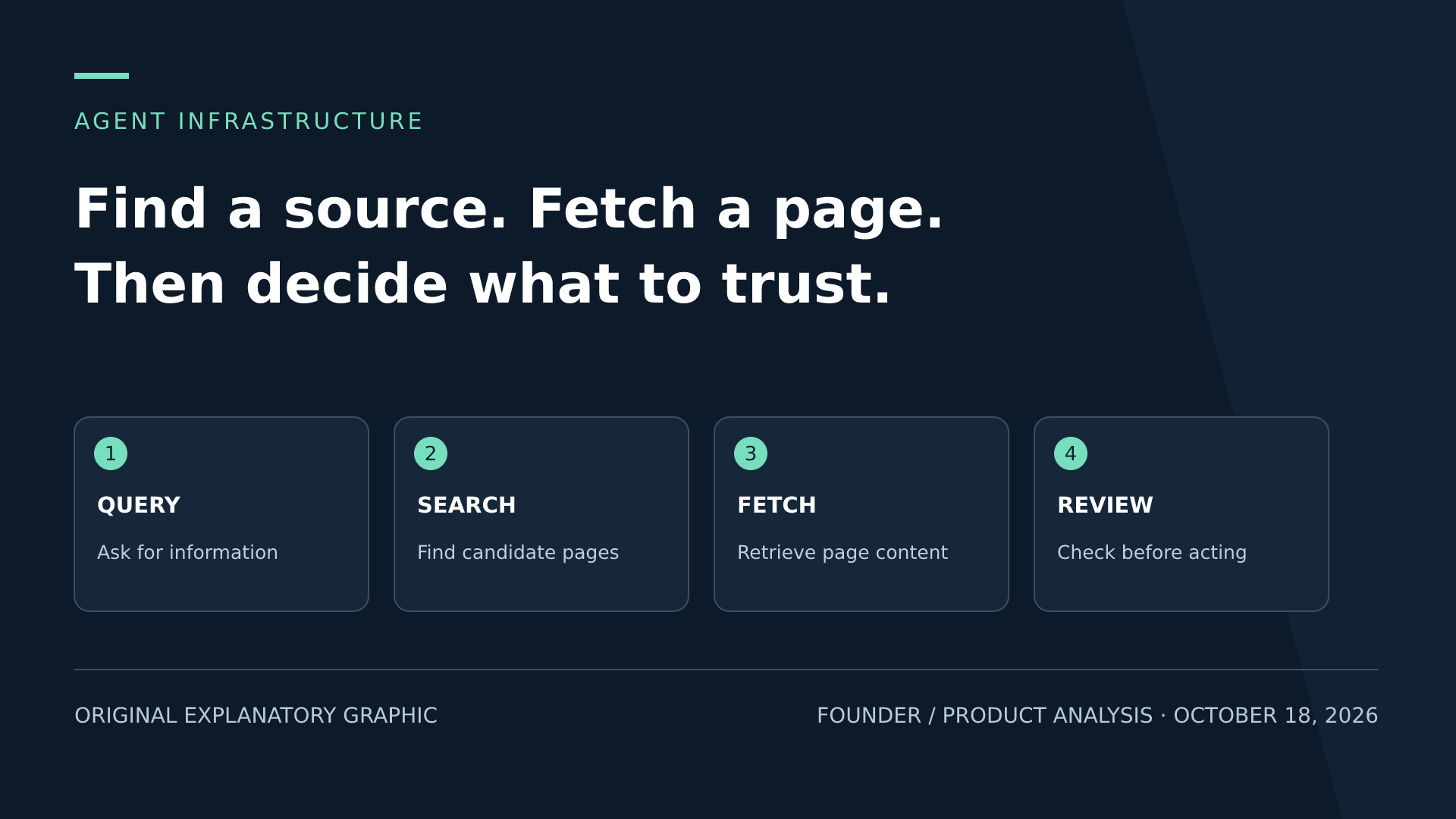
The October 17 release puts a retrieval service beside a new Flash checkpoint. For builders, the important distinction is between finding a page, retrieving it and trusting what it says.
Meta’s October 15 release describes an 816-billion-parameter model running on two M5 Ultra Mac Studios. Open weights do not remove hardware requirements or commercial licence terms.
An Accel-led Series D values the AI infrastructure startup at $15.75 billion. The financing and the company’s annualized run-rate claim answer different questions.
The runtime and hosted service have different wind-down schedules. A careful migration starts with what an application depends on, rather than a search-and-replace exercise.
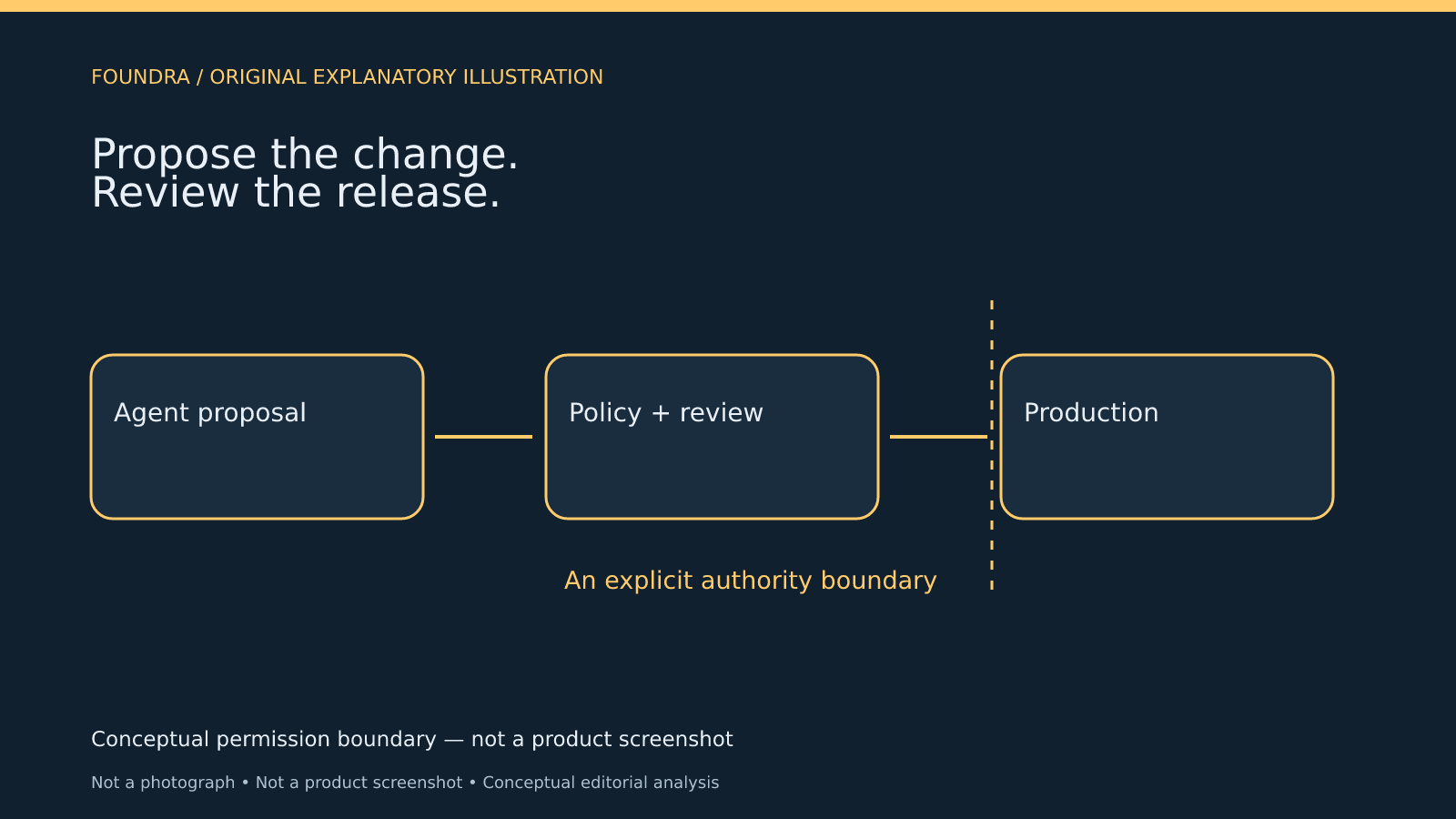
Artifact Central is in beta and Dependency Firewall is in early access. Their significance is the boundary between generated work and shipped software.