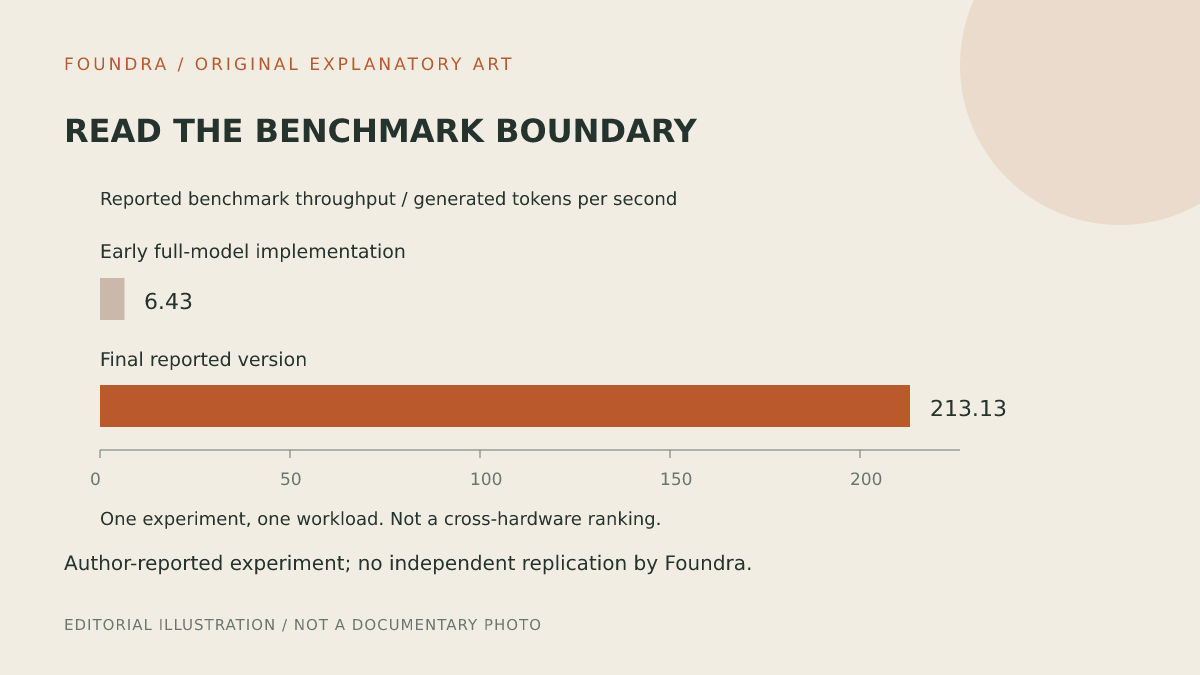
The November 20 technical account follows an AI-assisted optimisation loop from an early implementation to a faster one. Here is how to read the task, output checks and context-length results.
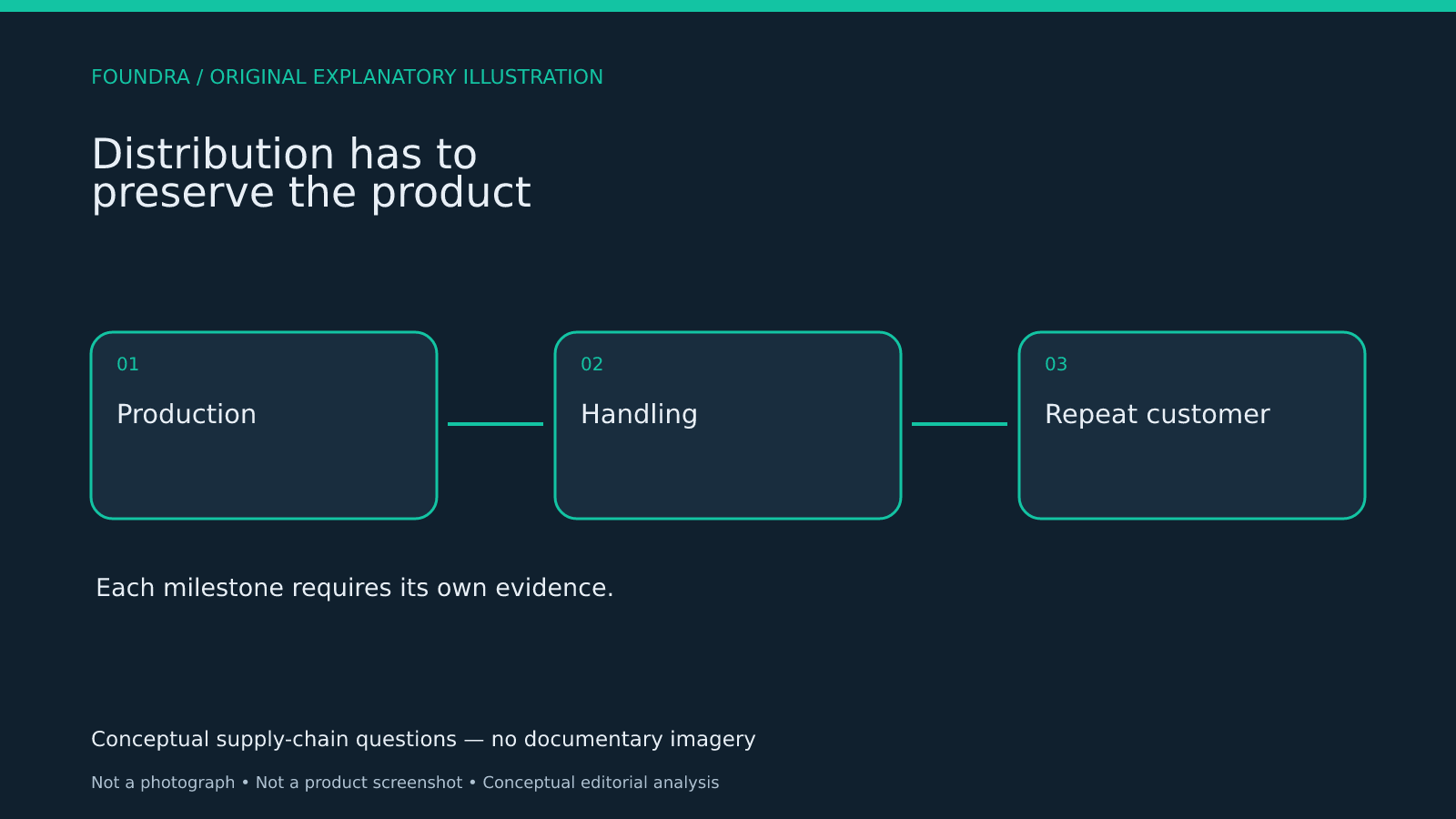
After more than a decade without outside investment, the egg brand has raised $15 million. A larger distribution network still needs evidence of product integrity and repeatable demand.
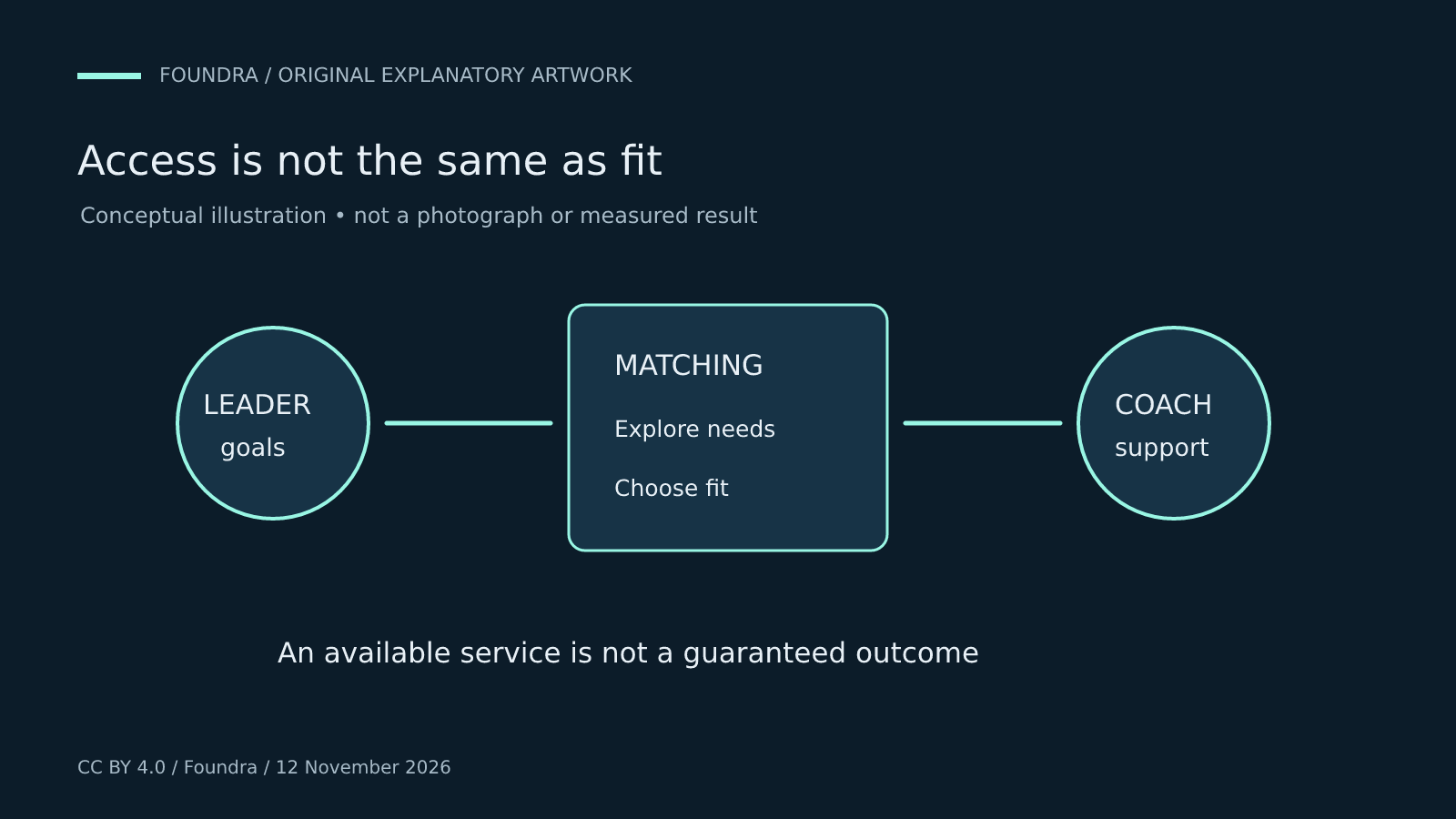
The November 12 launch is a specific distribution change: leaders can access the coaching service without joining the broader network. Career outcomes and value for money are not established by the announcement.
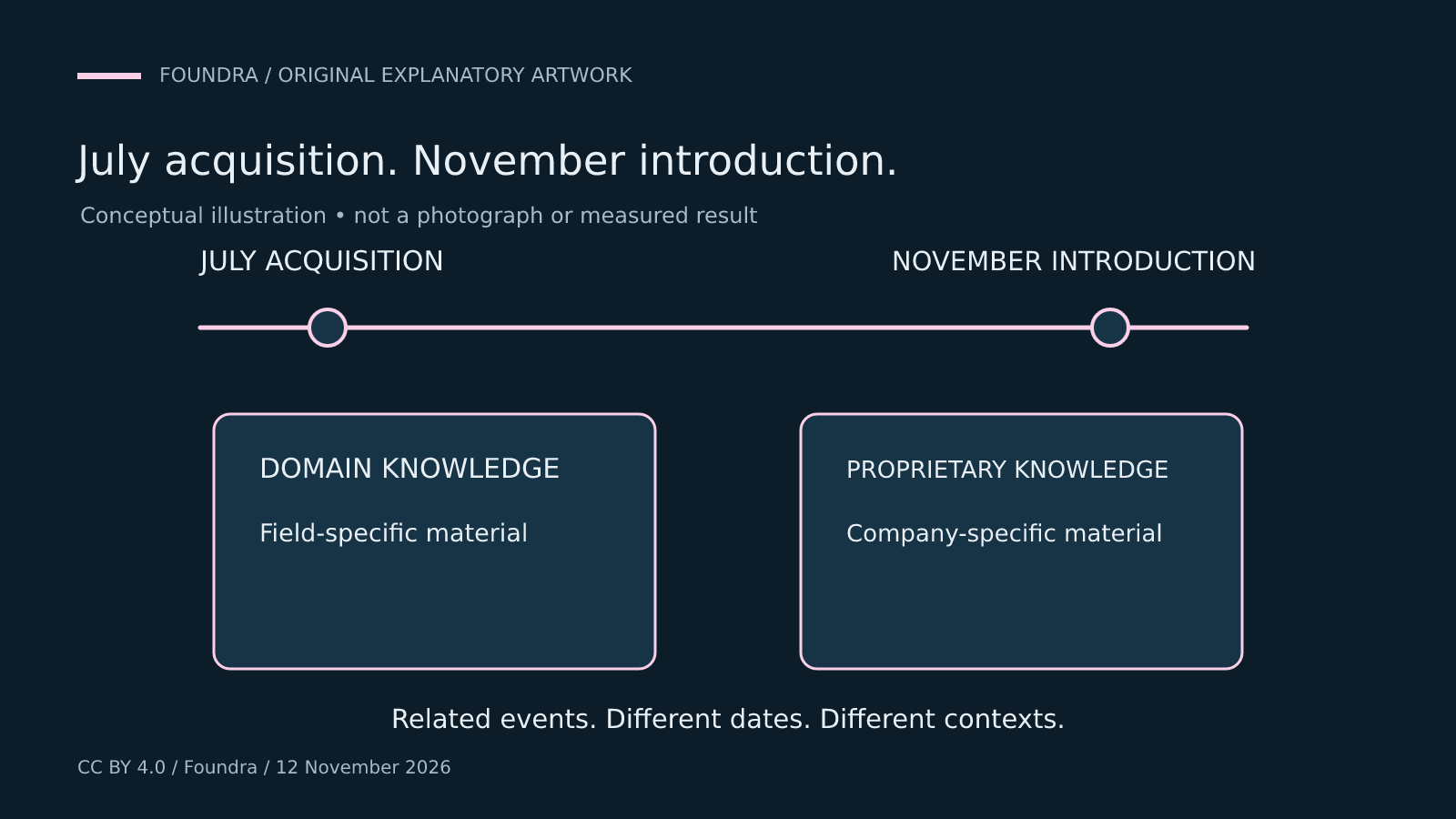
The November 12 launch introduces a knowledge-layer company within D71 Ventures. Its two-part product pairs domain material with company-specific knowledge; the earlier acquisition must not be presented as today’s transaction.
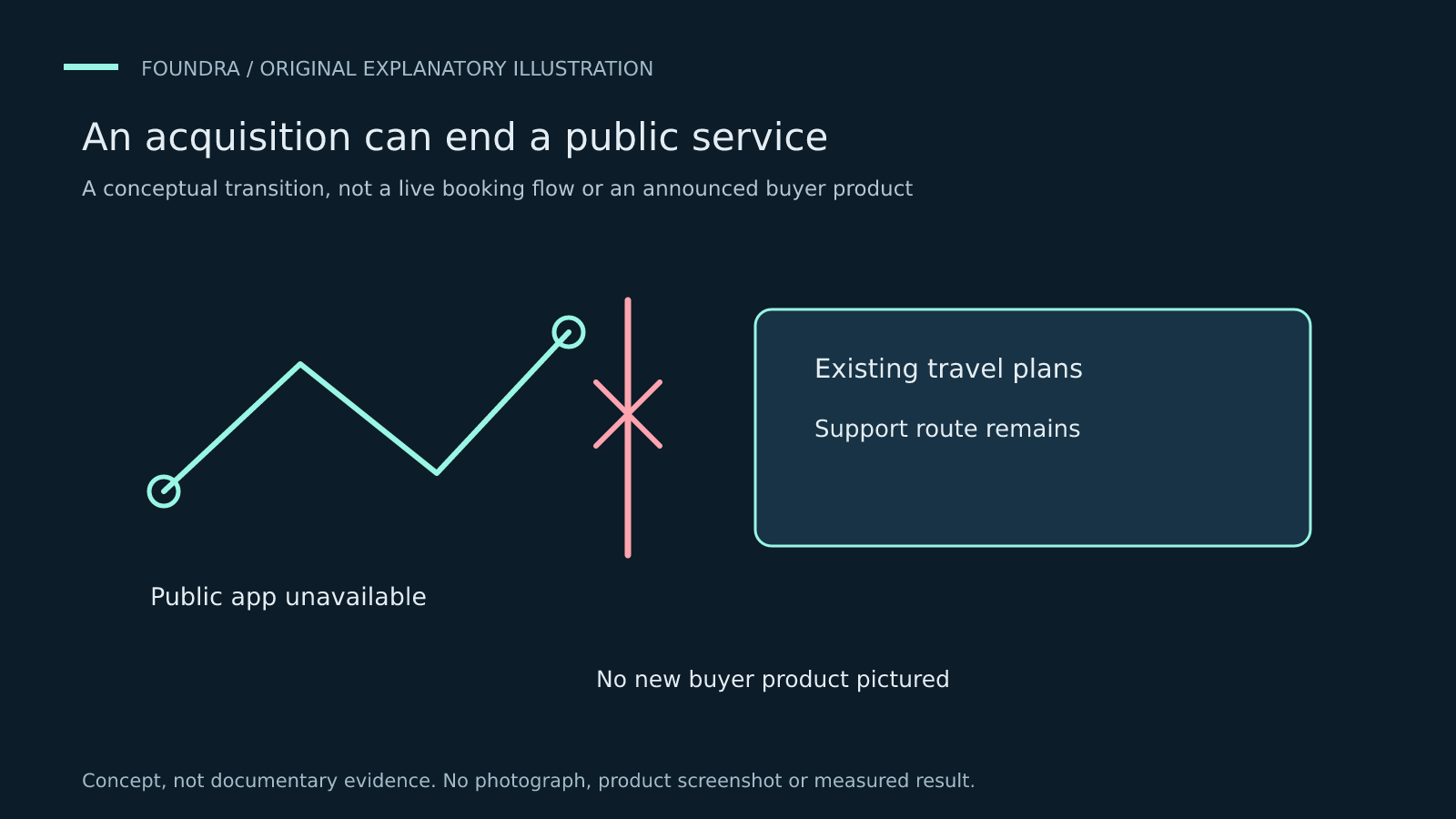
The acquired travel startup’s website records the deal and directs existing booking questions to support. That is a narrower verified event than a launch of a new OpenAI travel product.
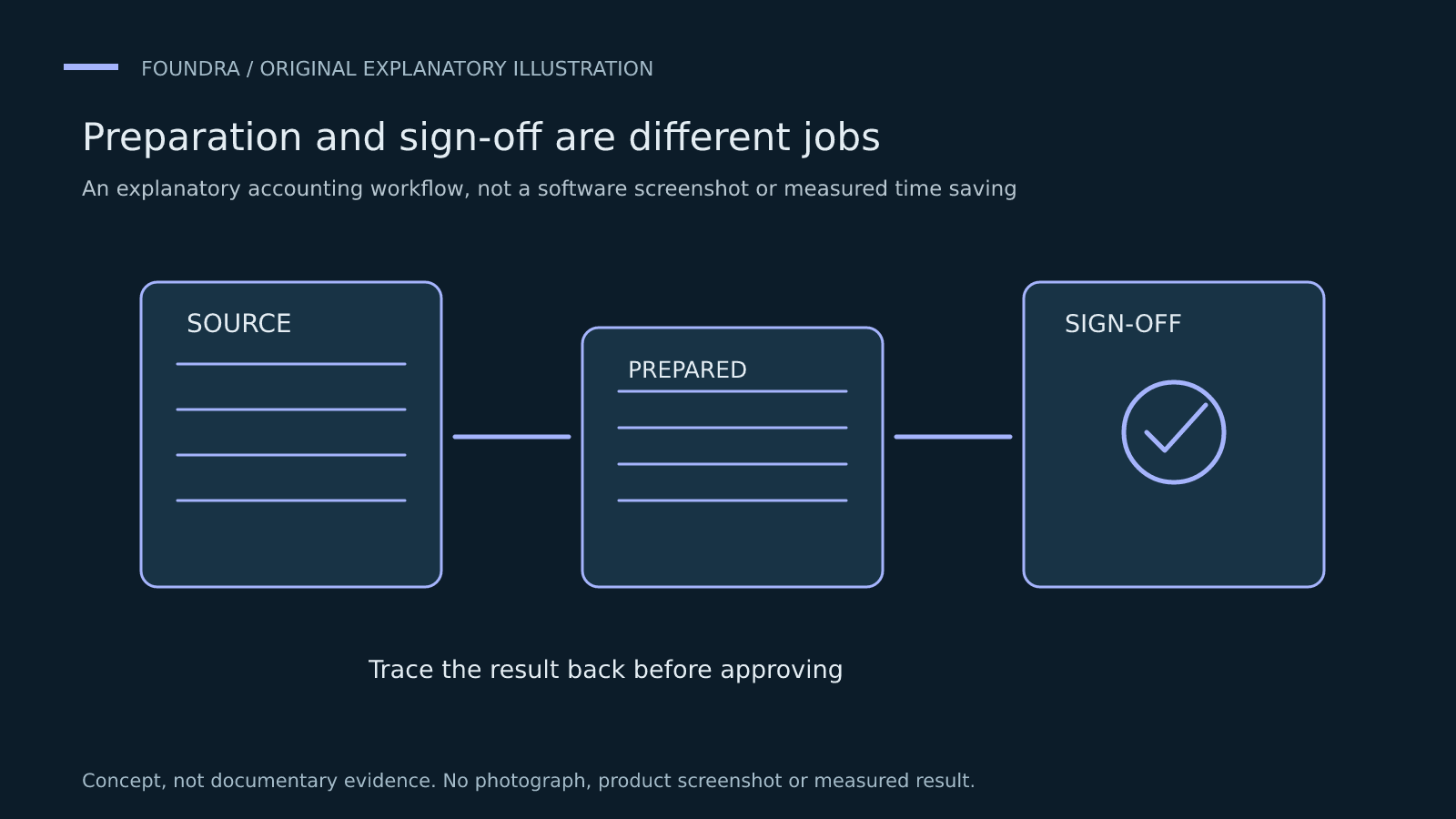
The startup’s seed round backs an AI workflow layer over existing ledgers. Its human-signoff proposition makes review quality, not just preparation speed, central to the product.
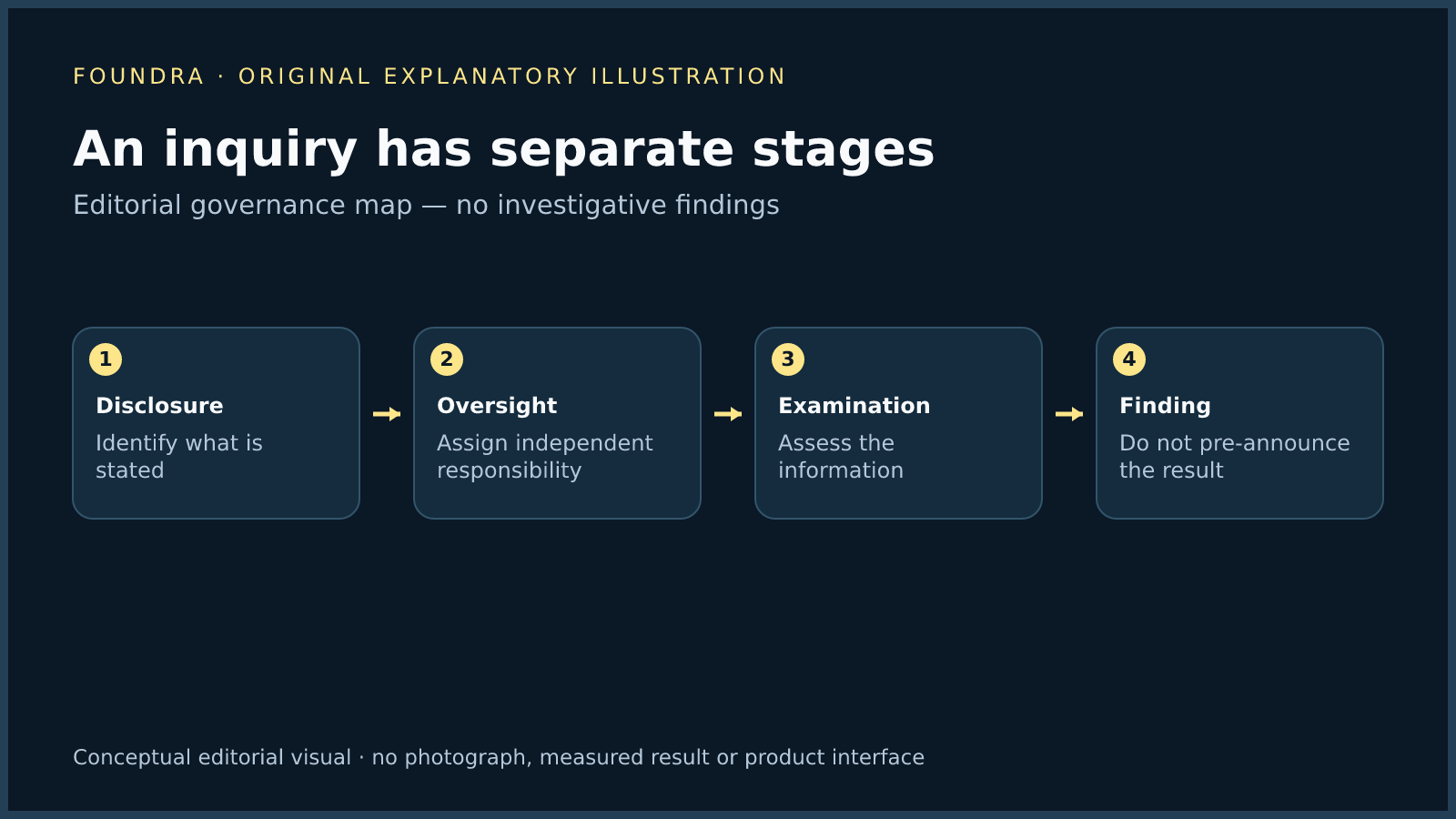
Two November 8 company statements describe an investigation overseen by independent directors and outside counsel. They do not announce that the inquiry has finished or that a compromise has been established.
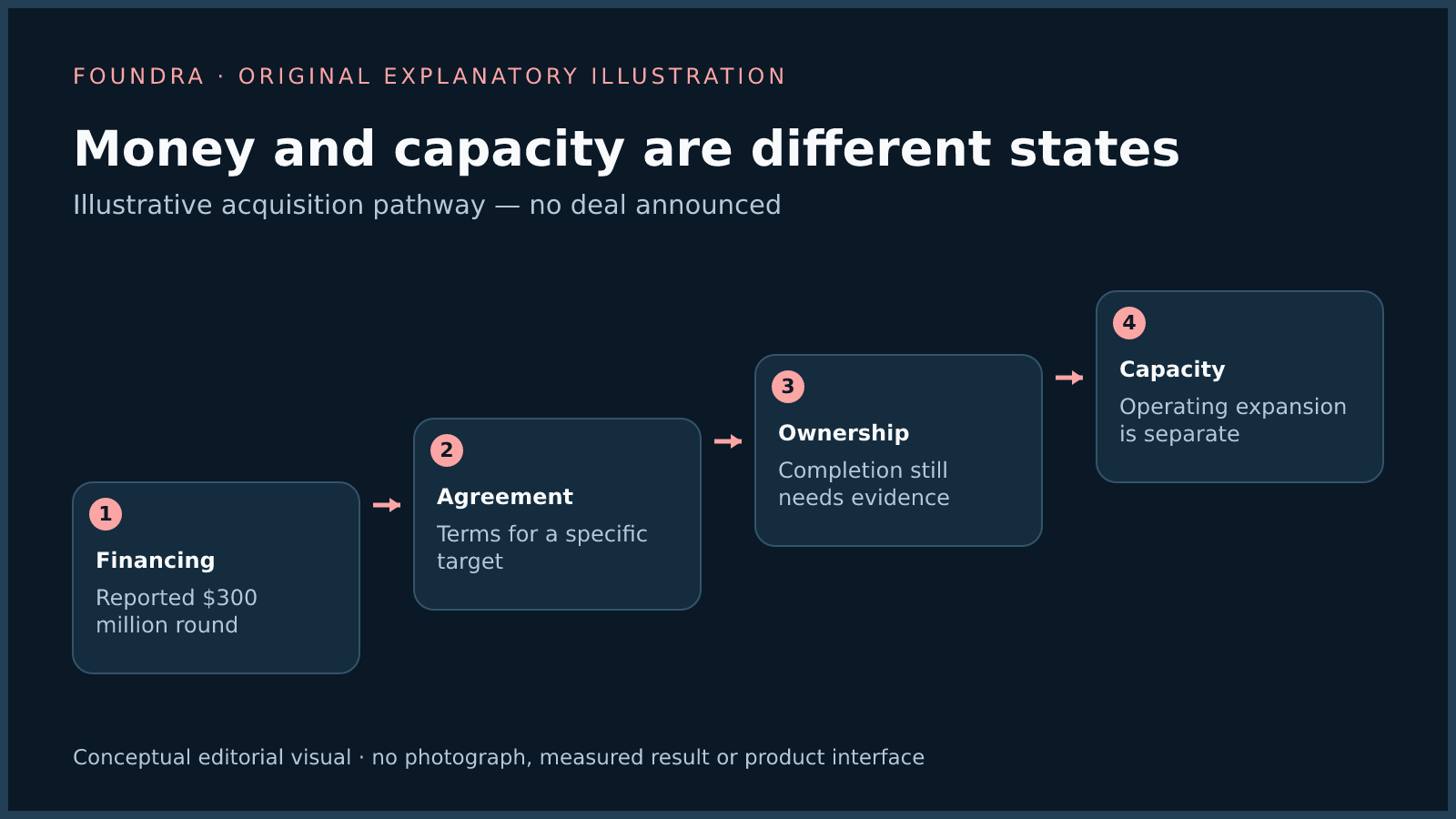
Two November 9 reports describe a Series A for the European defence and industrial rollup. The financing is distinct from any future purchase or expansion of a manufacturer.
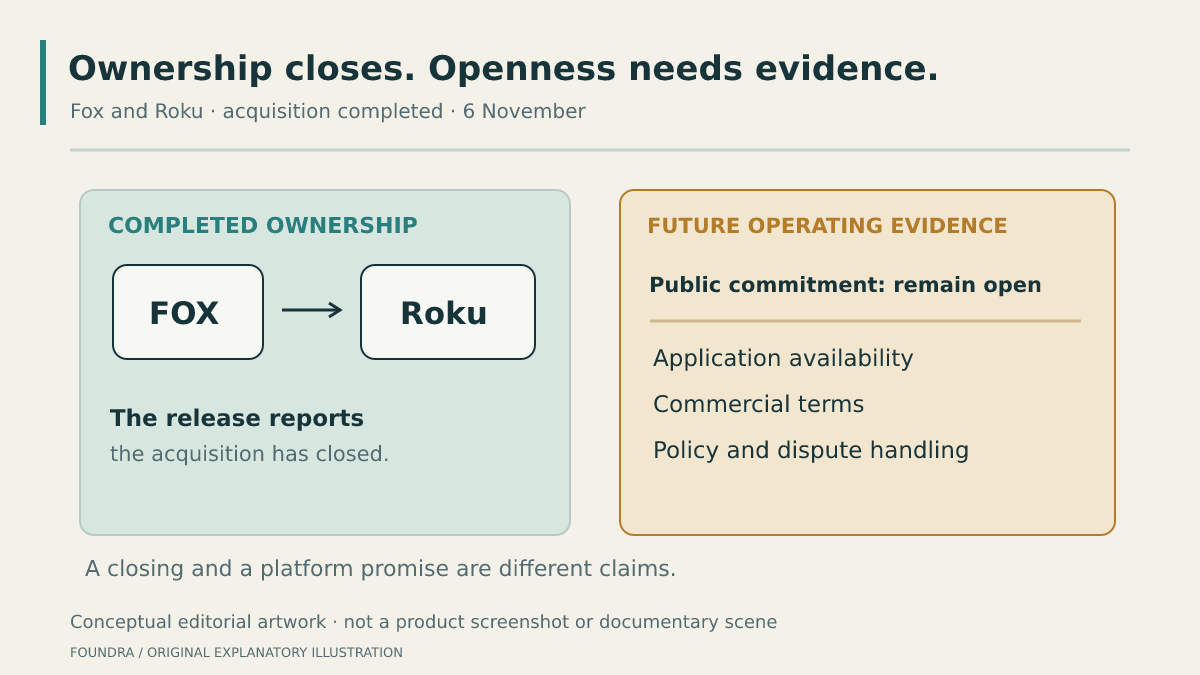
The November 6 closing moves the story beyond an acquisition agreement. Fox’s commitment to keep Roku open matters to streaming founders, but it is a promise about future operation rather than a measured outcome.
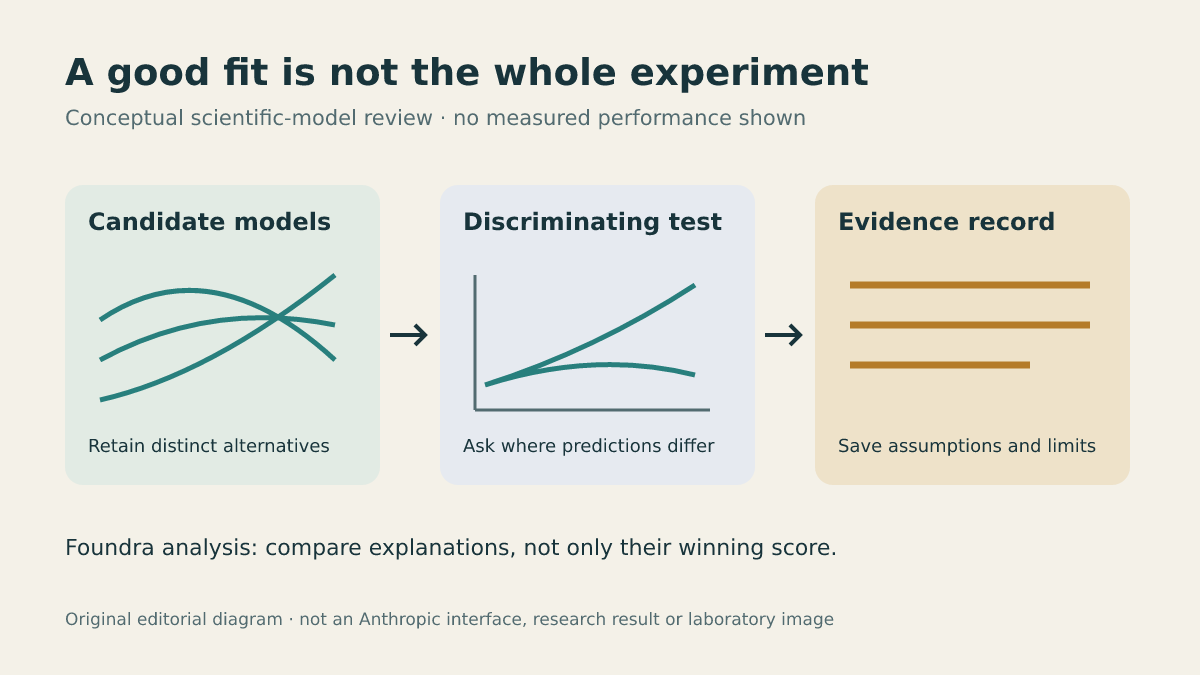
A November 6 guest essay examines AI-assisted scientific modeling. For research-tool founders, the useful question is whether a product preserves competing explanations and the evidence needed to distinguish them.
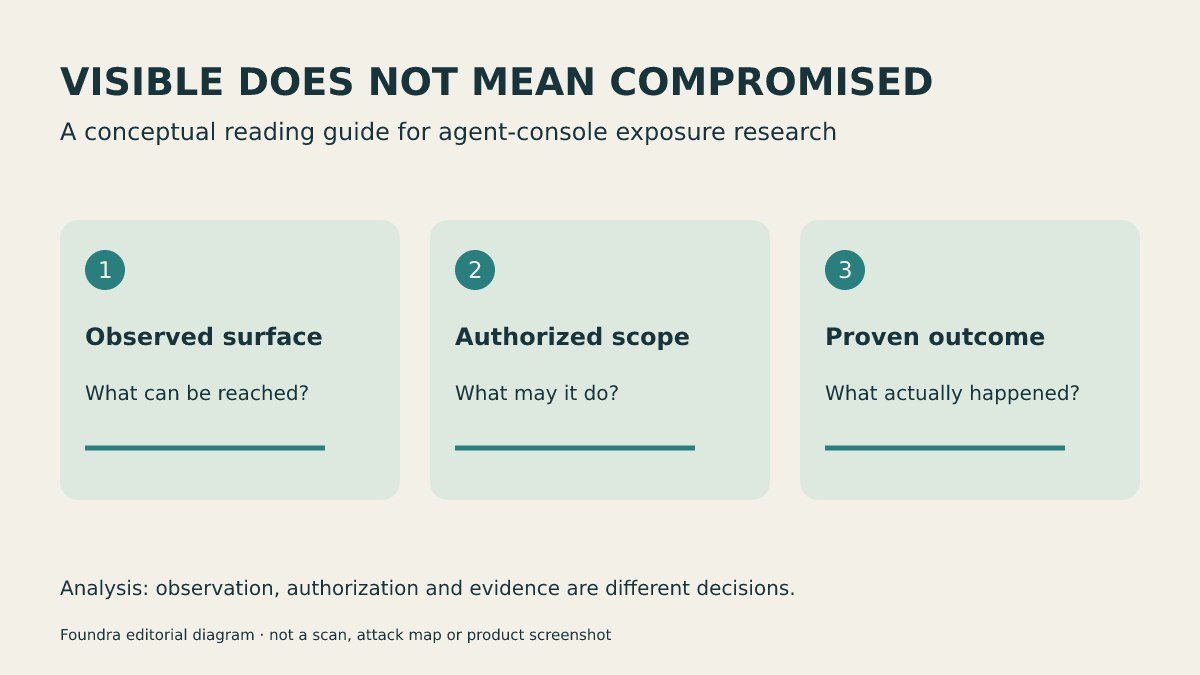
A November 5 research report identifies publicly reachable ARTEX consoles. Its measurements matter for AI-security founders, but they do not establish how many organizations were compromised or whether an autonomous attack succeeded.
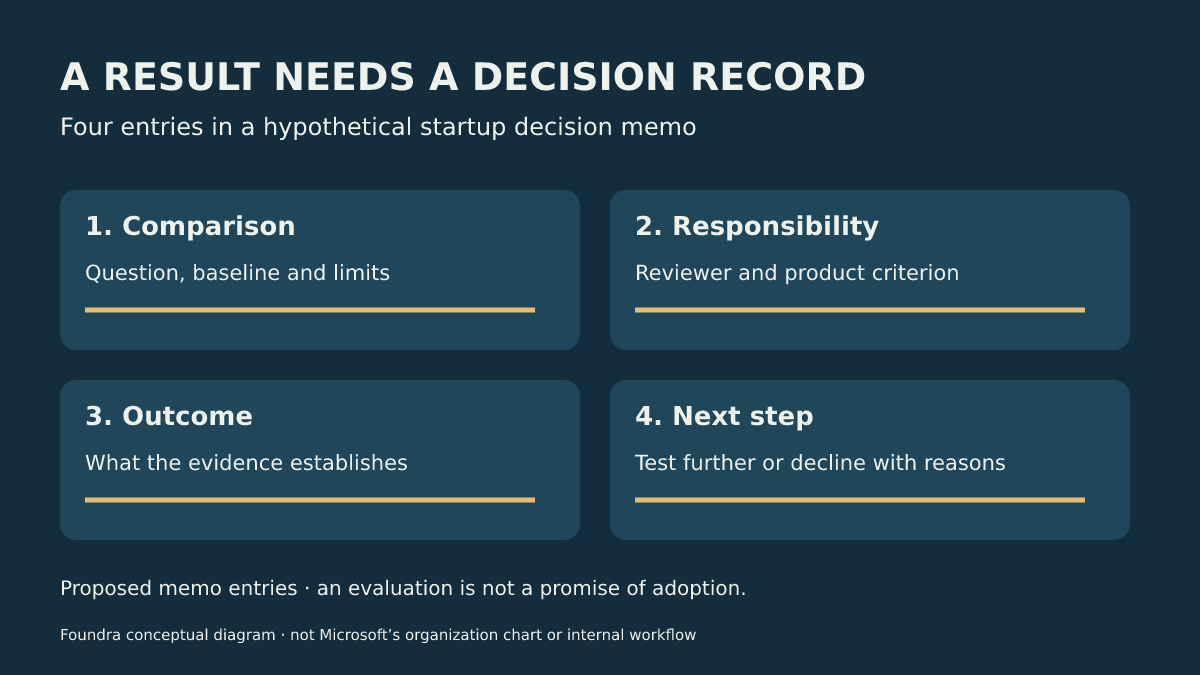
In a November 6 personal post, John Langford describes leaving Microsoft and says AI Frontiers is over. His account is one participant’s perspective—not a company-wide finding—but it raises a useful organizational question for AI founders.
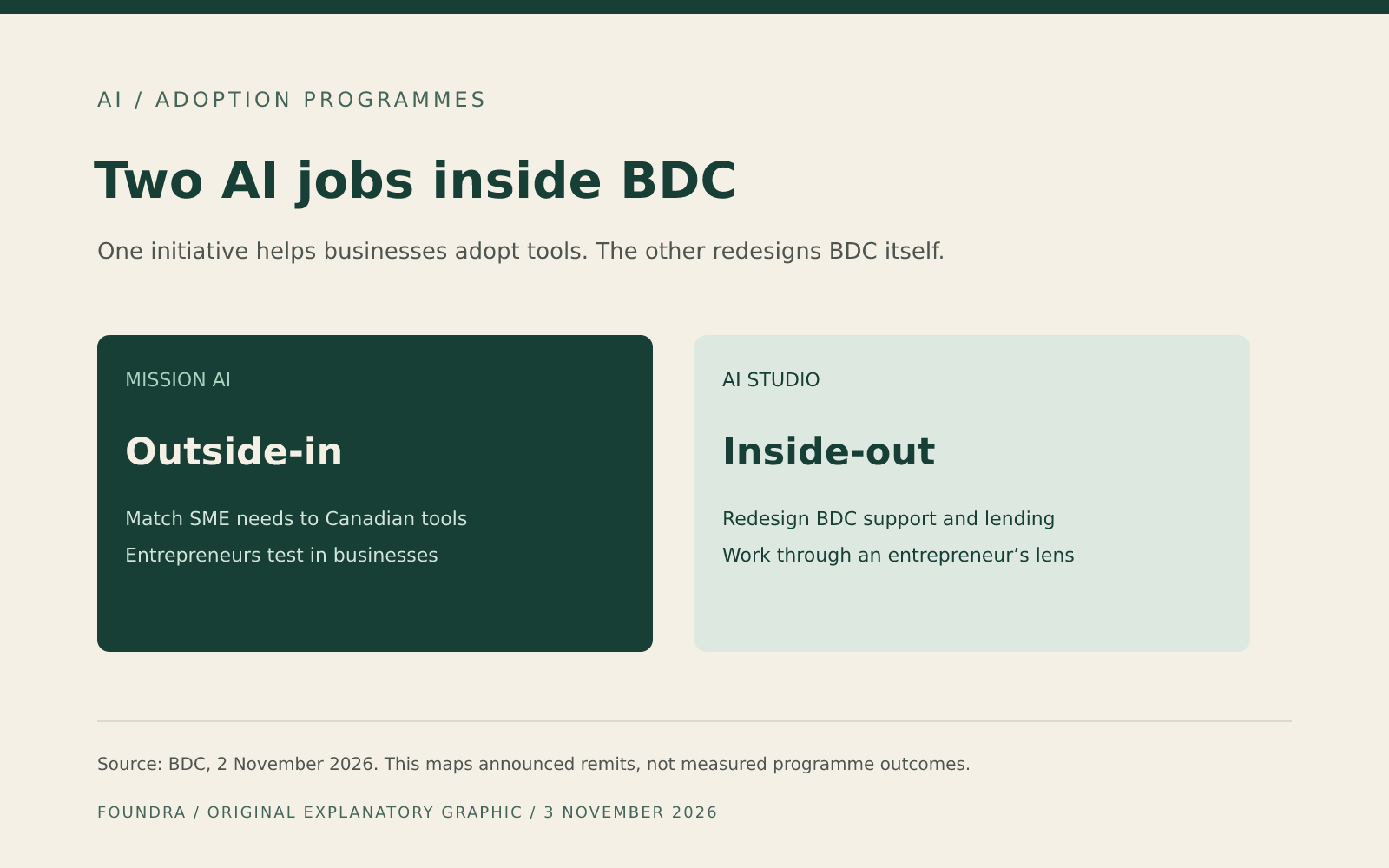
Mission AI will test Canadian tools in businesses; AI Studio will work on BDC’s support and financing journey. The November 2 launch does not establish outcomes for either.
The November 2 release introduces a lay-language guide for non-employer firms. Its practical value is prioritisation, not a new certification or promise of immunity.
The November 3 unaudited consolidated filing reports September-quarter revenue of ₹438.73 crore and net profit of ₹30.80 crore. The comparison period and accounting basis matter.
A November 2 company statement sets out the lab’s ambition. Existing long-context research offers technical context, not proof that its systems make scientific discoveries.
The solo-business finance platform announced $40 million in Series B funding alongside a $60 million customer-acquisition facility. The distinction matters when evaluating what its new resources are intended to finance.
The Montréal startup’s October 29 pre-seed announcement puts human-reviewed, source-traceable training at the centre of its defence software proposition. Classified and air-gapped support is a development goal.
AJ VC backs the four-founder skincare company. Recognition, formulation claims and repeat purchasing need different evidence; the funding does not prove product efficacy or sales growth.
The company’s first acquisition brings customers, people and assets into a business built around software and human-led accounting. It is not a purchase of all of Finally.
The startup acknowledges new pre-seed funding from GreenSky Ventures. Its RaLHF product proposes portable personal context, with the library stored in a user’s account.
Thomas Dohmke’s startup introduces Trails, distributed hosting and persistent session context. Its speed claims are not independently benchmarked here.
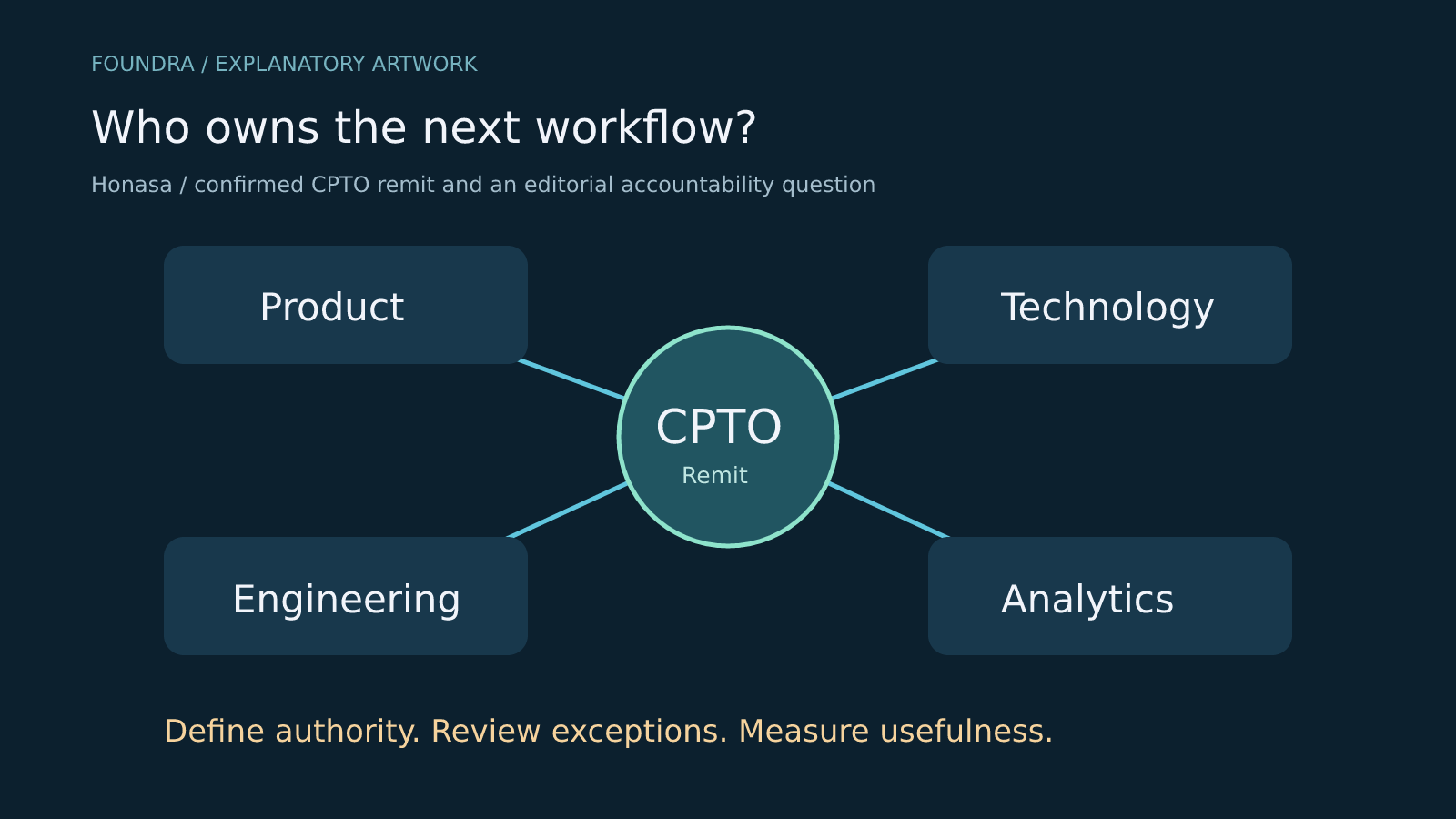
The appointment took effect on October 23. His remit combines product, technology, engineering and analytics as the consumer company builds AI tools and explores agentic workflows.
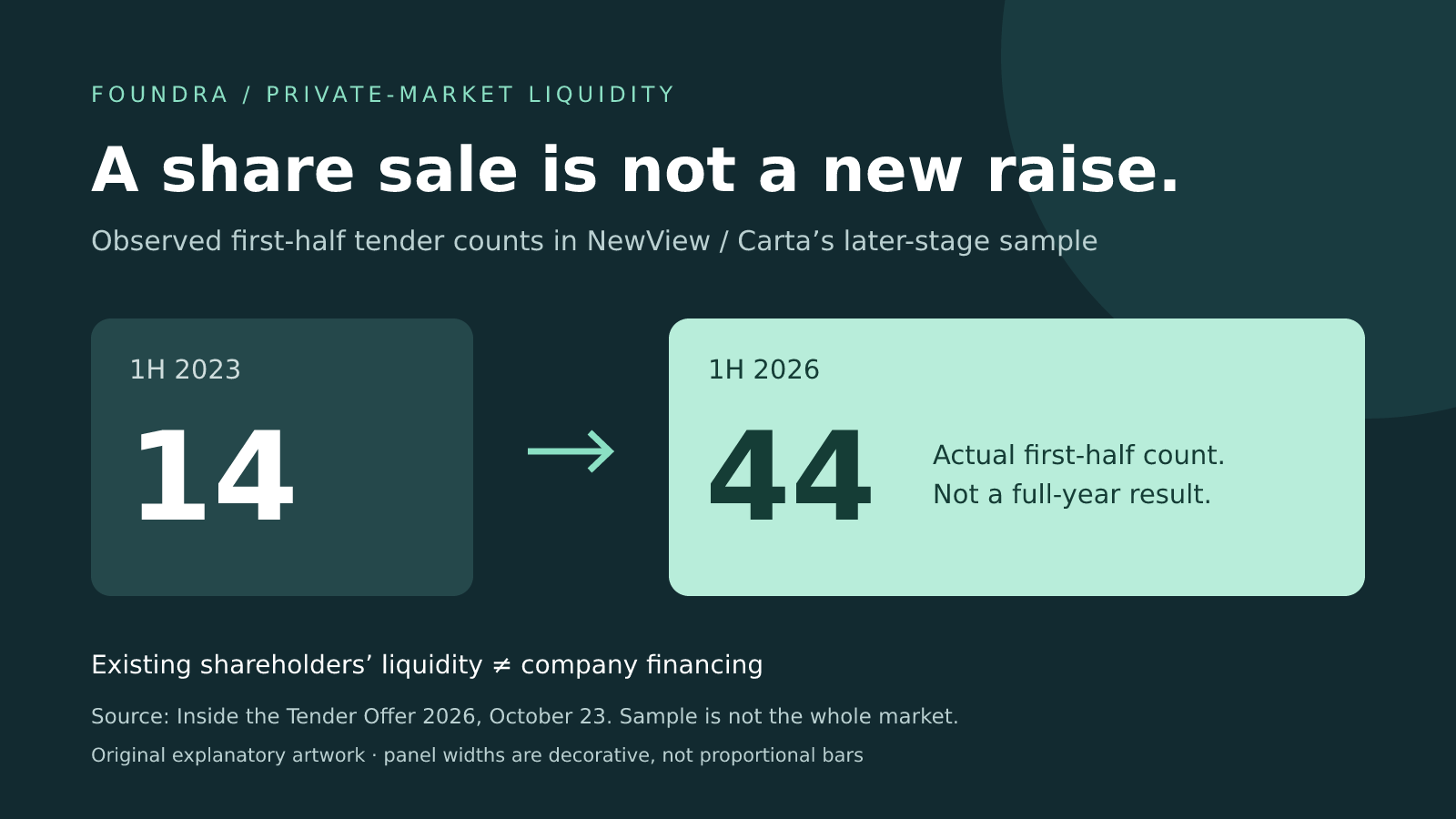
New research describes a recovery in sampled tender offers. Its most useful lesson for founders is to separate recorded activity, employee sale limits and company financing.