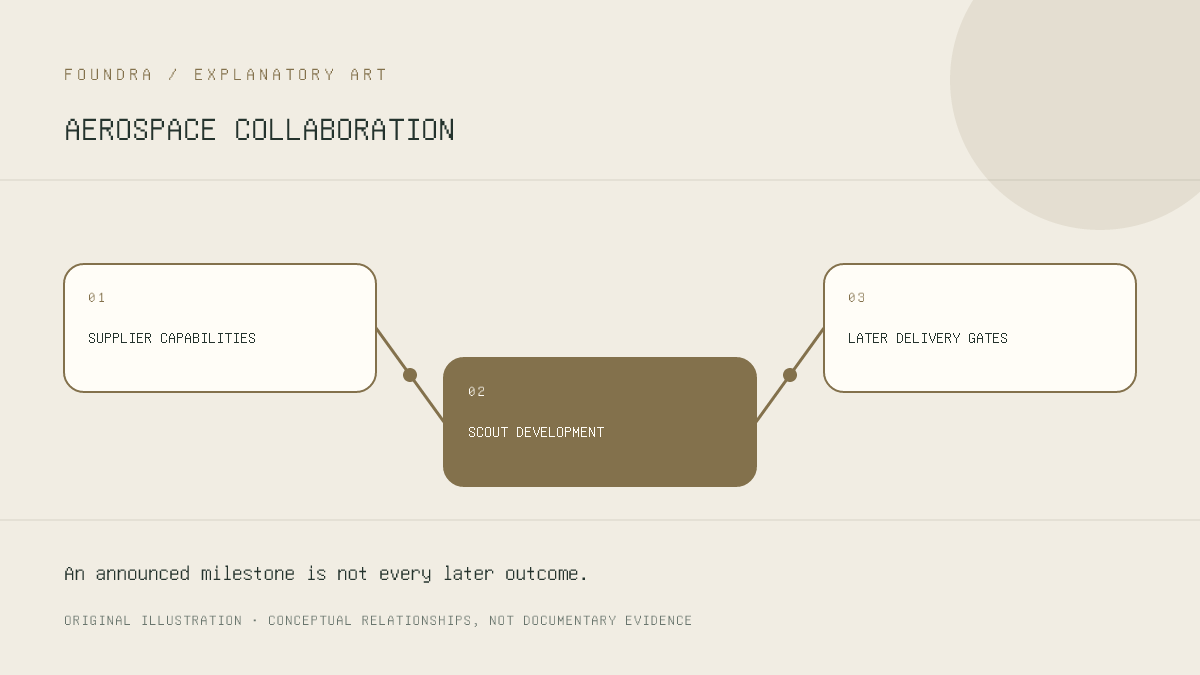
The Canadian defence startup has named partners across an aerospace supply chain. The announcement does not establish an operational aircraft or an air-force purchase.
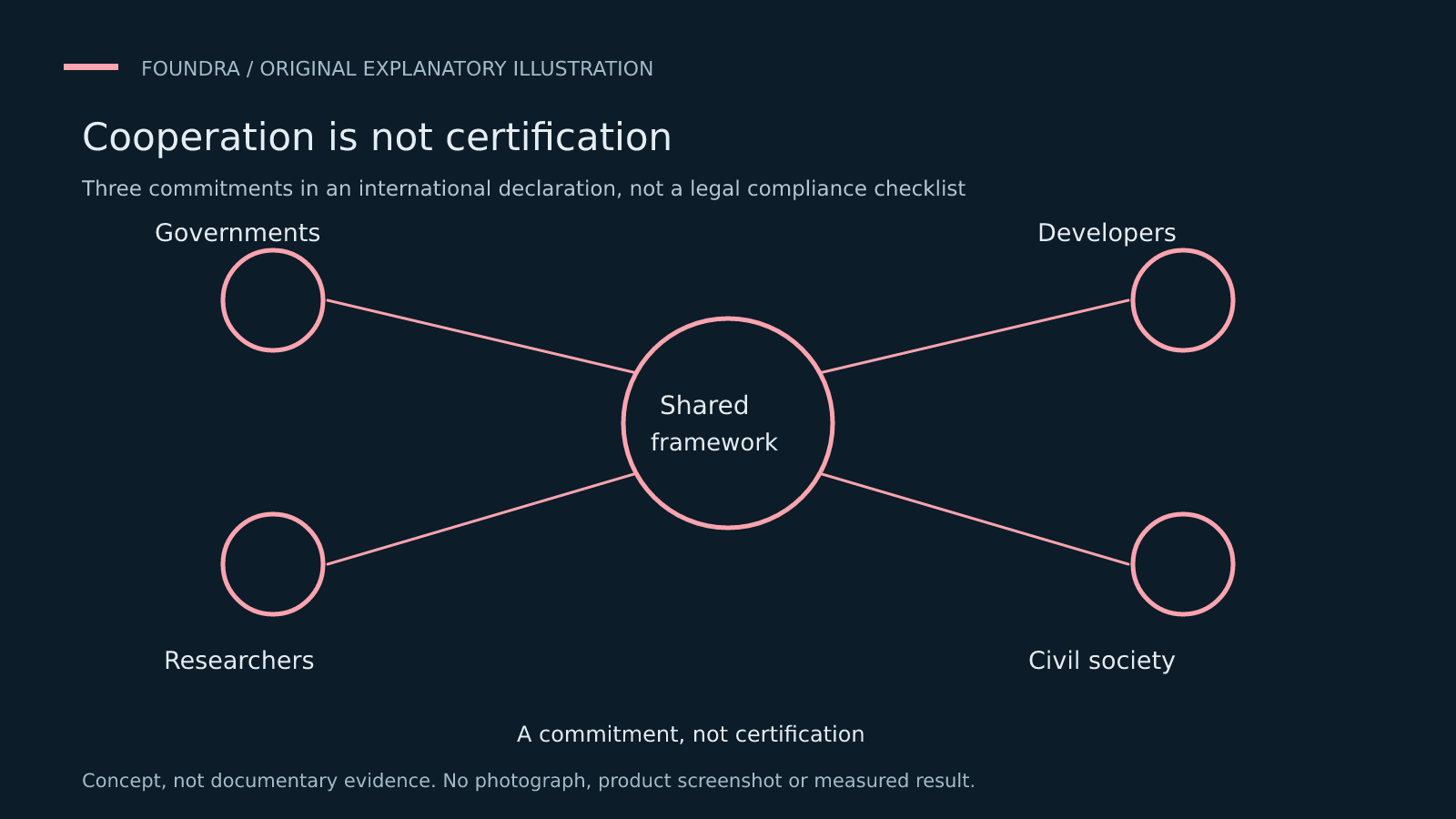
Canada’s November 9 statement records a declaration backed by governments, AI companies and civil-society organizations. It is a cooperation commitment, not a new universal compliance certificate.
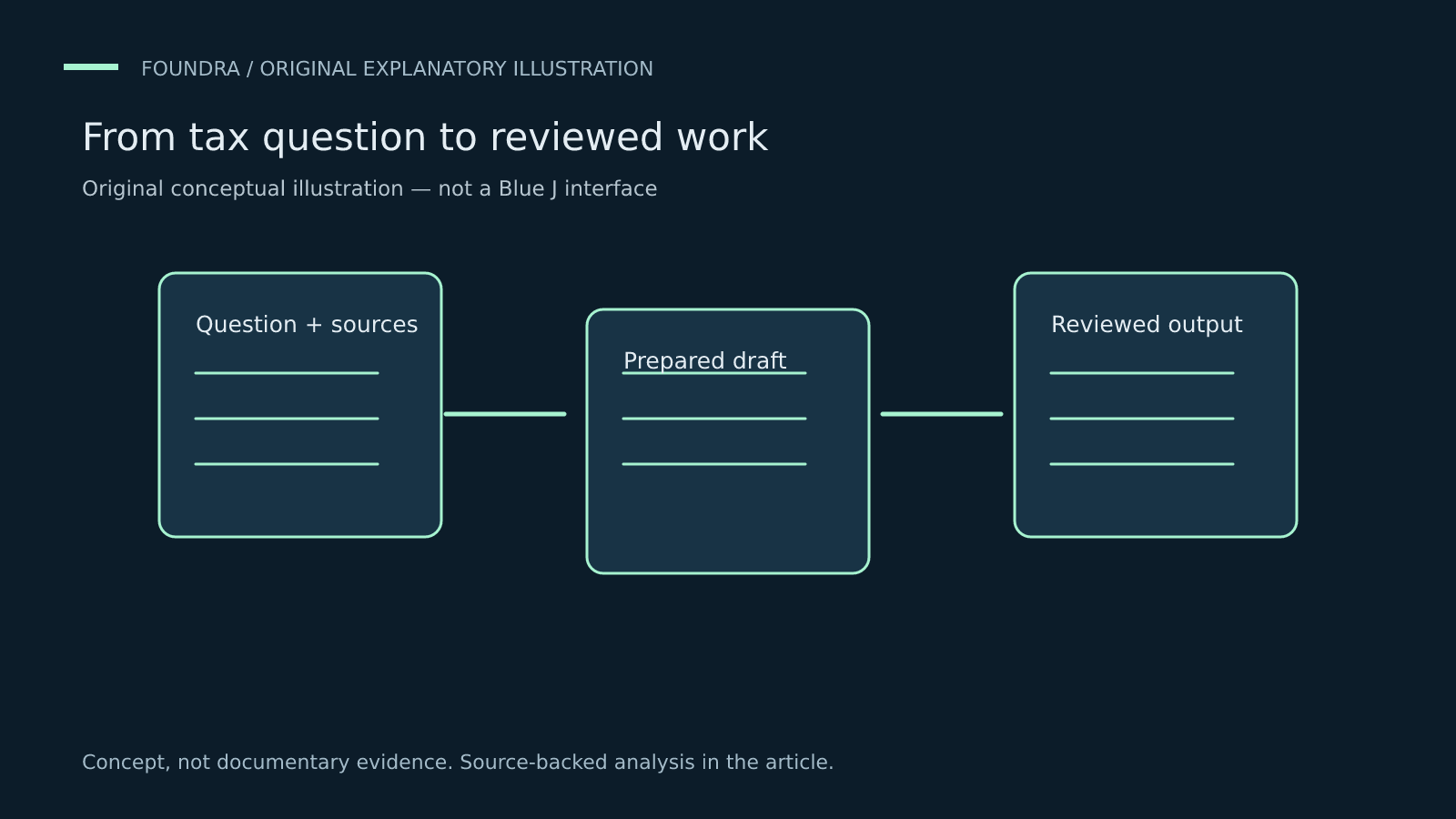
JMI Equity leads the Toronto company’s Series E. The harder product question is how an AI-generated answer becomes work a tax professional can review and own.
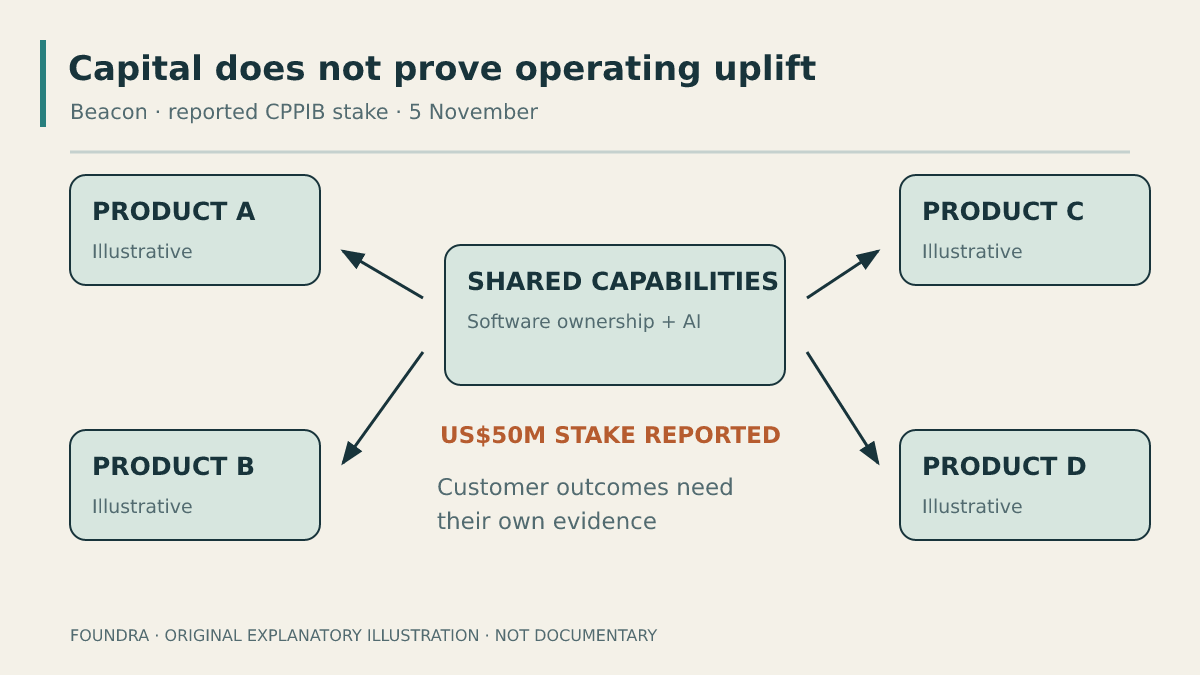
The Globe and Mail reports a US$50 million stake purchase, acknowledged in Beacon’s newsroom. Capital for software consolidation is not proof that an AI operating model improves every acquired business.
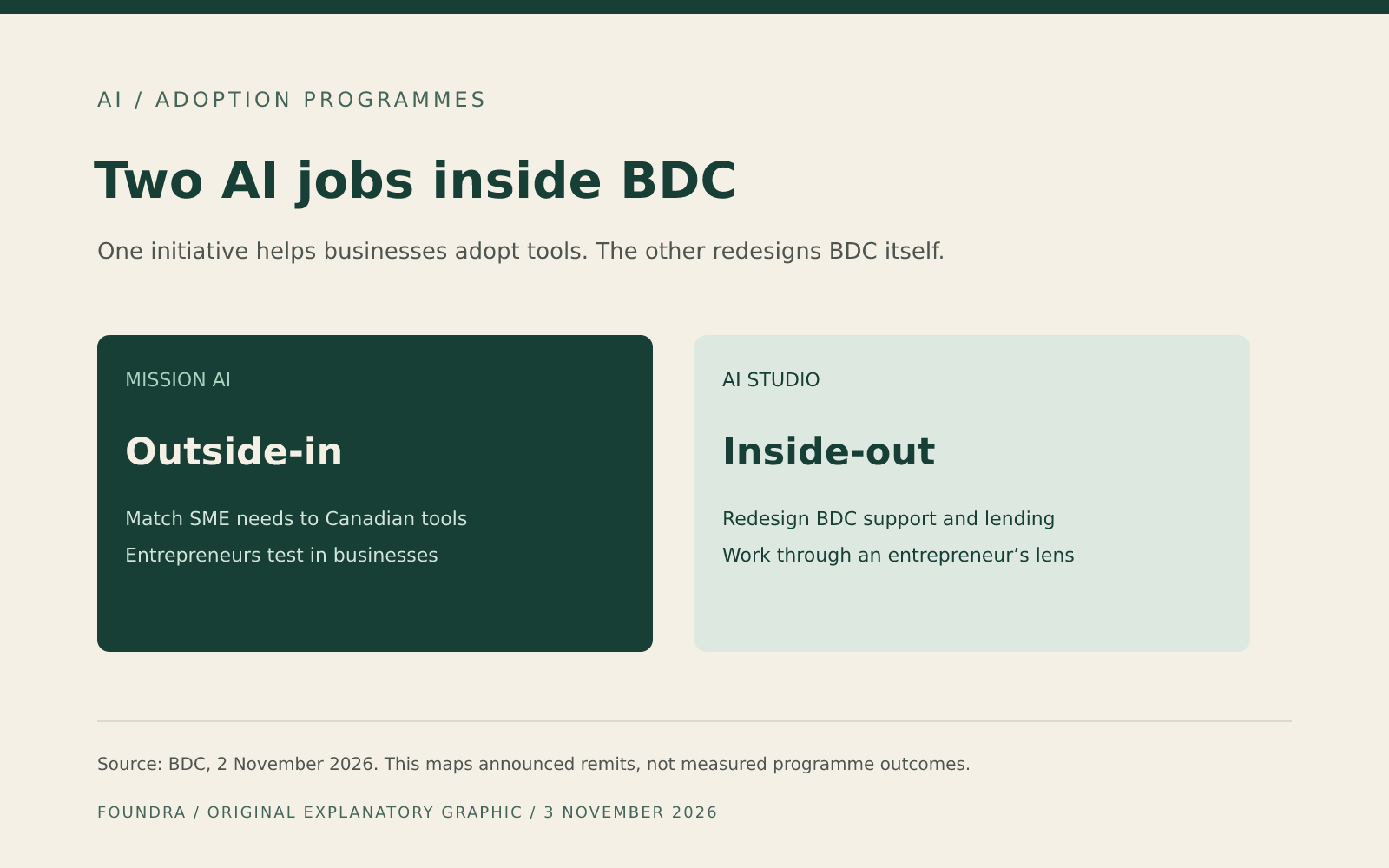
Mission AI will test Canadian tools in businesses; AI Studio will work on BDC’s support and financing journey. The November 2 launch does not establish outcomes for either.
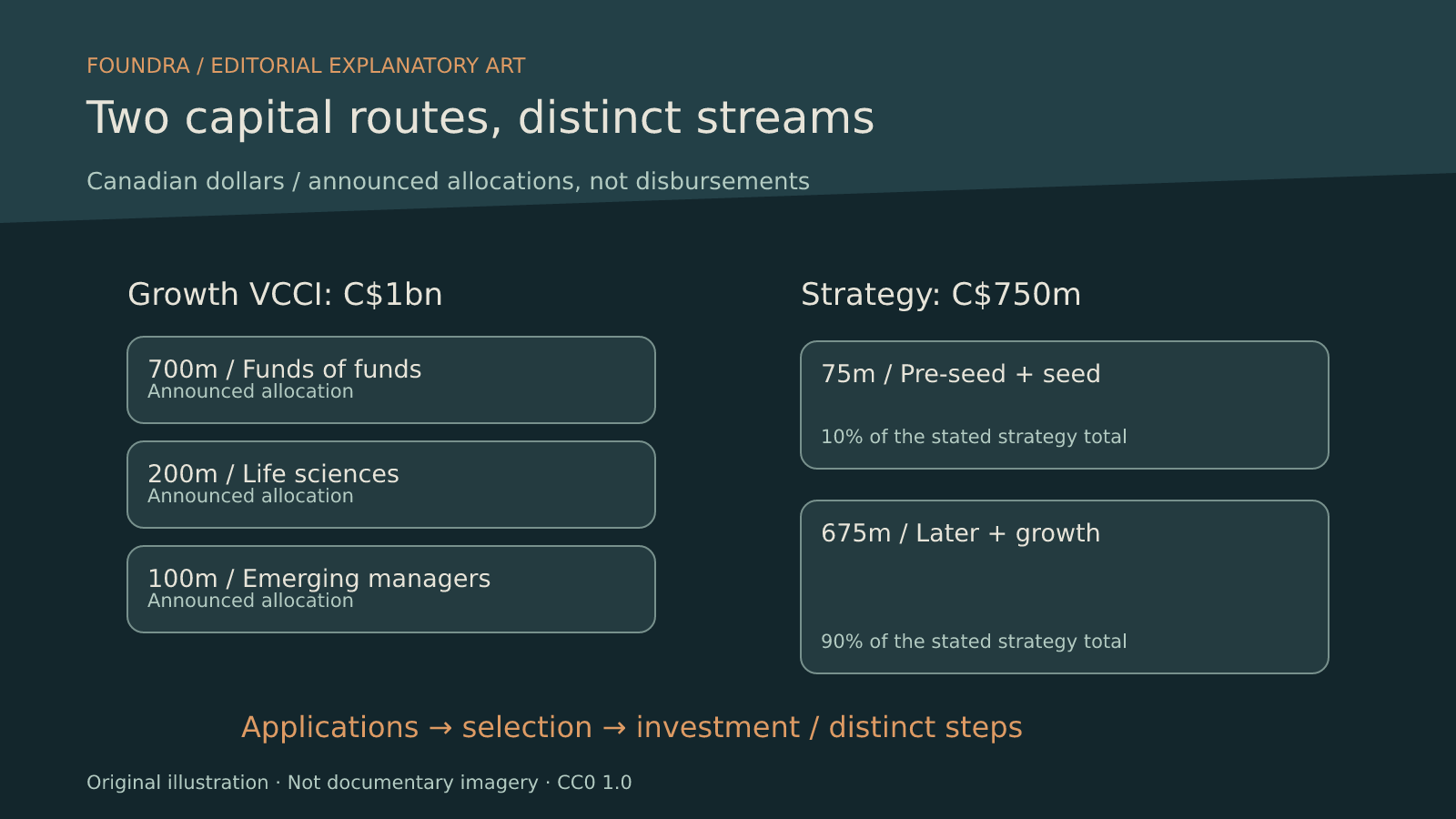
The company’s October 29 financing release and October 30 Canadian commitment update describe different flows of capital. The Series E target is not an amount confirmed closed, and the multi-year investment commitment should not be added to it.
An October 26 Ontario decision grants conditional dealer-registration relief. It prohibits leverage, requires reporting and does not amount to blanket approval of every token.
The October 15 decision is a capital-market milestone for the Spaceport Nova Scotia developer. Final exchange approval and the first TSX trading date remain separate steps.
The October 16 plan begins with manual driving, mapping and validation. Element Fleet Management is the operating partner; the announcement is not a Canadian robotaxi launch.
The October 15 announcement supports the Canadian Food Innovation Network. Expected SME support, follow-on investment and jobs are targets—not completed outcomes or cheques to every member.
The expanded initiative supports adoption, commercialization and ecosystem services. Its programme page warns that application-intake opening dates may differ by region.