Toronto is a future service target. Today’s milestone is preparation, including the fleet work needed before a public ride.
Before anybody books a ride
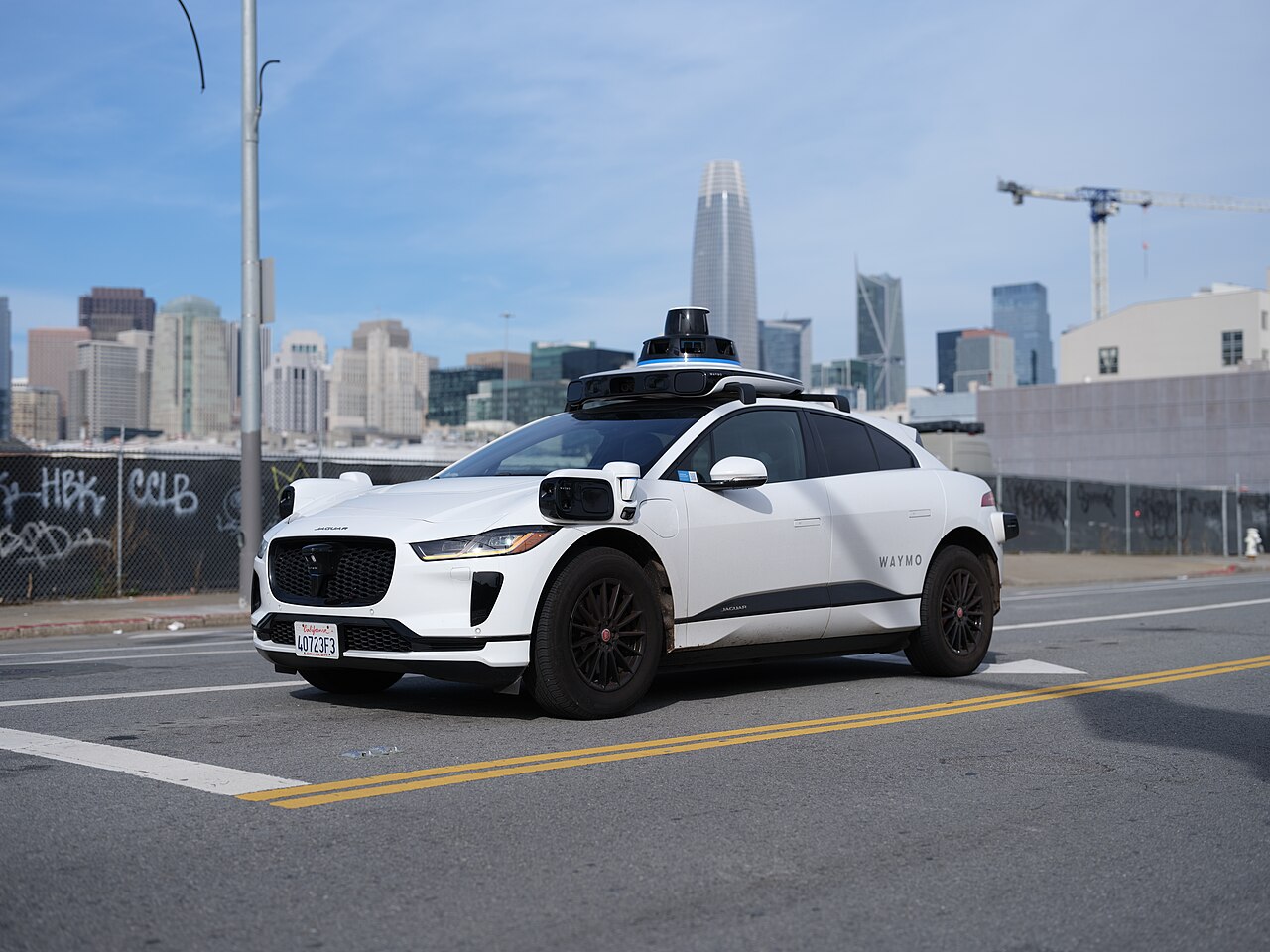
The first public sign of Waymo's Toronto plan is expected to look less dramatic than a driverless ride. Its October 16 announcement says vehicles will begin driving manually in the coming days as the company maps streets and validates its system with trained specialists behind the wheel. The target for welcoming the first riders is 2028. Toronto has been named as a future destination, not opened as a robotaxi market today.
That sequence is the news. Waymo says it is laying the groundwork for a fully autonomous ride-hailing service and investing in local facilities and jobs. Its description begins with preparation and testing rather than an immediate consumer offering. Coverage that skips directly to the future service would remove the operating steps that distinguish a market announcement from an actual launch.
The planned partnership with Toronto-headquartered Element Fleet Management is another material part of the announcement. Waymo says Element will provide end-to-end fleet-management services, and describes intended roles over time in maintenance, validation driving, customer service and other operations. These are plans for the build-out, not evidence that all the jobs or facilities already exist.
For a consumer, the immediate implication is modest but clear: the announcement does not establish that a rider can book a Waymo trip in Toronto now. For founders building around autonomous mobility, it offers a more useful picture of the work between selecting a city and serving its residents. A vehicle on the road can be part of a preparation phase without being part of an available commercial service.
The fleet is a system around the vehicle
A robotaxi story naturally draws attention to the driving technology. The Toronto plan also points toward less visible responsibilities: maintaining vehicles, organising validation work and supporting customers. Those functions do not disappear because a service is designed to operate autonomously. Analytically, they are part of the product that a rider eventually experiences, even if they are not what attracts attention in a demonstration.
Consider an illustrative disruption in which a vehicle is unavailable for service. The practical response involves more than a driving model: someone must identify the problem, coordinate maintenance and decide when the vehicle can return. This is a hypothetical fleet-management example, not a reported Waymo incident. It helps explain why an operating partner can be important to a city expansion.
The same distinction applies to validation. Mapping and specialist-supervised driving are announced steps intended to adapt the system to Toronto's conditions. Their presence should not be treated as independent proof that the resulting service will meet every local challenge. It is more accurate to describe a process designed to investigate and address those challenges, with evidence still to be gathered as the work proceeds.
For mobility startups, the potential lesson is about where a business might fit in that process. A useful supplier does not necessarily have to reproduce the autonomous-driving stack. It might address an operational problem around availability, maintenance or customer support. That is an analytical observation about the announced functions, not a claim that Waymo has opened a procurement programme or invited particular vendors.
The announced Toronto sequence
Prepare
Invest in facilities and begin local groundwork.
Map and validate
Start manual driving and testing with specialists behind the wheel.
Future riders
Aim to welcome riders in 2028; no current public launch established.
A date to follow, not a promise to bank on
The 2028 rider goal provides a planning horizon, but a target is not an achieved milestone. This announcement does not establish regulatory completion, a final service area, fares or a finished rider experience. Those details should be checked when they are actually published. A future date can organise expectations without supporting claims that the entire route to launch is settled.
The relevant next observations are correspondingly concrete: whether the announced manual-driving phase begins, what the company says about validation progress and whether later disclosures specify the operating arrangements for riders. It is better to follow those milestones than to count every preparation vehicle as evidence of a service already available to the public.
For Toronto, the prospect is a new mobility option in the future. For the broader industry, the announcement illustrates a distinction that often gets lost in expansion coverage: geographic ambition, local testing and public availability are separate events. Each can be newsworthy, but they should not inherit one another's status. The company's own sequence makes that separation unusually easy to preserve.
Waymo's Toronto story therefore begins with planned manual driving, facility investment and a fleet partner's announced operating role. Its intended destination is autonomous ride-hailing in 2028. The distance between those two points is not empty waiting time; it is the work set out in the company's announcement.
Sources
- Waymo original Toronto announcement ↗ Waymo original Toronto announcement · Primary source
Have additional information? Request a correction.