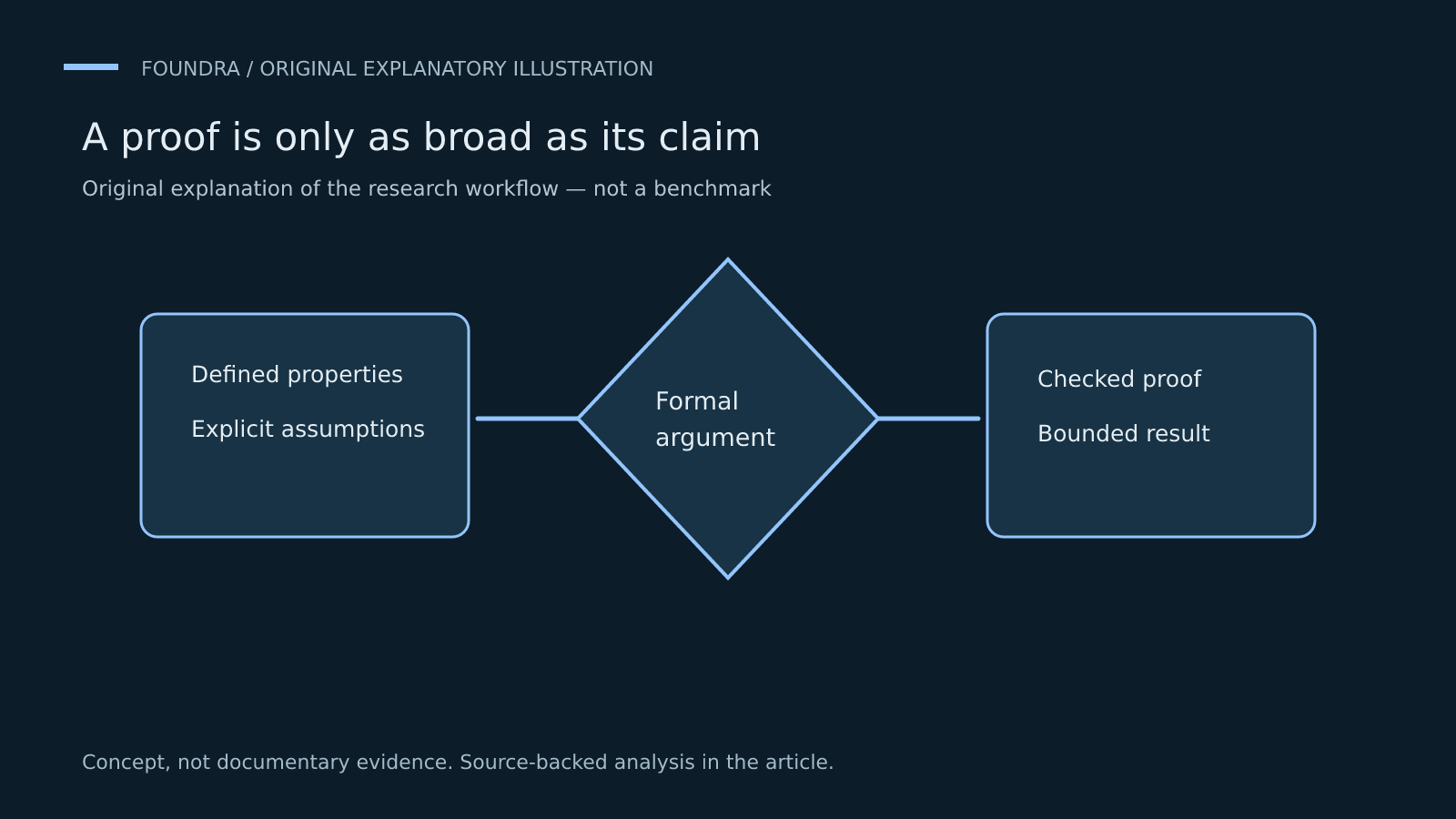
Researchers say agents helped prove properties of the protocol’s implemented code. The claim is about specified cryptographic properties, not immunity from every security failure.
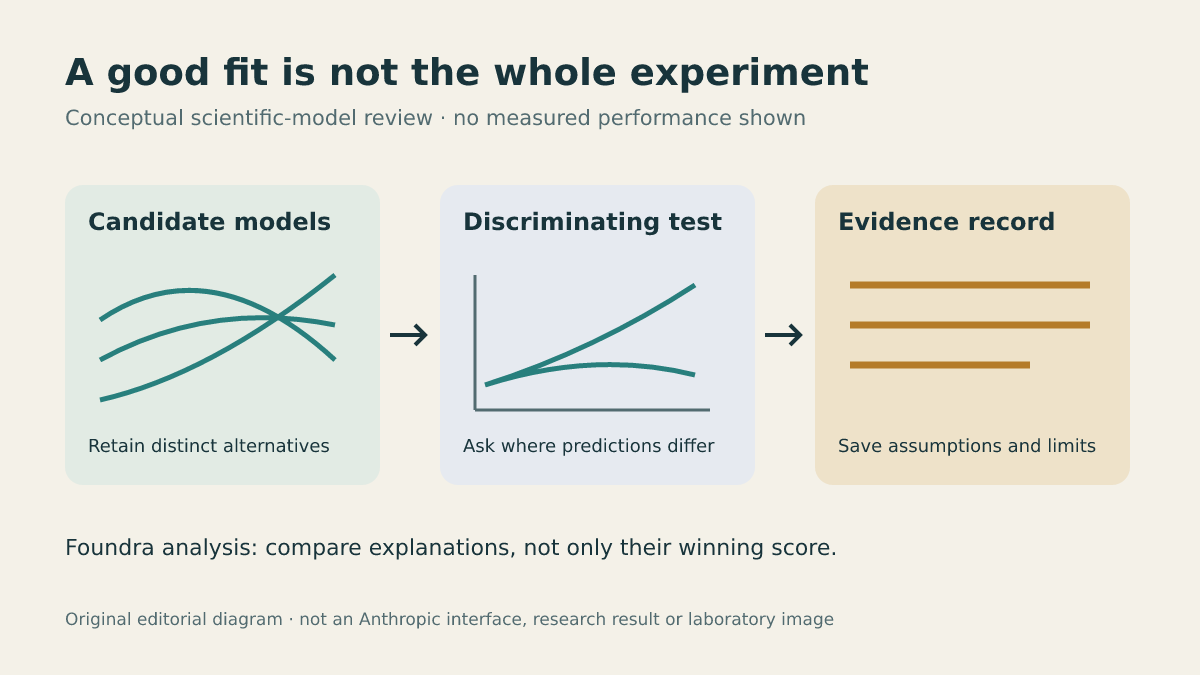
A November 6 guest essay examines AI-assisted scientific modeling. For research-tool founders, the useful question is whether a product preserves competing explanations and the evidence needed to distinguish them.
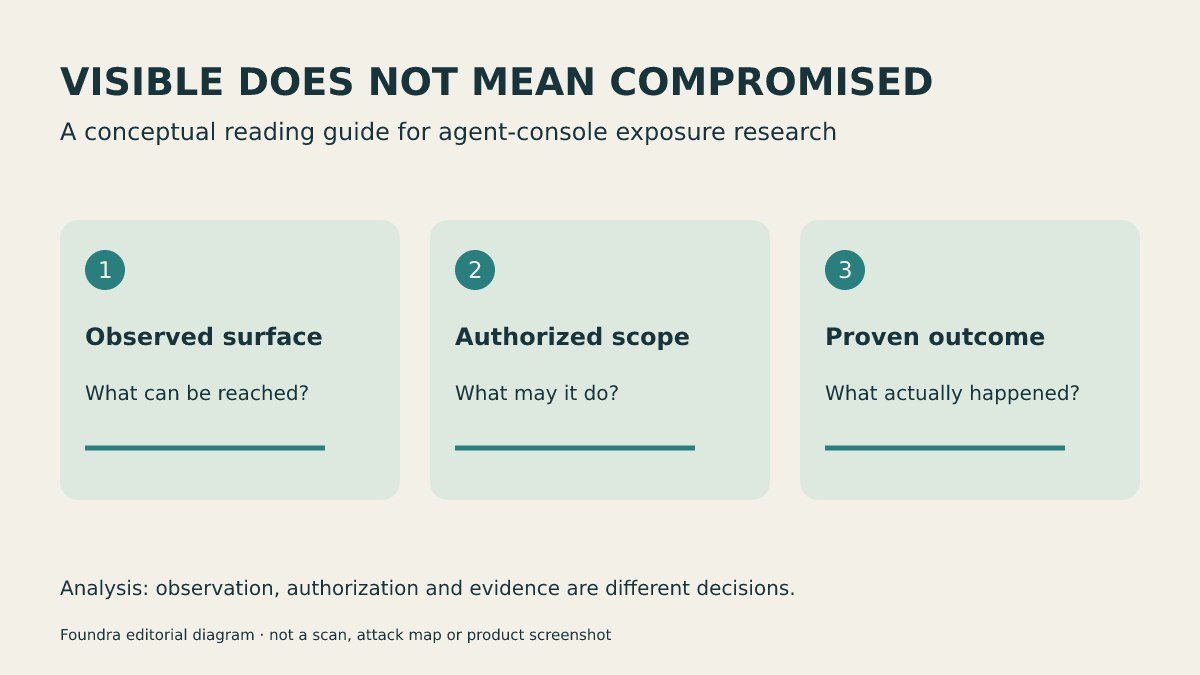
A November 5 research report identifies publicly reachable ARTEX consoles. Its measurements matter for AI-security founders, but they do not establish how many organizations were compromised or whether an autonomous attack succeeded.
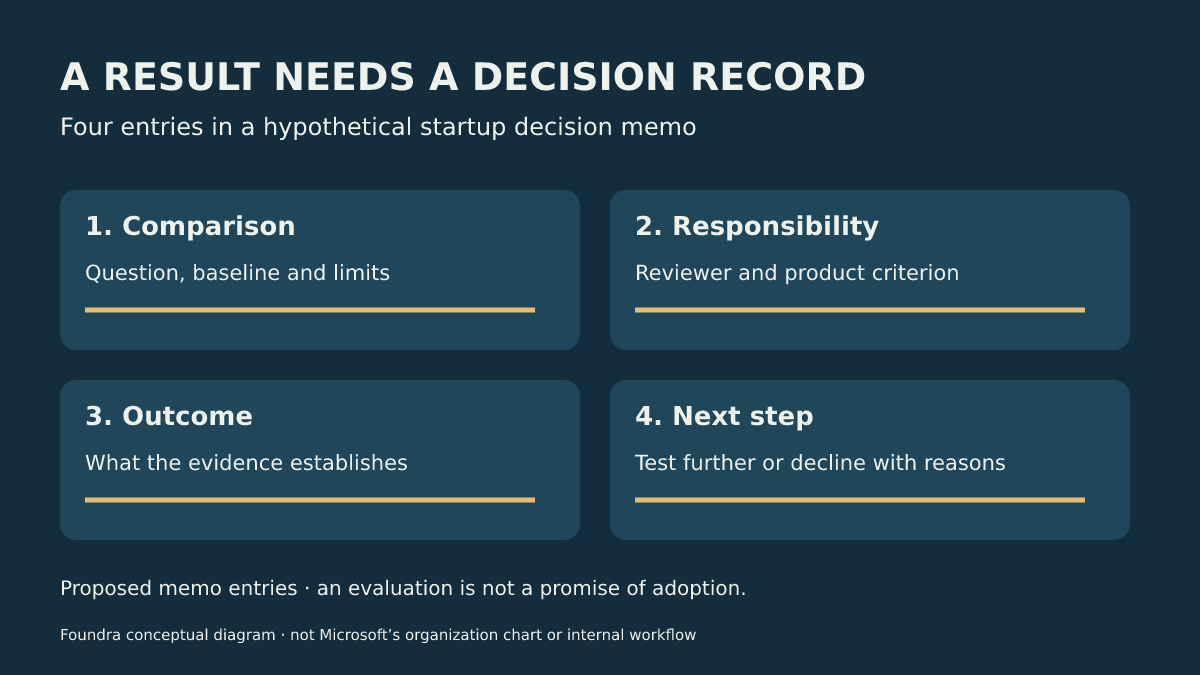
In a November 6 personal post, John Langford describes leaving Microsoft and says AI Frontiers is over. His account is one participant’s perspective—not a company-wide finding—but it raises a useful organizational question for AI founders.
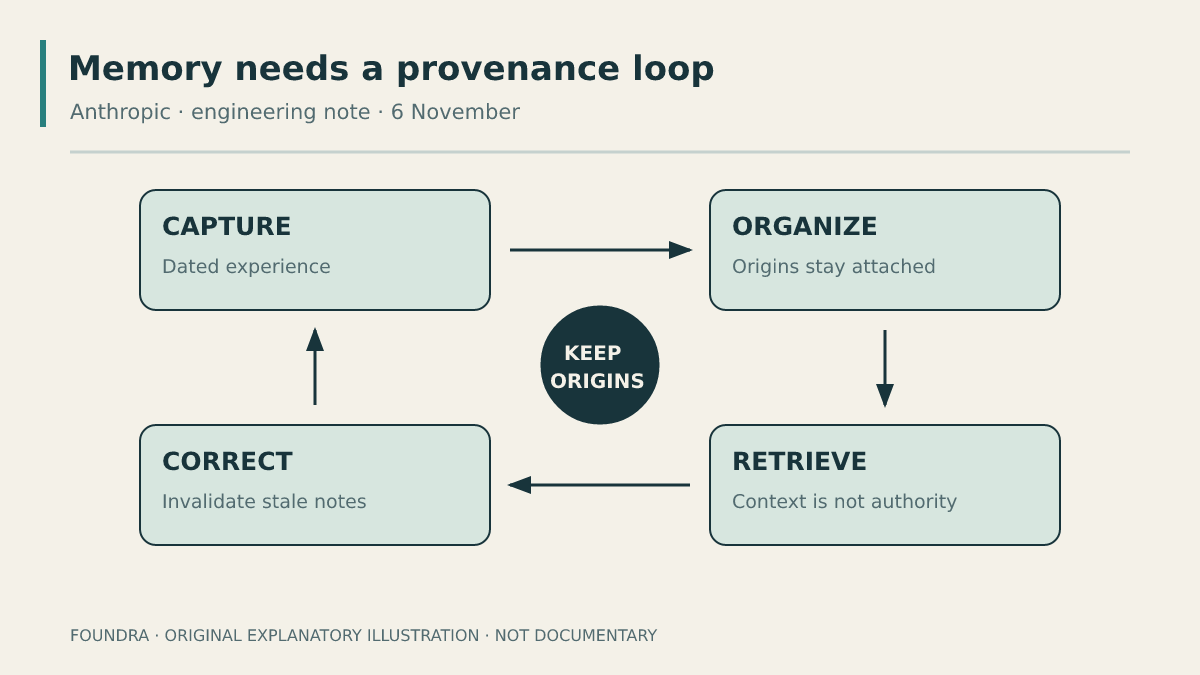
A November 6 engineering note separates capturing experience from reorganizing it. For teams building persistent agents, the consequential design choice is which memories become trusted context.
A November 2 company statement sets out the lab’s ambition. Existing long-context research offers technical context, not proof that its systems make scientific discoveries.
Randomly assigned agent preferences influenced professional analysts in a controlled task. The result is not a measurement of how all AI-assisted work behaves.
The rival AI developer reports a rare blocked upload attempt and publishes traces. Its observed test and steered follow-up experiments answer different questions.
An October 23 research announcement describes low-power network-level decoding. Its human-recording and rat experiments are not evidence of a new psychiatric treatment.
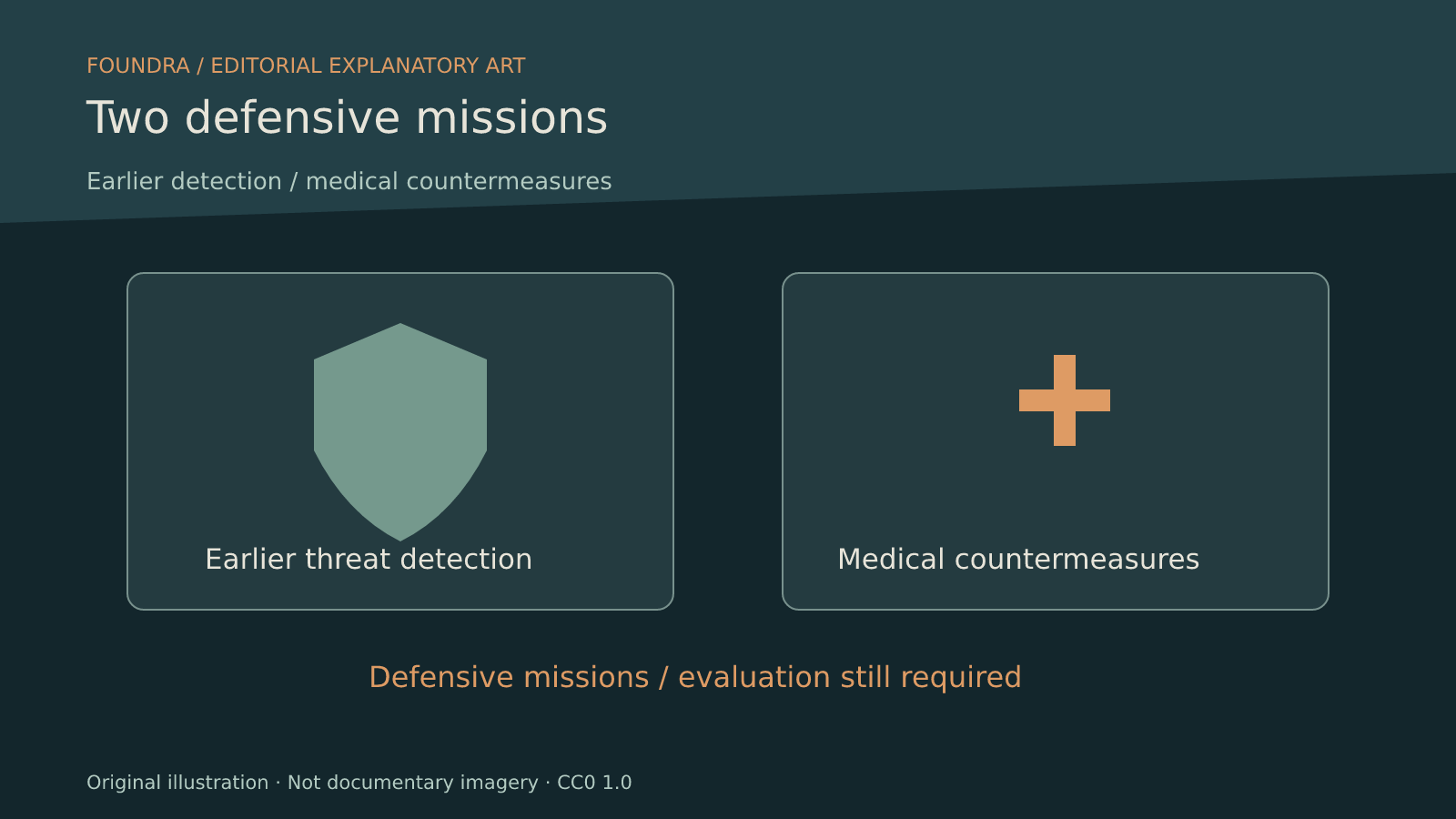
The government’s October 24 announcement identifies earlier threat detection and faster medical countermeasure development as initial delivery priorities.
TechCrunch named the Denver company its October 15 competition winner. The $100,000 prize recognises a startup presentation, not clinical validation or regulatory approval.
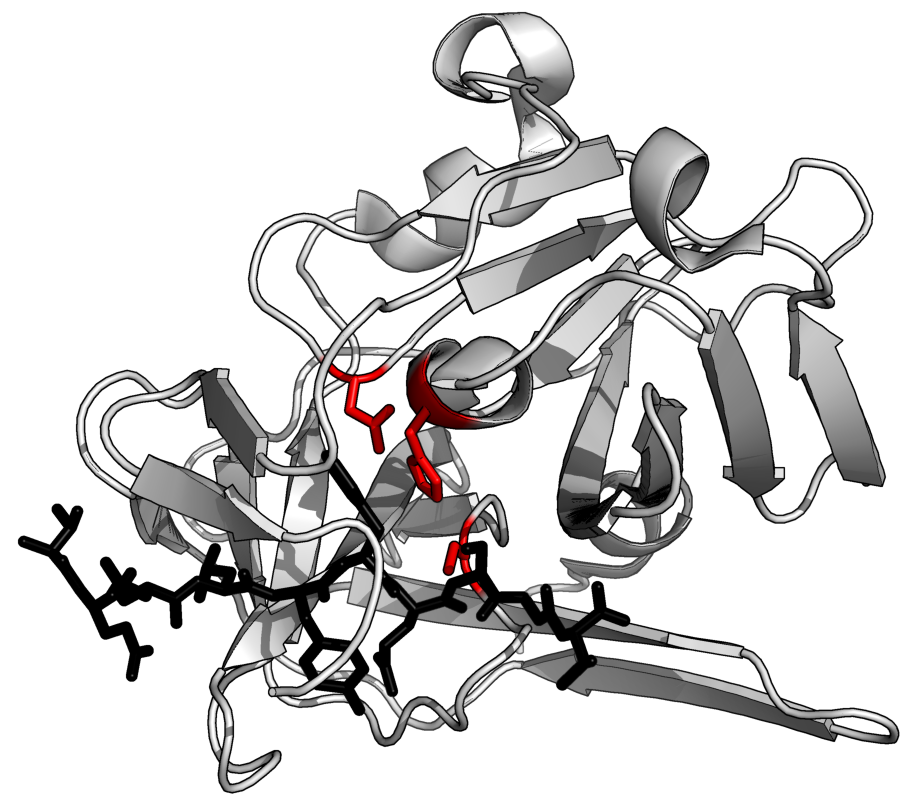
The October 14 papers use cysteine and zinc-based catalytic sites. Their public abstracts describe active designs, structural evidence and selected targets—not demonstrated patient treatments.
Public results and machine-checkable proofs make research easier to inspect. For AI product teams, the lesson is to build evidence that customers can examine beyond a polished answer.