An October 23 research announcement describes low-power network-level decoding. Its human-recording and rat experiments are not evidence of a new psychiatric treatment.
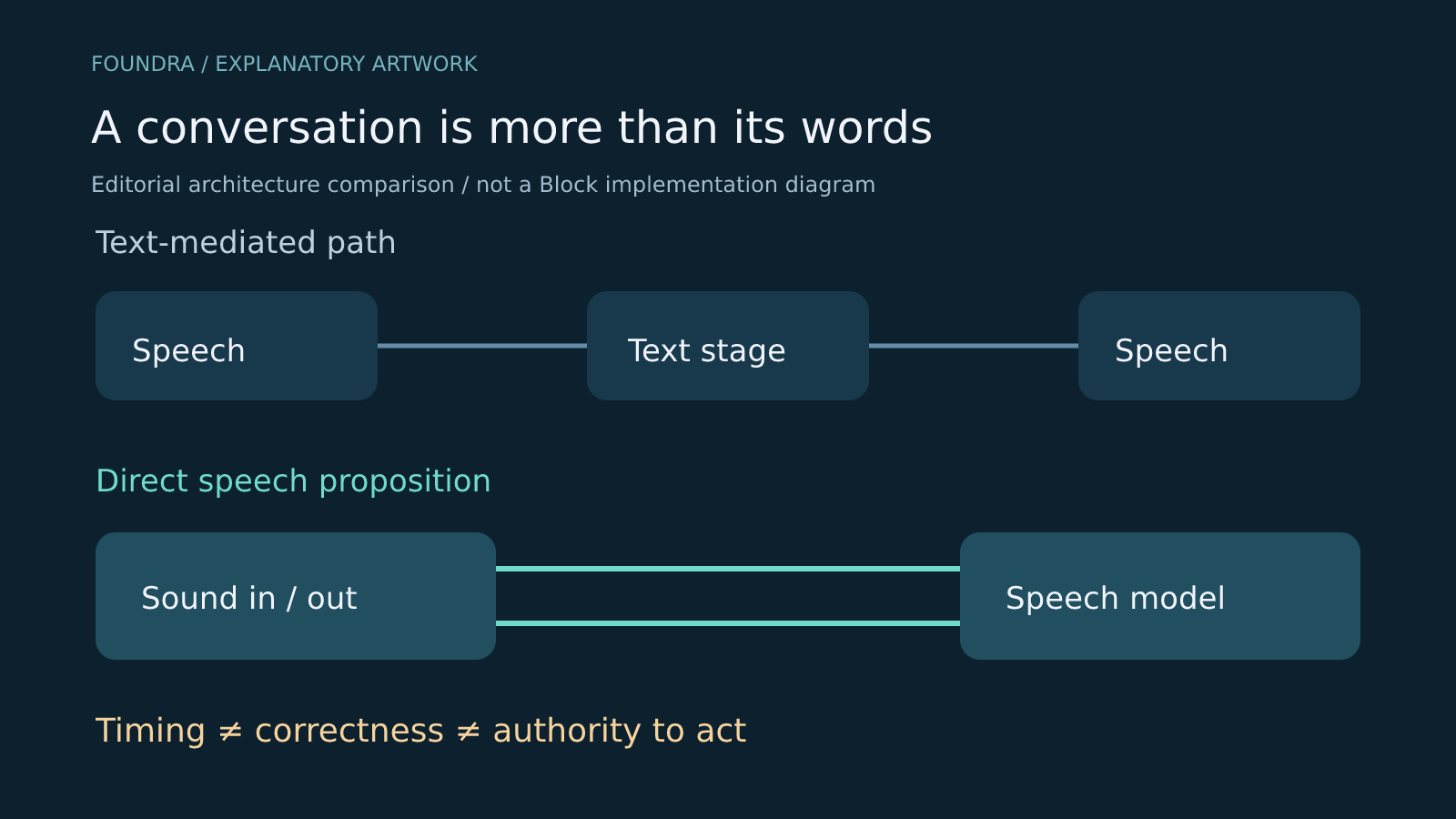
Block presents a speech-trained, full-duplex model and local Mac inference. The demos make a design proposition—not an independent reliability or empathy benchmark.
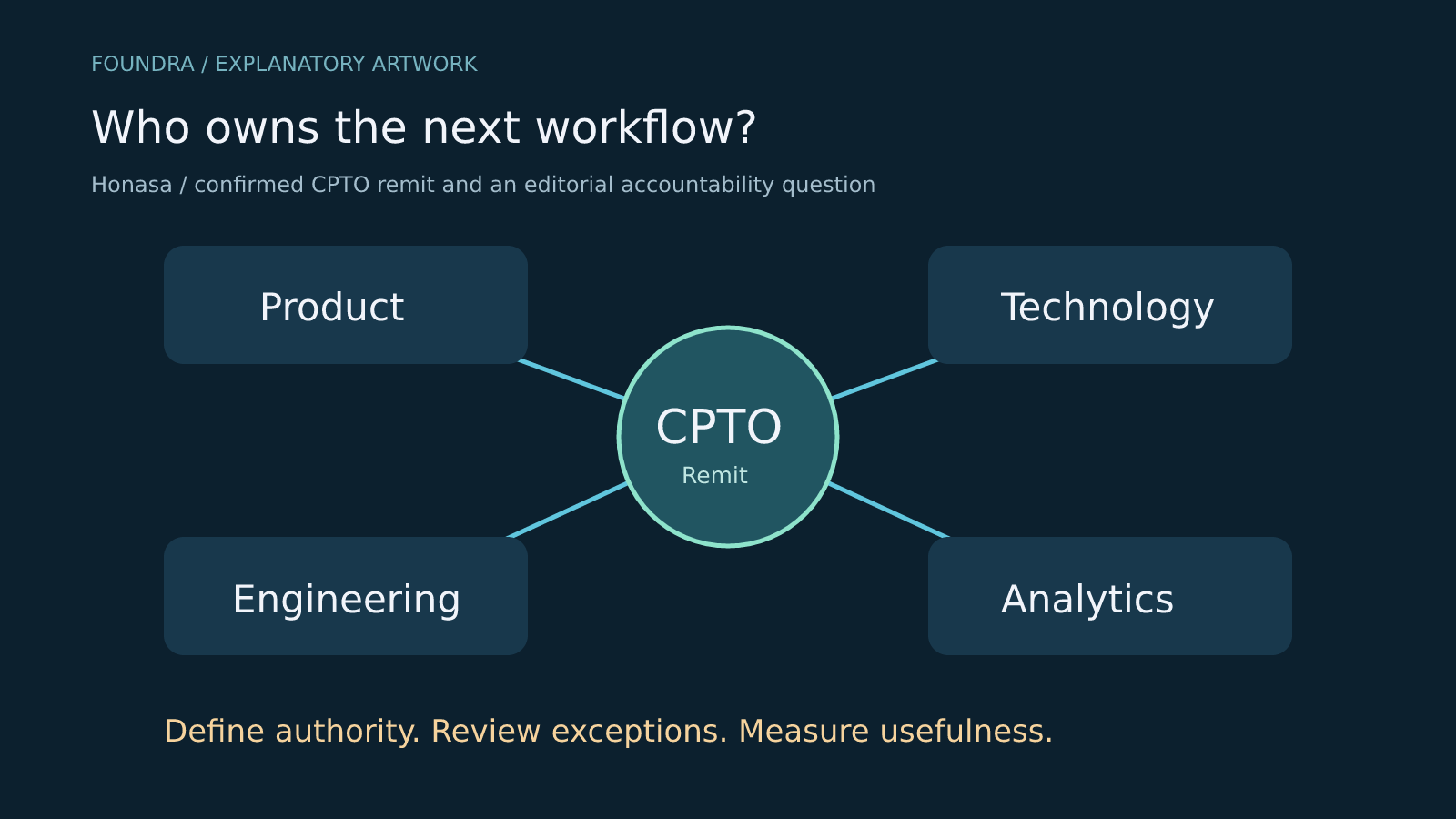
The appointment took effect on October 23. His remit combines product, technology, engineering and analytics as the consumer company builds AI tools and explores agentic workflows.
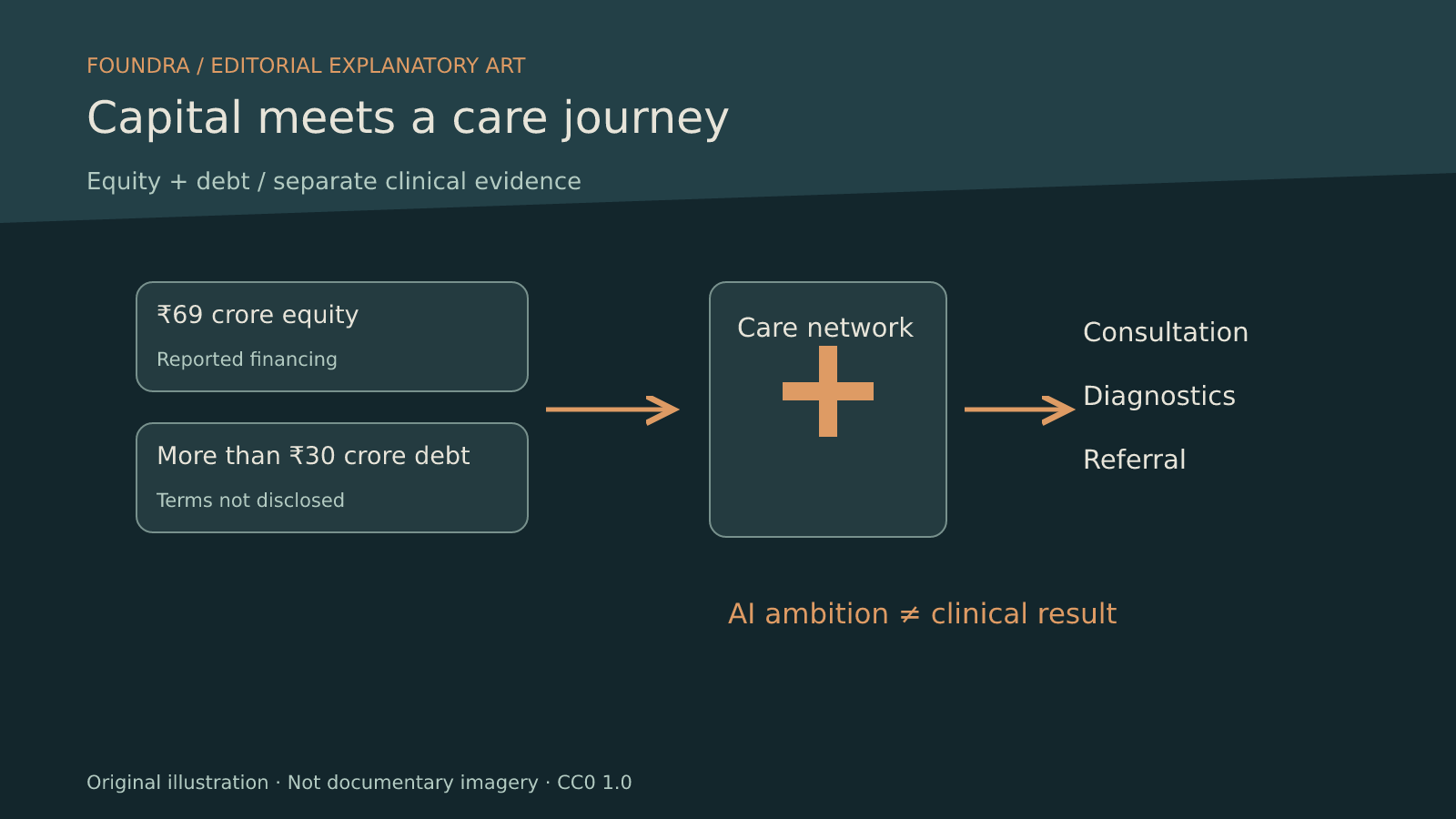
The approximately ₹100 crore package includes ₹69 crore of equity and more than ₹30 crore of debt. Clinic expansion and AI evaluation remain separate tasks.
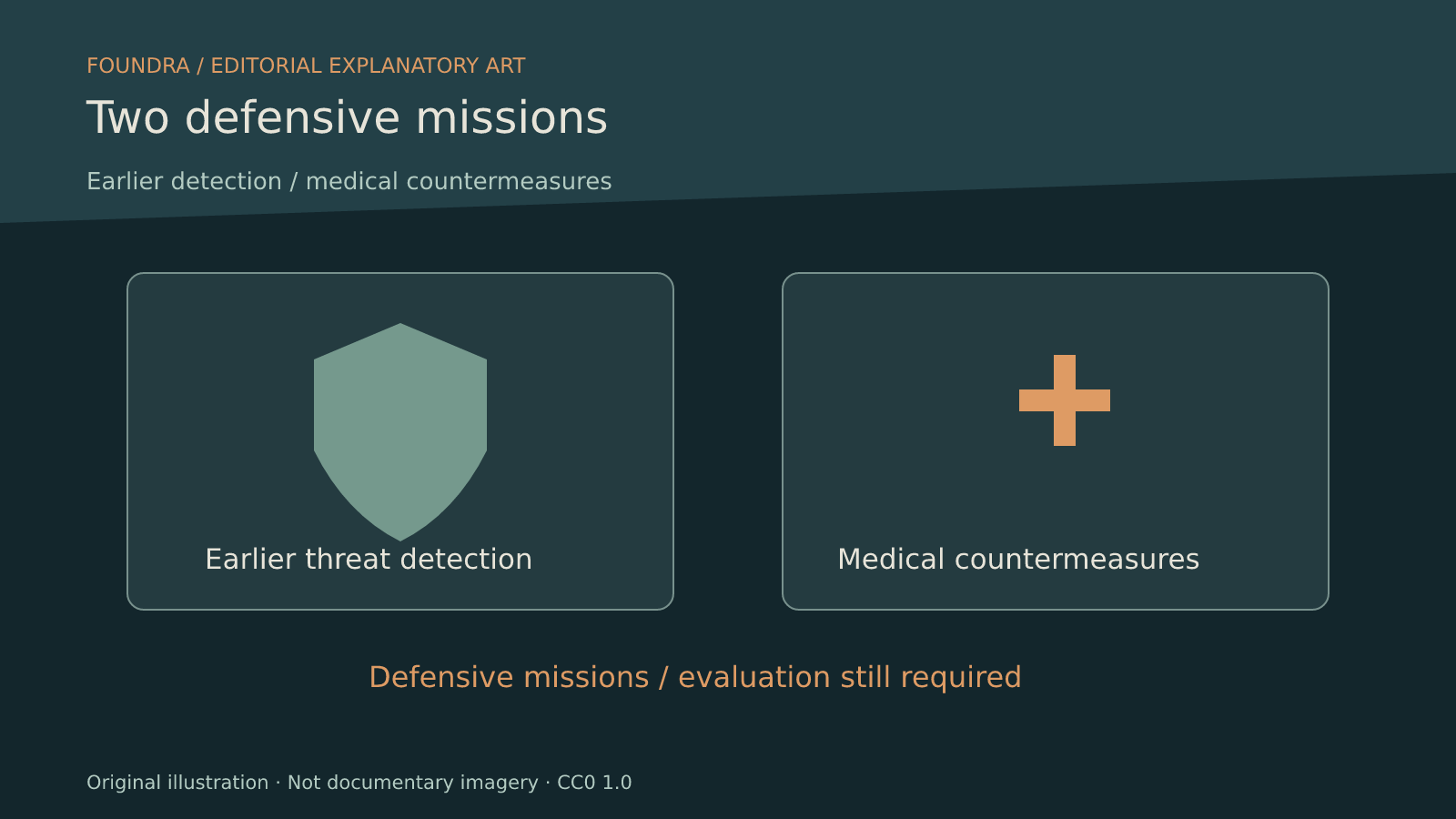
The government’s October 24 announcement identifies earlier threat detection and faster medical countermeasure development as initial delivery priorities.
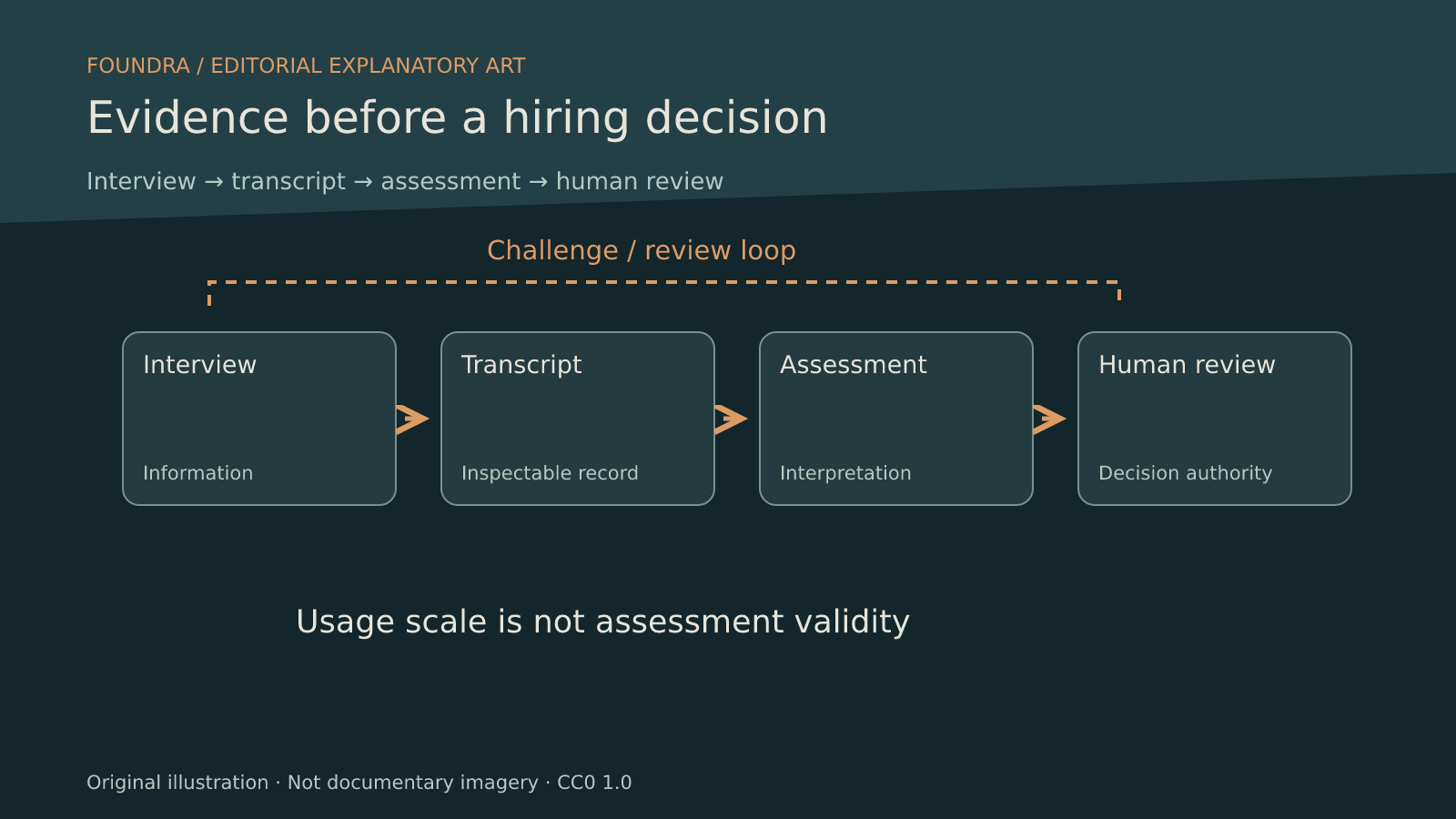
Dayforce has signed an agreement to acquire Ribbon AI. The planned recruiting integration raises questions about evidence, assessment and human review.
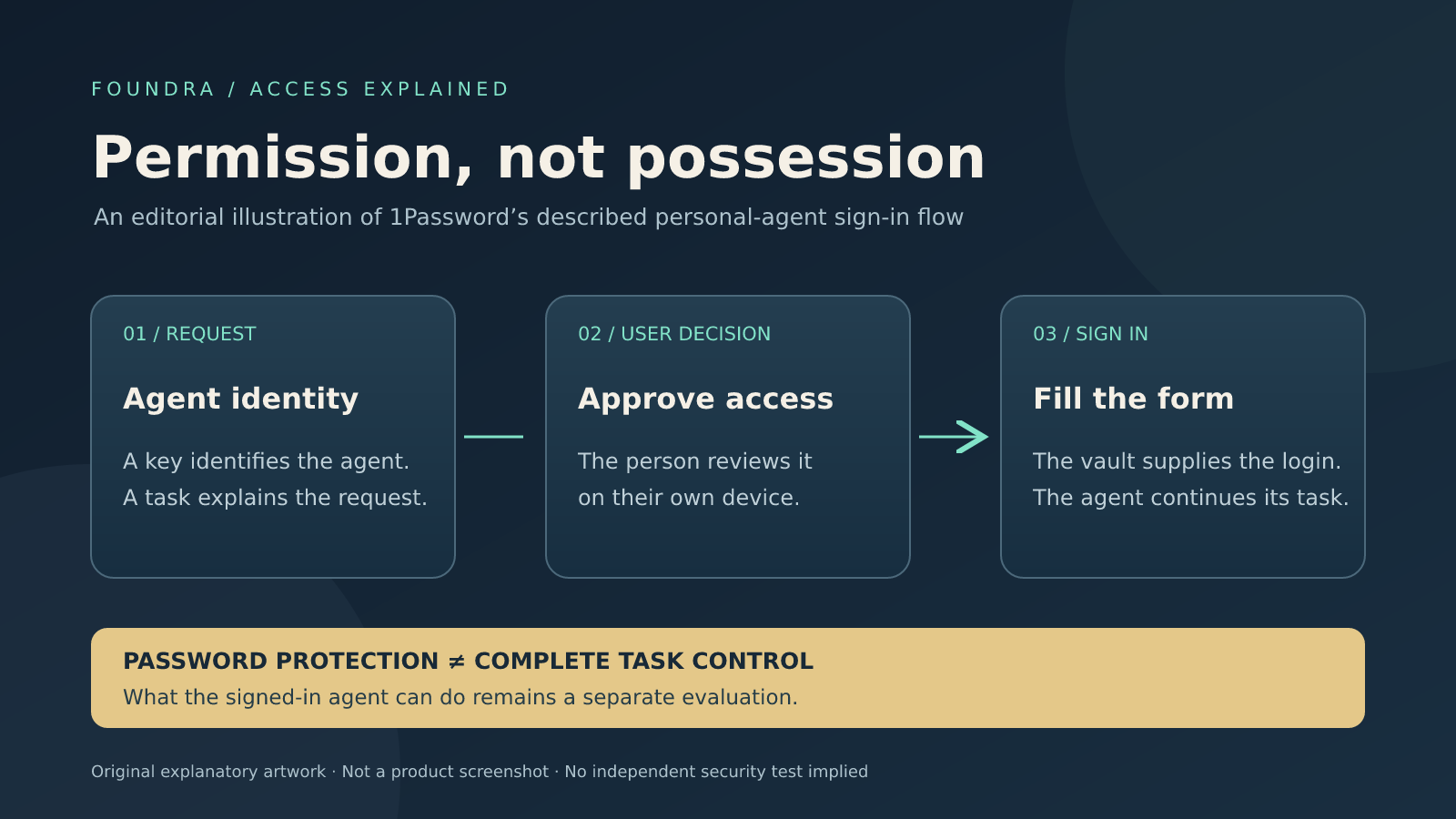
The company’s October 22 announcements connect a recurring-revenue milestone to a new personal-agent sign-in model. Keeping a password out of a model is useful, but it is not the same as controlling every action after login.
The completed acquisition brings a 3D simulation team into Rivian’s autonomy operation. It expands a tool for training and validation—not proof that a vehicle can drive itself safely.
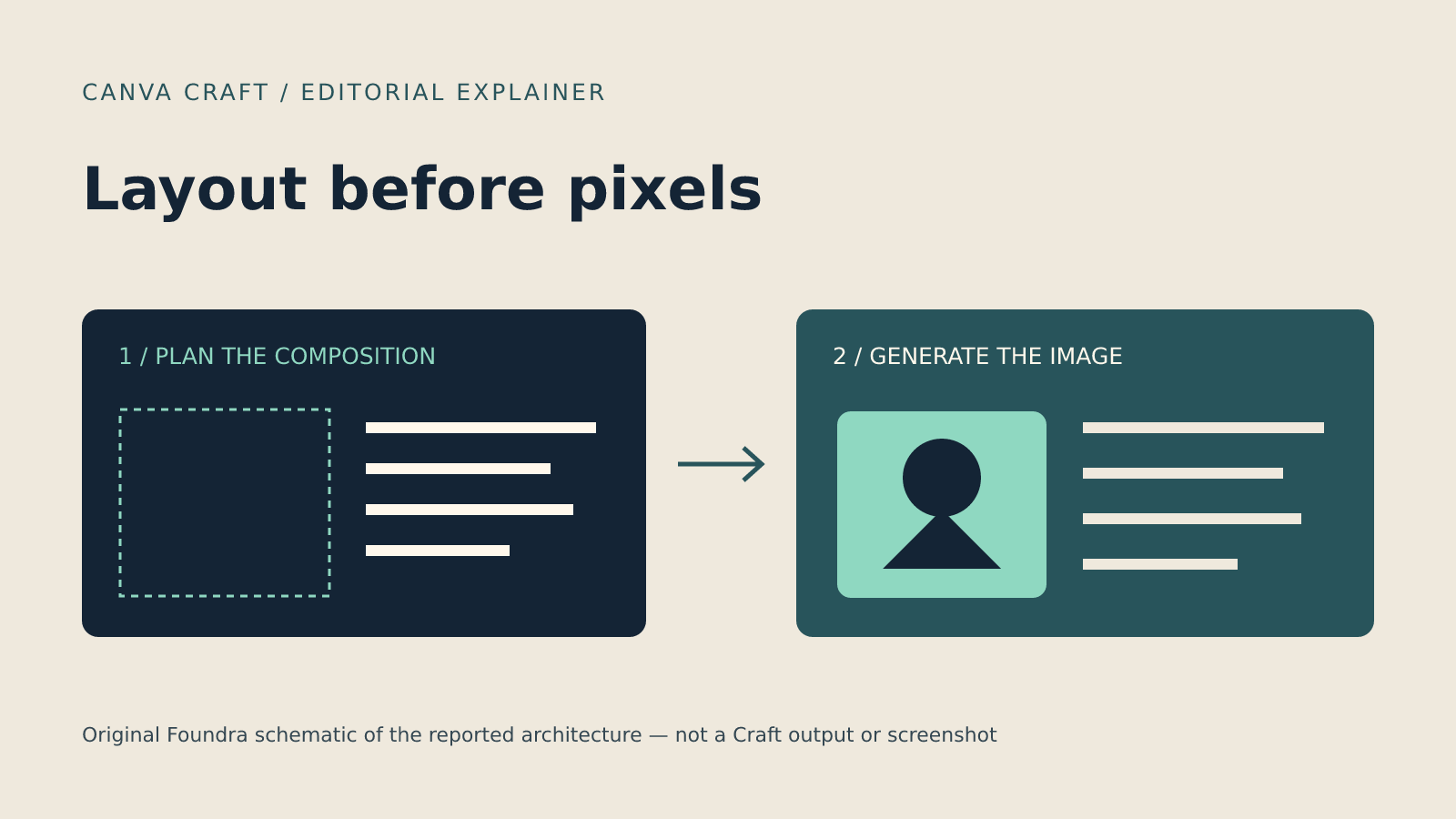
Canva’s first image-generation model is designed to plan a composition before rendering it. That is an interesting product choice, not an independent verdict on text accuracy or editing reliability.
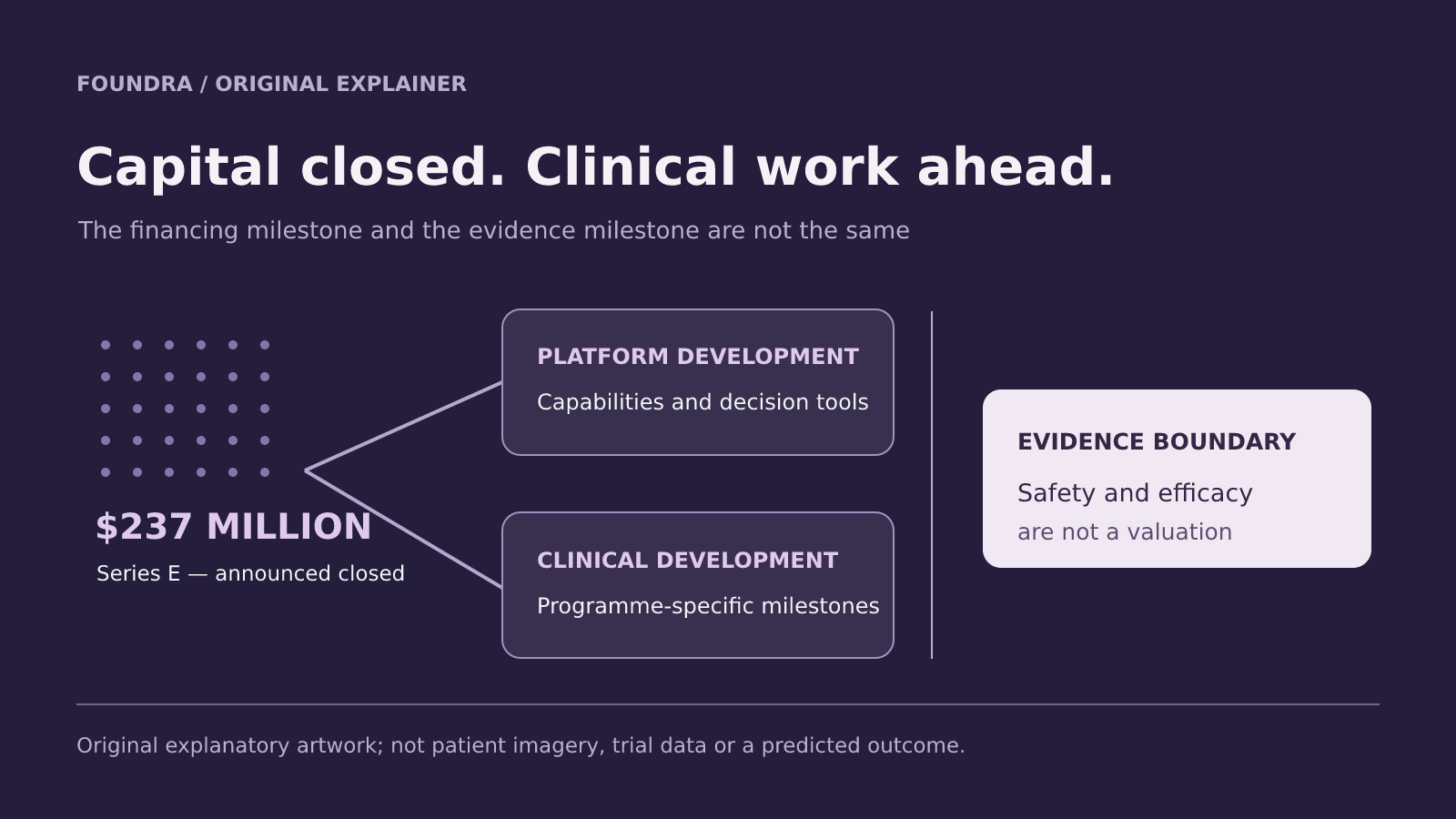
Bristol Myers Squibb led the financing at an approximately $3 billion post-money valuation, according to Pathos. The company plans to scale its AI platform and advance its drug pipeline, including JSKN016 toward registrational studies.
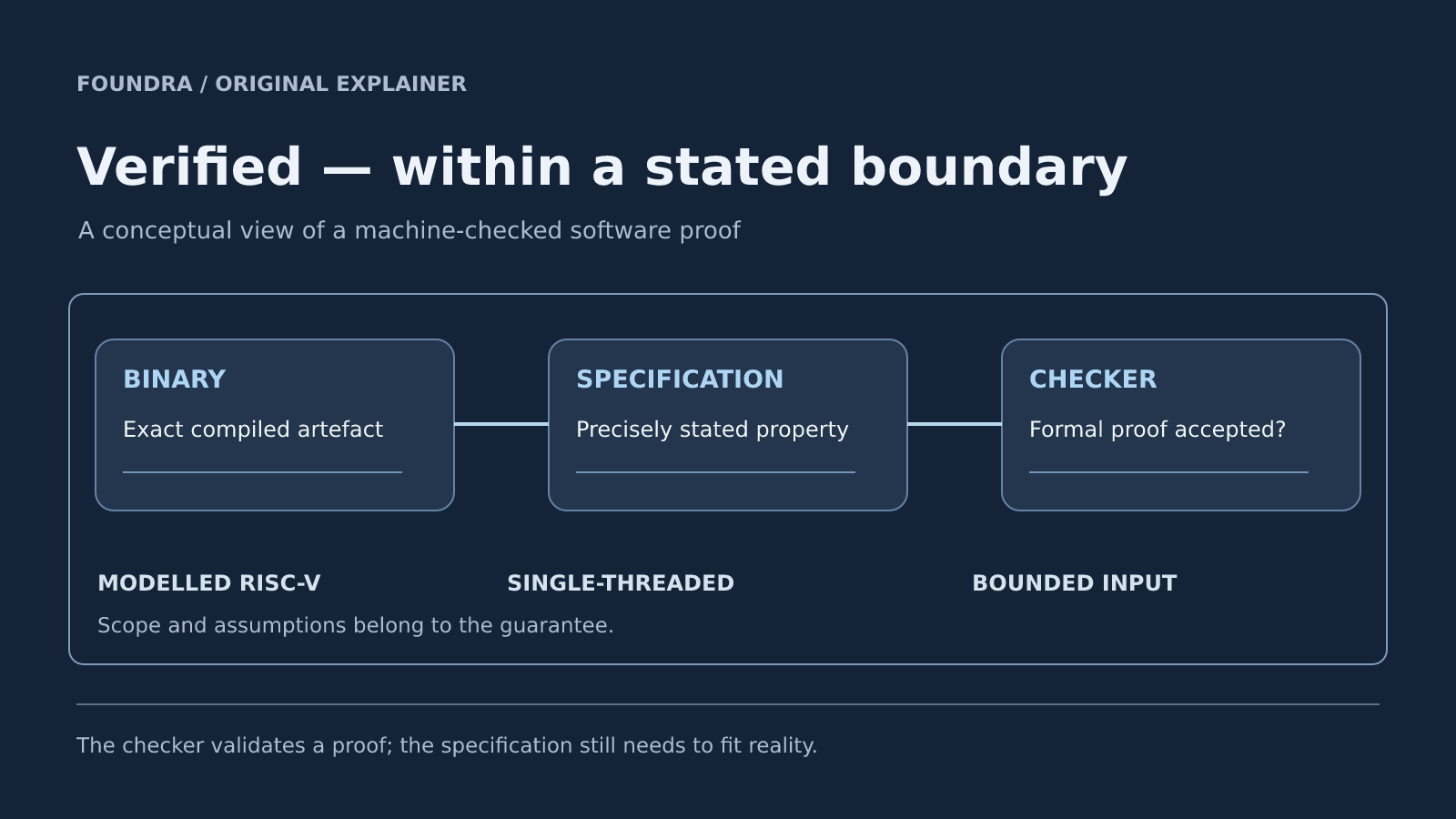
Anthropic and Theorem report large-scale formal verification at the RISC-V binary level. Their work points to a new software-security workflow, but the guarantees concern specified programmes and assumptions—not every bug in every library.
The newly committed Apache-licensed runtime exposes a consequential slice of DeepSeek’s stack. Its explicit omissions matter as much as its performance claims.
A Series A reported on October19 finances Hunar Voice and Hunar Connect, two product routes into recruiting, onboarding and retaining frontline workers.
The Series B finances agent-execution infrastructure. A reading of Daytona’s process interface shows the concrete request and response beneath the agent-cloud proposition.
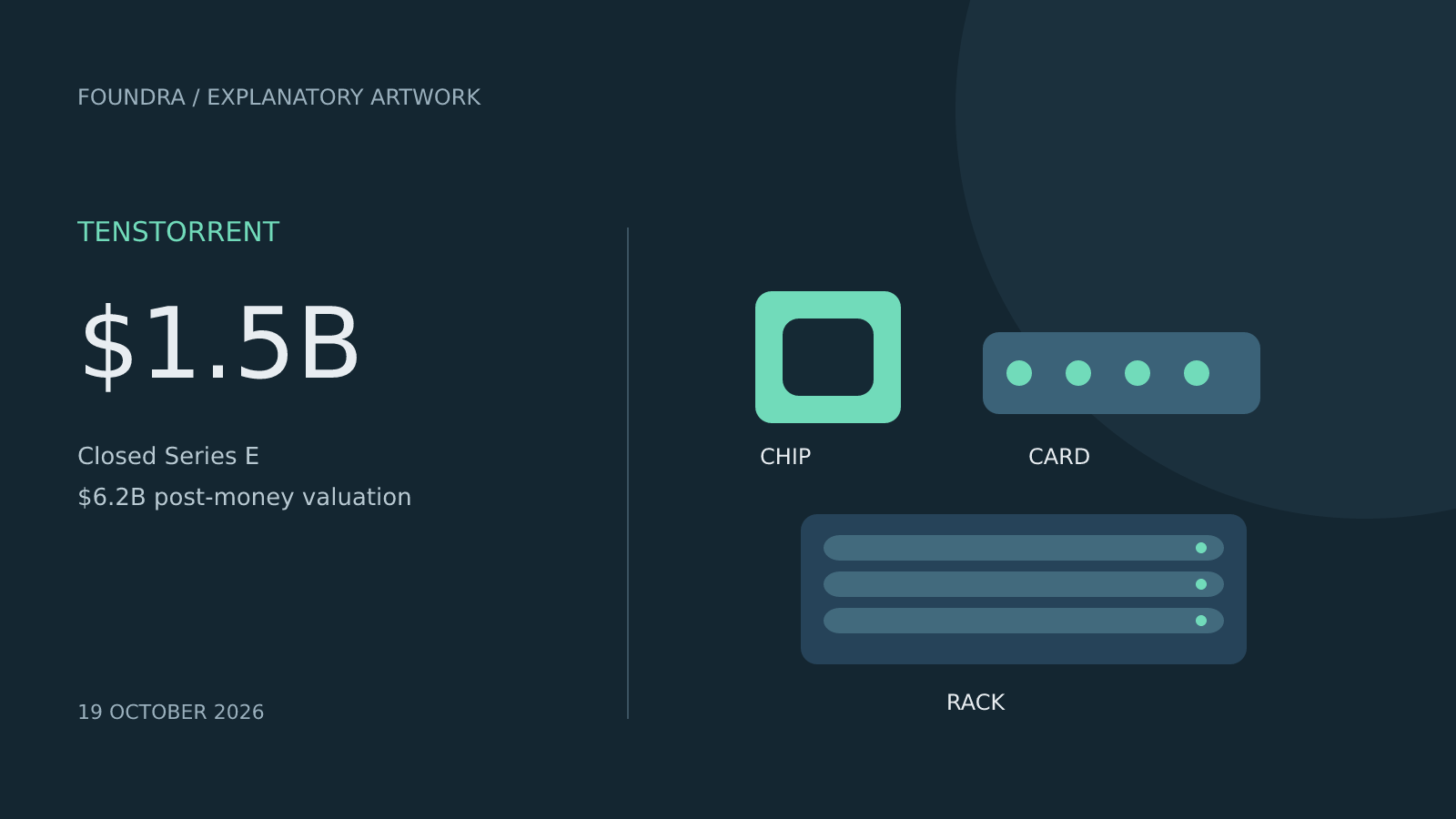
The closed Series E funds a larger manufacturing and deployment phase, not the first delivery of Galaxy servers. Tenstorrent is pursuing complete systems and licensed chip IP in parallel.
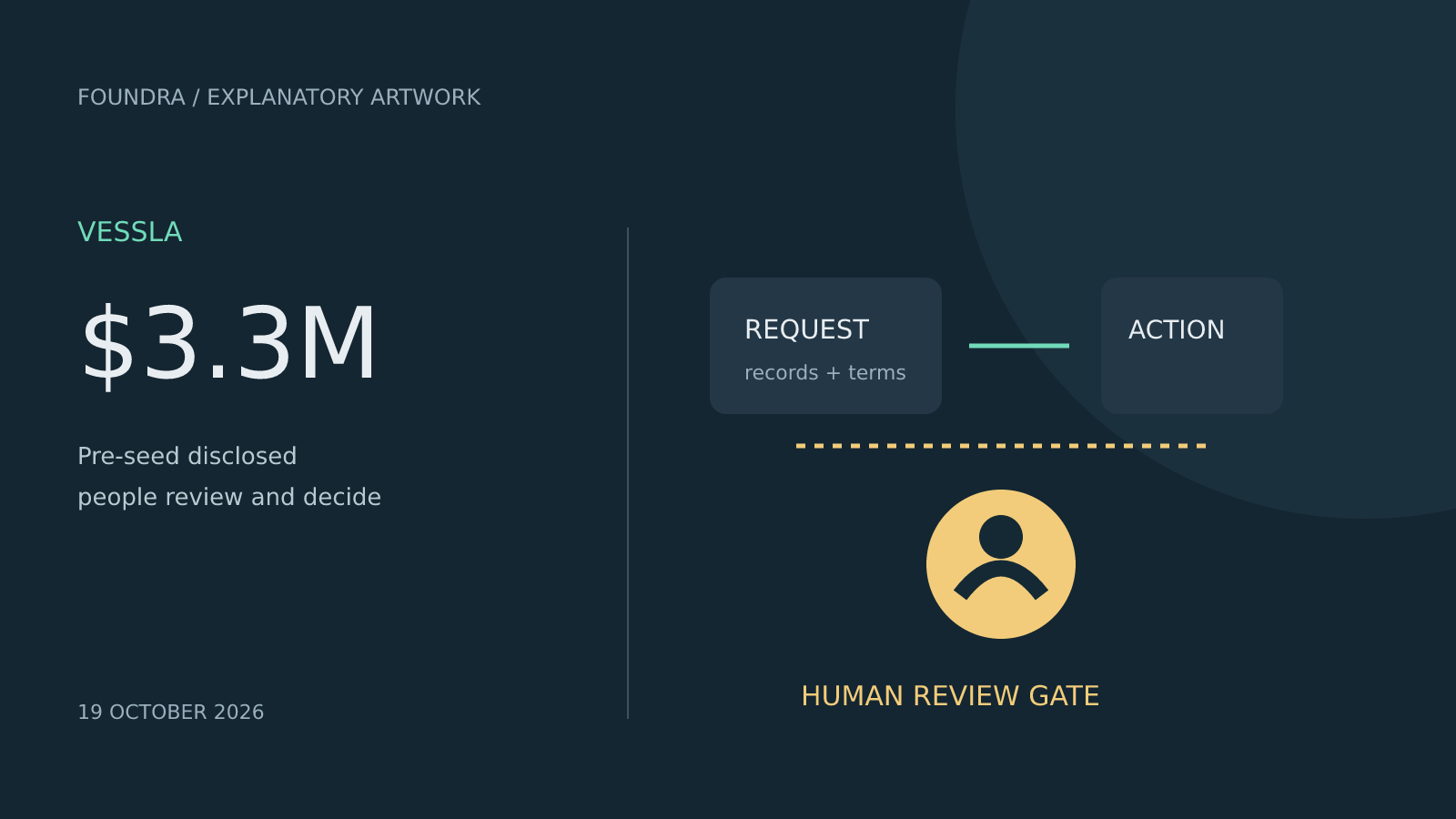
Seedcamp’s investment backs an operating layer spanning existing property systems. Vessla’s disclosed approach assigns execution to agents while retaining human judgement and responsibility.
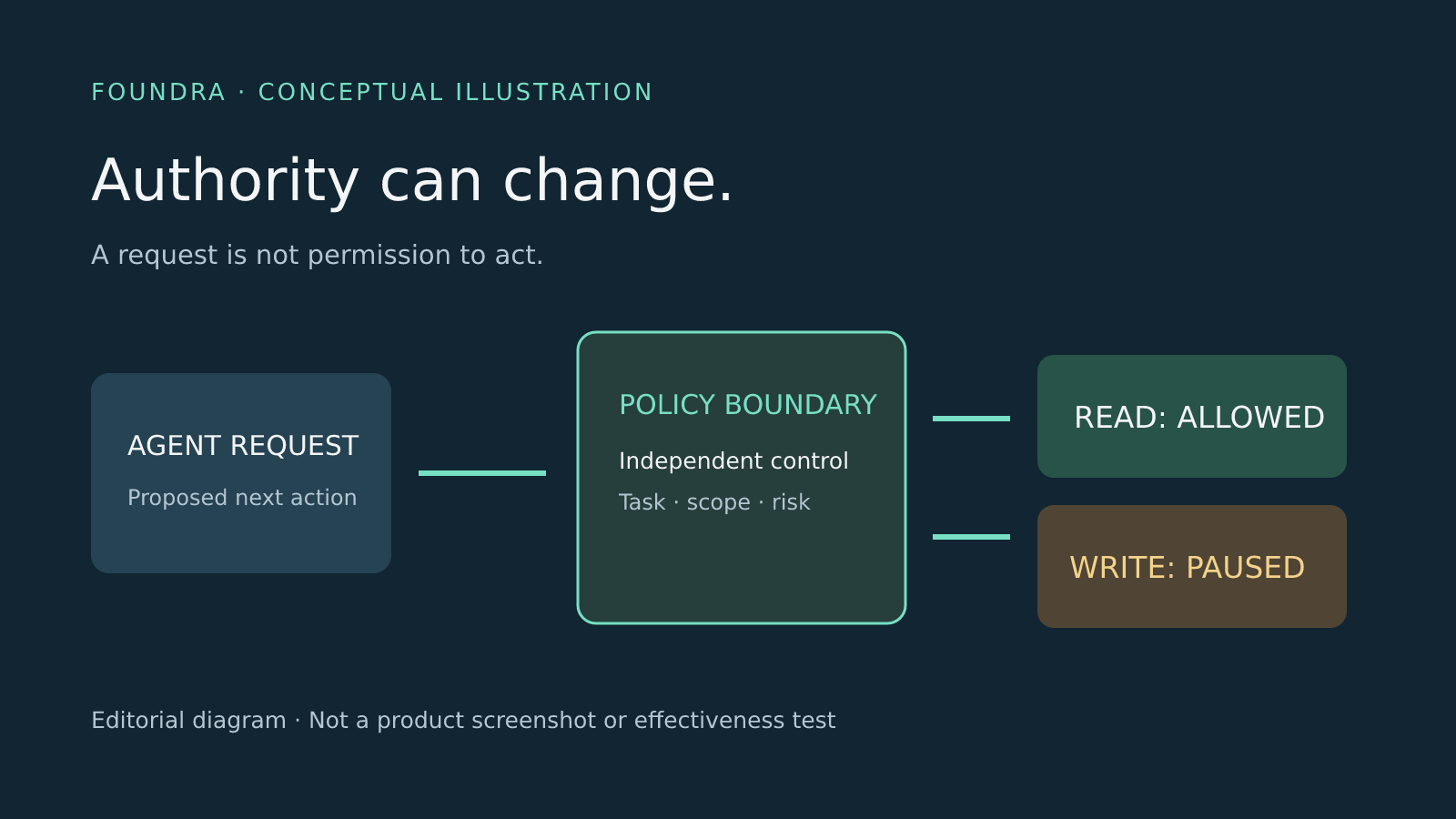
Controls announced on October 19 are in private preview, GeekWire reports, with broader availability planned for Ignite. For enterprise startups, the question is whether workflows can survive a mid-task permission change safely.
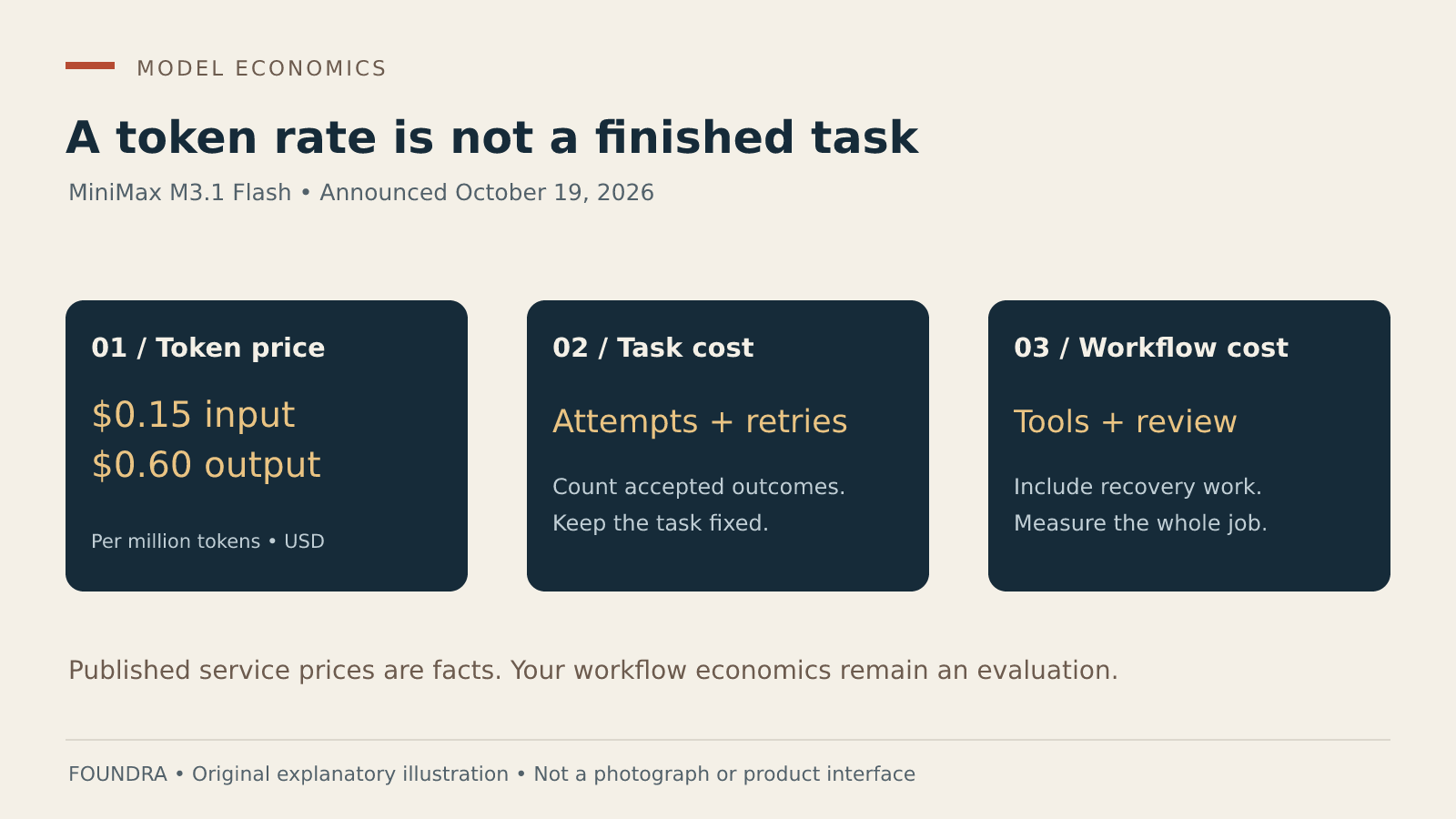
MiniMax’s October 19 release puts a new agent model behind its hosted products. Its published token prices are concrete; claims about faster, cheaper completed work still need workload-specific testing.
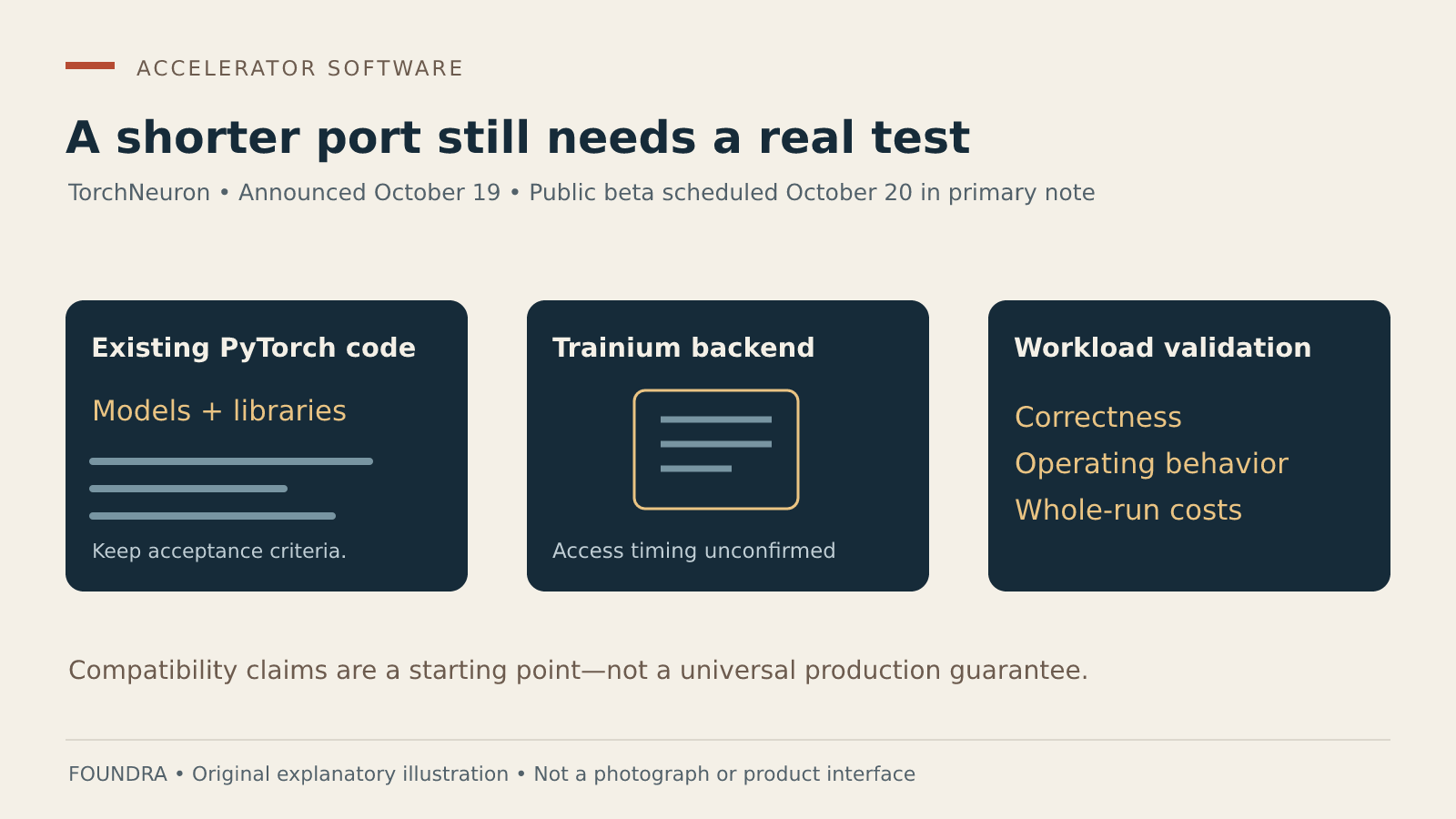
Amazon’s October 19 announcement targets PyTorch code on Trainium. The primary technical note schedules public beta for October 20, while GeekWire reports an opening on October 19. Current access is unconfirmed.
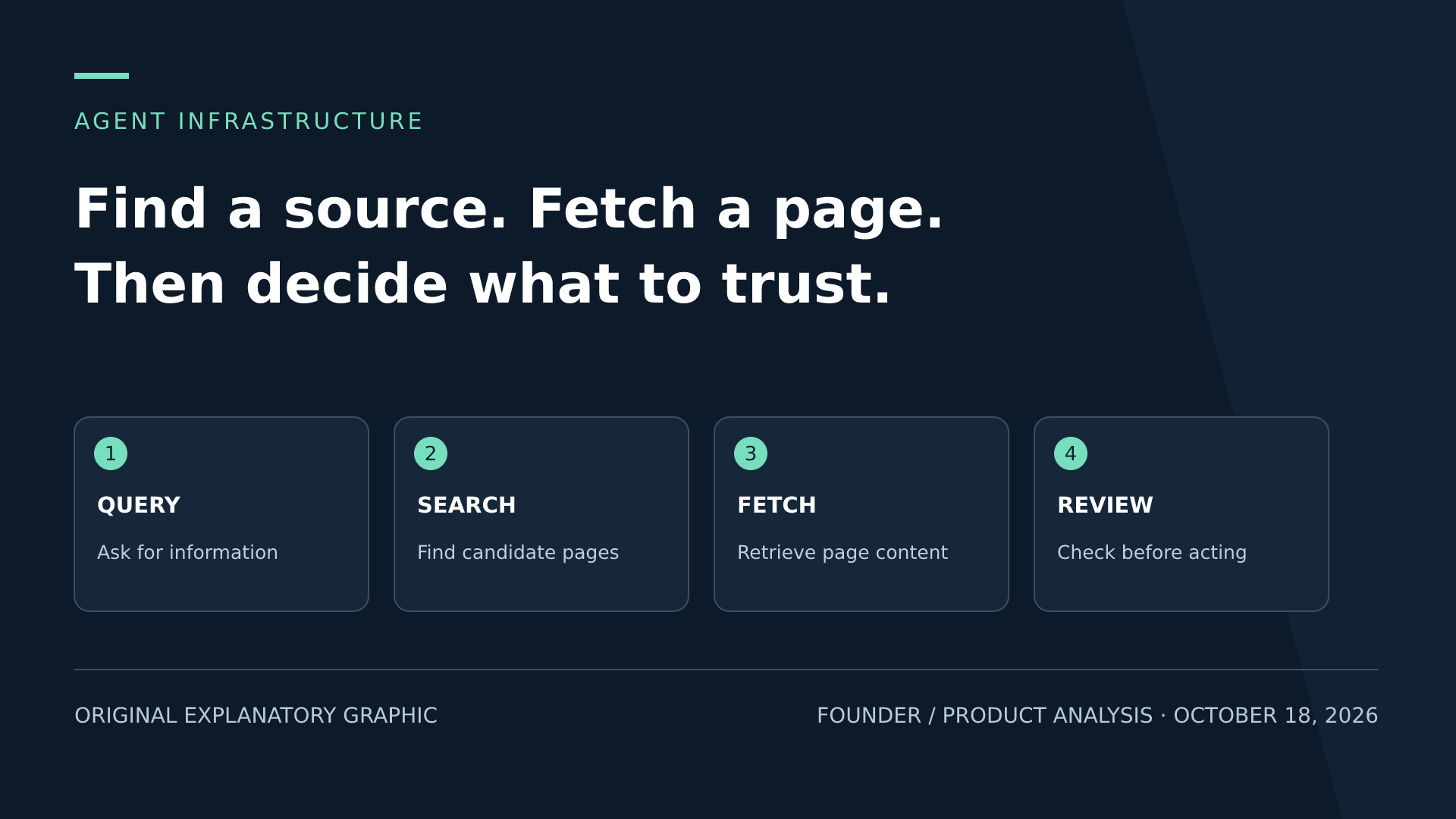
The October 17 release puts a retrieval service beside a new Flash checkpoint. For builders, the important distinction is between finding a page, retrieving it and trusting what it says.
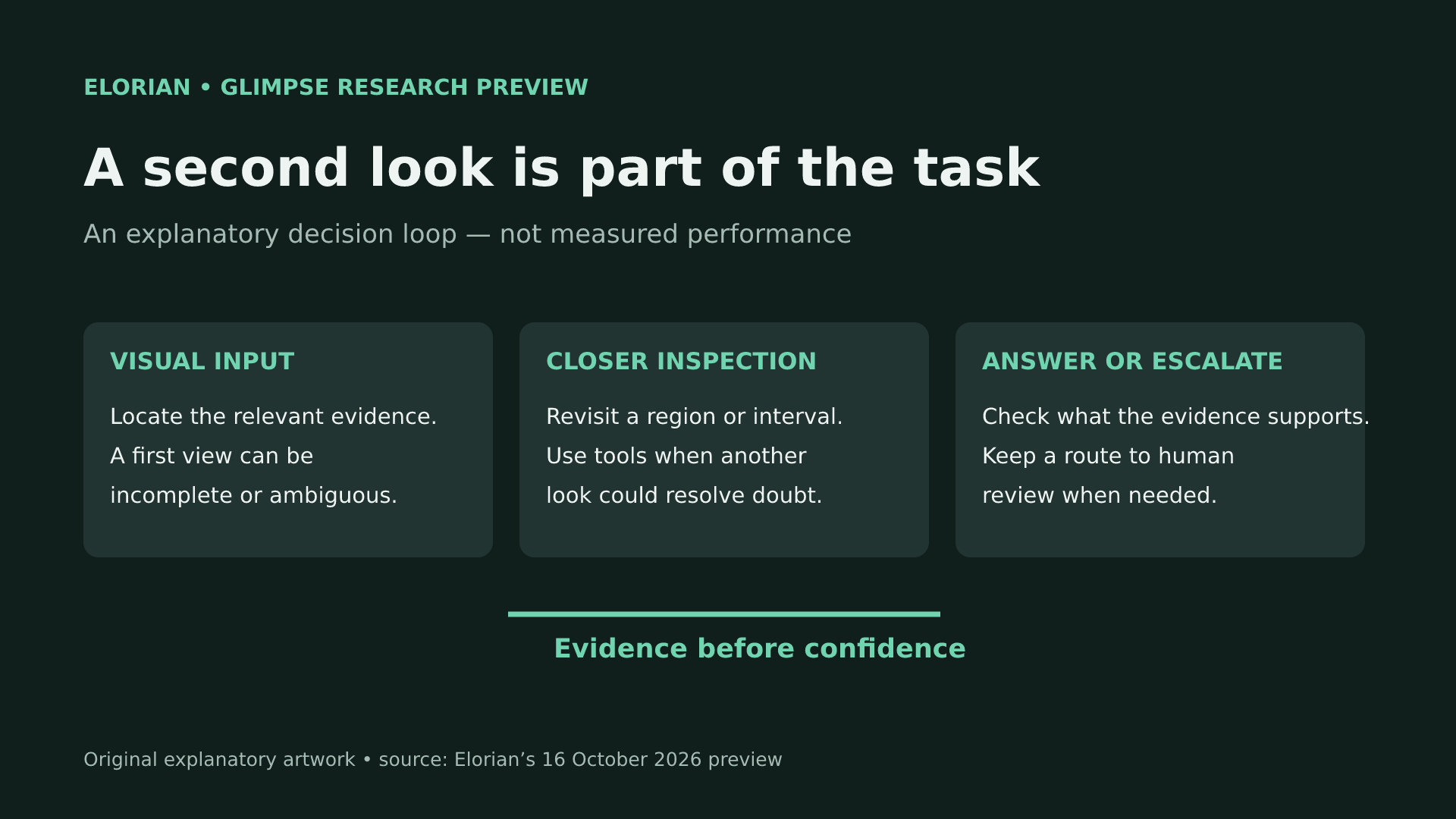
The startup released a visual-reasoning research preview on October 16. Its practical test is whether inspecting evidence again improves decisions enough to justify the extra work.
The October 15 Series B funds a wider cloud, AI and data-spend platform. The important distinction for customers is between identifying a saving and authorising a commitment.
October 16 guideline changes explicitly address nonconsensual intimate imagery and bait-and-switch features. The implications extend beyond a banned category to how an app is reviewed and operated.