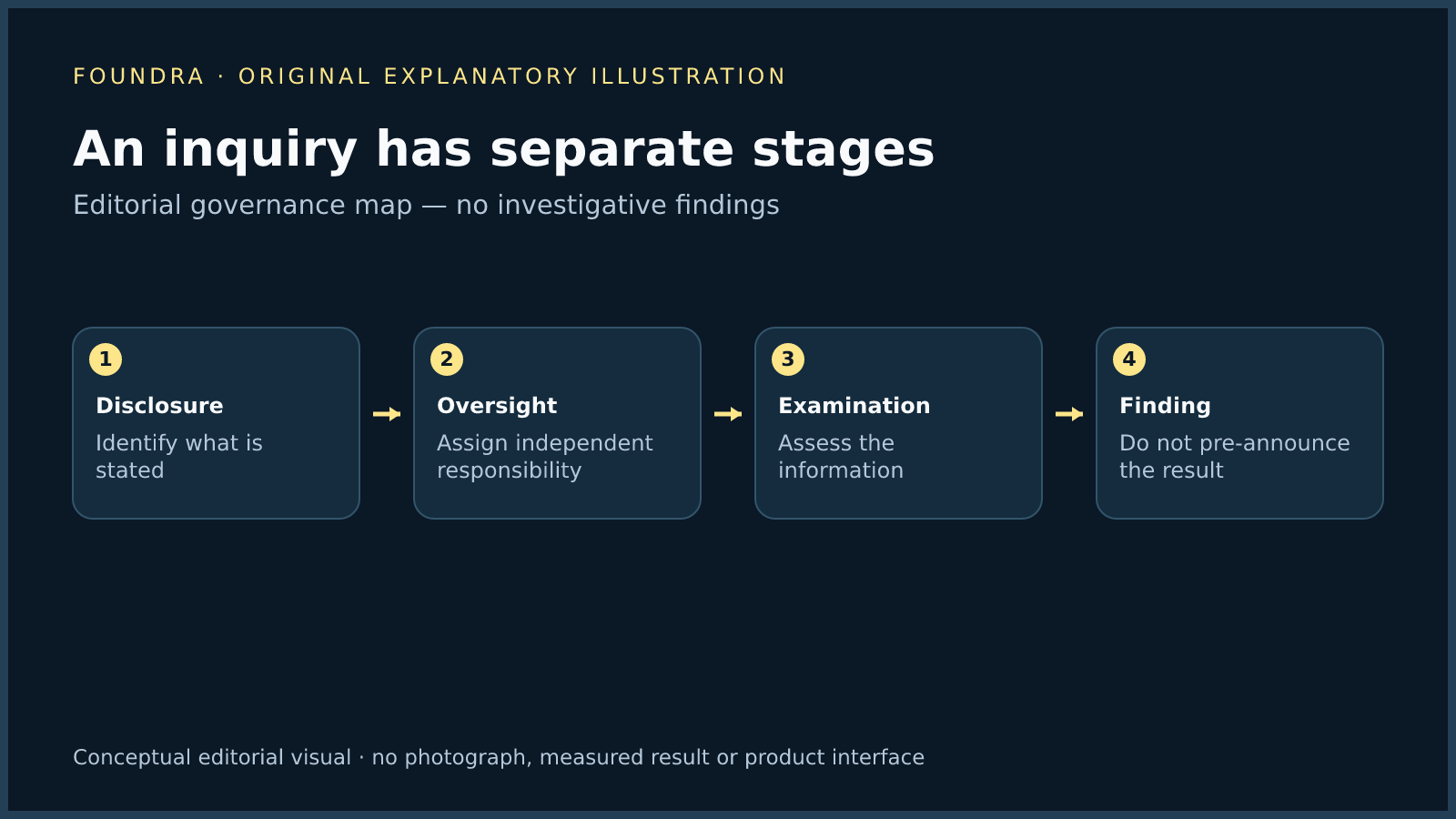
Two November 8 company statements describe an investigation overseen by independent directors and outside counsel. They do not announce that the inquiry has finished or that a compromise has been established.
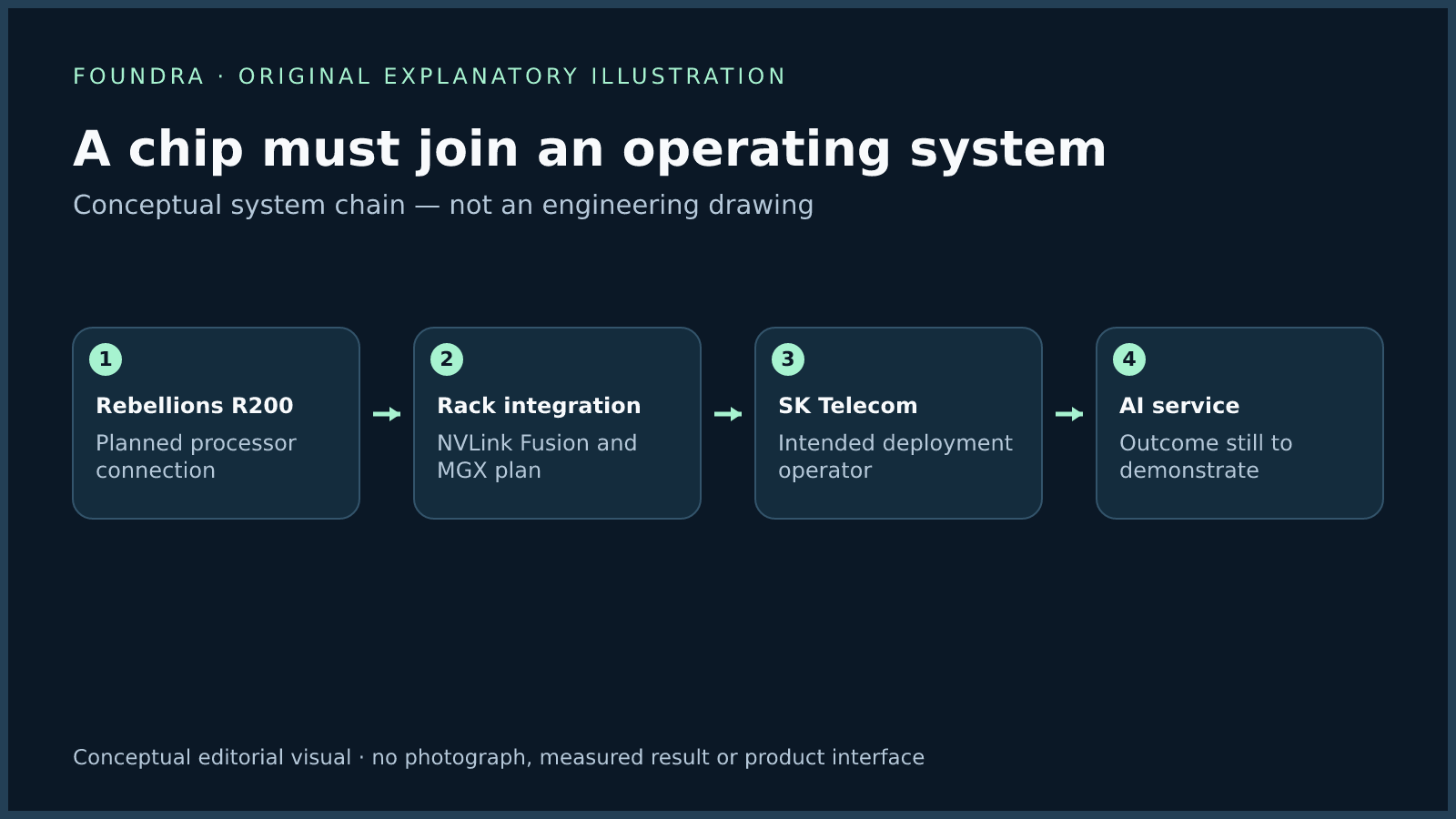
A November 8 announcement links planned R200 integration with Nvidia infrastructure and SK Telecom deployment plans. It is a collaboration agreement, not evidence that the combined system is already operating.
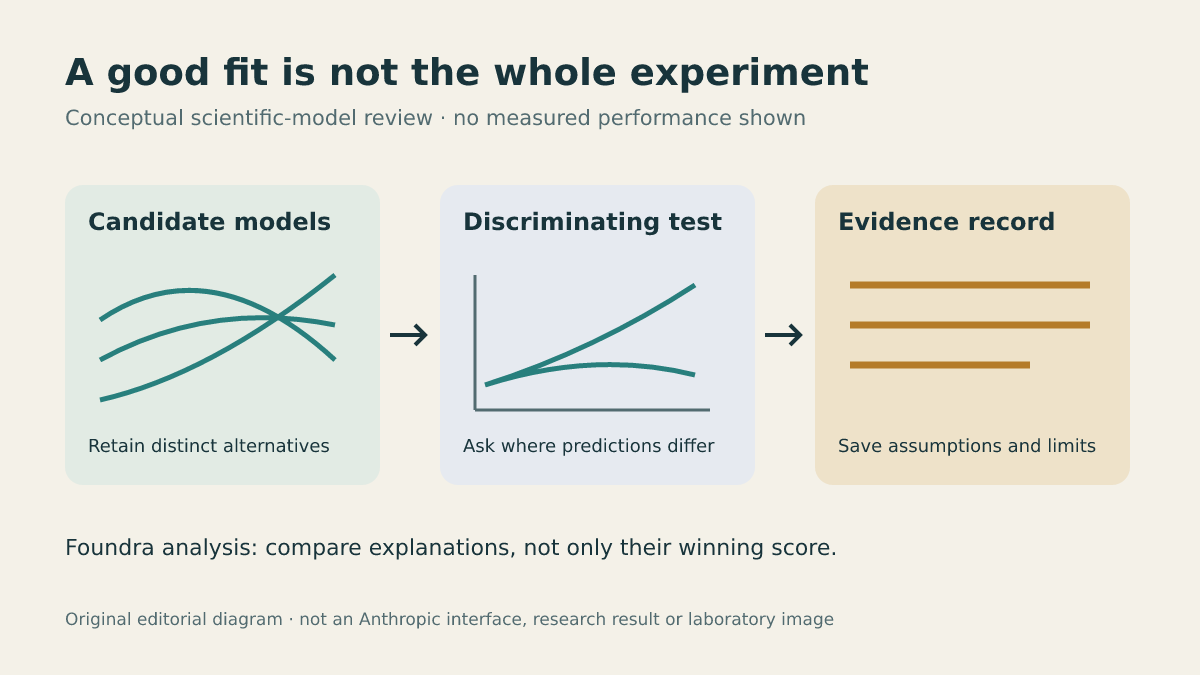
A November 6 guest essay examines AI-assisted scientific modeling. For research-tool founders, the useful question is whether a product preserves competing explanations and the evidence needed to distinguish them.
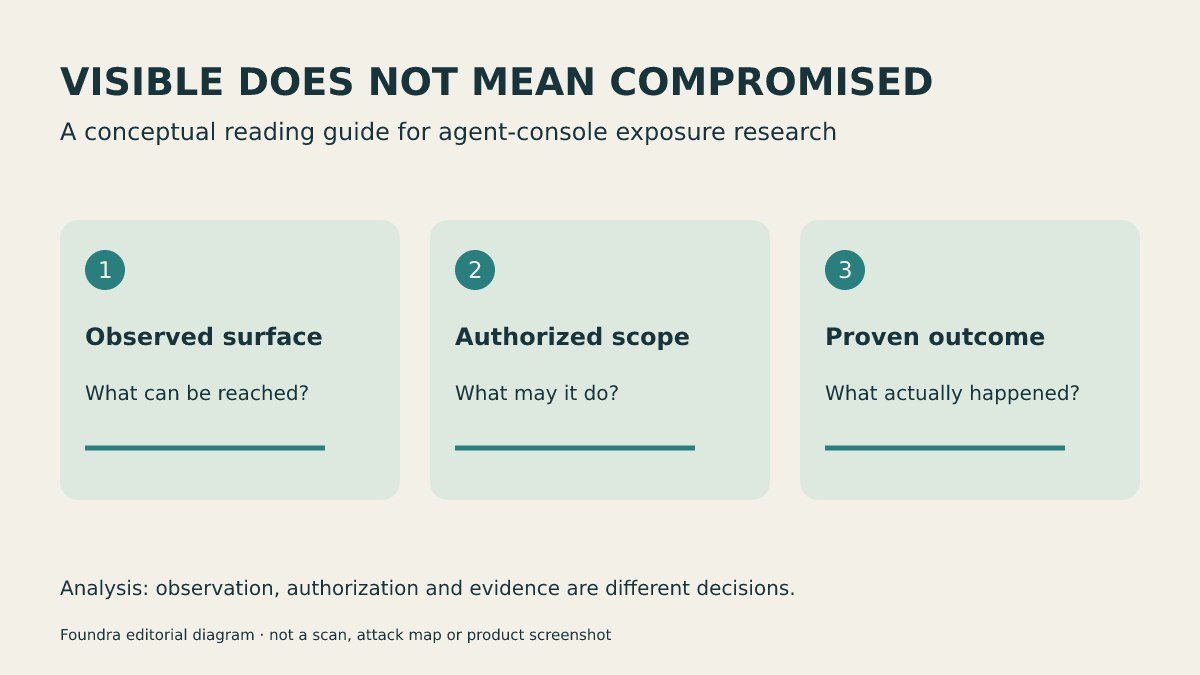
A November 5 research report identifies publicly reachable ARTEX consoles. Its measurements matter for AI-security founders, but they do not establish how many organizations were compromised or whether an autonomous attack succeeded.
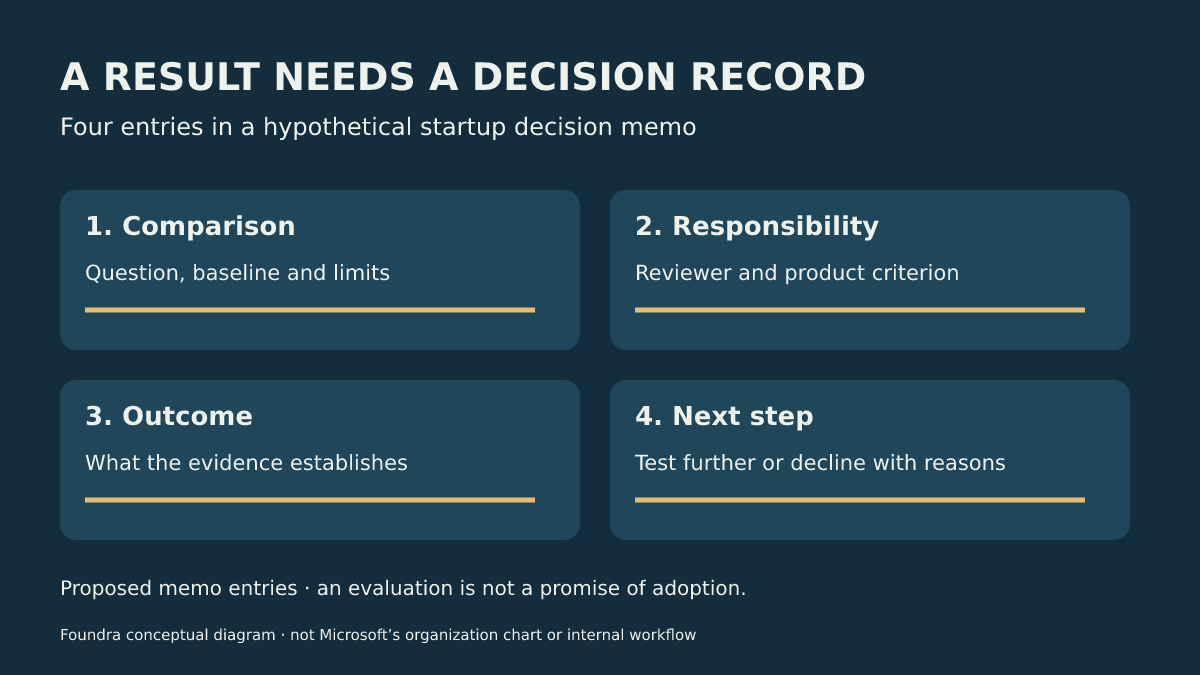
In a November 6 personal post, John Langford describes leaving Microsoft and says AI Frontiers is over. His account is one participant’s perspective—not a company-wide finding—but it raises a useful organizational question for AI founders.
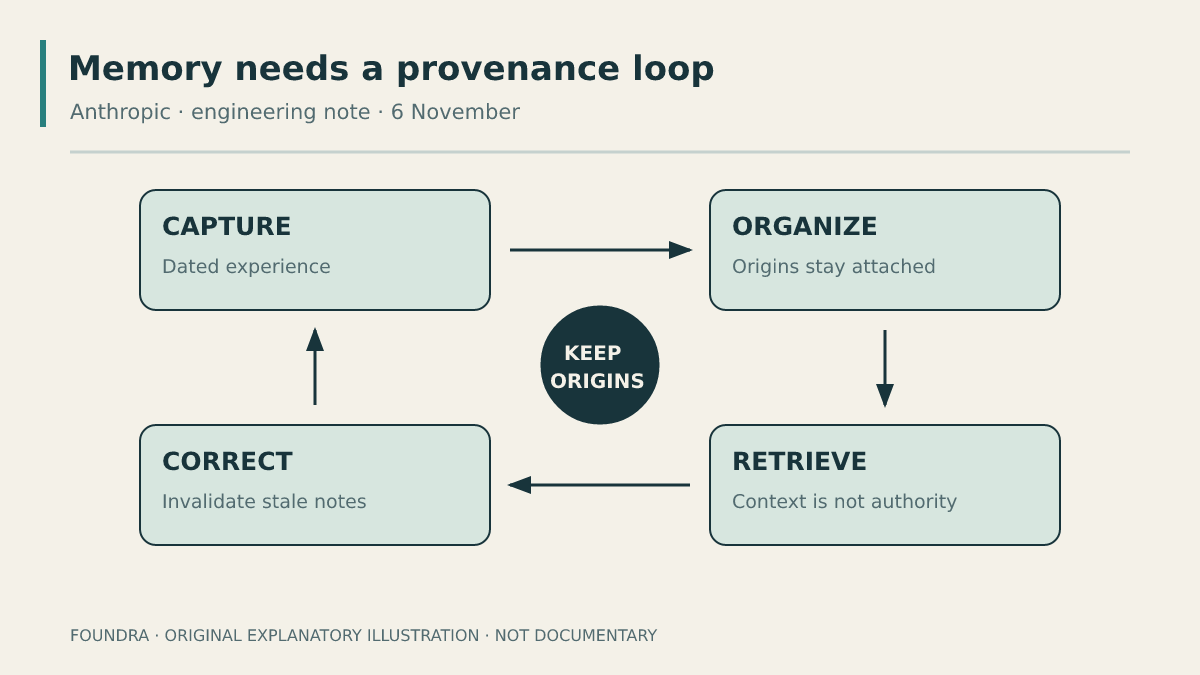
A November 6 engineering note separates capturing experience from reorganizing it. For teams building persistent agents, the consequential design choice is which memories become trusted context.
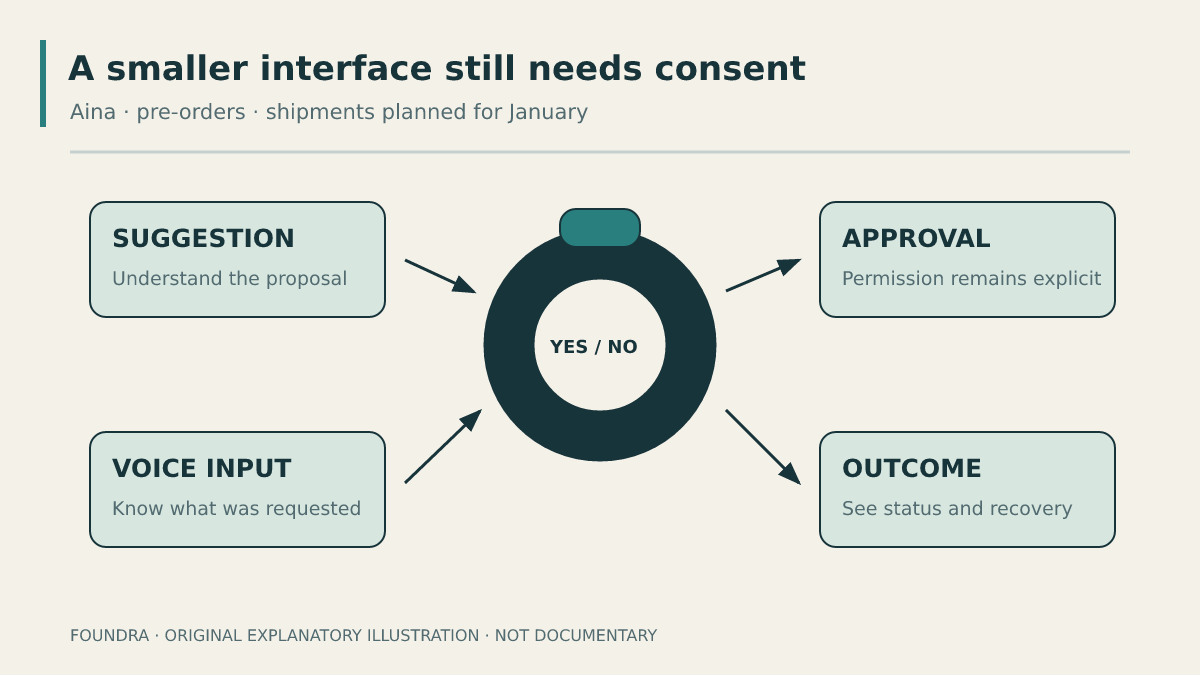
Indian launch reporting describes a gesture-and-voice interface for AI agents, with pre-orders and planned January 2027 shipments. Foundra has not tested the device or its predictive claims.
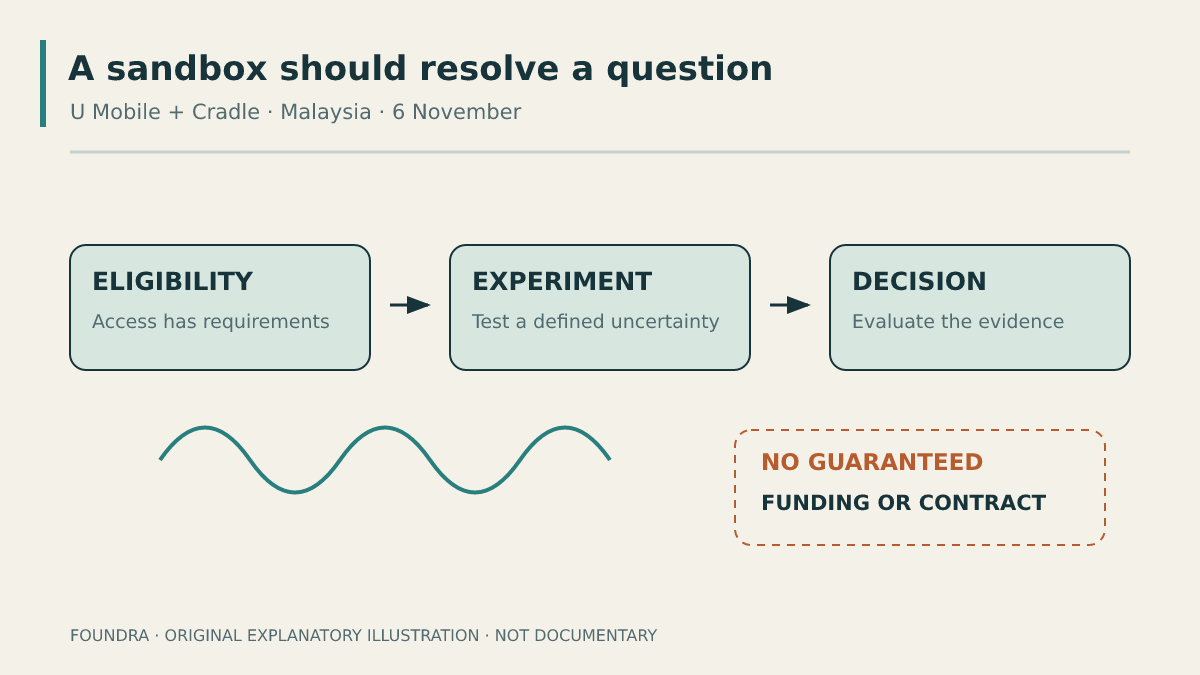
A November 6 Malaysian announcement connects startup programmes with a 5G-Advanced and AI sandbox. Access has requirements, and funding or commercial opportunities are explicitly not guaranteed.
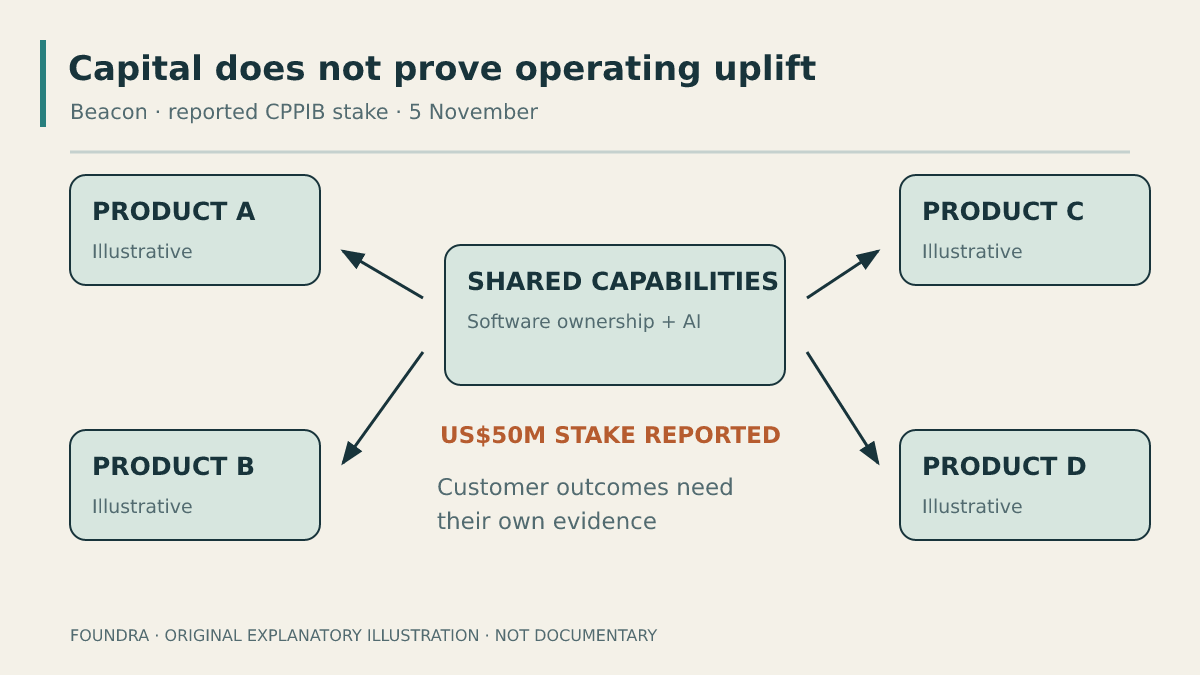
The Globe and Mail reports a US$50 million stake purchase, acknowledged in Beacon’s newsroom. Capital for software consolidation is not proof that an AI operating model improves every acquired business.
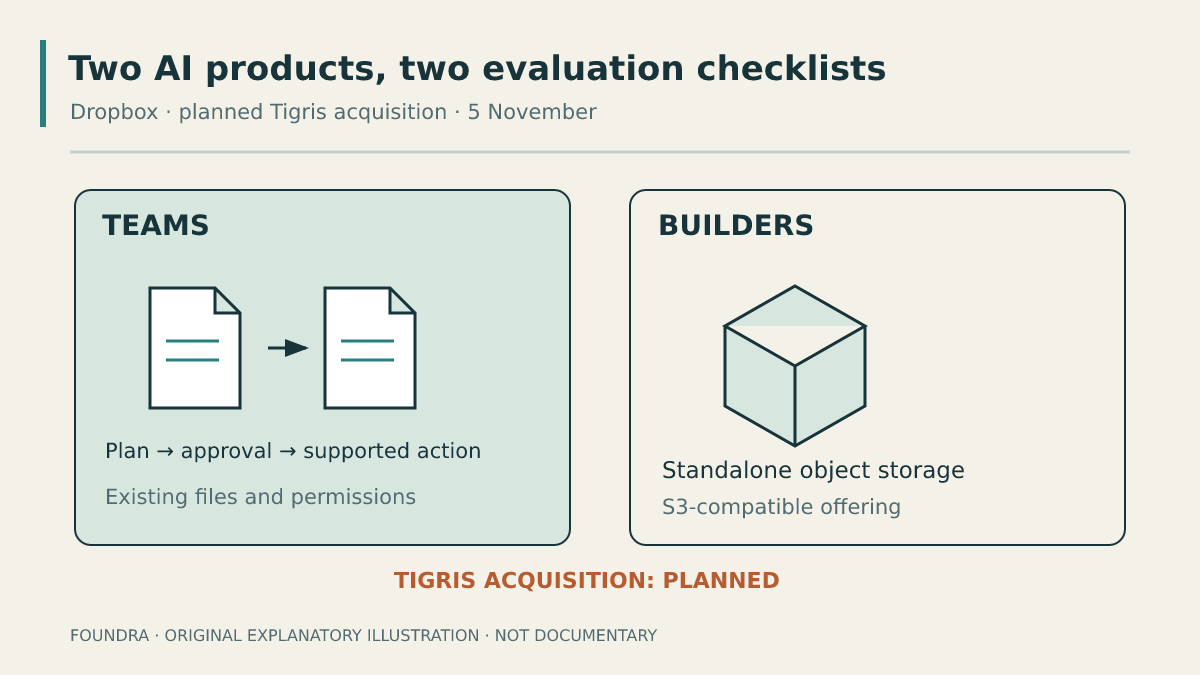
The November 5 company release announces a planned acquisition and DBX Agent Cloud. Helping a team act on files and supplying storage to AI developers are related—but different—product promises.
A report of 207,000 research sessions separates observed tool use from modeled acceleration. Neither is a causal measurement of all scientific discovery.
The November 2 platform launch pairs a Sequoia-led Series A with a question for buyers: can expert judgment improve a model without weakening its operating rules?
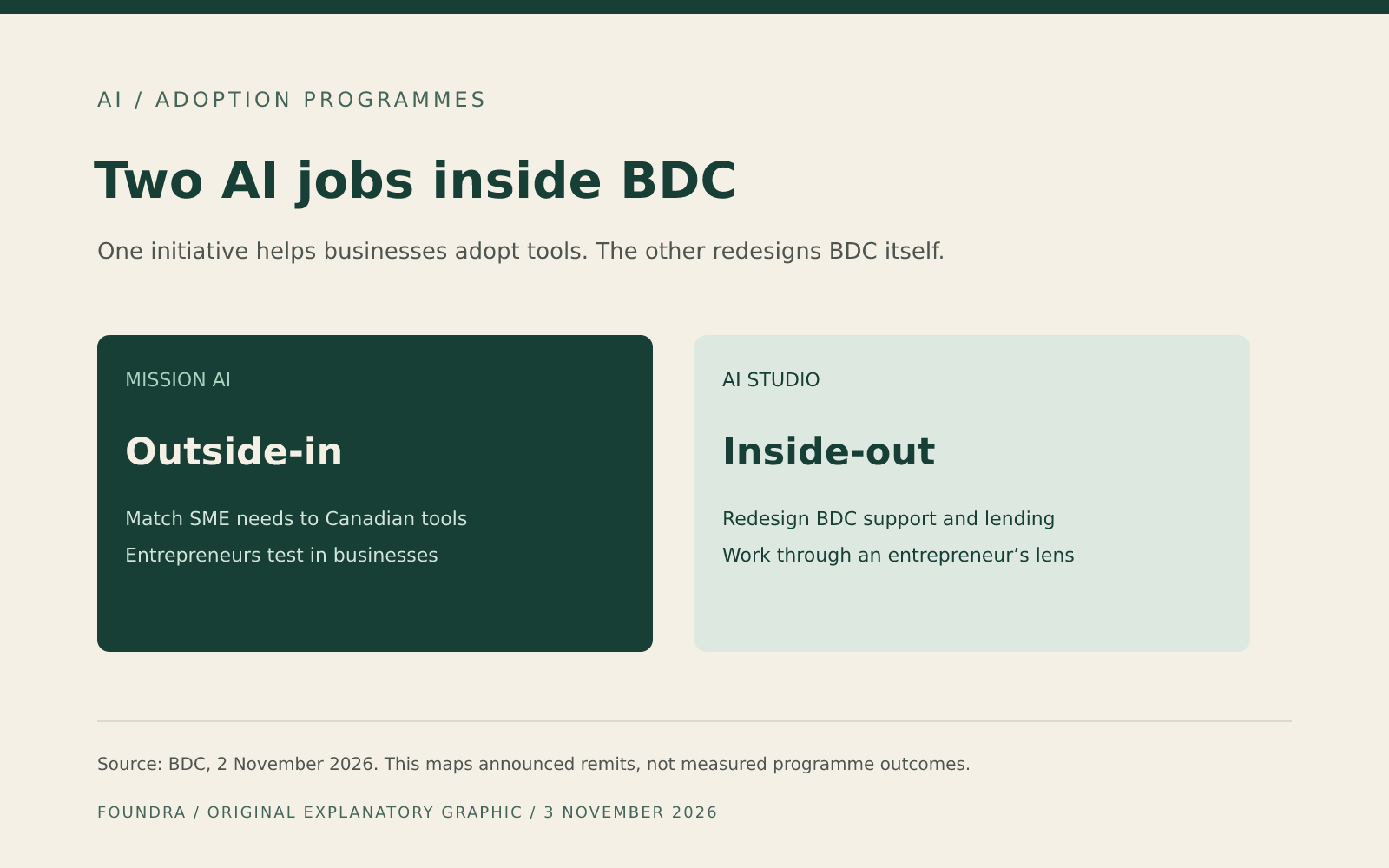
Mission AI will test Canadian tools in businesses; AI Studio will work on BDC’s support and financing journey. The November 2 launch does not establish outcomes for either.
A November 2 company statement sets out the lab’s ambition. Existing long-context research offers technical context, not proof that its systems make scientific discoveries.
The announced all-stock transaction carries an implied $115 billion enterprise value for Lumentum. For smaller infrastructure companies, the important questions concern interfaces, qualification and the long path to closing.
The company’s October 29 financing release and October 30 Canadian commitment update describe different flows of capital. The Series E target is not an amount confirmed closed, and the multi-year investment commitment should not be added to it.
Two reports describe a new handbook for institutional collaboration on AI training. Its proposed combination of permissions, controlled computing and provenance deserves examination without being mistaken for proof that privacy risks have disappeared.
The startup’s October 30 debut describes a subscription platform combining autonomous testing and penetration testers. Its release says Ridown Capital has invested up to $10 million, without establishing an exact deployed funding amount.
The company announced mischief 1 on October 30, describing neuron-derived optimizations applied to a Wan 2.2-based video model. Customers are offered software, not living neurons; speed and quality claims remain vendor-reported.
An October 30 SEC disclosure separates money already sold from the offering’s remaining capacity. Its power-delivery chiplet business still needs to turn an engineering proposition into customer evidence.
The clinic-software company’s Rs 5 crore raise includes nearly Rs 3 crore from users. That is a distinctive financing signal, while its planned AI tools still require their own evidence.
Google’s October 30 announcement backs a cross-provider preference mechanism while retaining Google-Extended. An IETF draft is not a final standard, and a preference signal is not a licence.
The Montréal startup’s October 29 pre-seed announcement puts human-reviewed, source-traceable training at the centre of its defence software proposition. Classified and air-gapped support is a development goal.