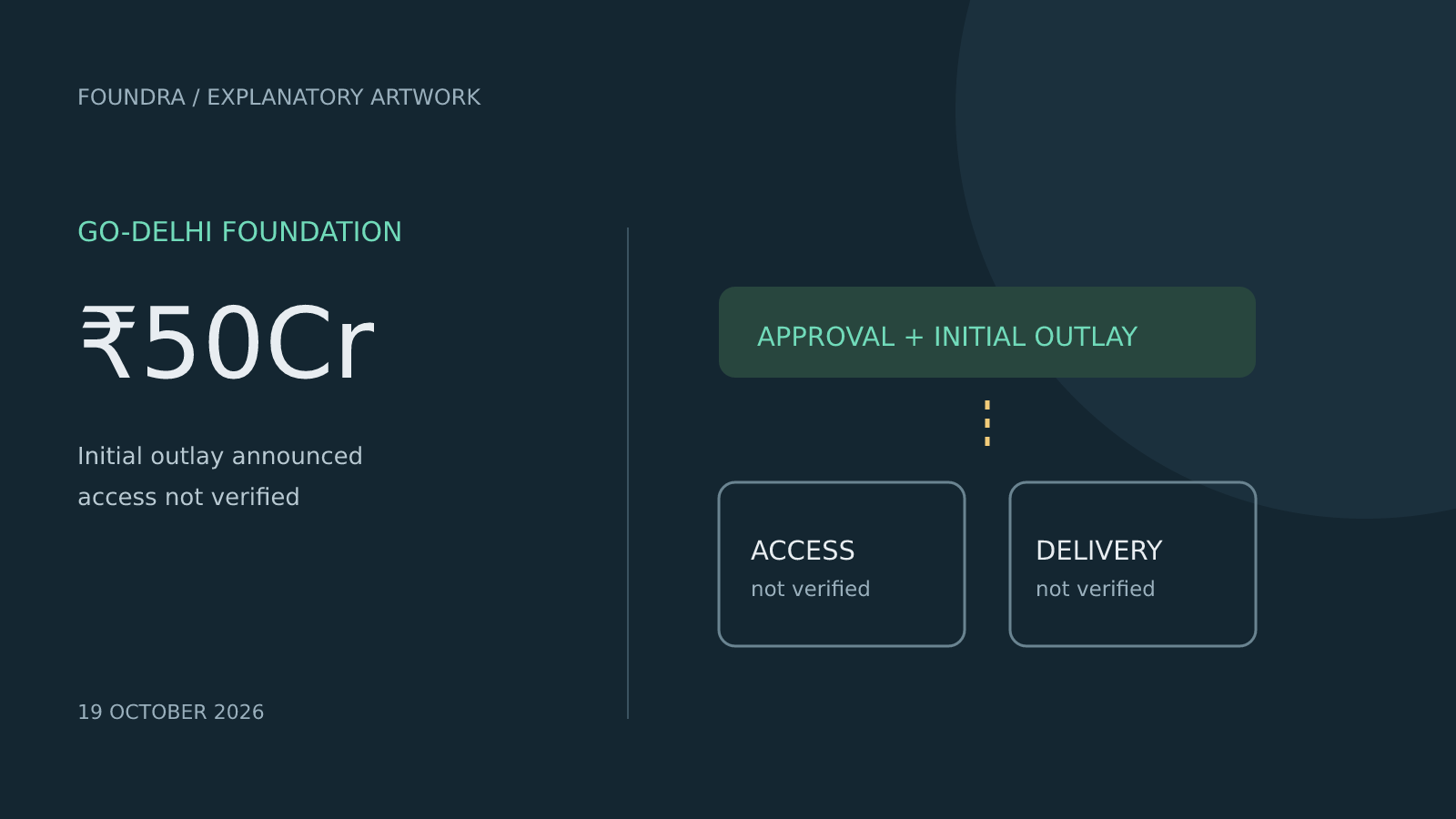
The announced foundation is intended to connect existing facilities and partners for product development and market access. Its approval does not establish an open application process.
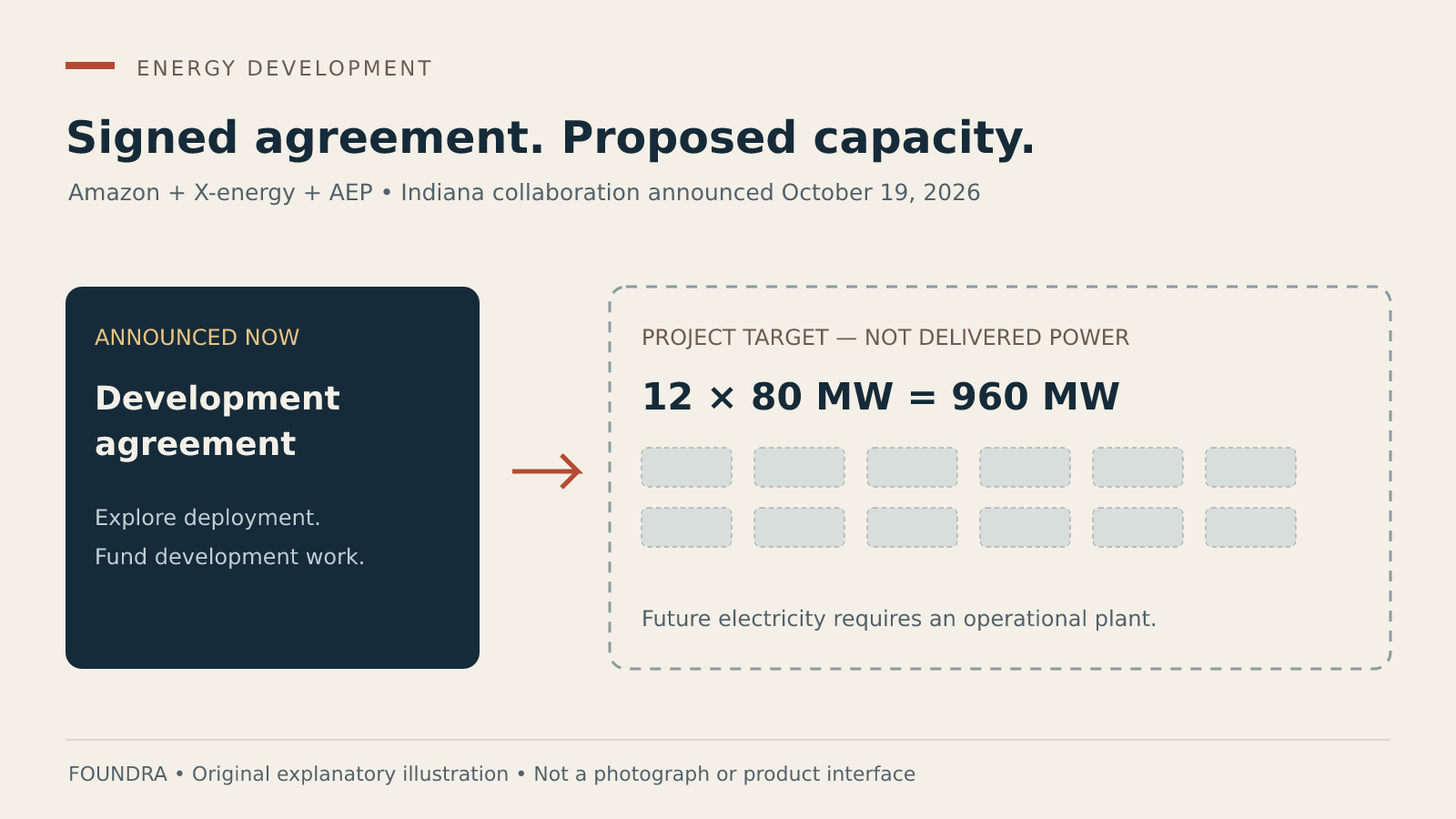
An October 19 agreement with AEP targets 12 small modular reactors totaling 960 megawatts. Amazon would fund development and be the first power customer if the project becomes operational.
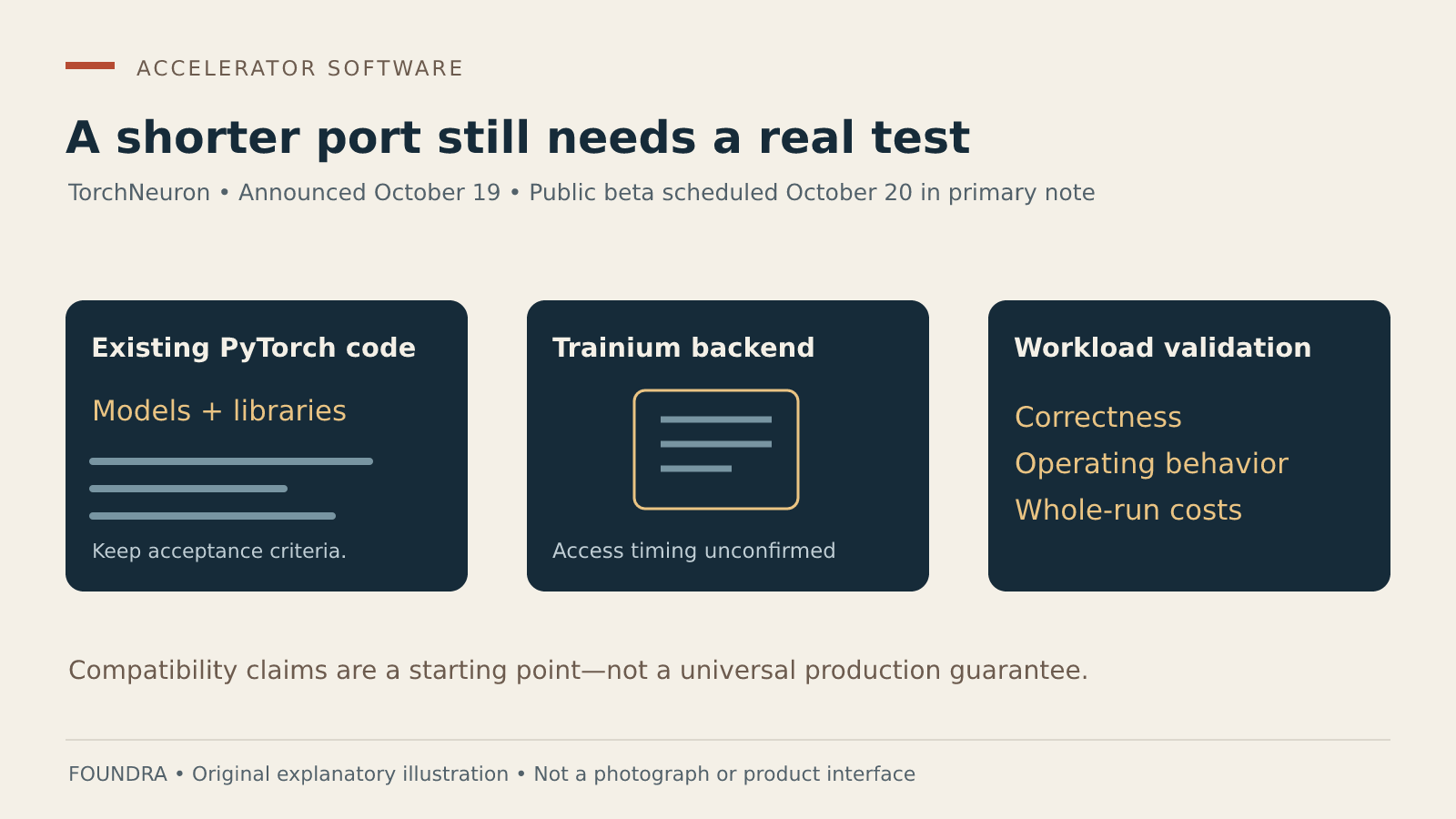
Amazon’s October 19 announcement targets PyTorch code on Trainium. The primary technical note schedules public beta for October 20, while GeekWire reports an opening on October 19. Current access is unconfirmed.
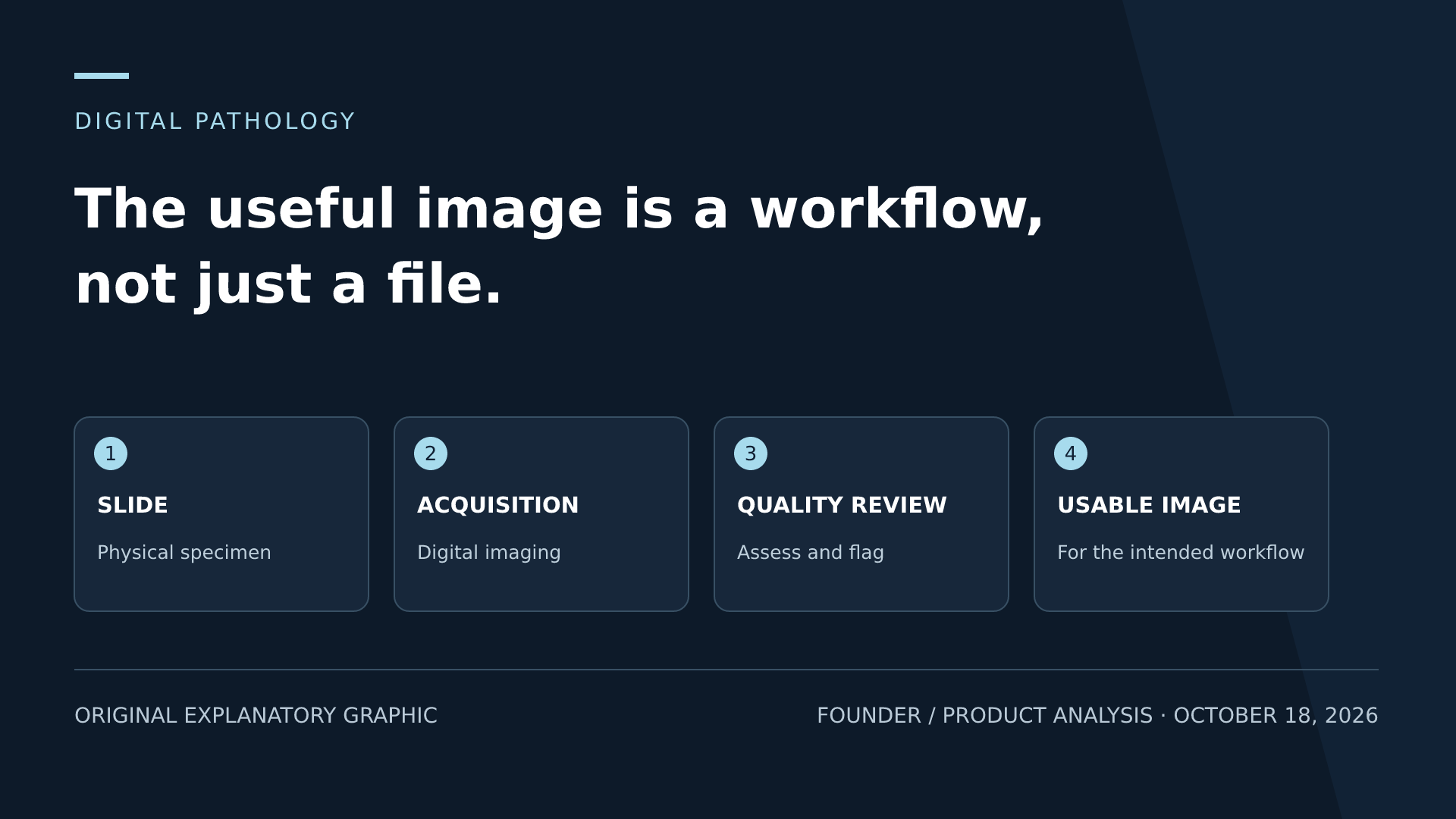
Evident’s October 16 announcement targets smaller labs with autonomous whole-slide imaging for research use only. It is not available for diagnostic procedures; throughput also depends on defined conditions.
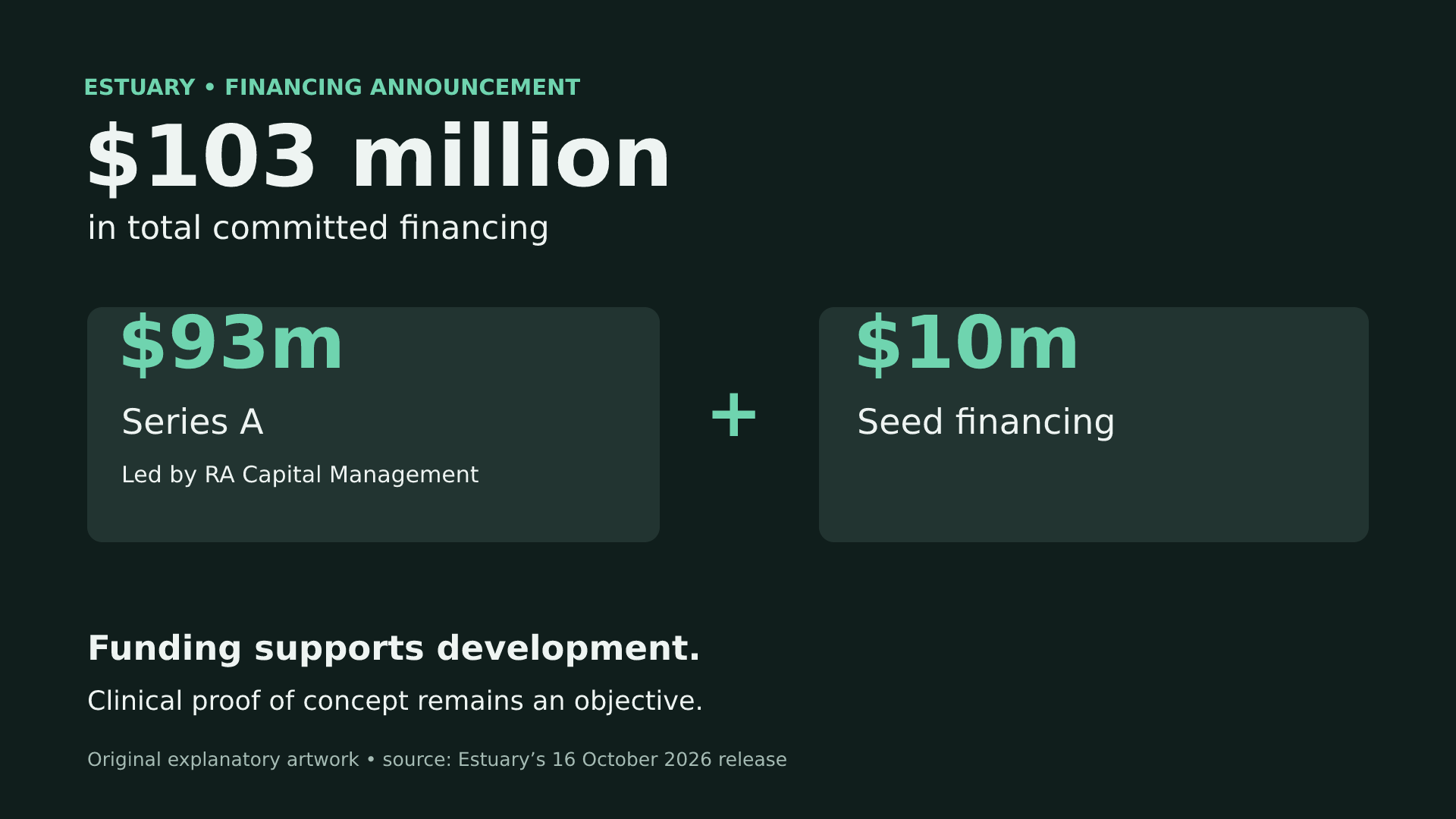
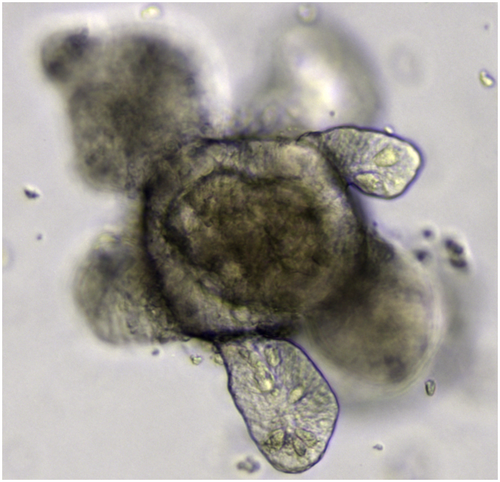
The October 16 launch combines a $93 million Series A with $10 million of seed financing. Its kidney-directed programmes still have to establish clinical proof of concept.
The October 15 disclosure backs OG-1 fleet buildout and planned pilots. Wall finishing is the starting point; broader trade coverage and performance claims still need their own evidence.
The corrected October 15 release funds Cubelets as the company moves toward wider system validation and production readiness. Its density and power benefits remain engineering propositions to prove.
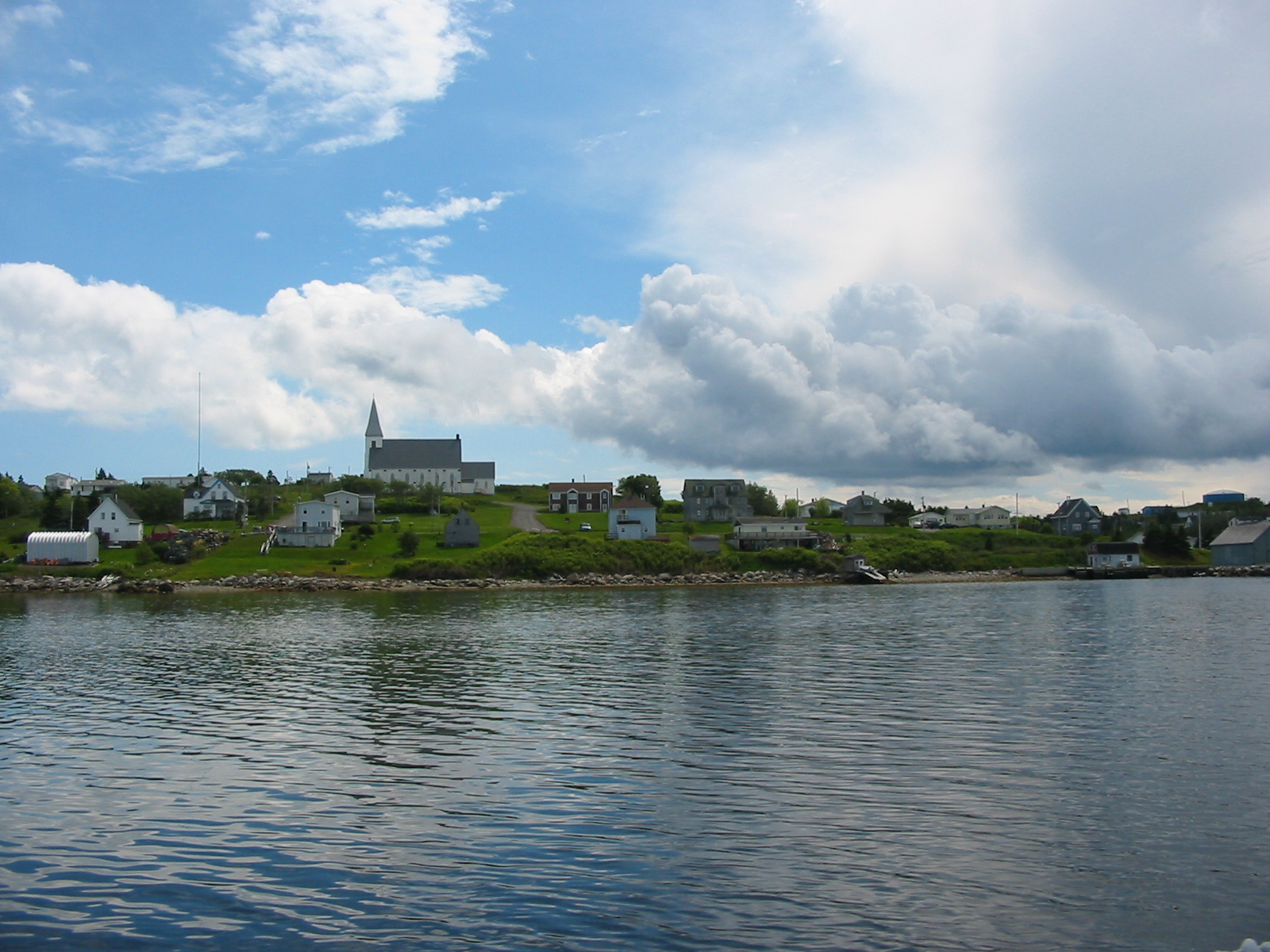
The October 15 decision is a capital-market milestone for the Spaceport Nova Scotia developer. Final exchange approval and the first TSX trading date remain separate steps.
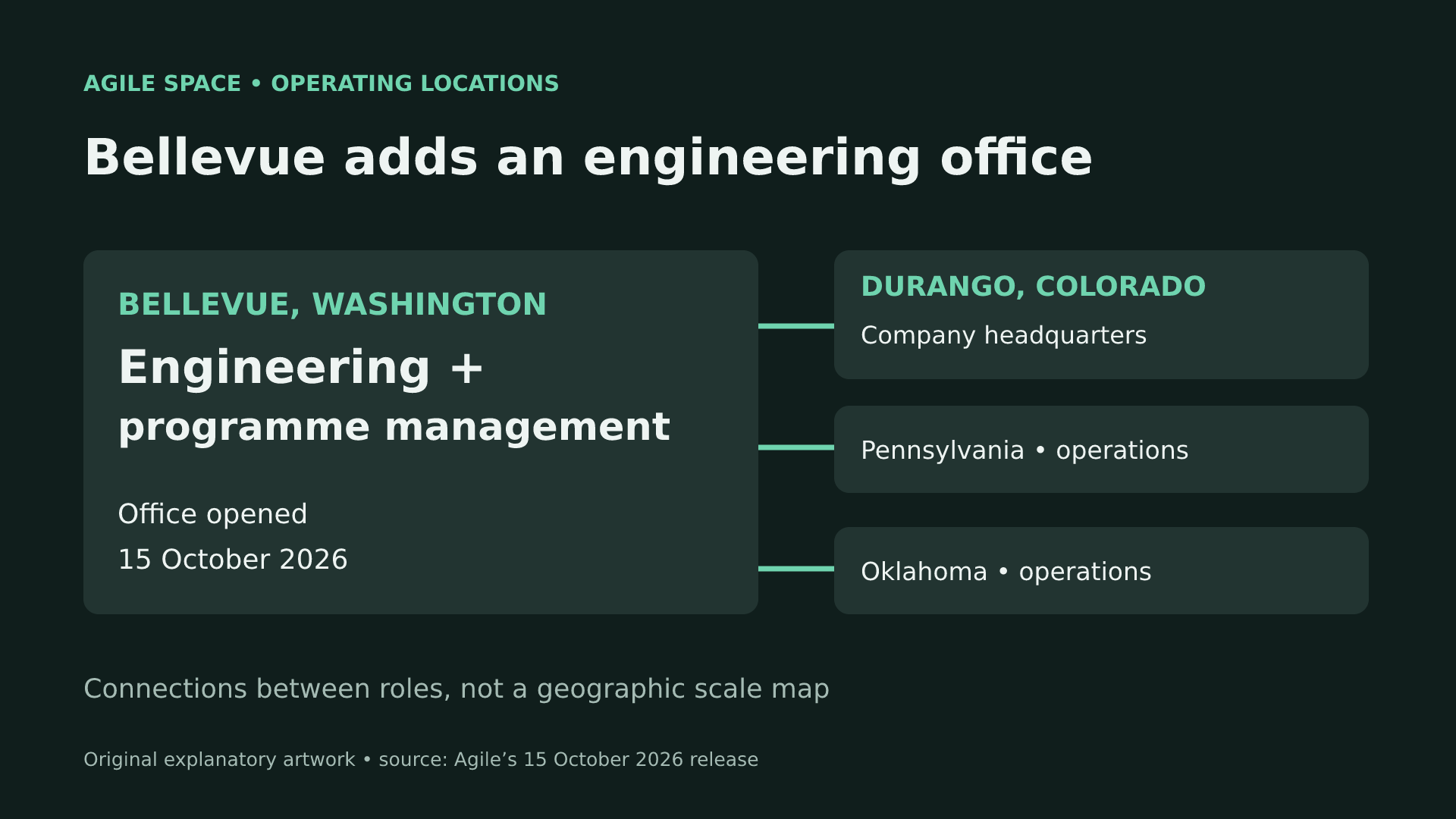
The October 15 expansion adds a Seattle-area base to the propulsion company’s distributed operations. An office opening is real; future team growth and programme delivery are still separate questions.
The October 14 disclosure combines two financing stages. Its targeted biological-pesticide design is a company proposition, with field work and product development still ahead.
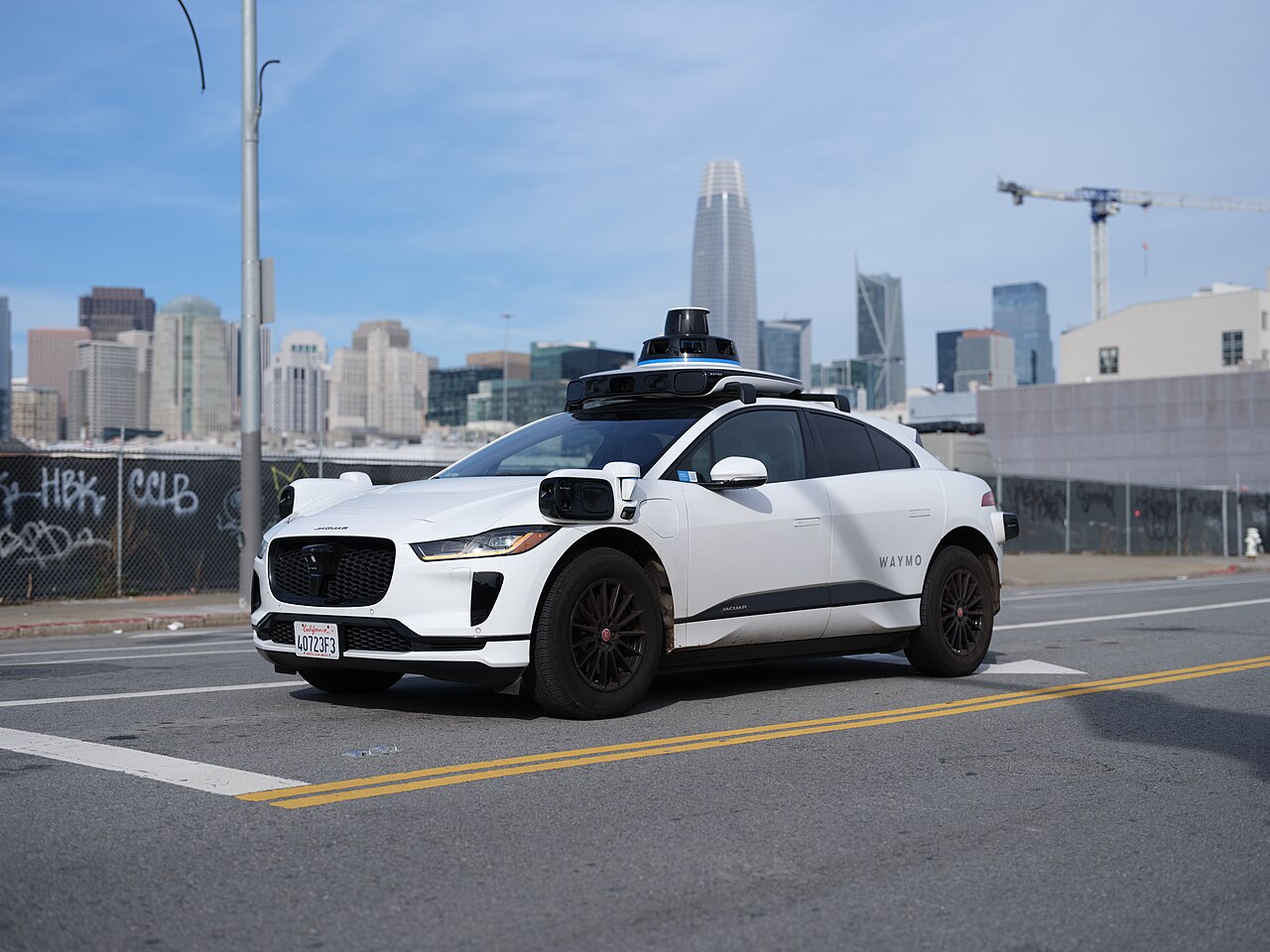
The October 16 plan begins with manual driving, mapping and validation. Element Fleet Management is the operating partner; the announcement is not a Canadian robotaxi launch.
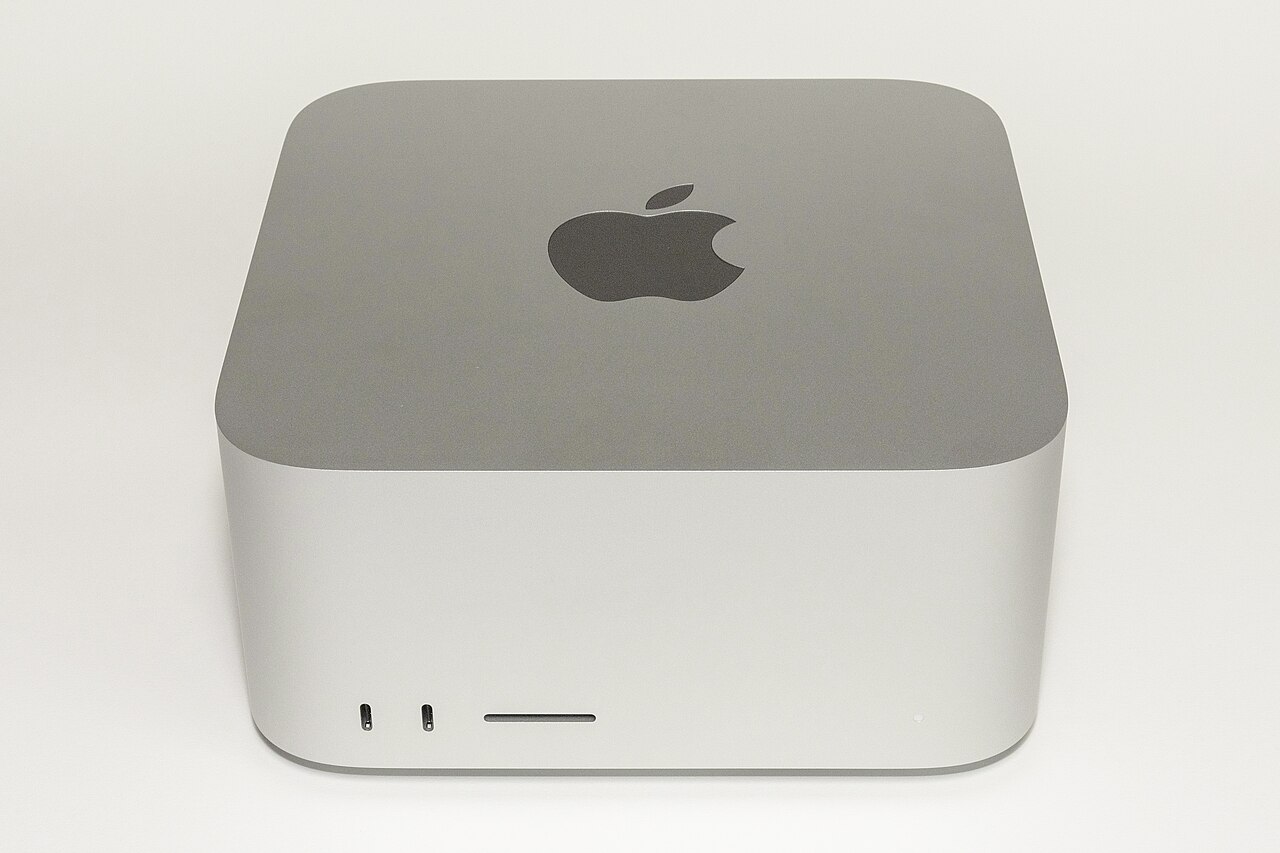
Meta’s October 15 release describes an 816-billion-parameter model running on two M5 Ultra Mac Studios. Open weights do not remove hardware requirements or commercial licence terms.
TechCrunch named the Denver company its October 15 competition winner. The $100,000 prize recognises a startup presentation, not clinical validation or regulatory approval.
The Oslo startup is an engineering firm of record with AI inside its delivery system. Its reported contracted revenue is not the same thing as completed, recognised revenue.
The proposed backing spans biological AI, infrastructure planning and quantum error correction. The announcement does not disclose a cheque size for each company.
The October 15 announcement spans technical inception, early scaling and growth capital. Each named fund has a different route into the AI and deeptech market.
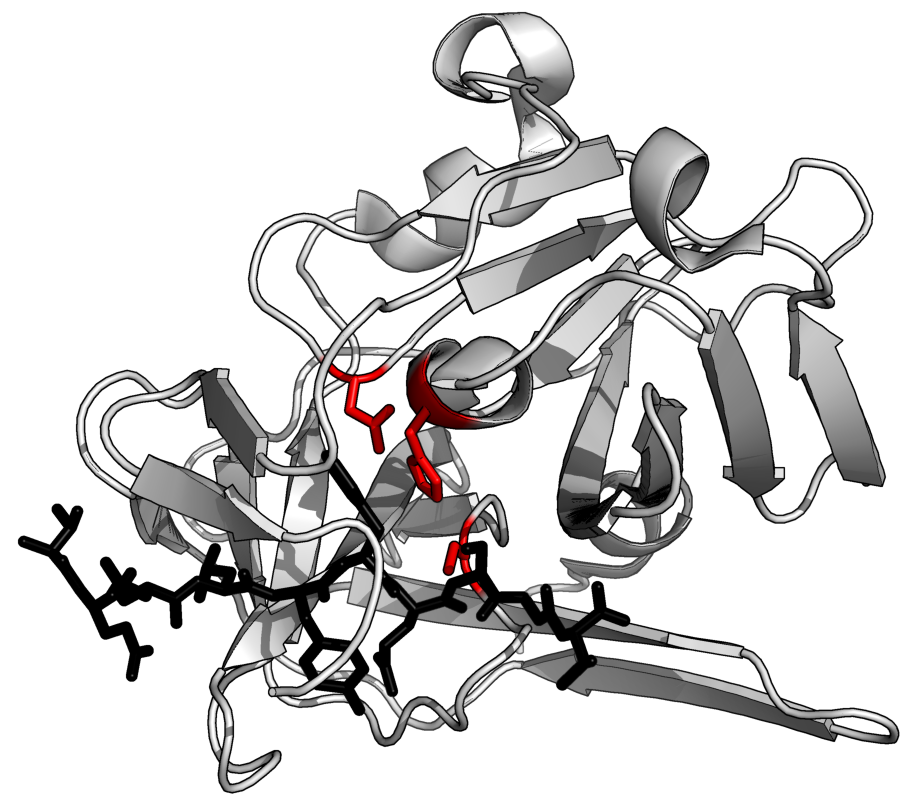
The October 14 papers use cysteine and zinc-based catalytic sites. Their public abstracts describe active designs, structural evidence and selected targets—not demonstrated patient treatments.
An October 13 clinical update describes a patient implanted in May. The company’s reported early reading result does not establish broad efficacy or U.S. approval.
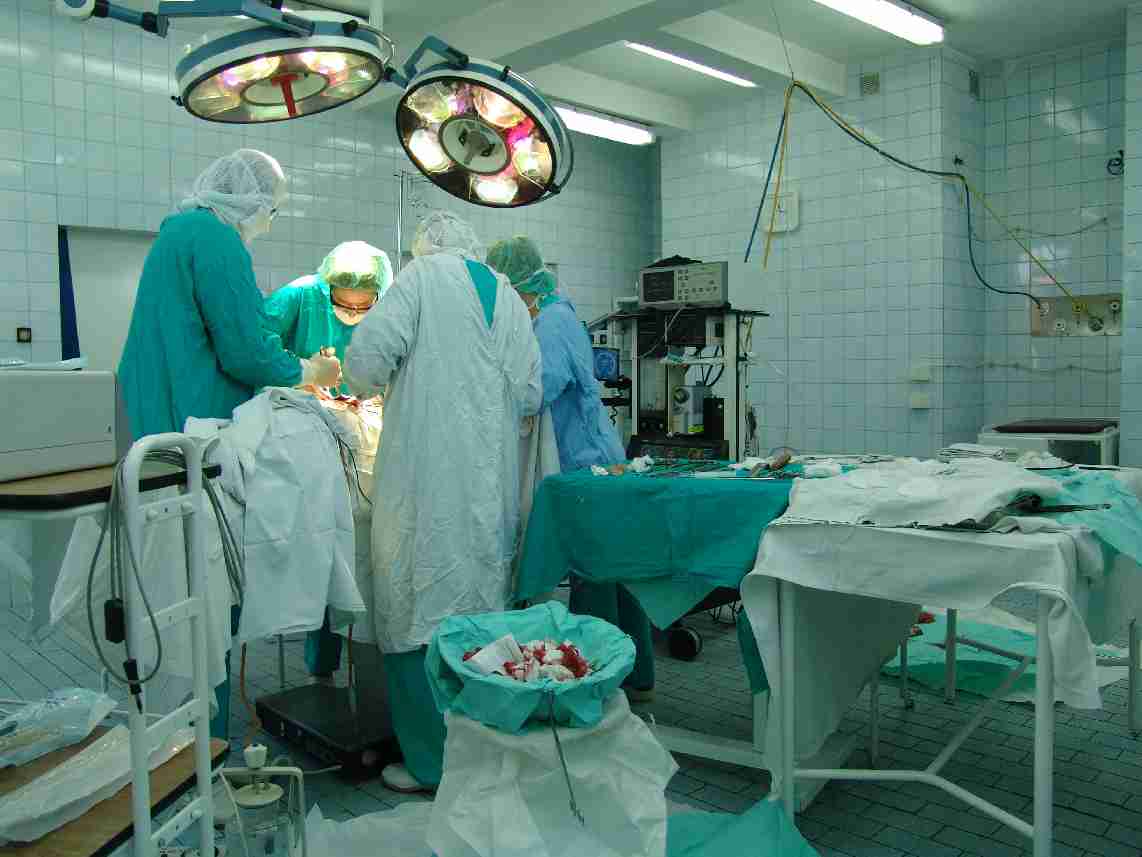
VitVio announces a UCK Gdańsk partnership and rollout. Its claims about 3D sensing and documentation need to be distinguished from measured hospital outcomes.
The startup is pursuing alternative synthesis routes with AI and laboratory research. Industrial scale, not a model’s prediction, will decide their value.
Vector Line Capital is investing in the semiconductor engineering business. Acquisitions will earn their value if specialist teams become a coherent delivery operation.