A construction robot has to complete a usable workflow on a changing site, not just perform a convincing motion.
The wall is only part of the job
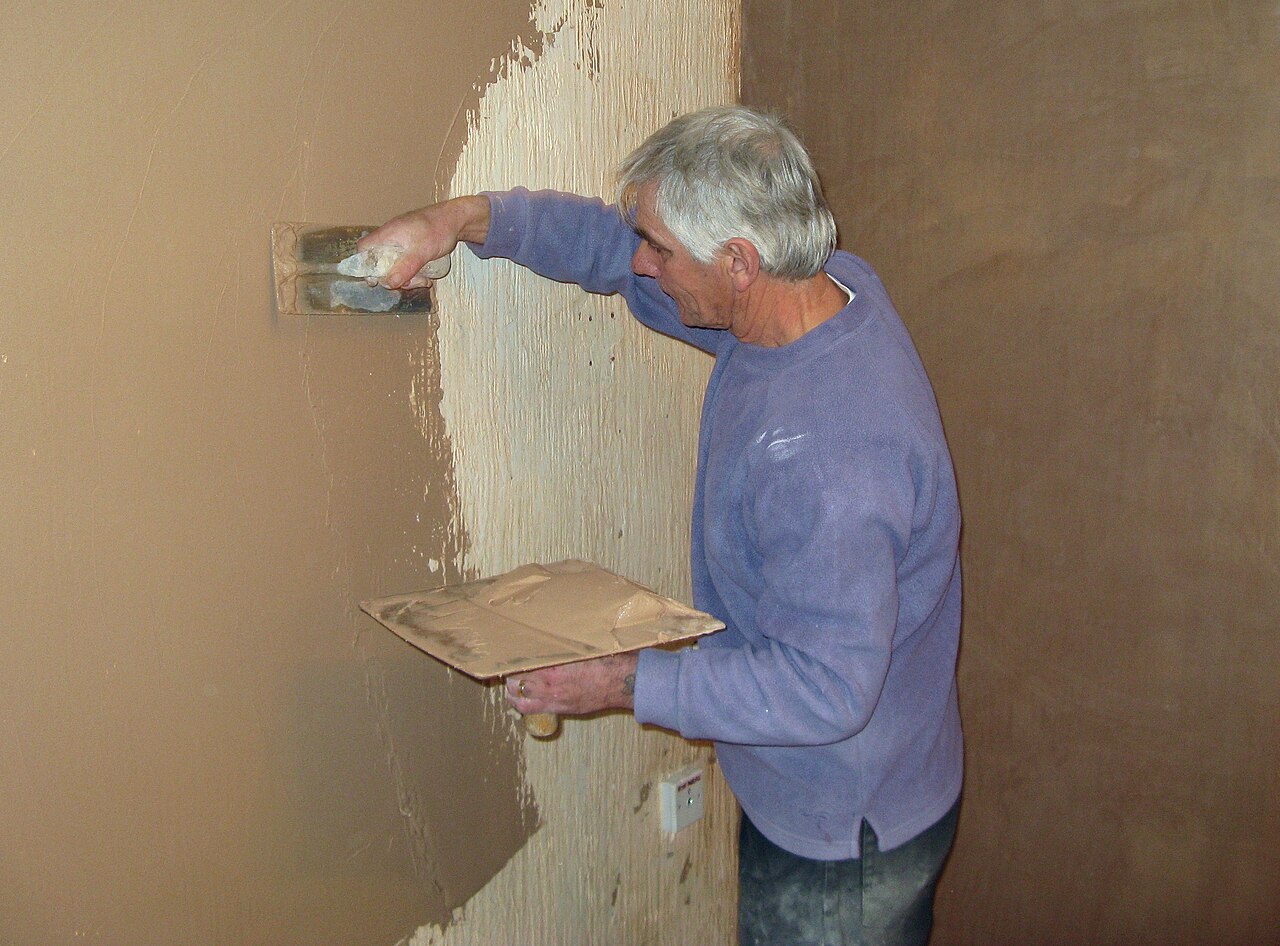
Imagine a hypothetical robot asked to finish a wall in an active building site. Applying a tool to the surface is only one part of the task. The machine also has to reach the work, recognise its surroundings and maintain the right contact while the site around it changes. A successful movement is not necessarily a completed job.
Origin’s October 15 emergence from stealth puts that distinction at the centre of its construction-robotics proposition. The San Francisco-headquartered company disclosed $20 million in total funding, co-led by Accel and Zacua Ventures, to support its OG-1 robot fleet, planned customer pilots and expansion into additional interior trades.
The total should not be rewritten as a newly closed $20 million Series A. Origin’s release describes total funding without identifying it as that round. Accel’s portfolio record separately dates its initial seed investment to 2025. The verified October event is the public emergence and funding disclosure, not proof that all of the capital was first raised this month.
Origin describes OG-1 as a modular platform beginning with wall-finishing work, including compound application, sanding and priming. It says planned pilots will broaden deployment. Its claims about speed, quality and safe operation are company and investor claims; this article does not present them as independently tested performance.
A tool system needs a task boundary
The company’s modular hardware platform is intended to let the same robot take on more trades with interchangeable tools. The product attraction is straightforward: one platform could potentially support a broader set of jobs than a machine dedicated to a single action. The difficult question is what changes when the task changes.
A new tool can introduce a different contact force, surface interaction or acceptance criterion. It is therefore useful to distinguish the ability to attach a tool from the ability to complete the corresponding workflow. Origin says it intends to expand beyond its starting trades. That is a development direction, not evidence that every proposed trade is already supported.
The company describes a Construction Action Model combining task planning, navigation and tool control. This is the architecture it says it is building around. A contractor assessing it would still need to establish the conditions under which the system can work and the situations in which a person needs to intervene.
That assessment should start from the job’s accepted result. A demonstration can show a motion clearly while leaving preparation, exception handling or final inspection outside the frame. A purchasing decision needs those boundaries made explicit. This is a proposed diligence approach, not a report that Origin has omitted those activities from its own tests.
For a hypothetical wall-finishing pilot, the operator and contractor could agree on the work area, initial surface condition and standard for completion before comparing results. They could record setup, interruptions and rework alongside the robot’s active time. That would make a claim about productivity more interpretable than a selected clip of the fastest part of the process.
From a robot motion to an accepted job
Define the work
Agree on the surface, work area and completion standard.
Run the workflow
Include setup and interruption handling, not only active motion.
Inspect the result
Count accepted work and rework when assessing productivity.
Fleet buildout is a different problem from a demonstration
The financing disclosure identifies fleet buildout and pilots as priorities. Moving from a robot to a fleet adds an operating layer: machines must be supported, scheduled and returned to service when something needs attention. A technically capable unit does not automatically settle those questions for a contractor.
The same distinction applies to a pipeline of pilot locations. A planned pilot is an opportunity to gather evidence, not a completed deployment outcome. Origin’s stated expansion plans should be followed as plans until the company or its customers provide a record of what happened.
For founders building physical AI products, this is the important connection between capital and product proof. Funding can expand the number of settings in which a system is tested and the capacity to support it. The value of that expansion lies in the evidence it produces about repeatable work—not just in the size of the fleet.
Origin now has a public product direction and disclosed backing to pursue it. The next useful comparison is between the promised workflow and the work accepted on actual sites, with the full operating process included. That is where a construction robot becomes more than a persuasive demonstration.
Sources
- Origin emergence and total-funding release ↗ Origin emergence and total-funding release · Primary source
- Accel Origin investment note ↗ Accel Origin investment note · Primary source
- Accel Origin portfolio record ↗ Accel Origin portfolio record · Primary source
- Entrackr Origin funding report ↗ Entrackr Origin funding report
Have additional information? Request a correction.