SaaS
Avante’s $30 million Series A targets the people running employee benefits
Frist Cressey Ventures leads the Seattle startup’s round. The distinction is between helping benefits teams work and authorizing a system to decide eligibility.
THE SAAS DESK
Enterprise software, distribution and the business of recurring revenue.
76 stories to explore
Frist Cressey Ventures leads the Seattle startup’s round. The distinction is between helping benefits teams work and authorizing a system to decide eligibility.
The pre-Series B includes new capital and shareholder liquidity. Its enterprise challenge is making an automated decision traceable, not merely making it faster.
Thomas Dohmke’s startup introduces Trails, distributed hosting and persistent session context. Its speed claims are not independently benchmarked here.
The October 26 definitive agreement is a proposed acquisition, not a completed transaction. Integration and governed customer communication are the operational questions.
The October 26 filing reports strong consolidated growth, but profit attributable to parent shareholders is smaller and the comparison figures have been restated.
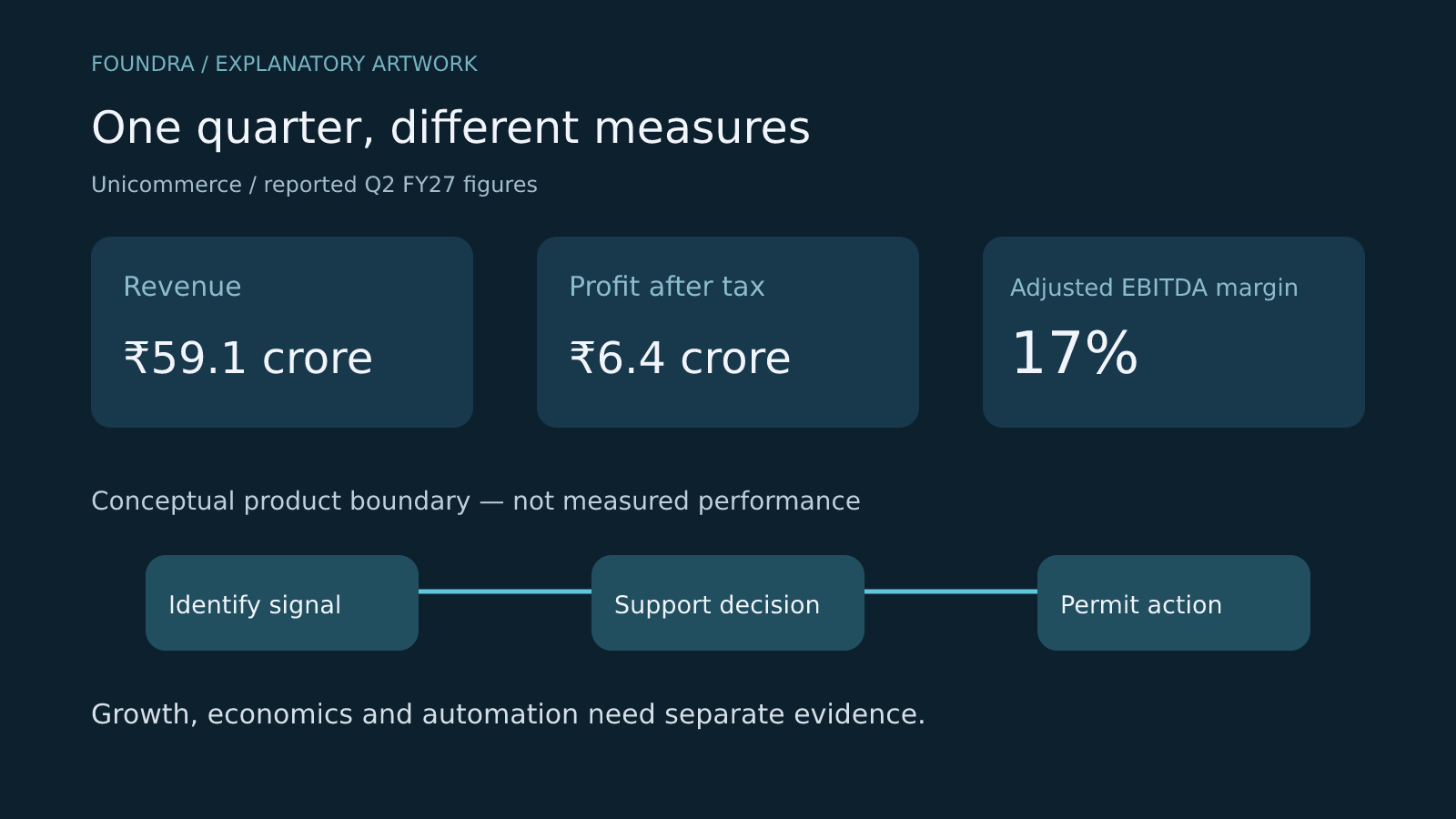
The October 23 results pair 15% revenue growth with a 17% adjusted EBITDA margin. The second-generation DNA companion adds a product question to the financial one.
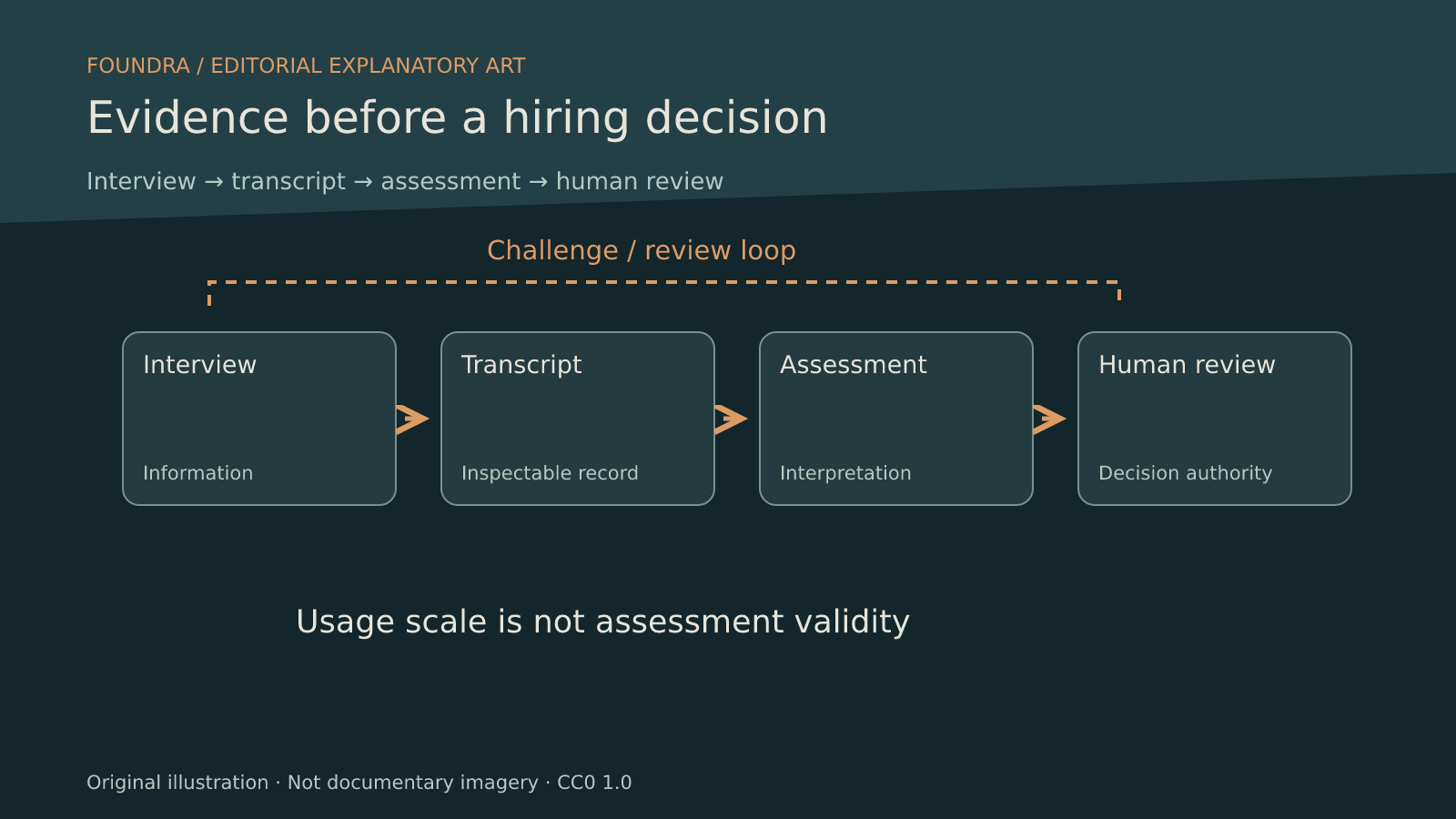
Dayforce has signed an agreement to acquire Ribbon AI. The planned recruiting integration raises questions about evidence, assessment and human review.
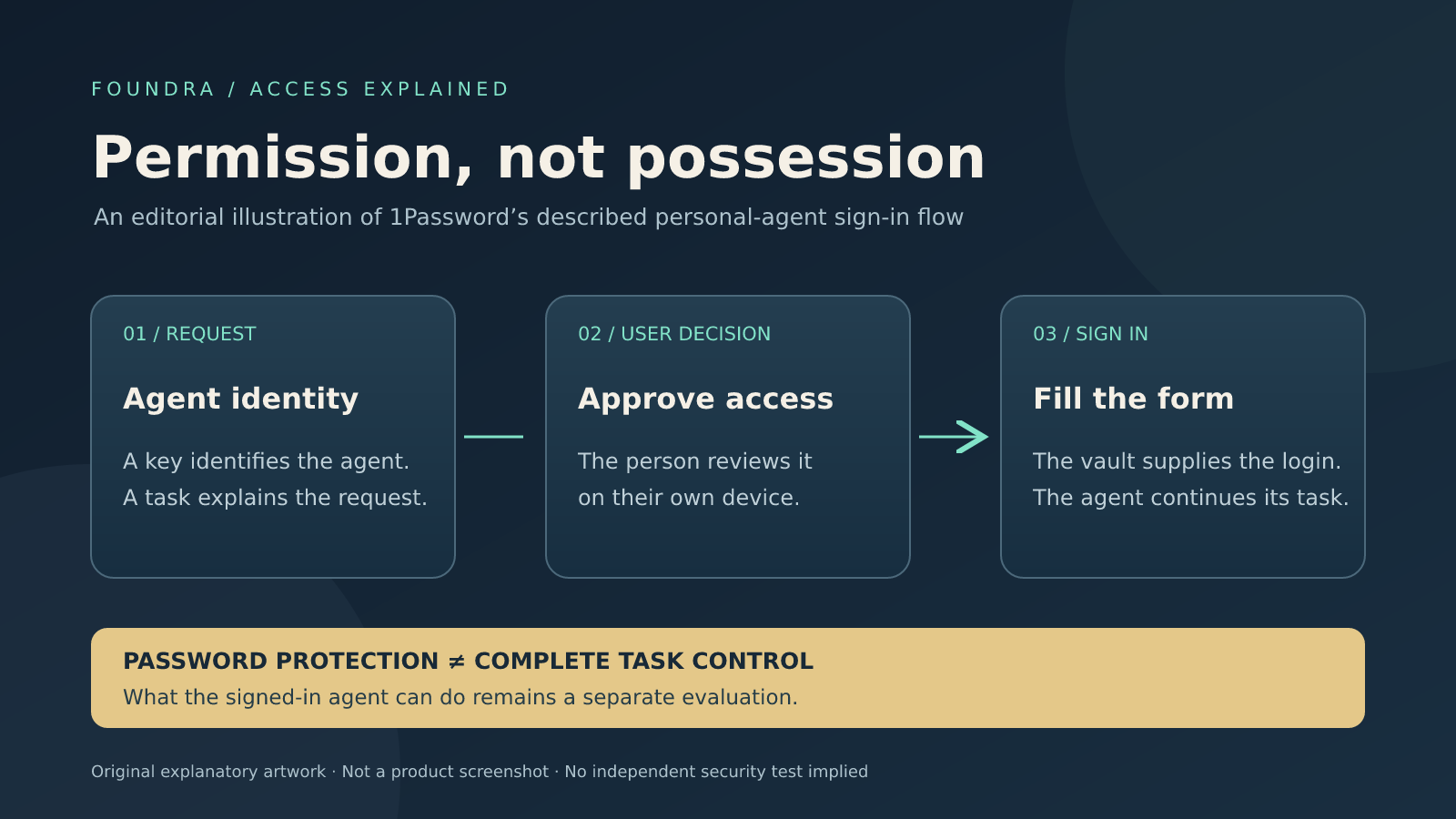
The company’s October 22 announcements connect a recurring-revenue milestone to a new personal-agent sign-in model. Keeping a password out of a model is useful, but it is not the same as controlling every action after login.
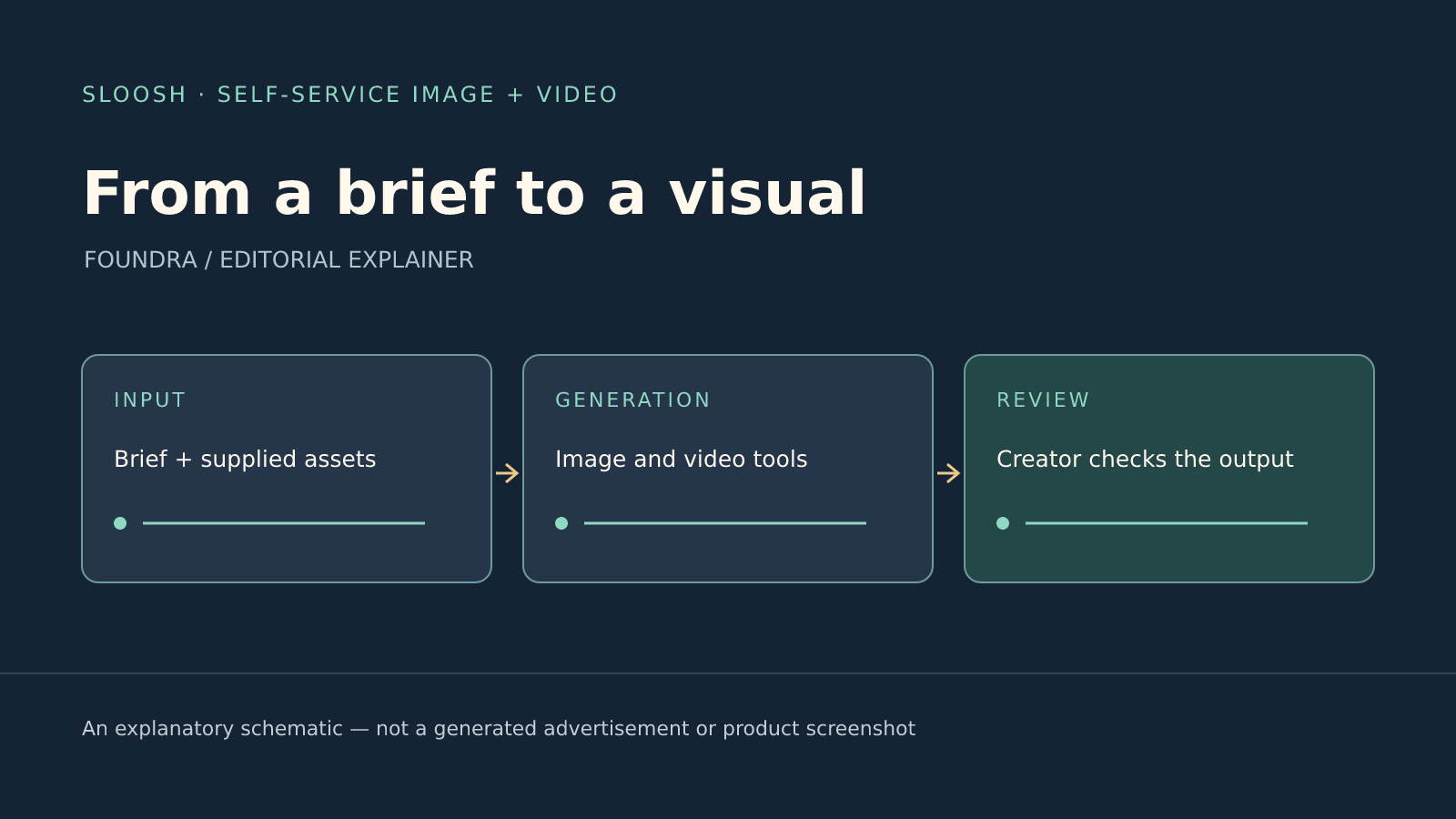
The reported October 22 launch puts image and video generation in a self-service product whose terms still specify early, invitation-only access. The comparison with a creative service is about the work, not just the subscription price.
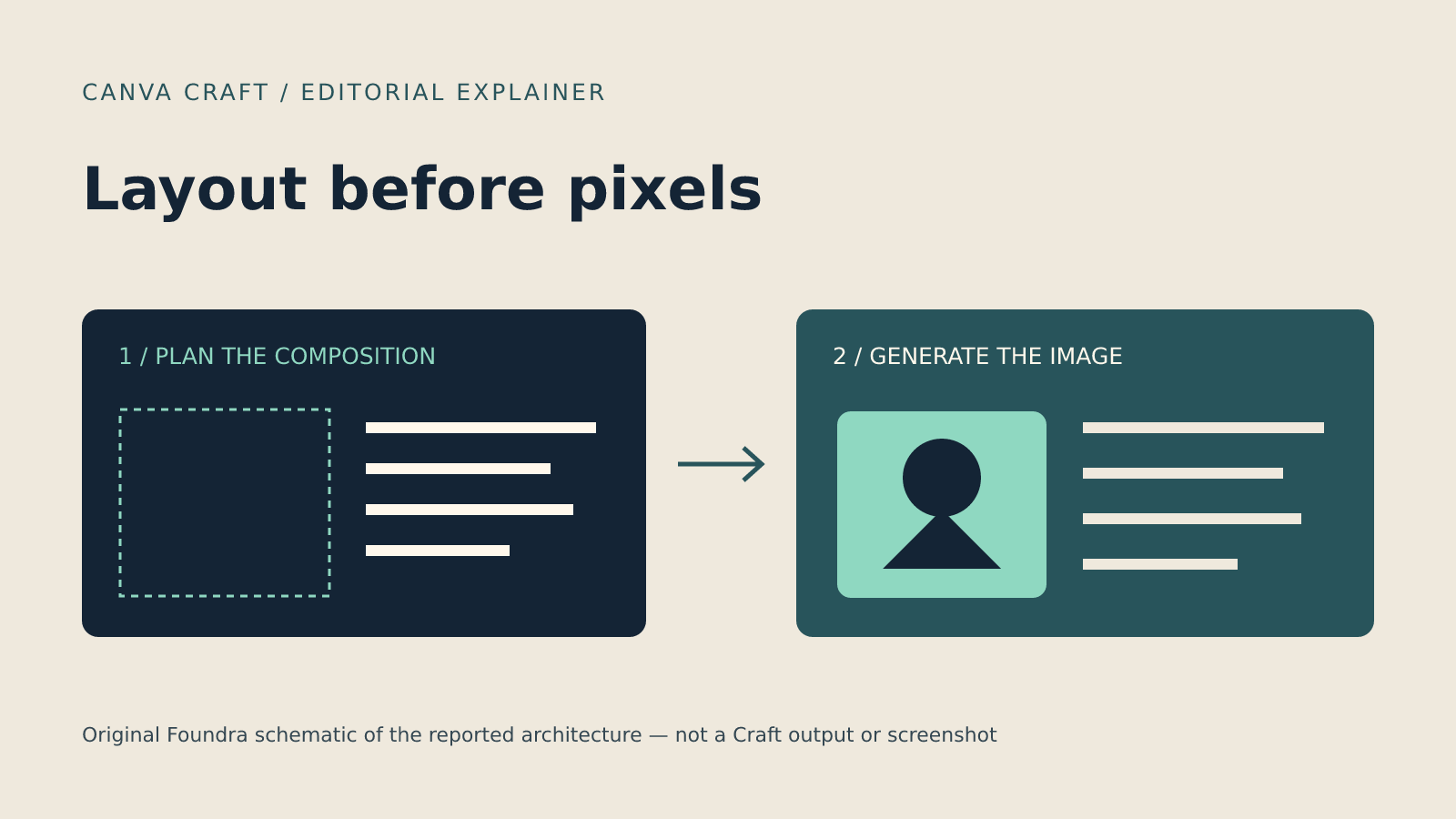
Canva’s first image-generation model is designed to plan a composition before rendering it. That is an interesting product choice, not an independent verdict on text accuracy or editing reliability.
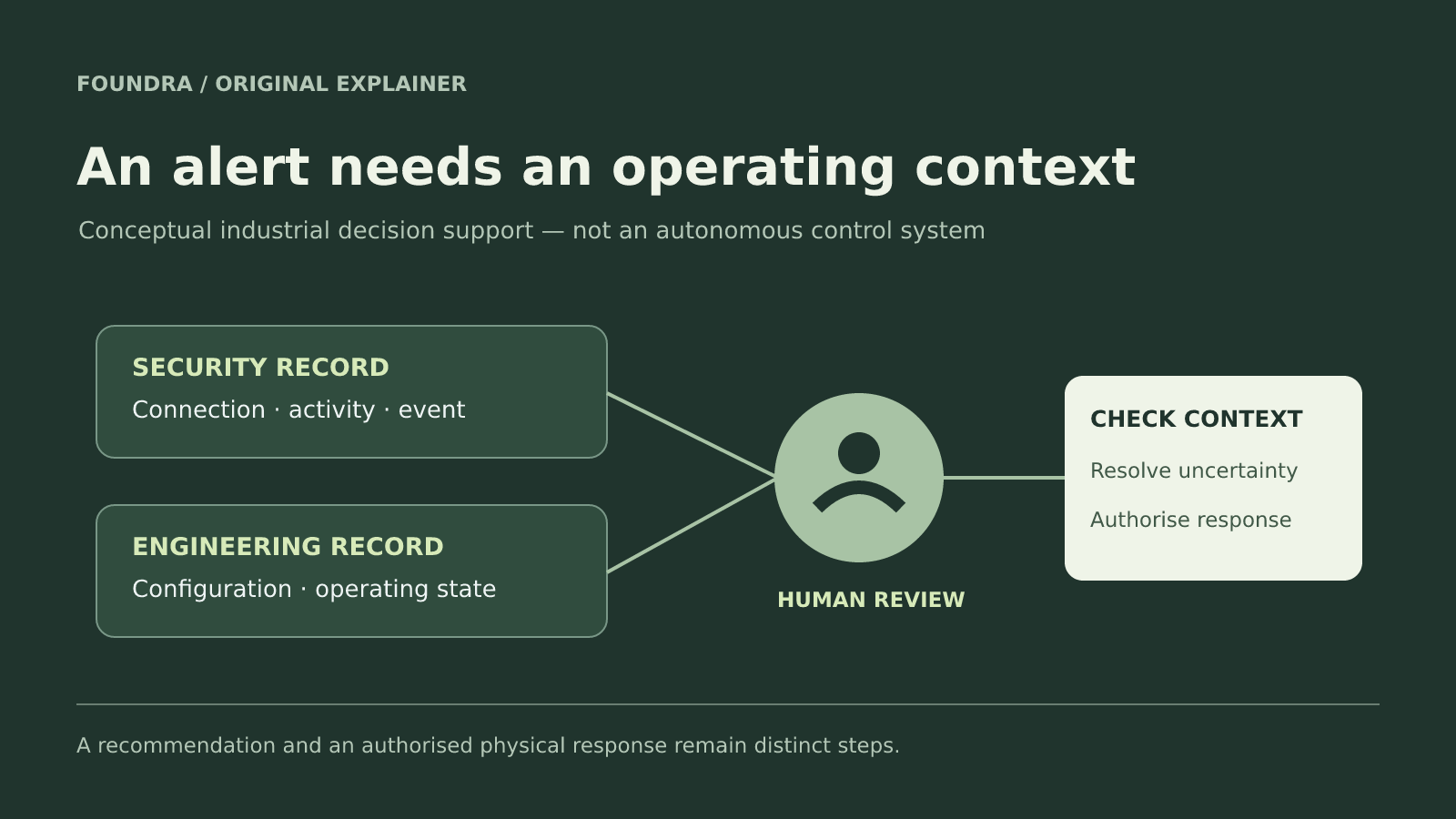
The Amsterdam company’s funding, led by Contrarian Ventures, supports an AI platform joining engineering and security information. Its proposition is decision support for industrial operators—not a claim that software can safely run a plant on its own.
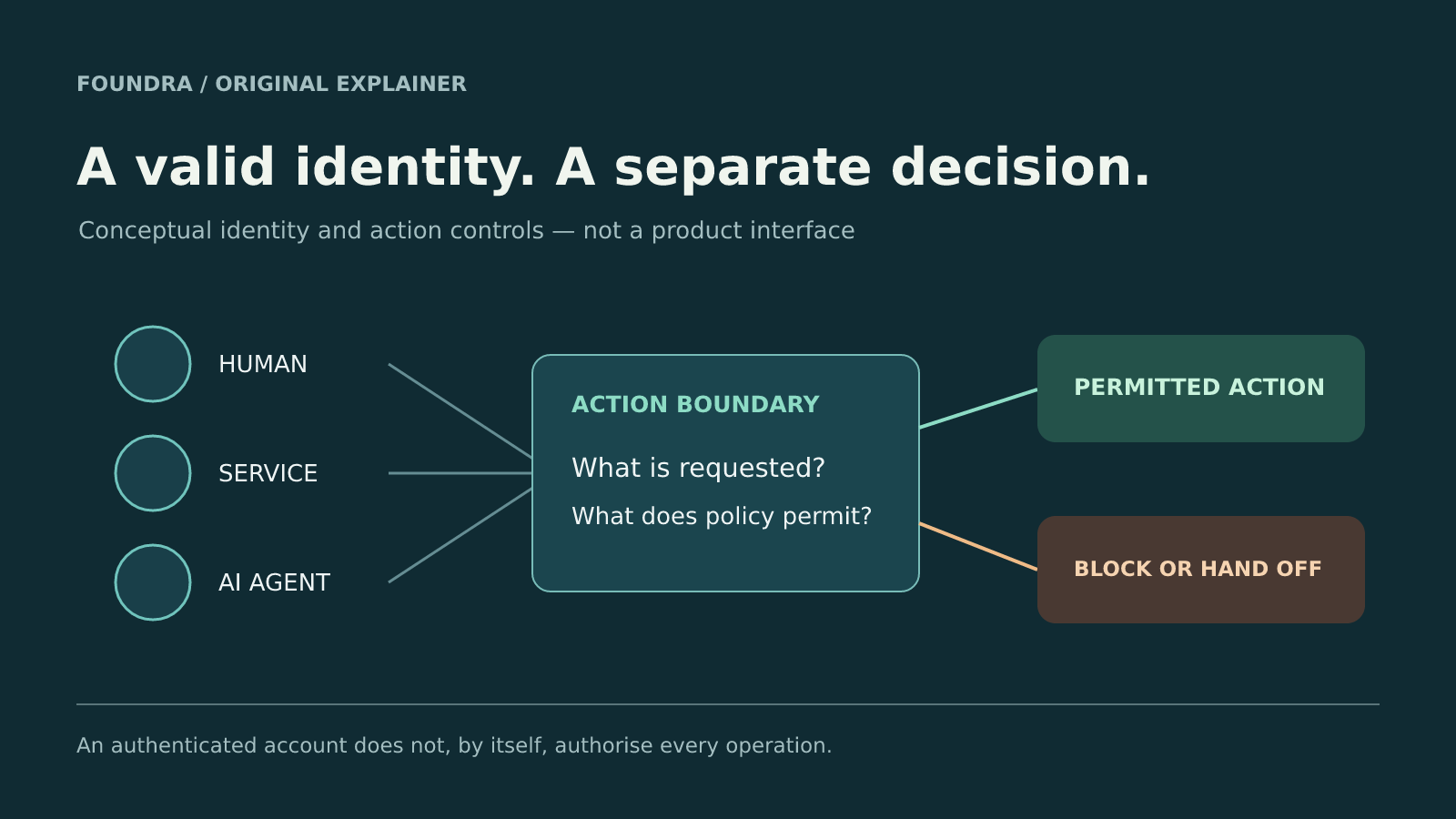
The Berlin startup has emerged from stealth with pre-seed backing led by Atlantic. Its pitch shifts enterprise security from recognising an identity to deciding what that identity may actually do.
The business-planning company is pursuing autonomous planning. An announced financing and a proposed investor must remain separate facts.
Two reports disclose the financing led by Chalfen Ventures. The operational question is what an agent can commit to, and who authorises it.
The Copenhagen startup’s pre-seed round backs transaction controls across existing business systems. Its proposed advantage sits between finding a discrepancy and correcting it.
A Series A reported on October19 finances Hunar Voice and Hunar Connect, two product routes into recruiting, onboarding and retaining frontline workers.
The Series B finances agent-execution infrastructure. A reading of Daytona’s process interface shows the concrete request and response beneath the agent-cloud proposition.
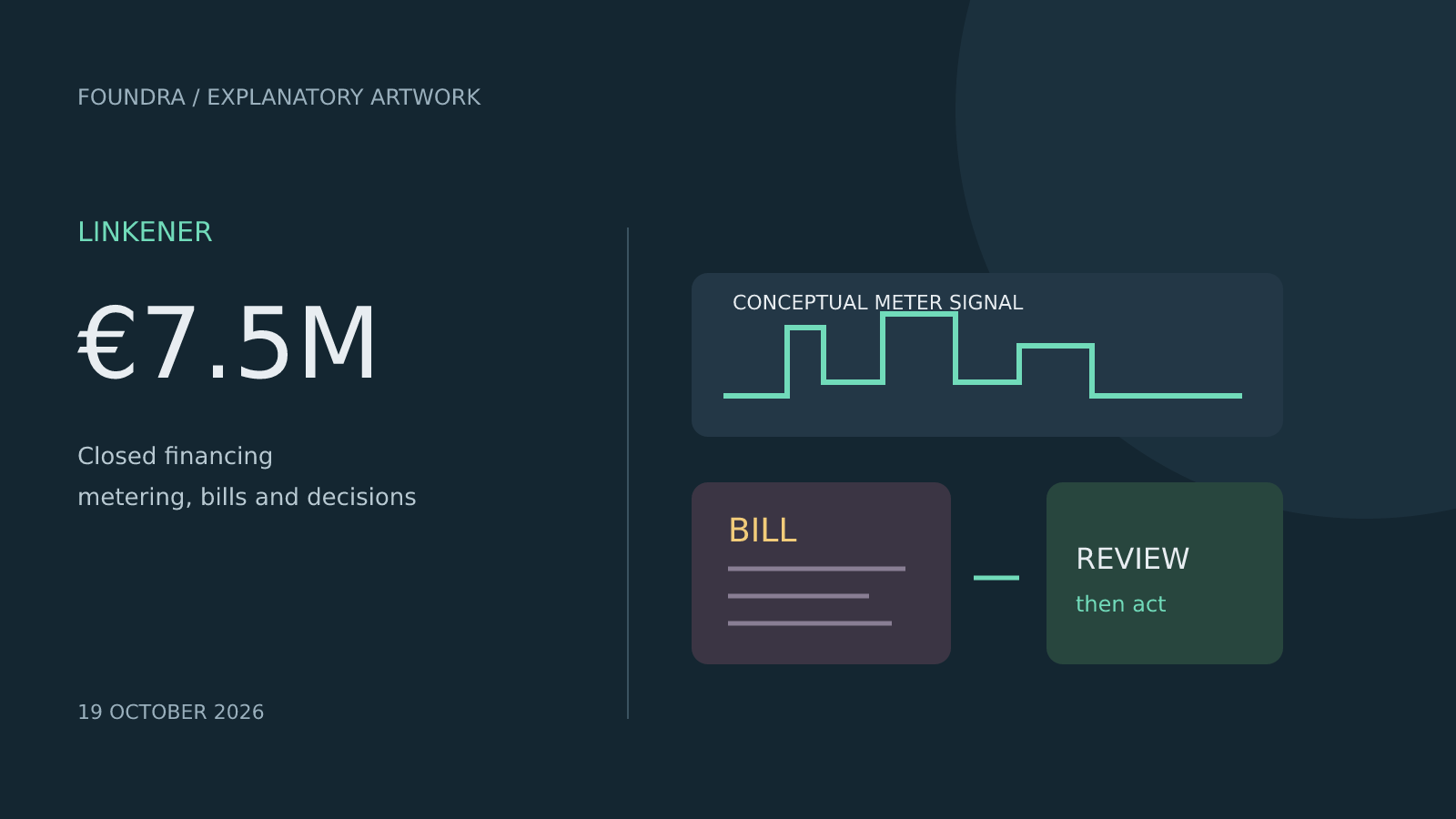
Linkener combines energy software with engineering services. Its closed financing supports AI development and expansion, but billing savings, lower consumption and climate benefits remain different claims.
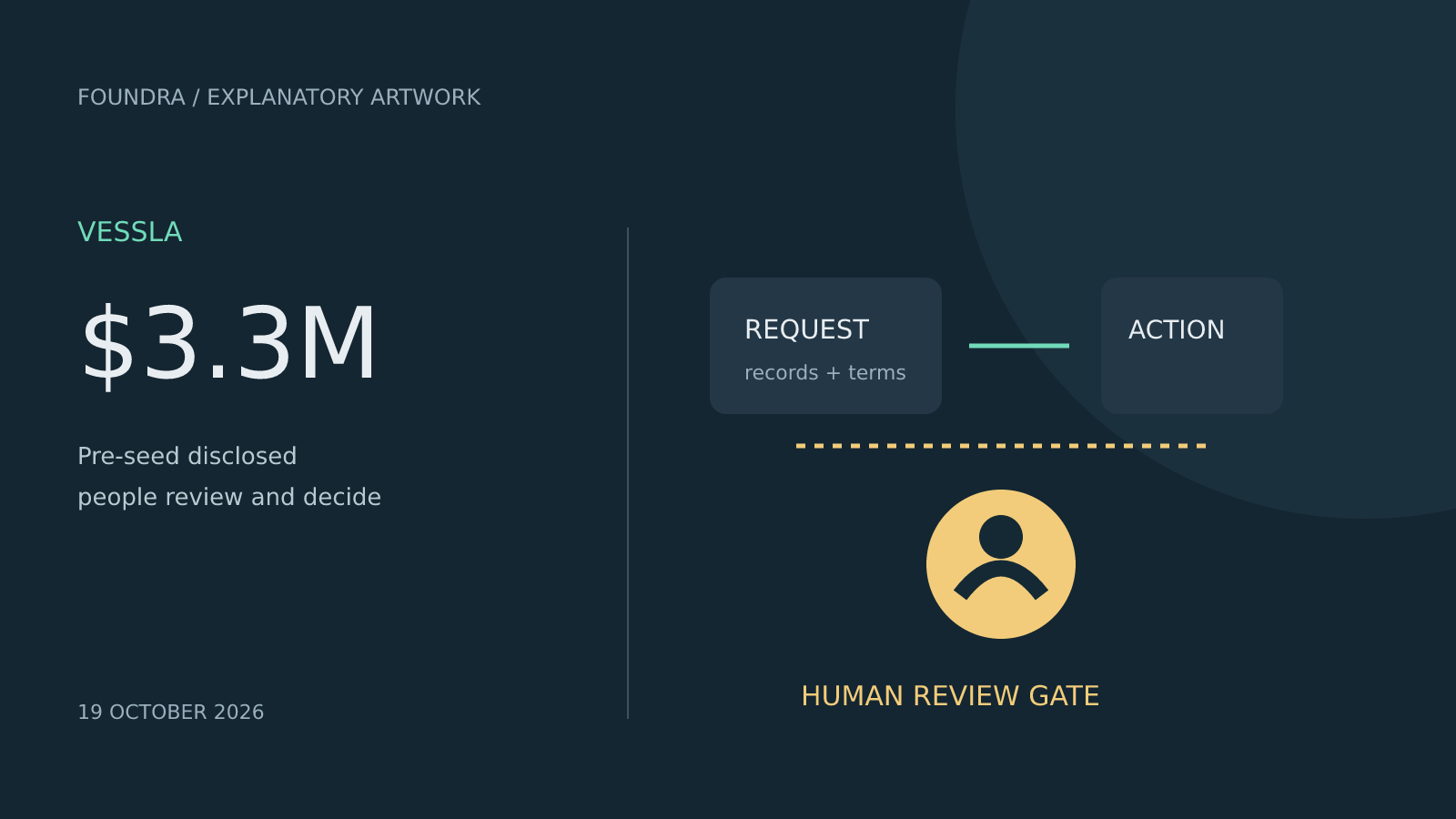
Seedcamp’s investment backs an operating layer spanning existing property systems. Vessla’s disclosed approach assigns execution to agents while retaining human judgement and responsibility.
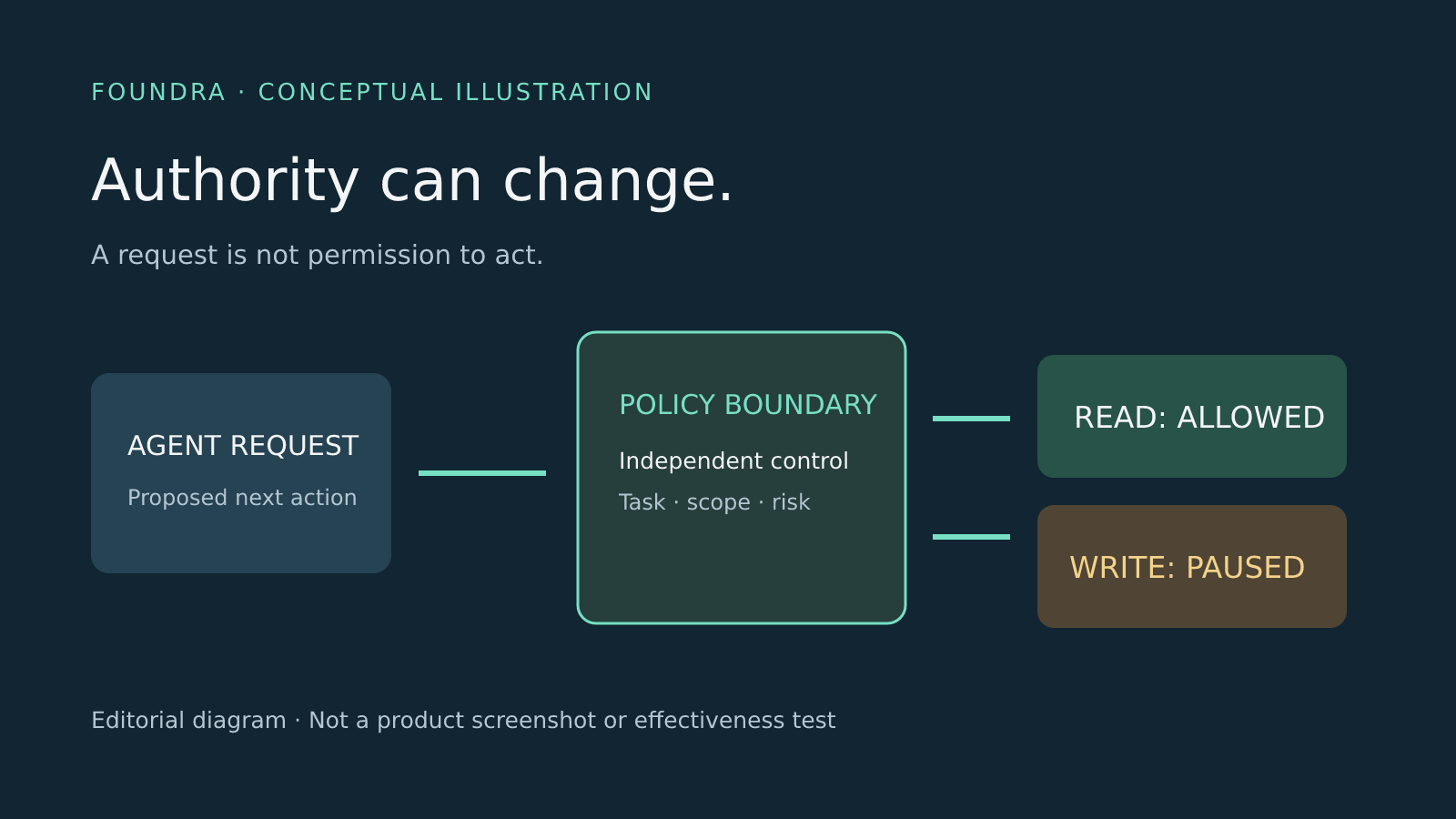
Controls announced on October 19 are in private preview, GeekWire reports, with broader availability planned for Ignite. For enterprise startups, the question is whether workflows can survive a mid-task permission change safely.
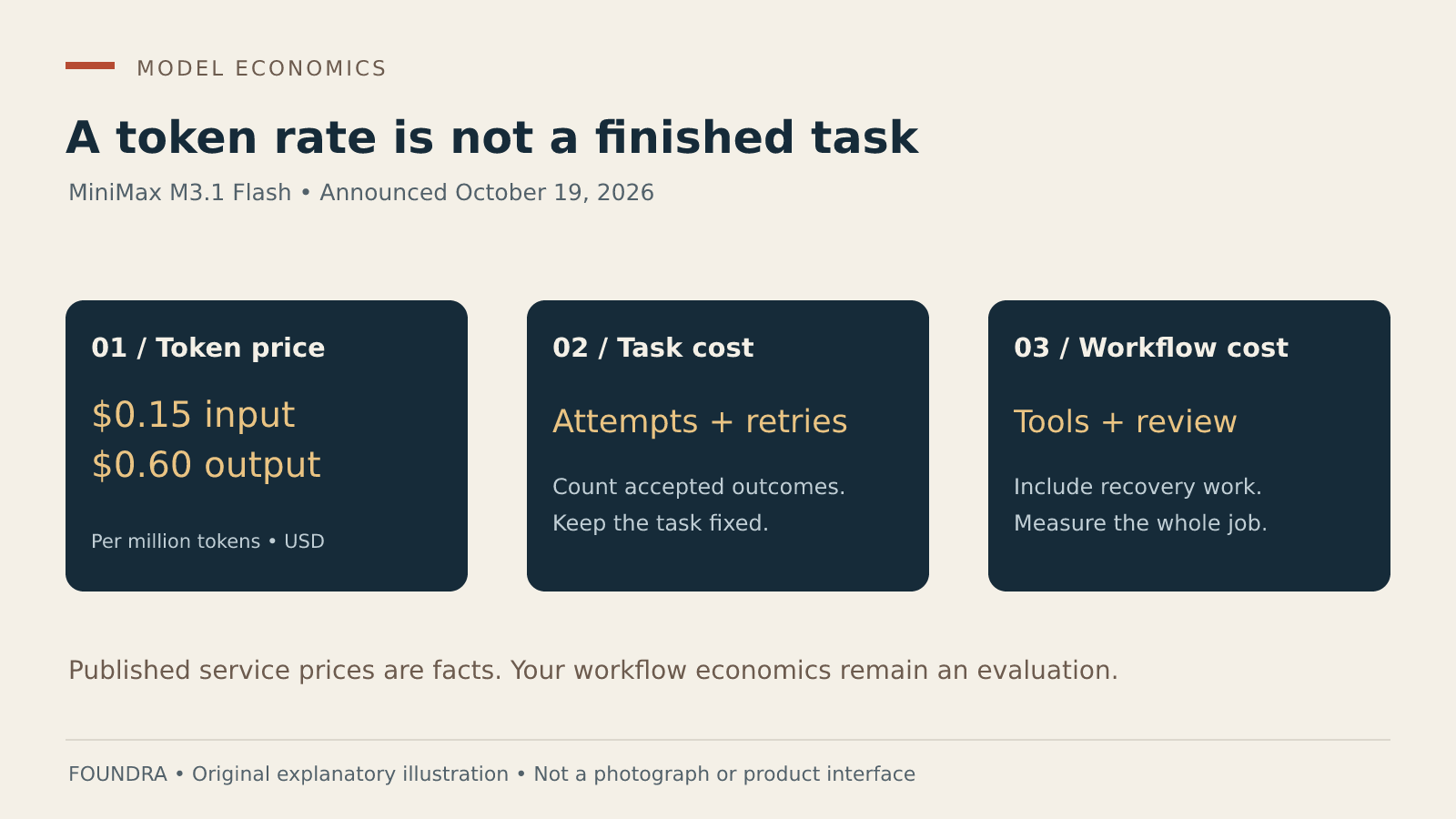
MiniMax’s October 19 release puts a new agent model behind its hosted products. Its published token prices are concrete; claims about faster, cheaper completed work still need workload-specific testing.
The Toronto startup says the financing closed earlier this summer. Its October disclosure frames an AI business around the information that connects manufacturing decisions, rather than a new production machine.
The October 15 Series B funds a wider cloud, AI and data-spend platform. The important distinction for customers is between identifying a saving and authorising a commitment.
Two October 16 research reports examine employment inside the AI company and differences in expectations outside it. The findings are useful signals, not an economy-wide forecast or a headcount prescription.