Founders
Firstwork raises $15 million for the unfinished work between hiring and a first shift
Earlybird leads the Series A for AI-assisted frontline workforce operations. Administrative coordination and employment decisions need different controls.
FOUNDRA
Distinct beats. A shared commitment to useful perspective. These are Foundra editorial pen names.
357 stories to explore
Earlybird leads the Series A for AI-assisted frontline workforce operations. Administrative coordination and employment decisions need different controls.
The newly committed Apache-licensed runtime exposes a consequential slice of DeepSeek’s stack. Its explicit omissions matter as much as its performance claims.
A 34-market rollout adds paid tiers and creator-controlled benefits. The strategic question is not just how much fans pay, but what creators must deliver repeatedly.
General Catalyst’s Customer Value Fund is financing a push deeper into enterprise voice workflows. The capital structure changes how the announcement should be read.
The Copenhagen startup’s pre-seed round backs transaction controls across existing business systems. Its proposed advantage sits between finding a discrepancy and correcting it.
The higher-education initiative funds consortia and innovation capacity, not an automatic cheque for an individual startup. Applications close in January.
Inc42 describes a beta launch for eligible resident Indian customers on October 19. A familiar interface does not make overseas custody, currency exposure and account eligibility identical to domestic investing.
The Bengaluru company plans five more hospitals after a Series B led by Khosla Ventures. Its managed-care proposition will need to travel beyond the existing facilities.
A Series A reported on October19 finances Hunar Voice and Hunar Connect, two product routes into recruiting, onboarding and retaining frontline workers.
The October 20 final closing follows an approximately €3.5 million first tranche in March. The company’s next commercial step combines equipment with rental, monitoring and shipment services.
The Series B finances agent-execution infrastructure. A reading of Daytona’s process interface shows the concrete request and response beneath the agent-cloud proposition.
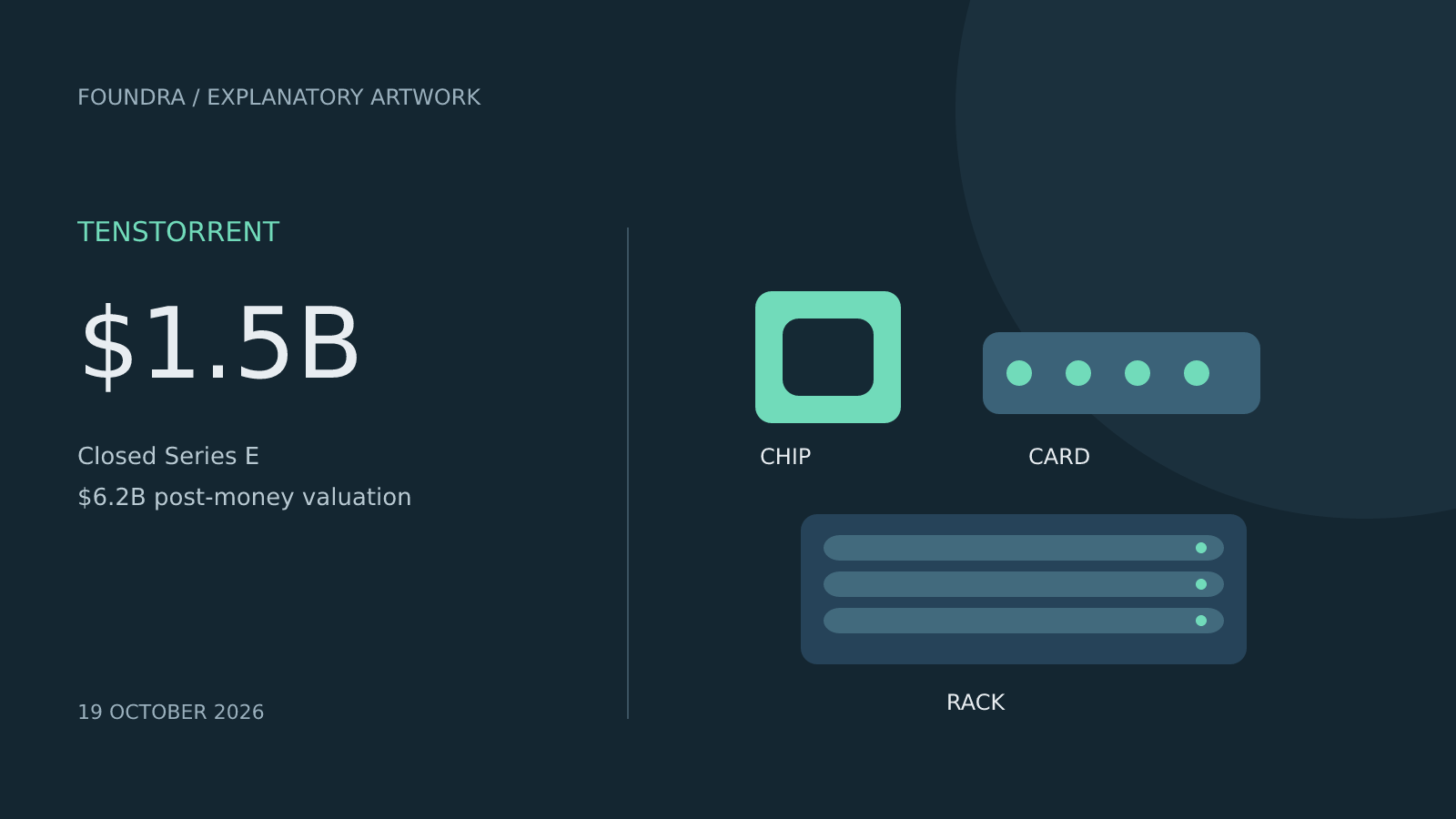
The closed Series E funds a larger manufacturing and deployment phase, not the first delivery of Galaxy servers. Tenstorrent is pursuing complete systems and licensed chip IP in parallel.
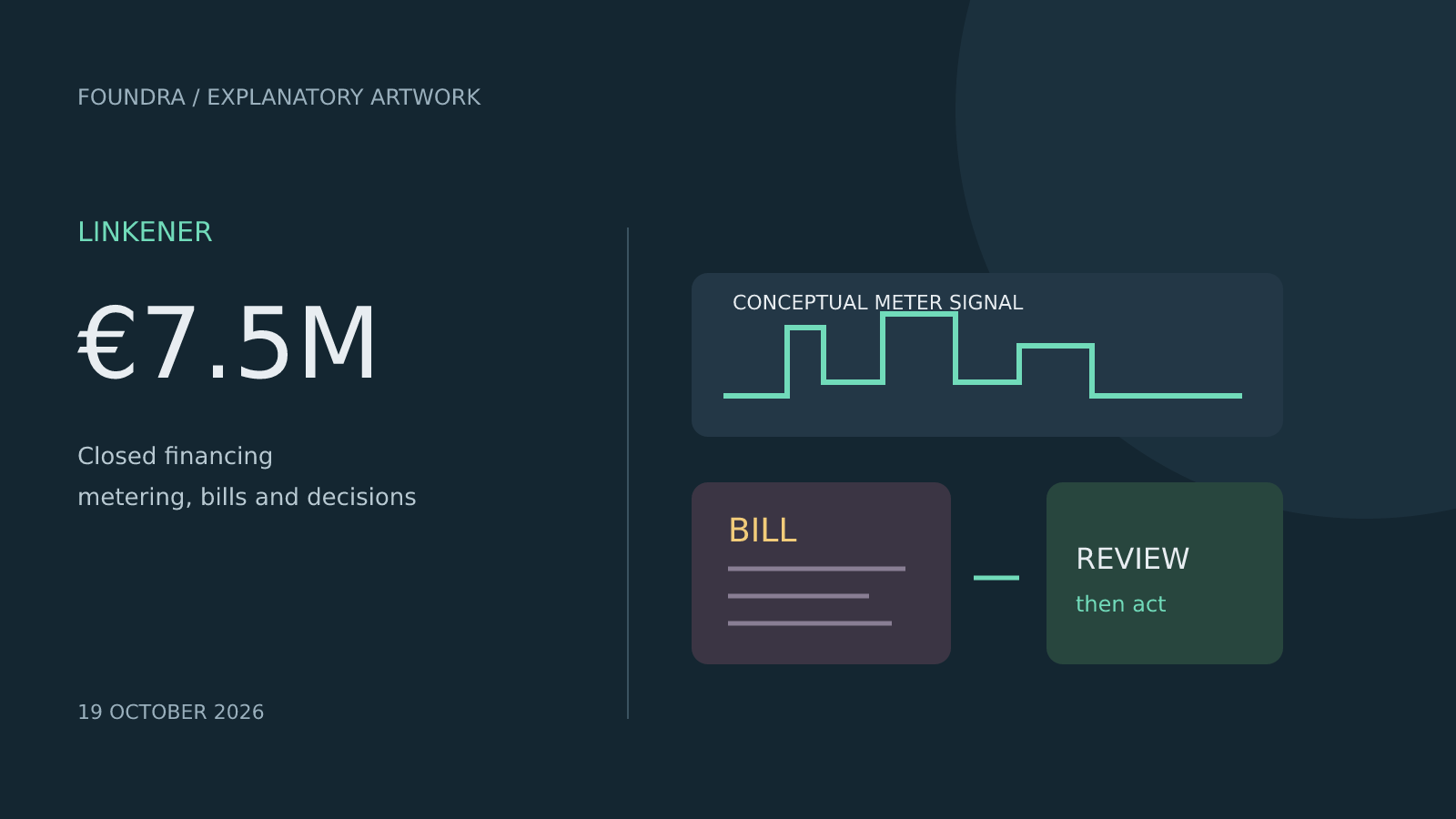
Linkener combines energy software with engineering services. Its closed financing supports AI development and expansion, but billing savings, lower consumption and climate benefits remain different claims.
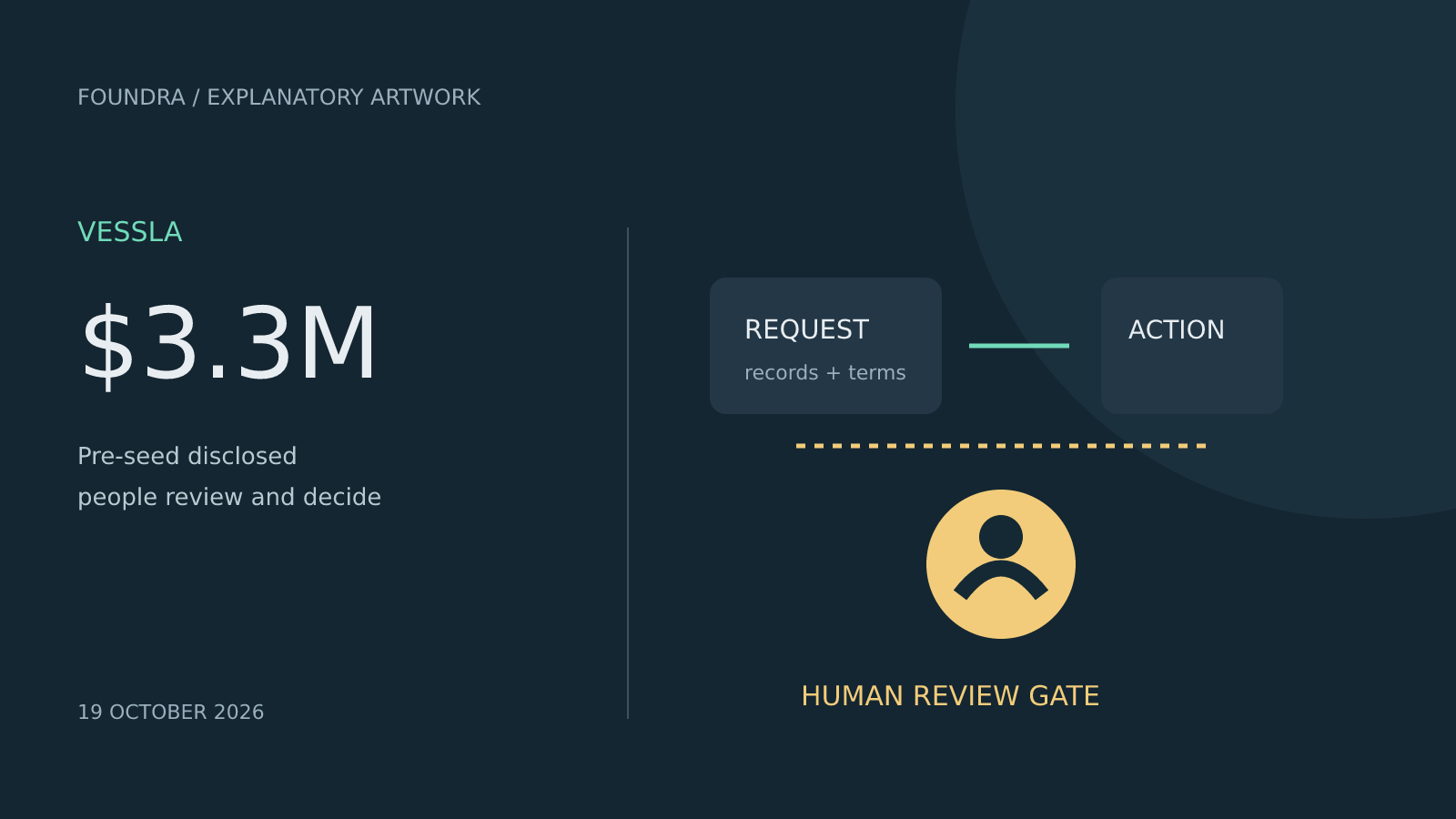
Seedcamp’s investment backs an operating layer spanning existing property systems. Vessla’s disclosed approach assigns execution to agents while retaining human judgement and responsibility.
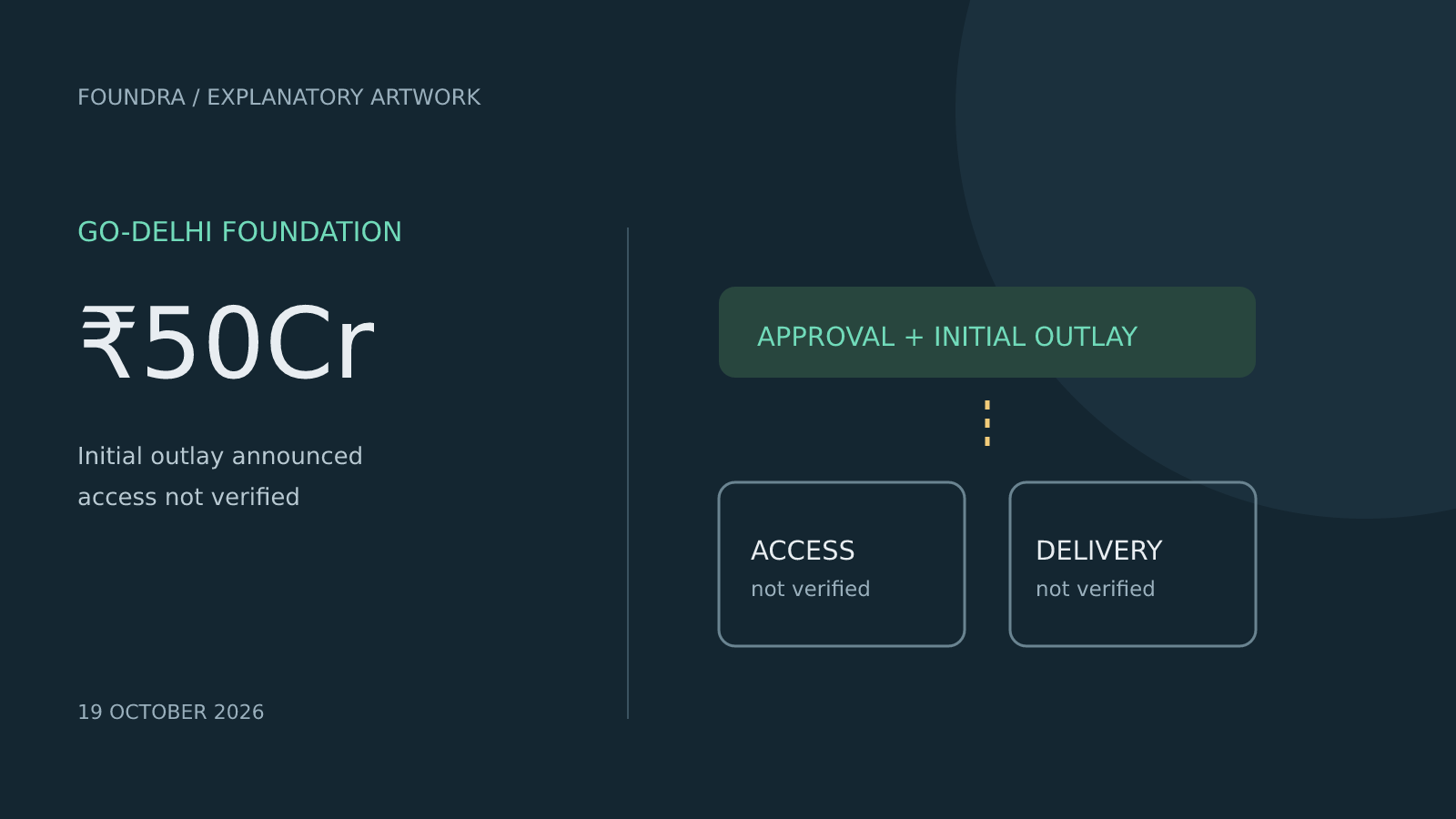
The announced foundation is intended to connect existing facilities and partners for product development and market access. Its approval does not establish an open application process.
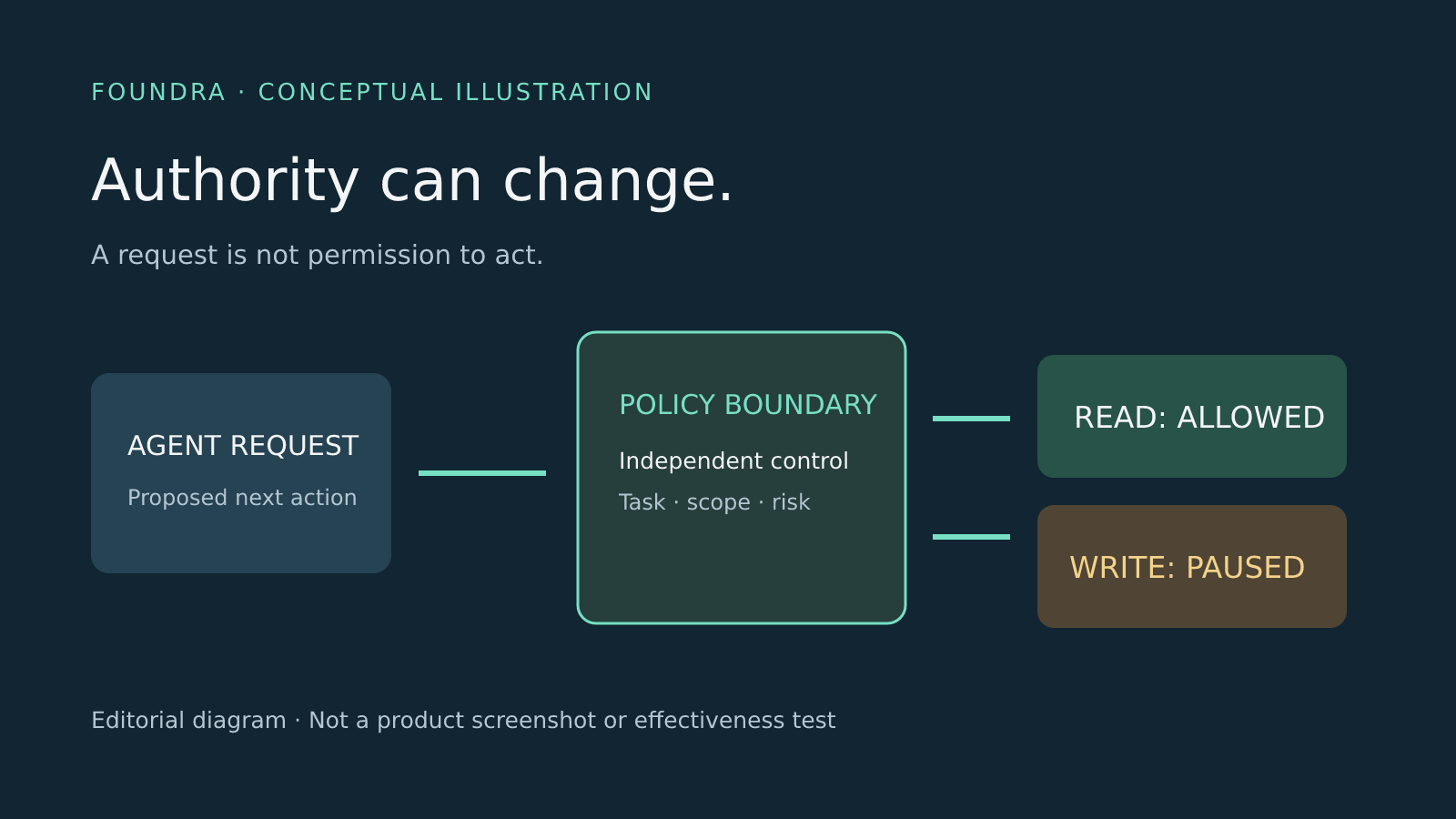
Controls announced on October 19 are in private preview, GeekWire reports, with broader availability planned for Ignite. For enterprise startups, the question is whether workflows can survive a mid-task permission change safely.
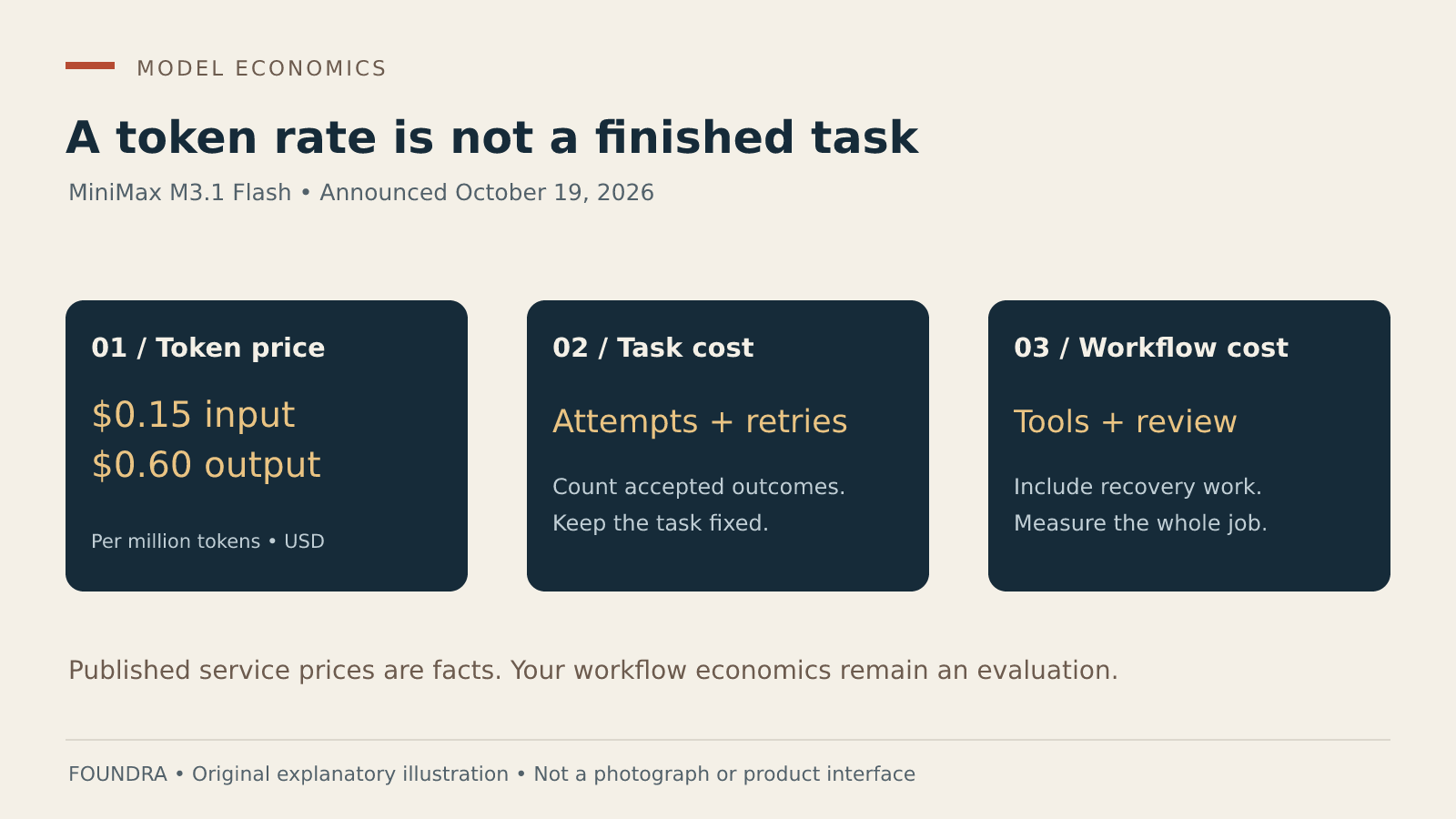
MiniMax’s October 19 release puts a new agent model behind its hosted products. Its published token prices are concrete; claims about faster, cheaper completed work still need workload-specific testing.
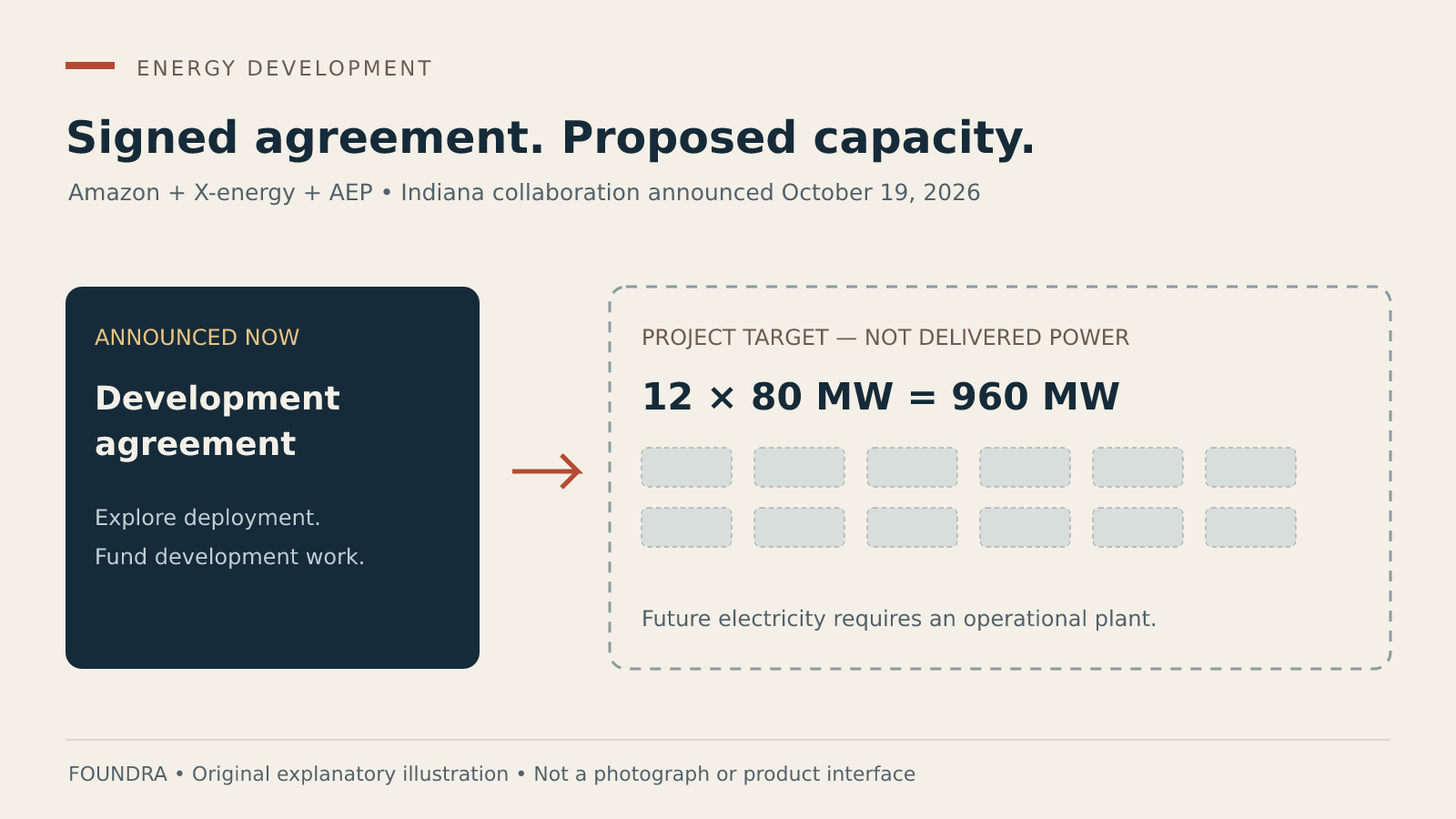
An October 19 agreement with AEP targets 12 small modular reactors totaling 960 megawatts. Amazon would fund development and be the first power customer if the project becomes operational.
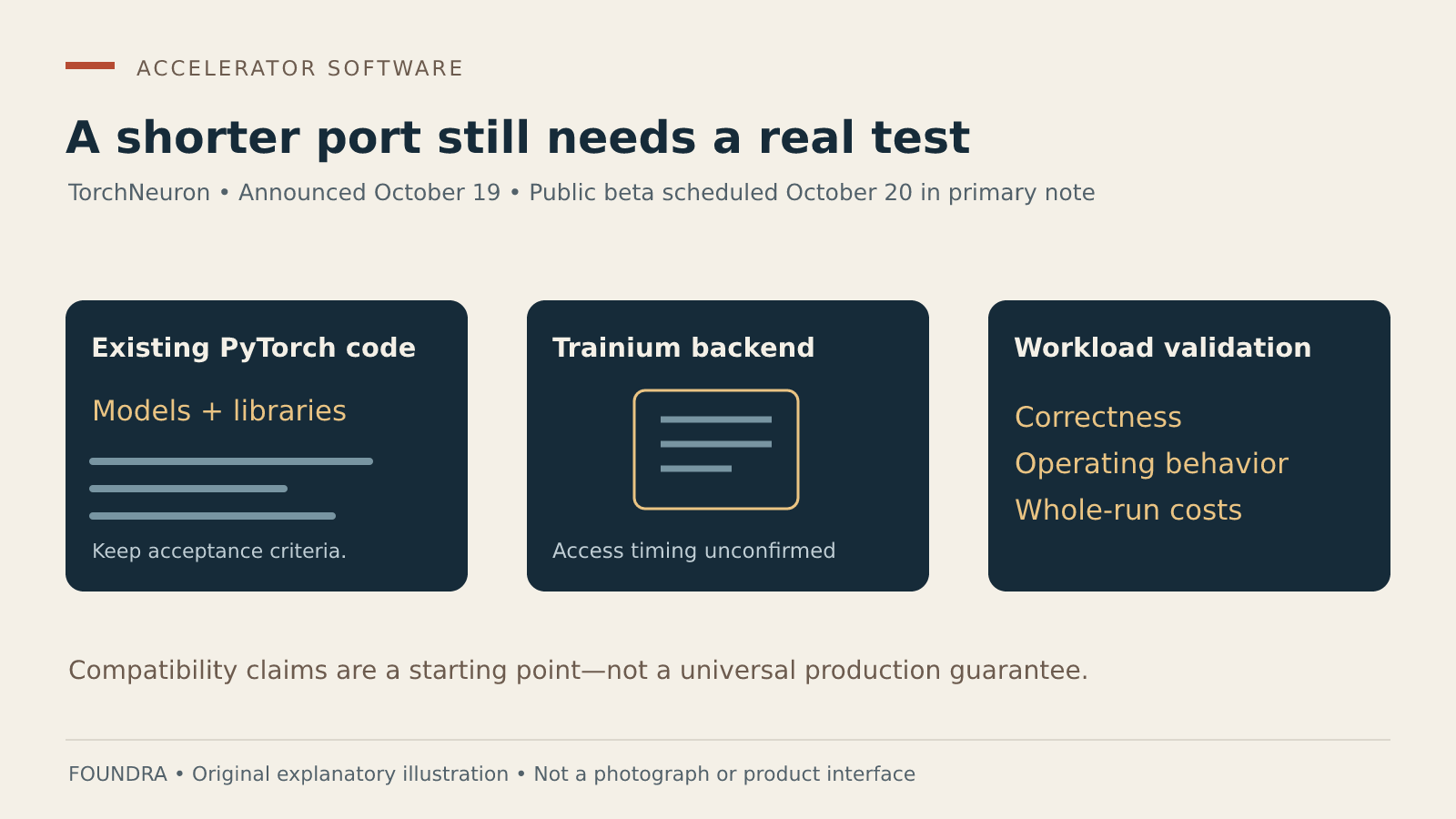
Amazon’s October 19 announcement targets PyTorch code on Trainium. The primary technical note schedules public beta for October 20, while GeekWire reports an opening on October 19. Current access is unconfirmed.
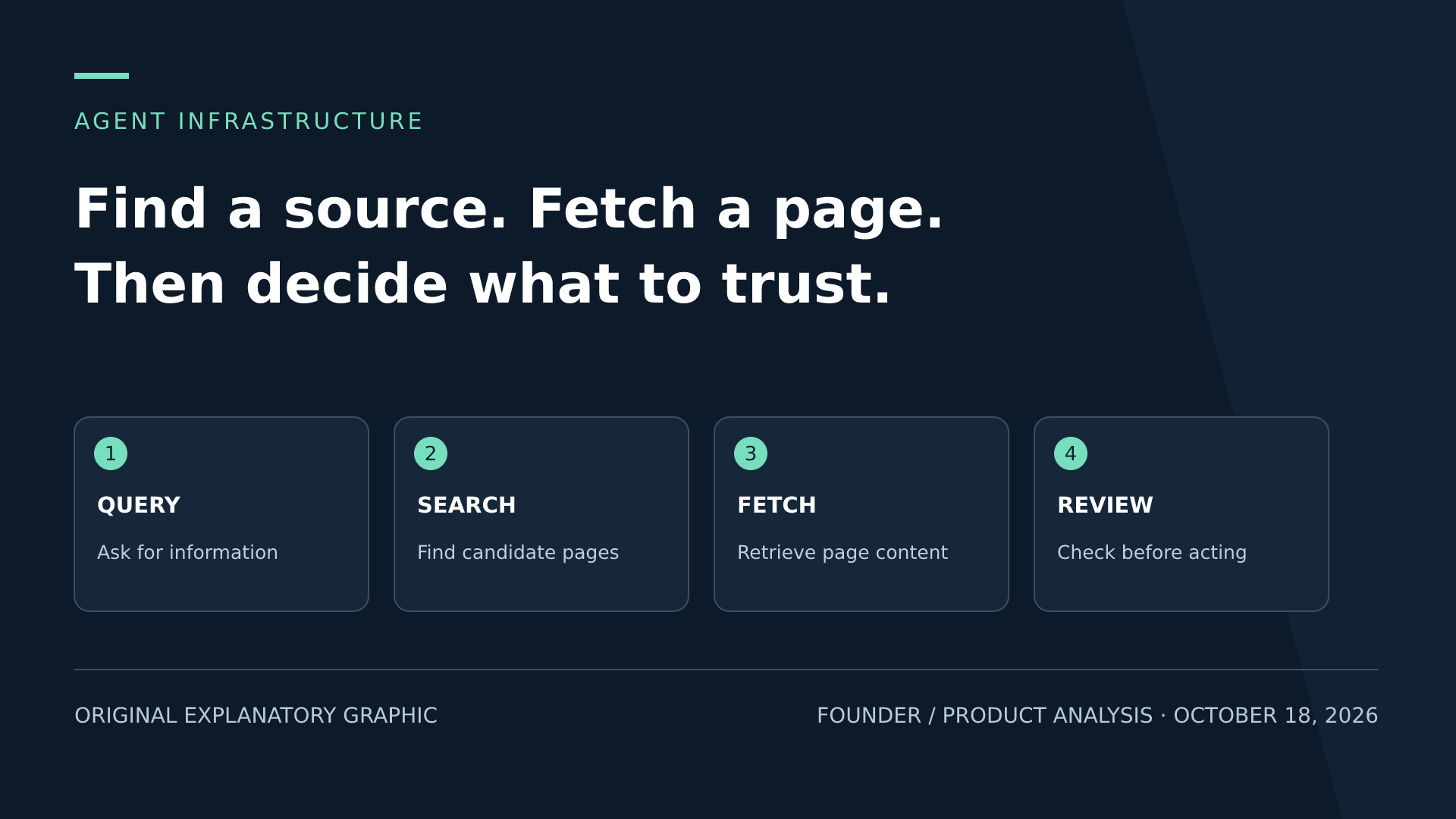
The October 17 release puts a retrieval service beside a new Flash checkpoint. For builders, the important distinction is between finding a page, retrieving it and trusting what it says.
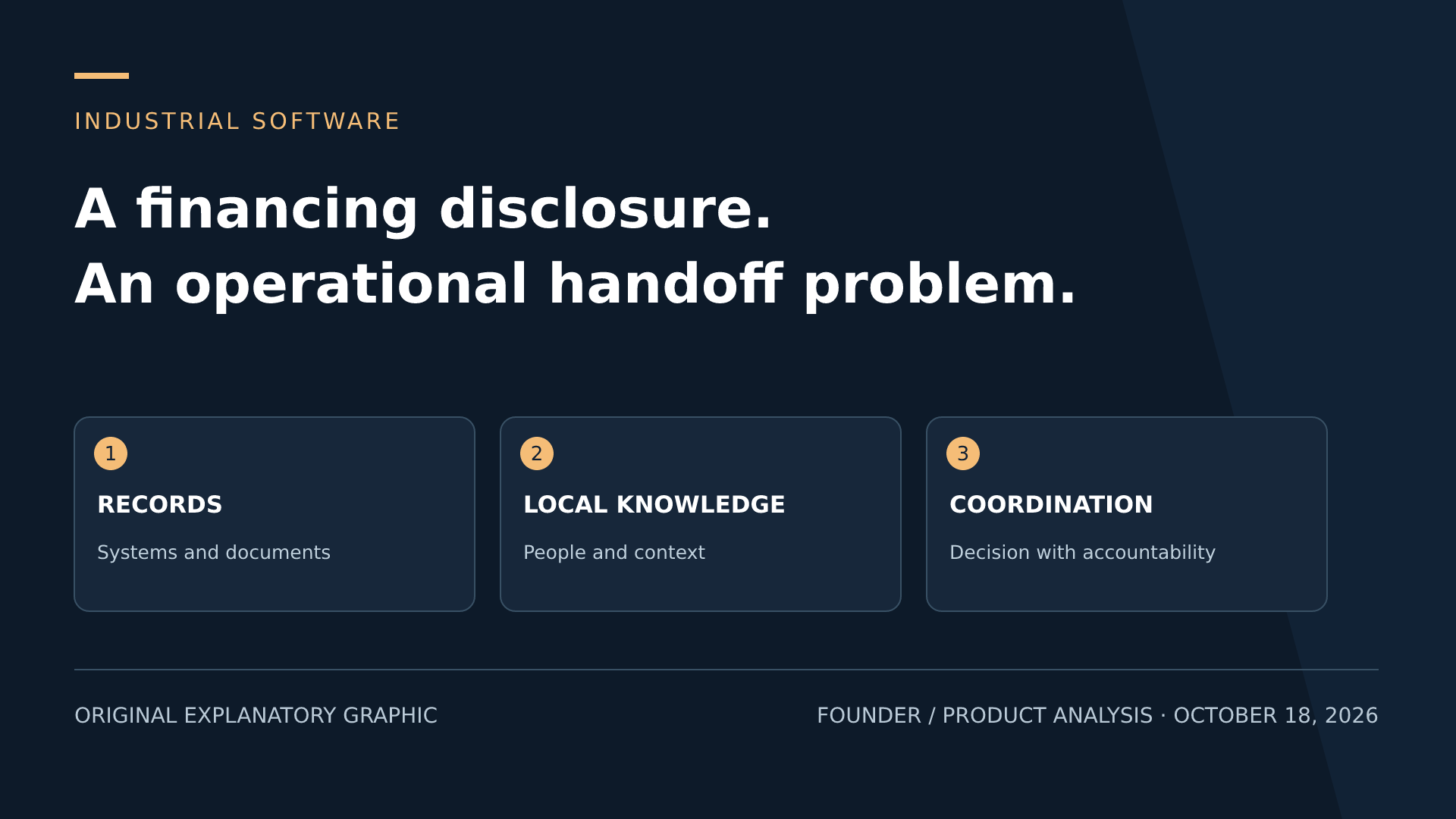
The Toronto startup says the financing closed earlier this summer. Its October disclosure frames an AI business around the information that connects manufacturing decisions, rather than a new production machine.
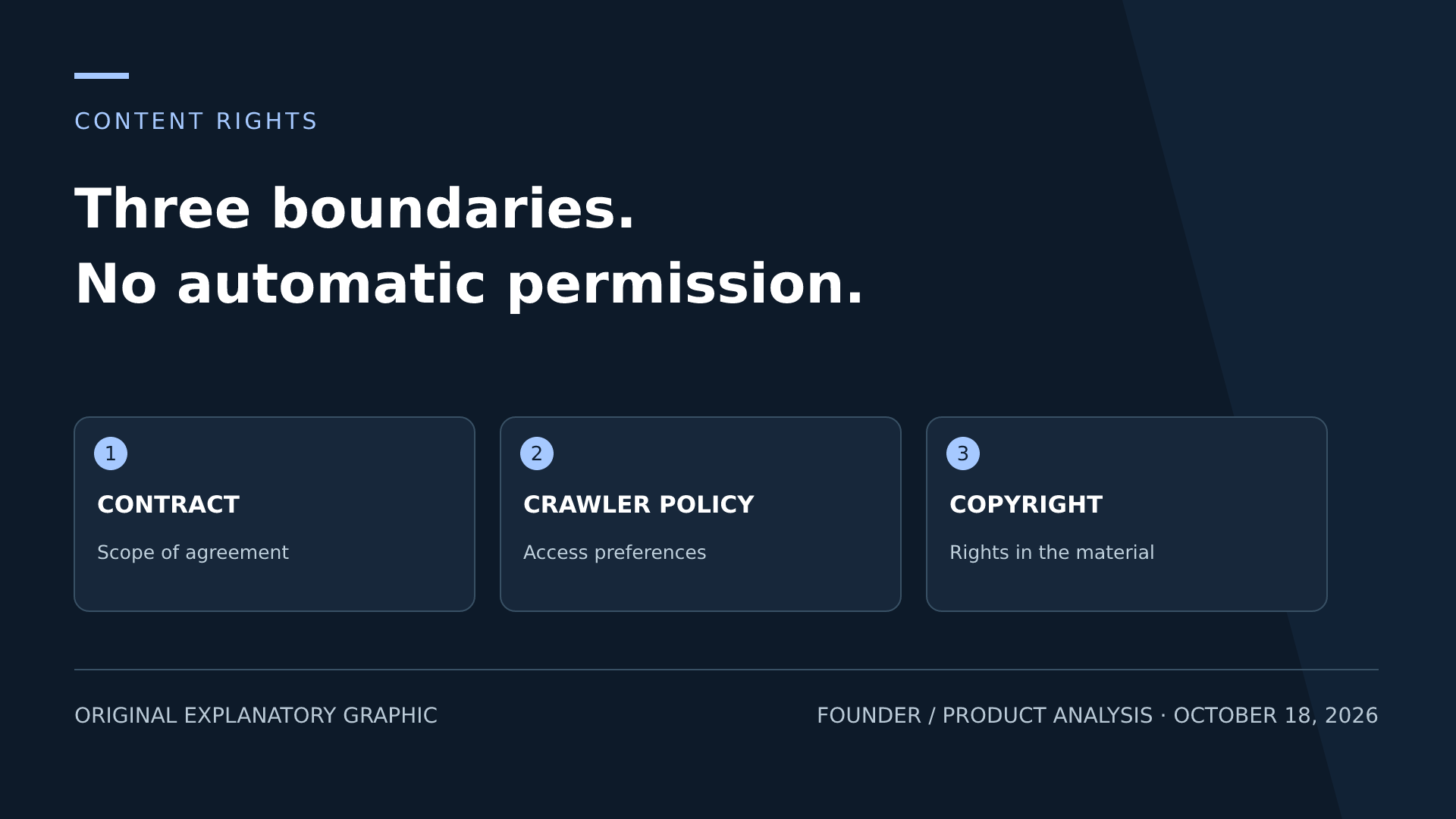
Independent reports describe narrowed wording and a renewed assurance about robots.txt. They do not establish that every disputed permission has disappeared or that AI-training litigation is settled.
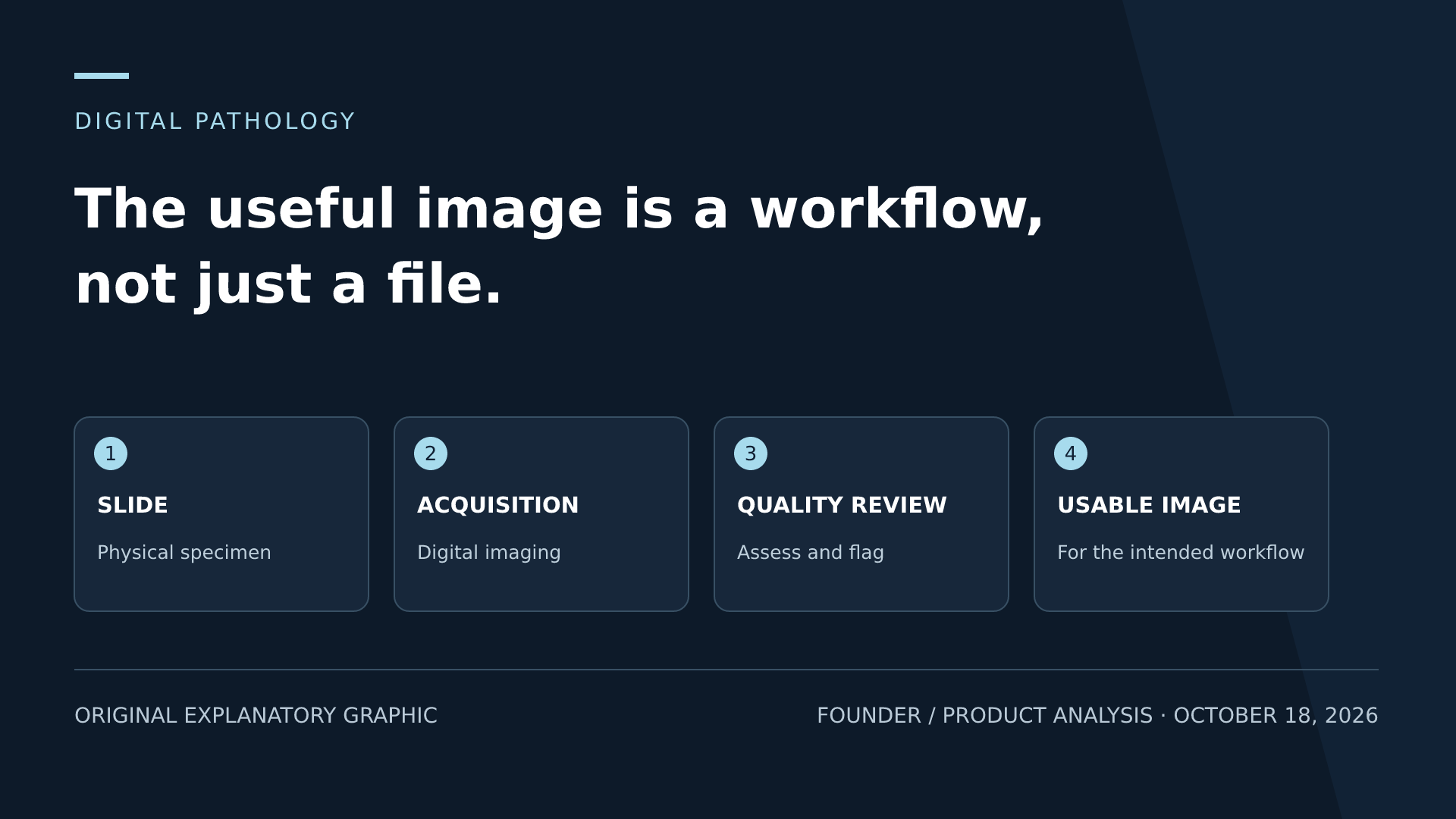
Evident’s October 16 announcement targets smaller labs with autonomous whole-slide imaging for research use only. It is not available for diagnostic procedures; throughput also depends on defined conditions.
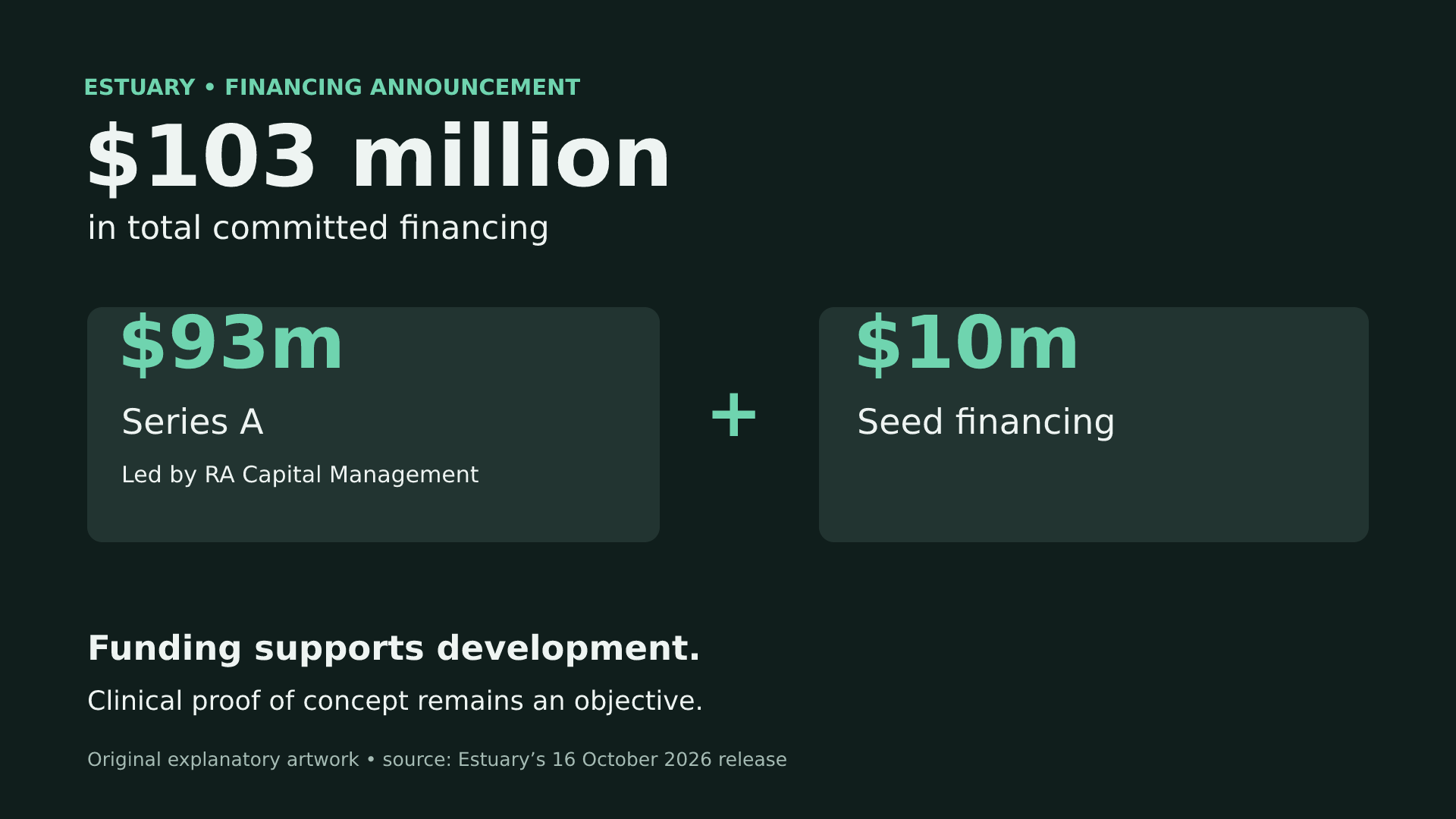
The October 16 launch combines a $93 million Series A with $10 million of seed financing. Its kidney-directed programmes still have to establish clinical proof of concept.