Startups
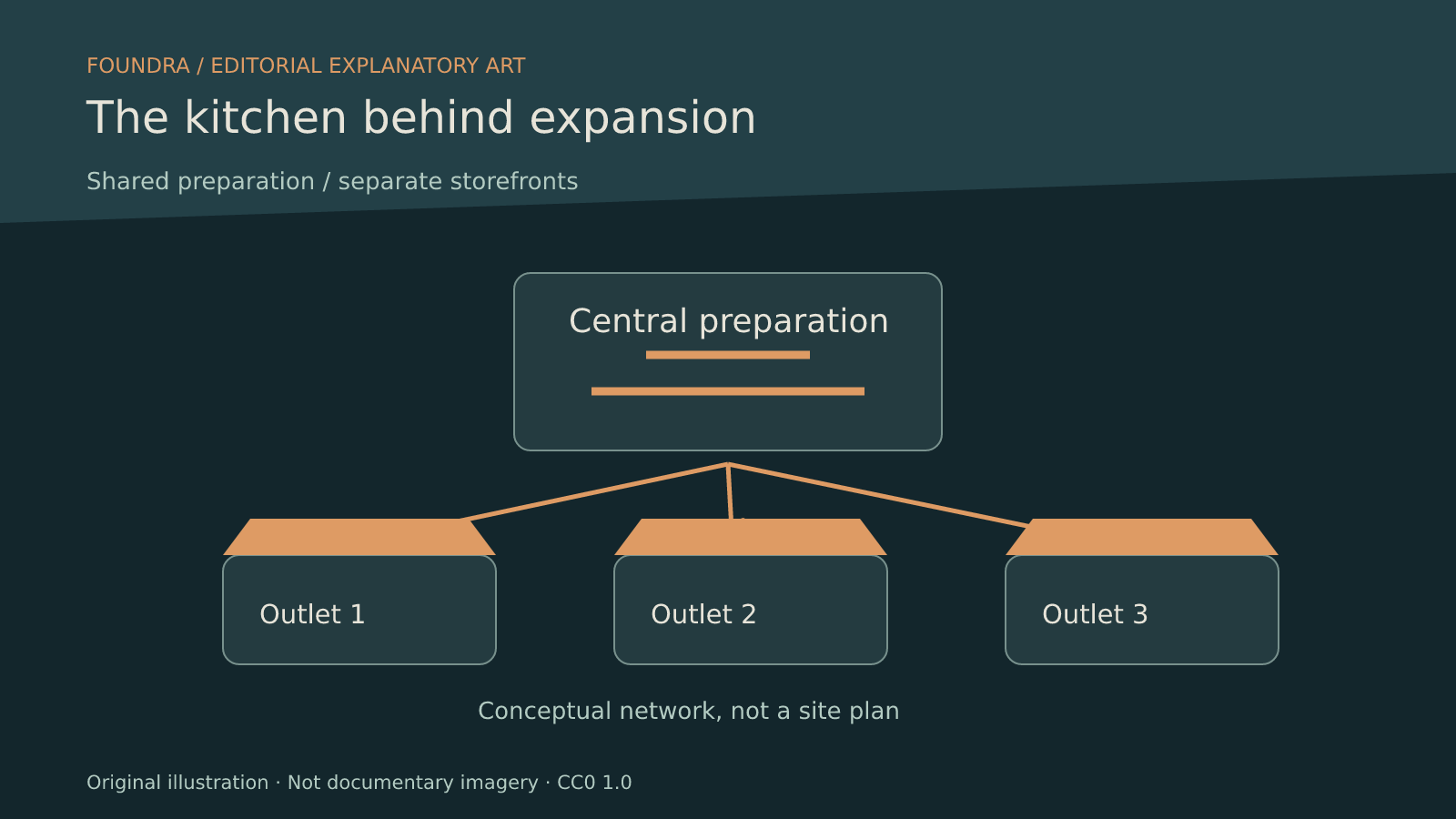
Harajuku Tokyo Café raises $3 million for two formats and a central-kitchen expansion
The reported $3 million pre-Series A supports outlets, central kitchens and operations. The ₹100 crore revenue ambition remains a target.
THE STARTUPS DESK
The companies, products and decisions changing how businesses are built.
56 stories to explore
The reported $3 million pre-Series A supports outlets, central kitchens and operations. The ₹100 crore revenue ambition remains a target.
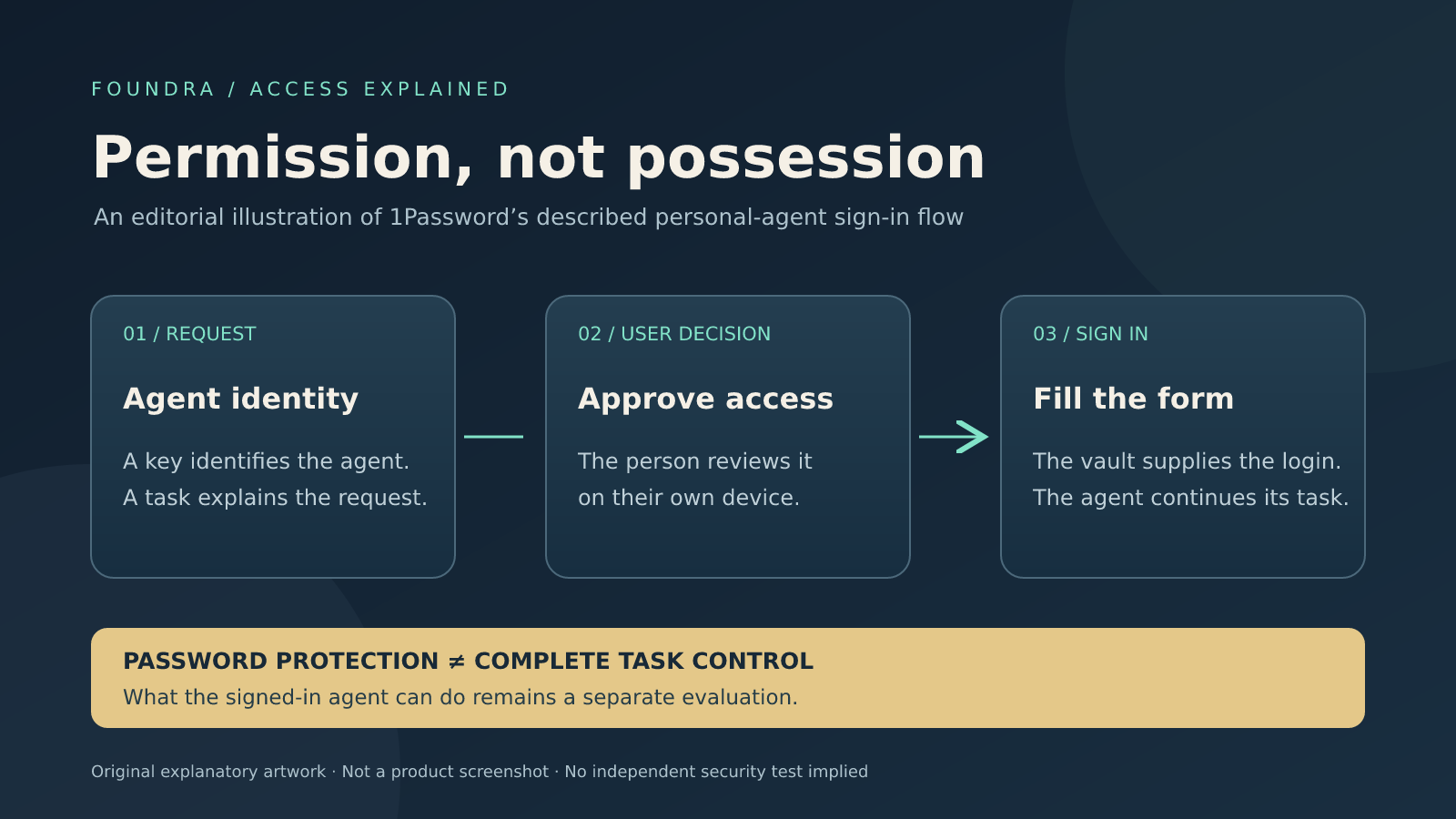
The company’s October 22 announcements connect a recurring-revenue milestone to a new personal-agent sign-in model. Keeping a password out of a model is useful, but it is not the same as controlling every action after login.
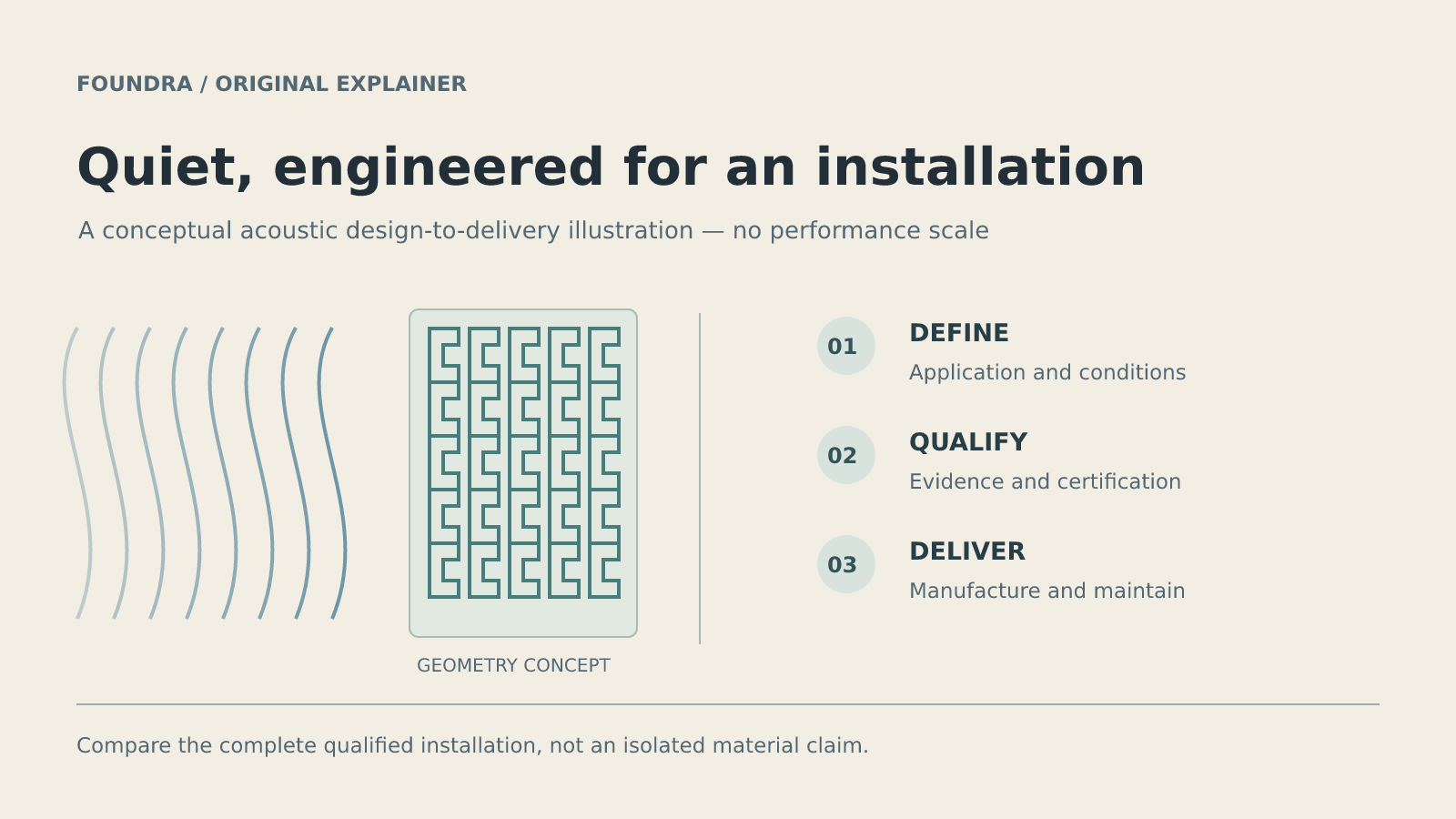
Jolt Capital is leading the Italian noise-management company’s financing. The next challenge is taking application-specific acoustic designs into more markets without confusing a material claim with a certified installation.
The October 20 Series A backs a delivery model built around customer context. Its next test is turning close implementation work into repeatable software.
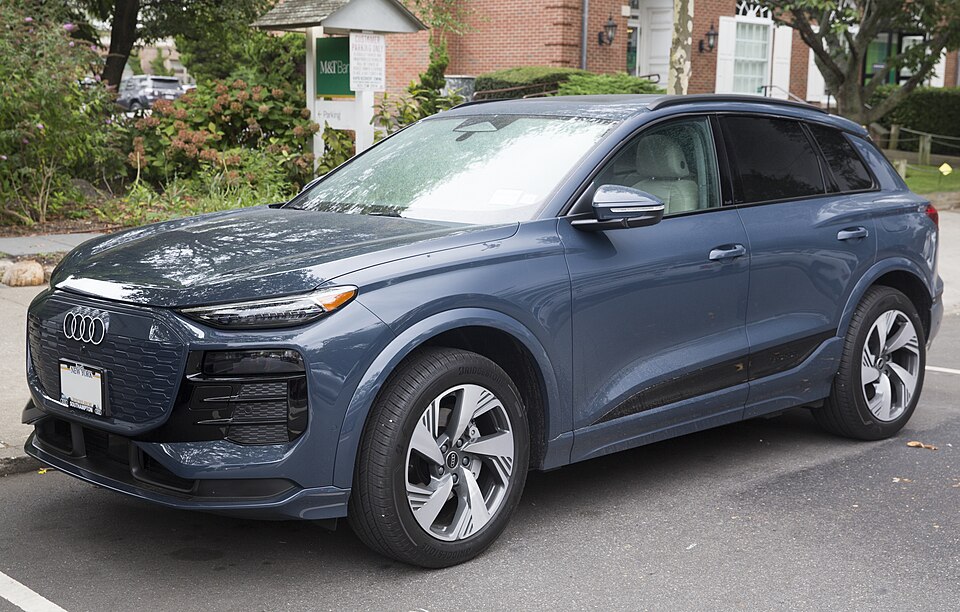
The new Spotify-rendered interface launches on A6 e-tron, Q6 e-tron, A5, Q5 and A6, subject to vehicle, market and possible Audi connect requirements.
Ventech leads the Berlin company’s round. Connecting live inventory to an accountable transaction is a different job from generating an itinerary.
A 34-market rollout adds paid tiers and creator-controlled benefits. The strategic question is not just how much fans pay, but what creators must deliver repeatedly.
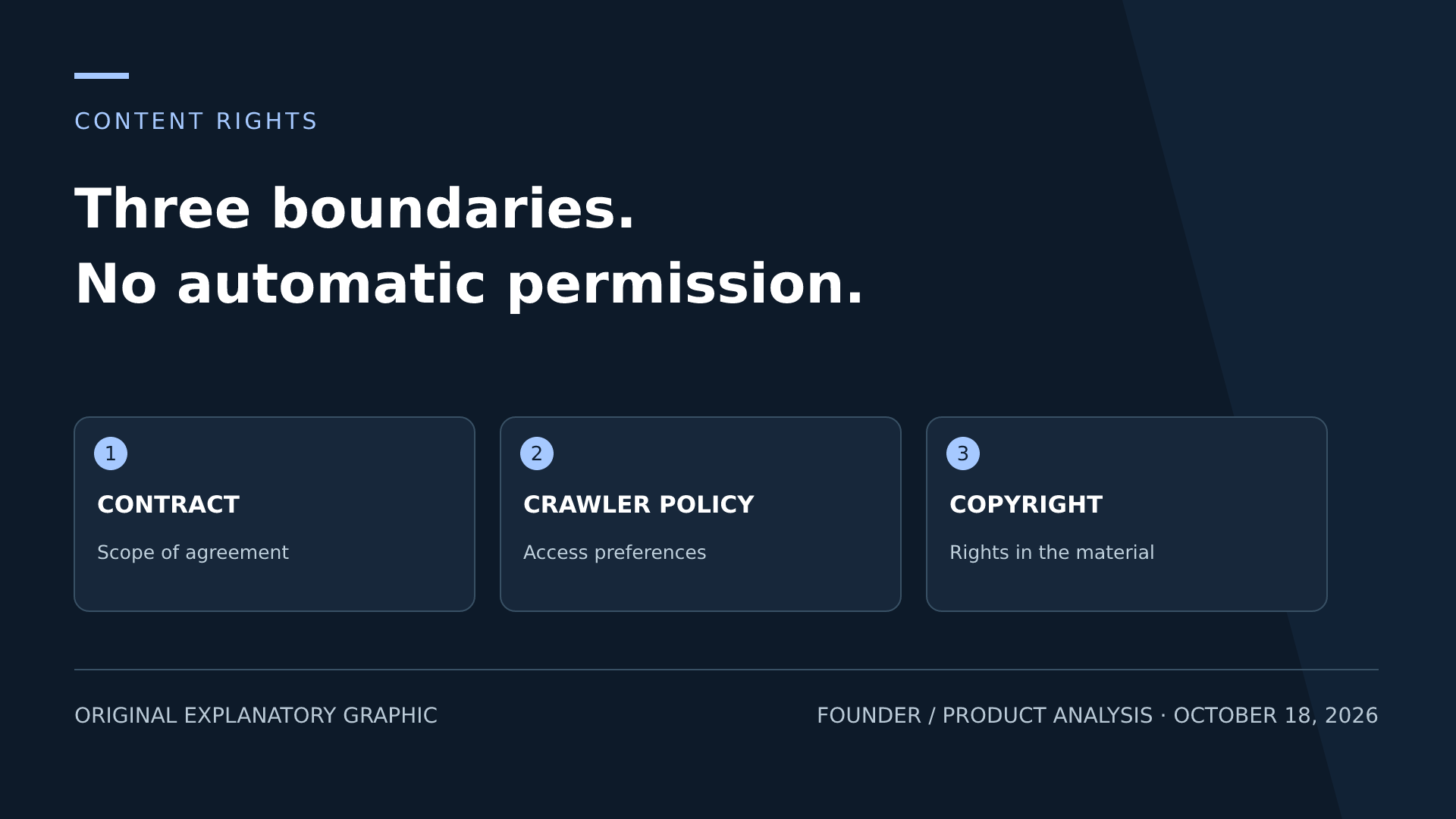
Independent reports describe narrowed wording and a renewed assurance about robots.txt. They do not establish that every disputed permission has disappeared or that AI-training litigation is settled.
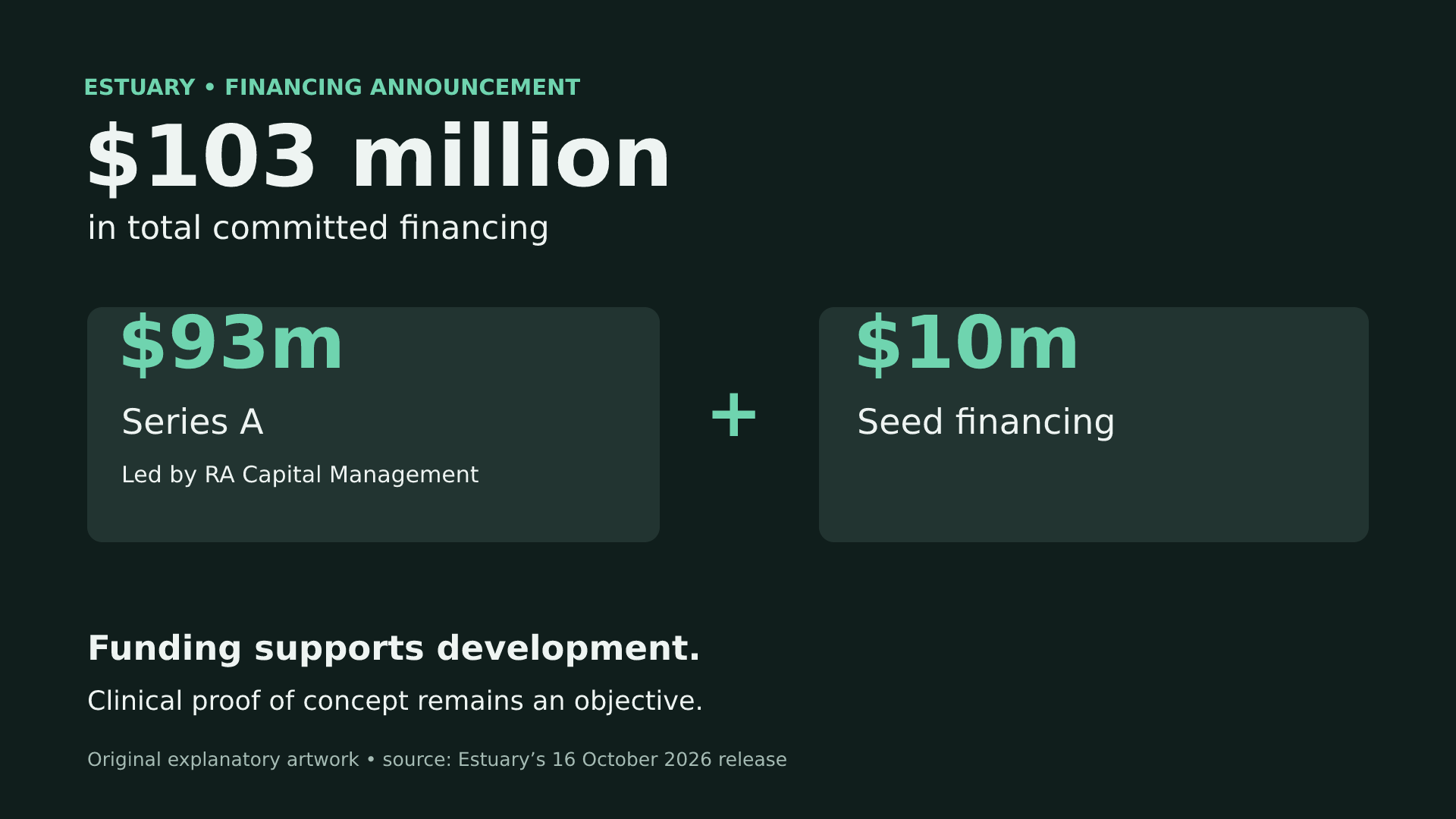
The October 16 launch combines a $93 million Series A with $10 million of seed financing. Its kidney-directed programmes still have to establish clinical proof of concept.
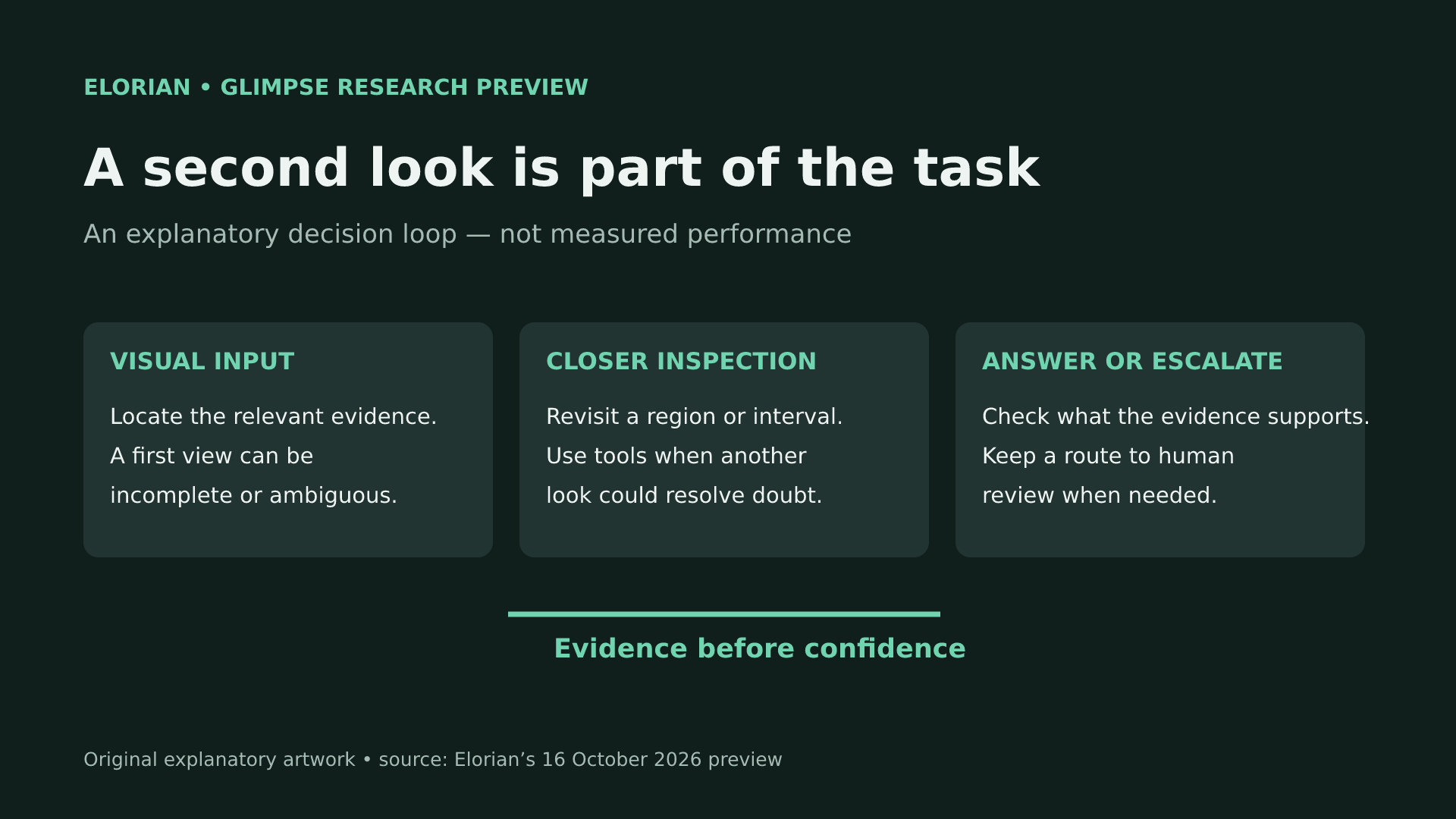
The startup released a visual-reasoning research preview on October 16. Its practical test is whether inspecting evidence again improves decisions enough to justify the extra work.
October 16 guideline changes explicitly address nonconsensual intimate imagery and bait-and-switch features. The implications extend beyond a banned category to how an app is reviewed and operated.
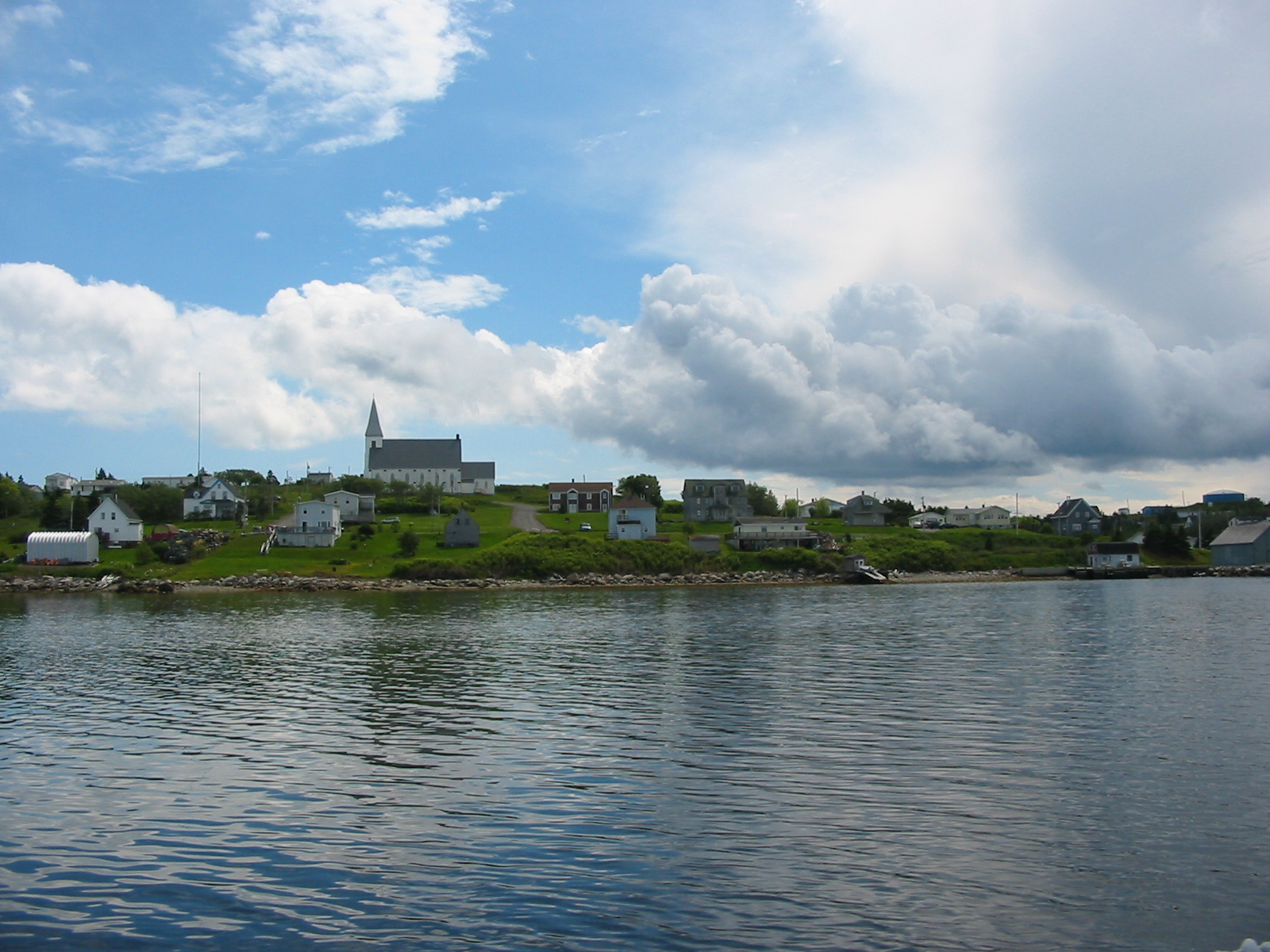
The October 15 decision is a capital-market milestone for the Spaceport Nova Scotia developer. Final exchange approval and the first TSX trading date remain separate steps.
Amazon’s October 14 NBA coverage update introduced camera-array and AI-generated replay views. The product question is how a reconstructed angle should be presented alongside ordinary footage.
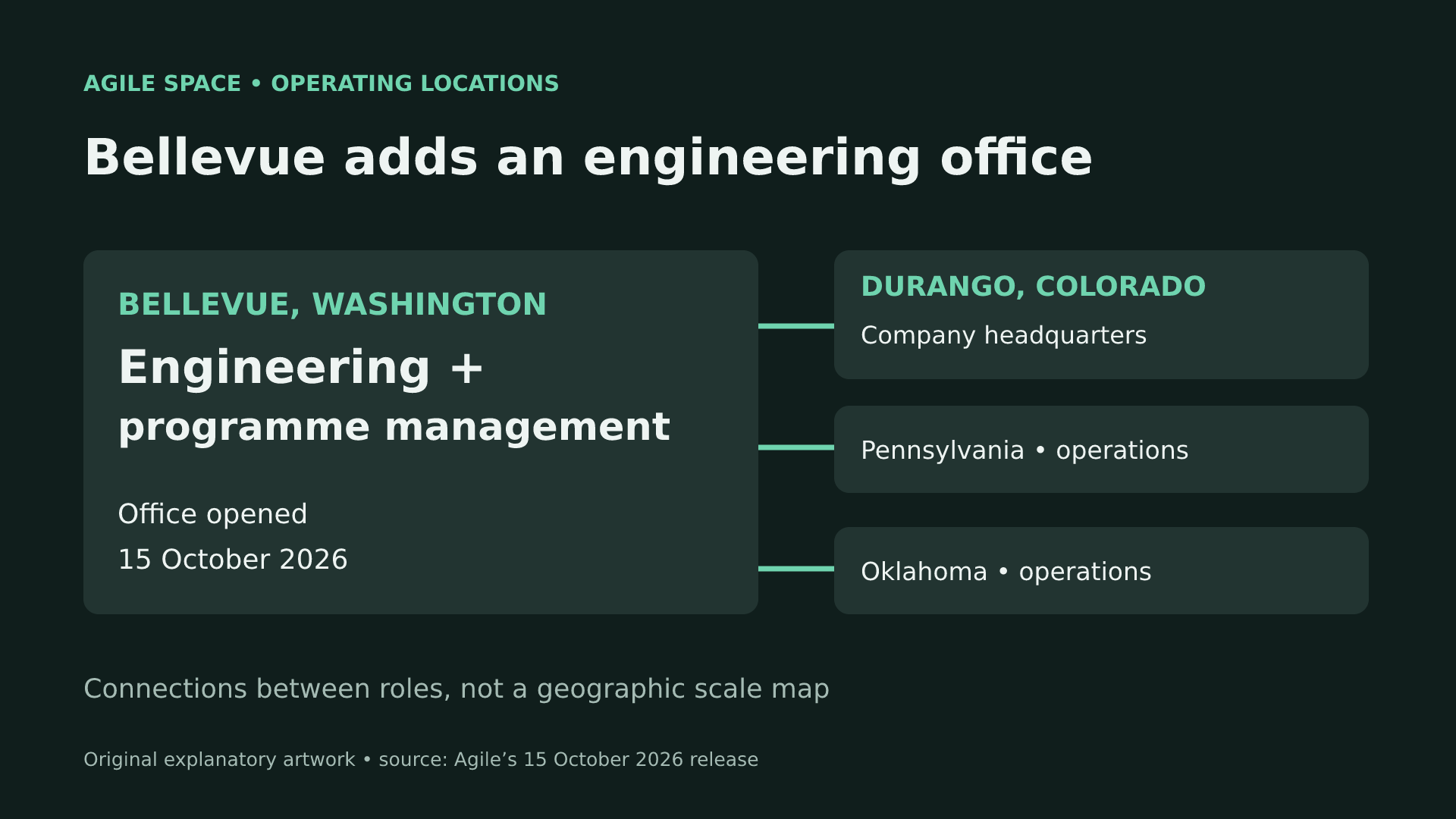
The October 15 expansion adds a Seattle-area base to the propulsion company’s distributed operations. An office opening is real; future team growth and programme delivery are still separate questions.
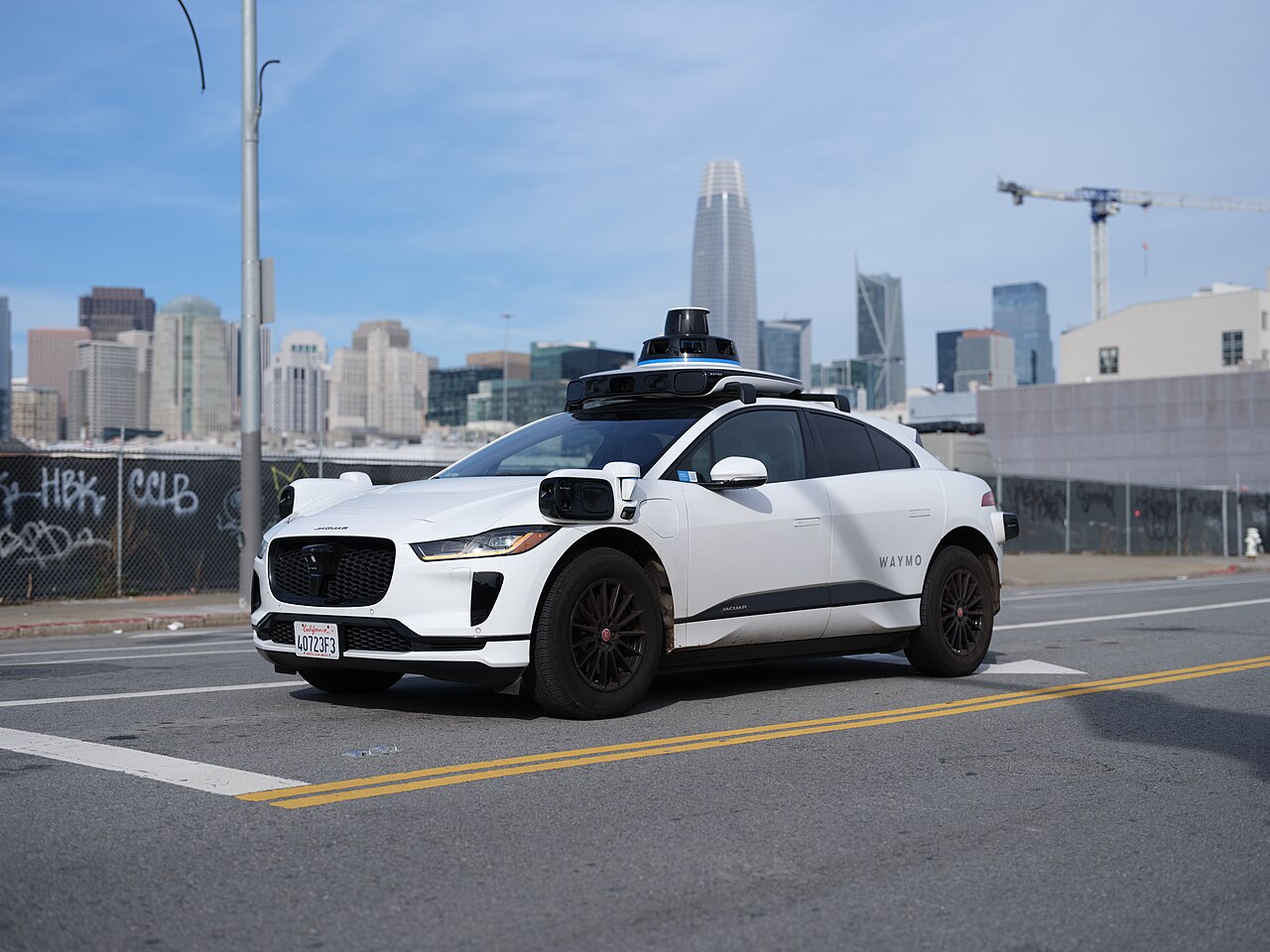
The October 16 plan begins with manual driving, mapping and validation. Element Fleet Management is the operating partner; the announcement is not a Canadian robotaxi launch.
The October 15 rollout spans Search and Gemini. Saving items across shops is not the same as merging the shops, their obligations or every checkout.
Amazon says the $74.99 Frontier wearable is available now, while the $99.99 Eclipse phone attachment is coming soon. Several integrations sit behind an $11.99 monthly subscription.
The expanded initiative supports adoption, commercialization and ecosystem services. Its programme page warns that application-intake opening dates may differ by region.
An October 13 clinical update describes a patient implanted in May. The company’s reported early reading result does not establish broad efficacy or U.S. approval.
Booking Holdings’ new venture wants to manage trips after the first booking. Its proposed $100 million investment is conditional, and the product remains invite-only.
The Toothsi parent’s new round supports facilities, technology and clinics. Network growth needs a clear boundary between commercial reach and clinical responsibility.
The certification business is expanding its team and geographic reach. Faster administration has value only when the underlying decision remains defensible.
Ascensia is backing the sensor developer. Funding, manufacturing readiness and regulatory clearance remain separate steps.
The research spinout is developing tools for drug developers and manufacturers. Its commercial challenge goes beyond producing a persuasive laboratory result.