AI
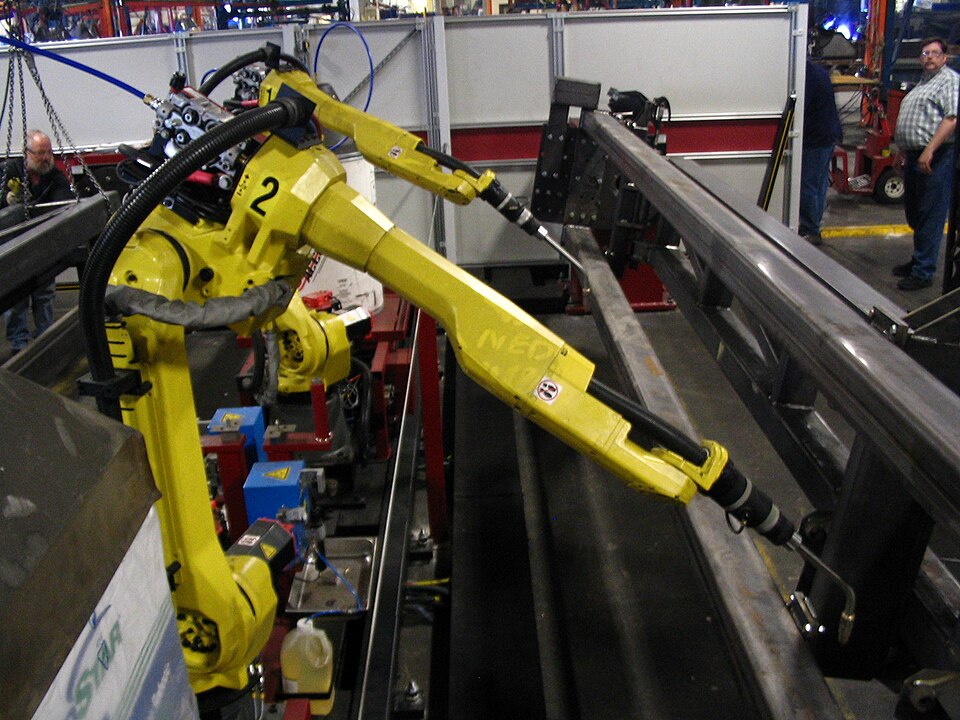
Eka Robotics raises $150 million for the gap between flexible demos and dependable work
The October 20 Series A backs dexterous manipulation. Its company-described performance claims still need independent operational evidence.
FOUNDRA
AI, software & fintech
153 stories to explore
The October 20 Series A backs dexterous manipulation. Its company-described performance claims still need independent operational evidence.
The newly committed Apache-licensed runtime exposes a consequential slice of DeepSeek’s stack. Its explicit omissions matter as much as its performance claims.
The Copenhagen startup’s pre-seed round backs transaction controls across existing business systems. Its proposed advantage sits between finding a discrepancy and correcting it.
Inc42 describes a beta launch for eligible resident Indian customers on October 19. A familiar interface does not make overseas custody, currency exposure and account eligibility identical to domestic investing.
The Series B finances agent-execution infrastructure. A reading of Daytona’s process interface shows the concrete request and response beneath the agent-cloud proposition.
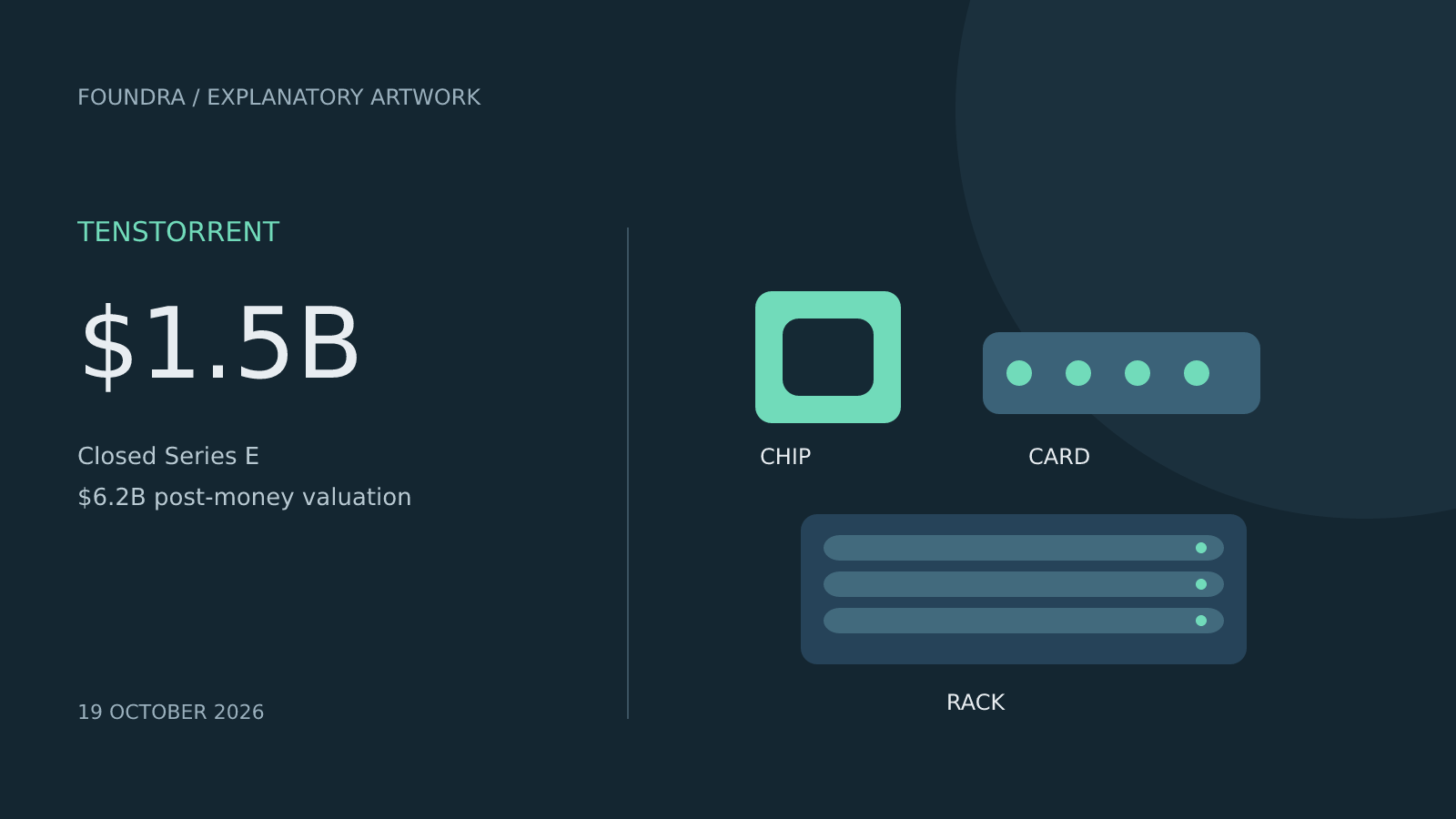
The closed Series E funds a larger manufacturing and deployment phase, not the first delivery of Galaxy servers. Tenstorrent is pursuing complete systems and licensed chip IP in parallel.
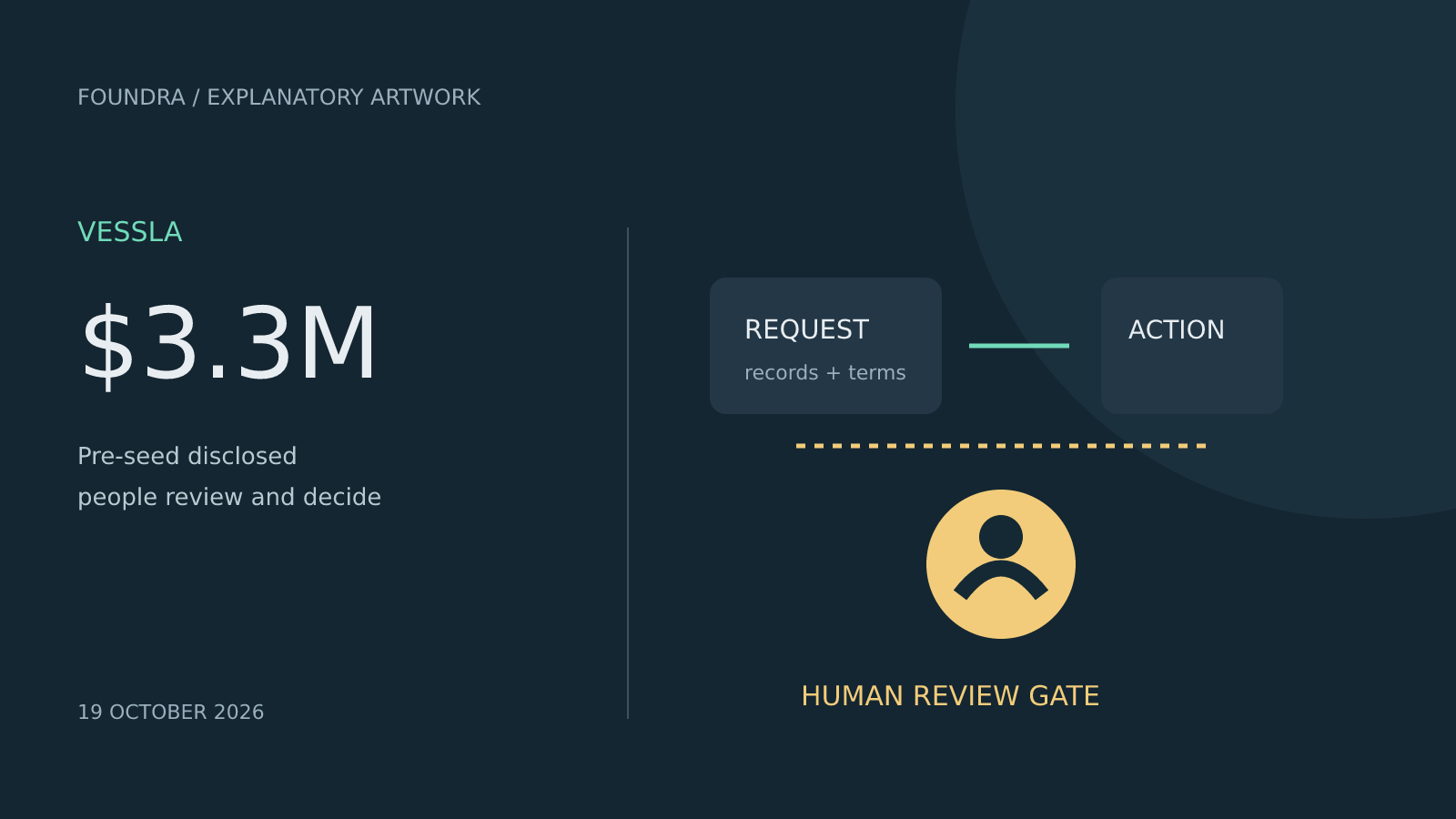
Seedcamp’s investment backs an operating layer spanning existing property systems. Vessla’s disclosed approach assigns execution to agents while retaining human judgement and responsibility.
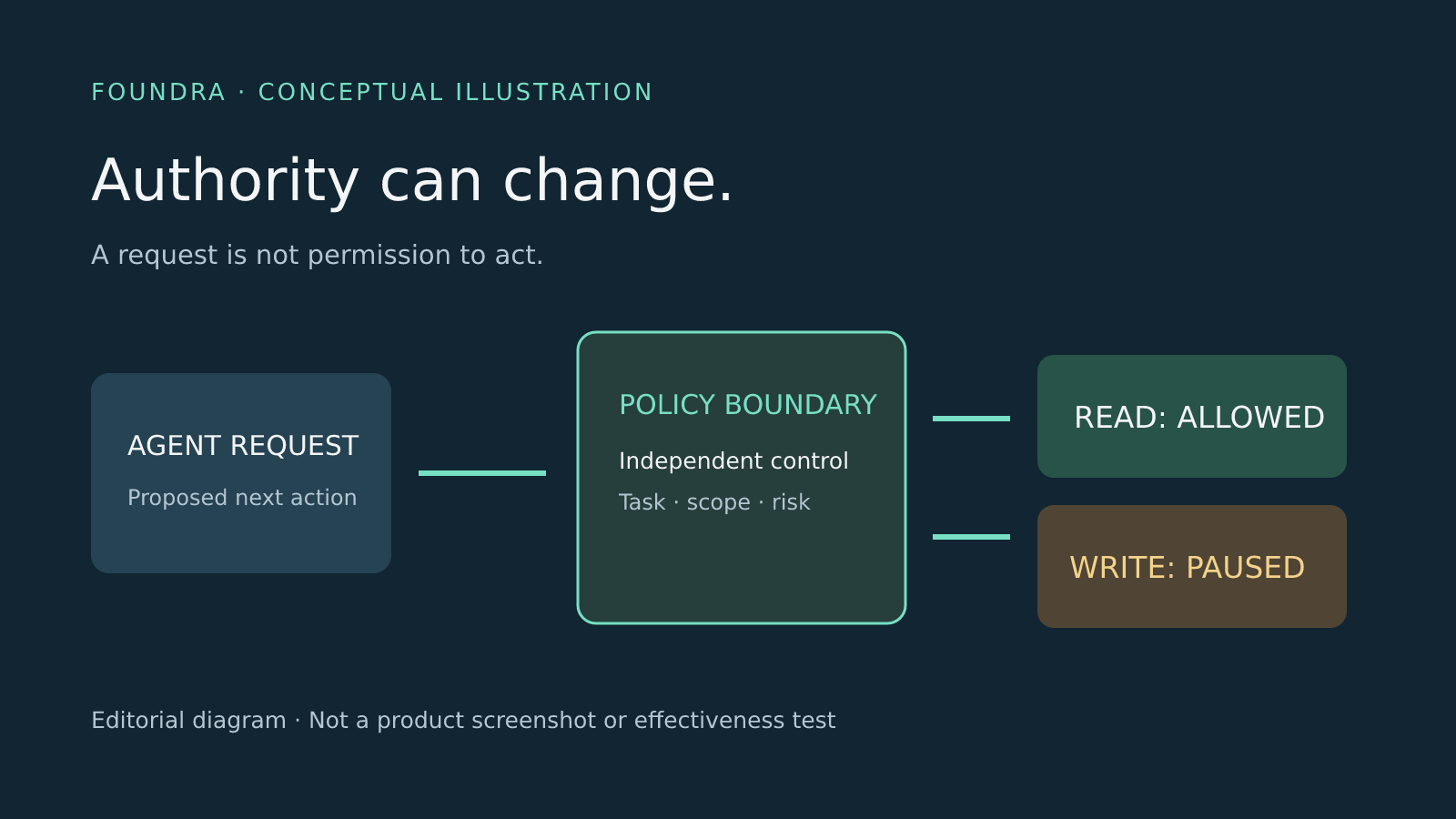
Controls announced on October 19 are in private preview, GeekWire reports, with broader availability planned for Ignite. For enterprise startups, the question is whether workflows can survive a mid-task permission change safely.
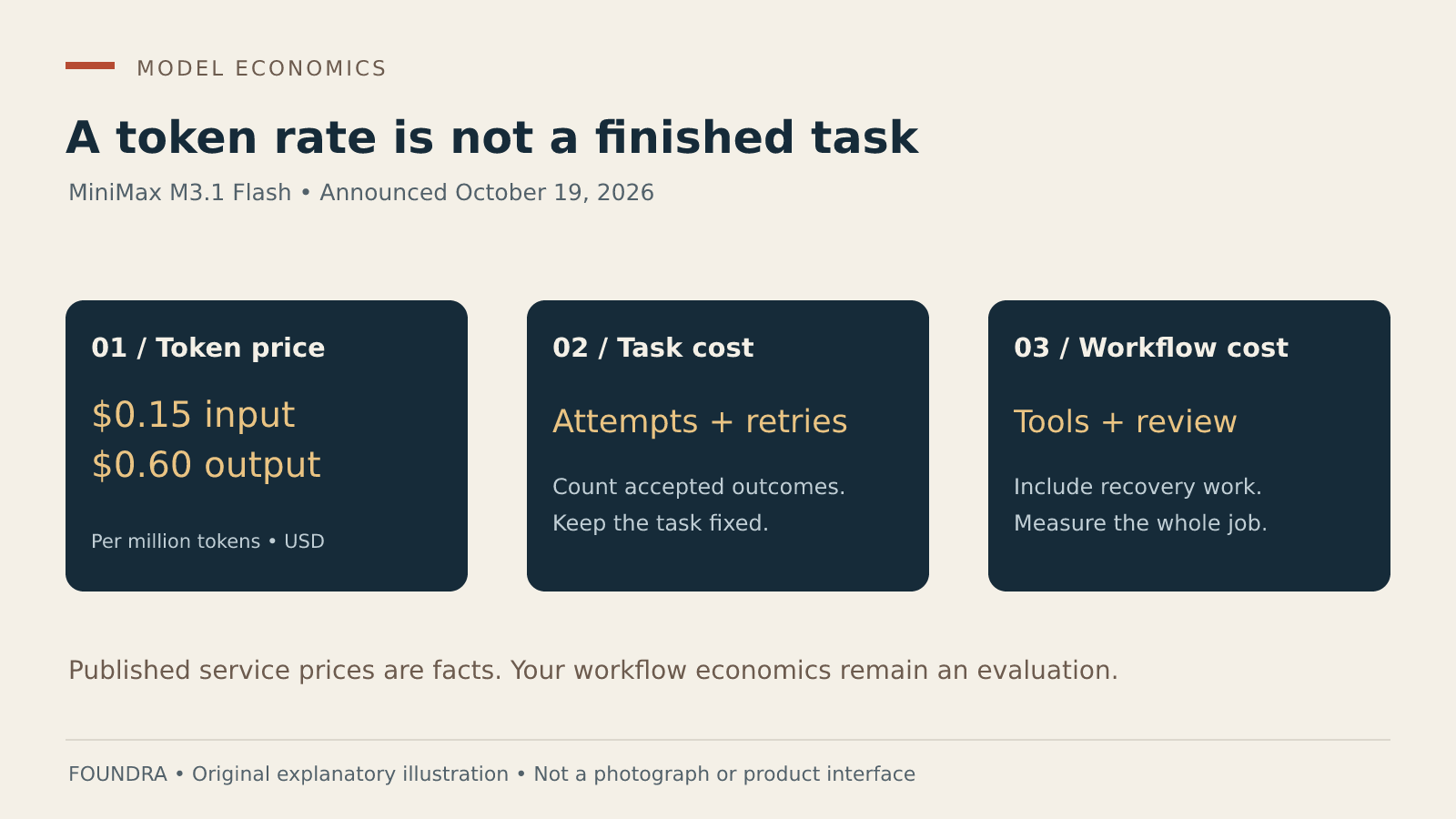
MiniMax’s October 19 release puts a new agent model behind its hosted products. Its published token prices are concrete; claims about faster, cheaper completed work still need workload-specific testing.
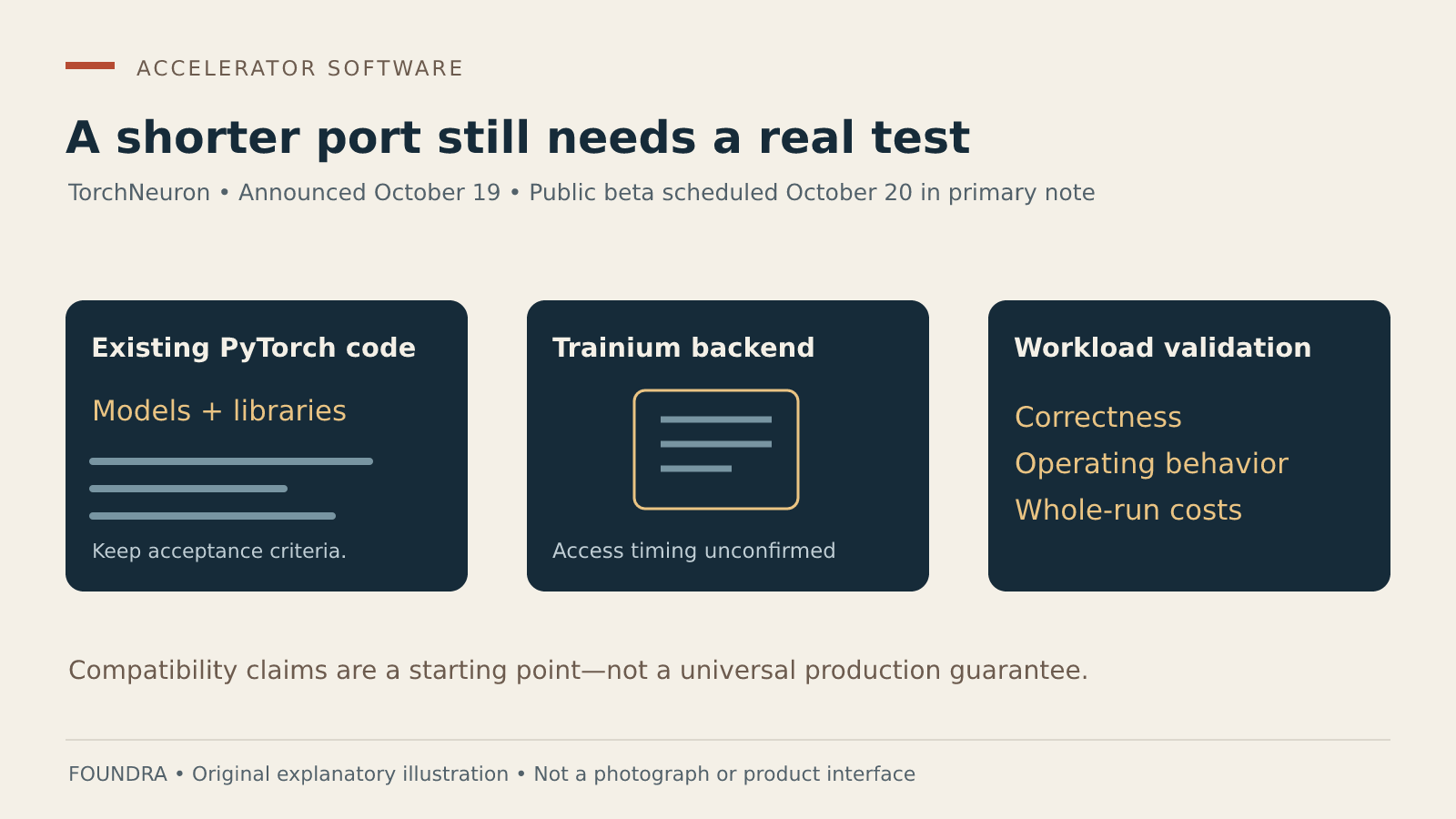
Amazon’s October 19 announcement targets PyTorch code on Trainium. The primary technical note schedules public beta for October 20, while GeekWire reports an opening on October 19. Current access is unconfirmed.
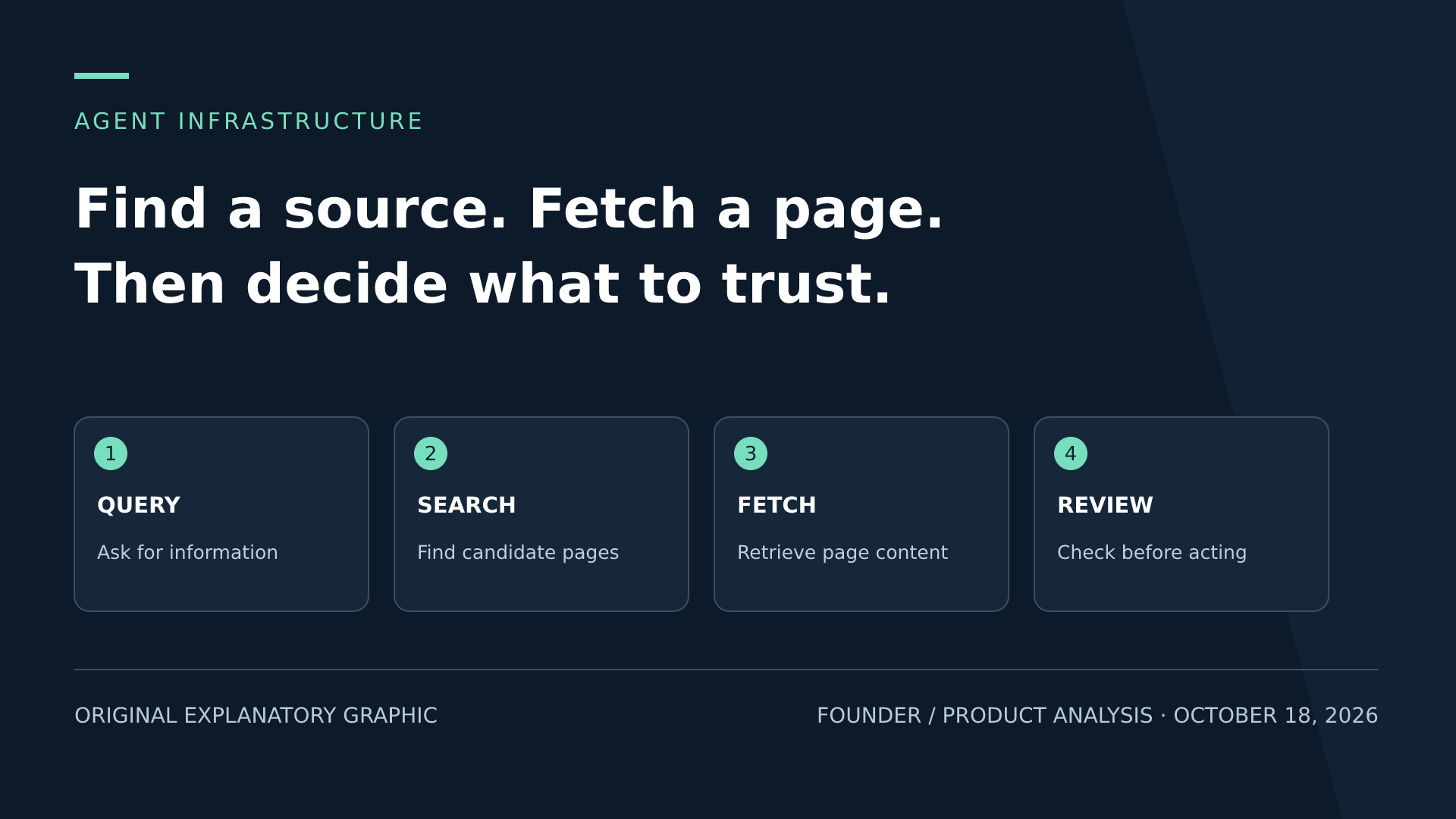
The October 17 release puts a retrieval service beside a new Flash checkpoint. For builders, the important distinction is between finding a page, retrieving it and trusting what it says.
The Toronto startup says the financing closed earlier this summer. Its October disclosure frames an AI business around the information that connects manufacturing decisions, rather than a new production machine.
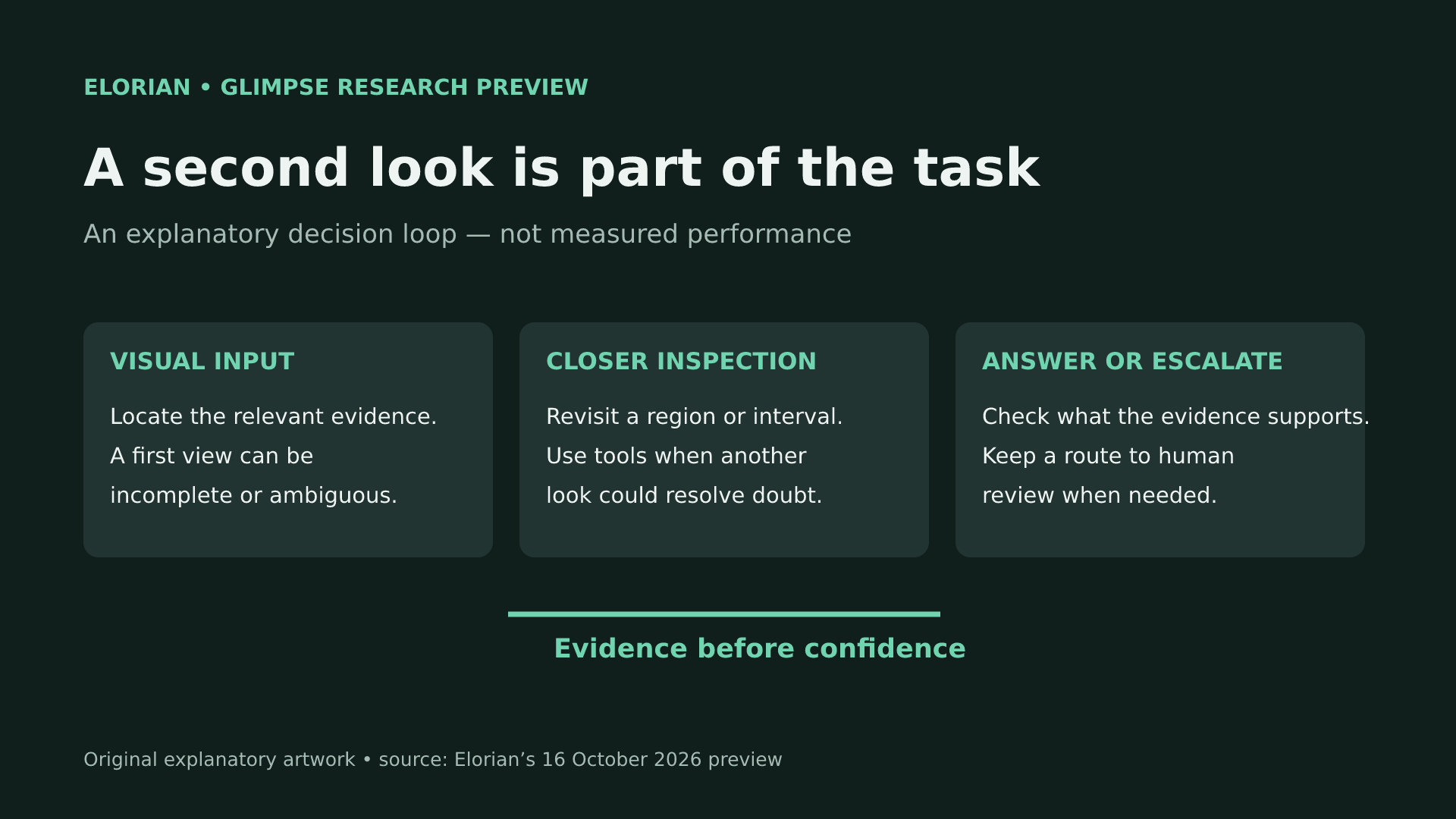
The startup released a visual-reasoning research preview on October 16. Its practical test is whether inspecting evidence again improves decisions enough to justify the extra work.
The October 15 Series B funds a wider cloud, AI and data-spend platform. The important distinction for customers is between identifying a saving and authorising a commitment.
Two October 16 research reports examine employment inside the AI company and differences in expectations outside it. The findings are useful signals, not an economy-wide forecast or a headcount prescription.
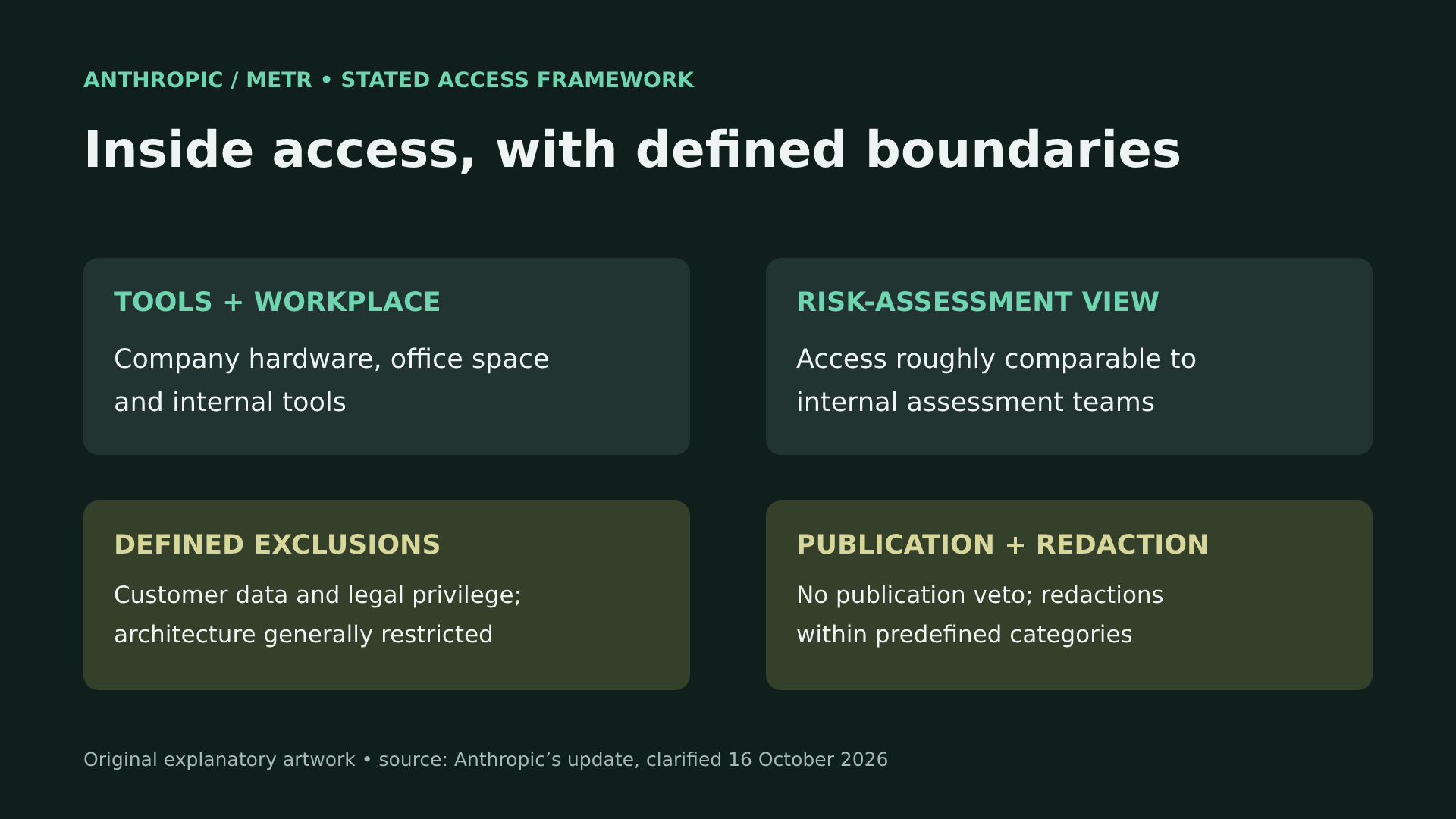
The October 15 evaluator update goes beyond ordinary model access. Its significance depends on both what outsiders can examine and what they can ultimately publish.
The October 15 agreement targets quote-to-revenue workflows for mid-market businesses. The primary announcement does not establish a completed acquisition or disclose a price.
The proposed combination would create Cohere Cyber and expand the company’s Prague presence. It is not evidence of a completed acquisition or an invulnerable AI platform.
The $12.5 million Series A extension was completed in February, according to Fierce Healthcare. This week’s disclosure accompanies a broader administrative AI platform.
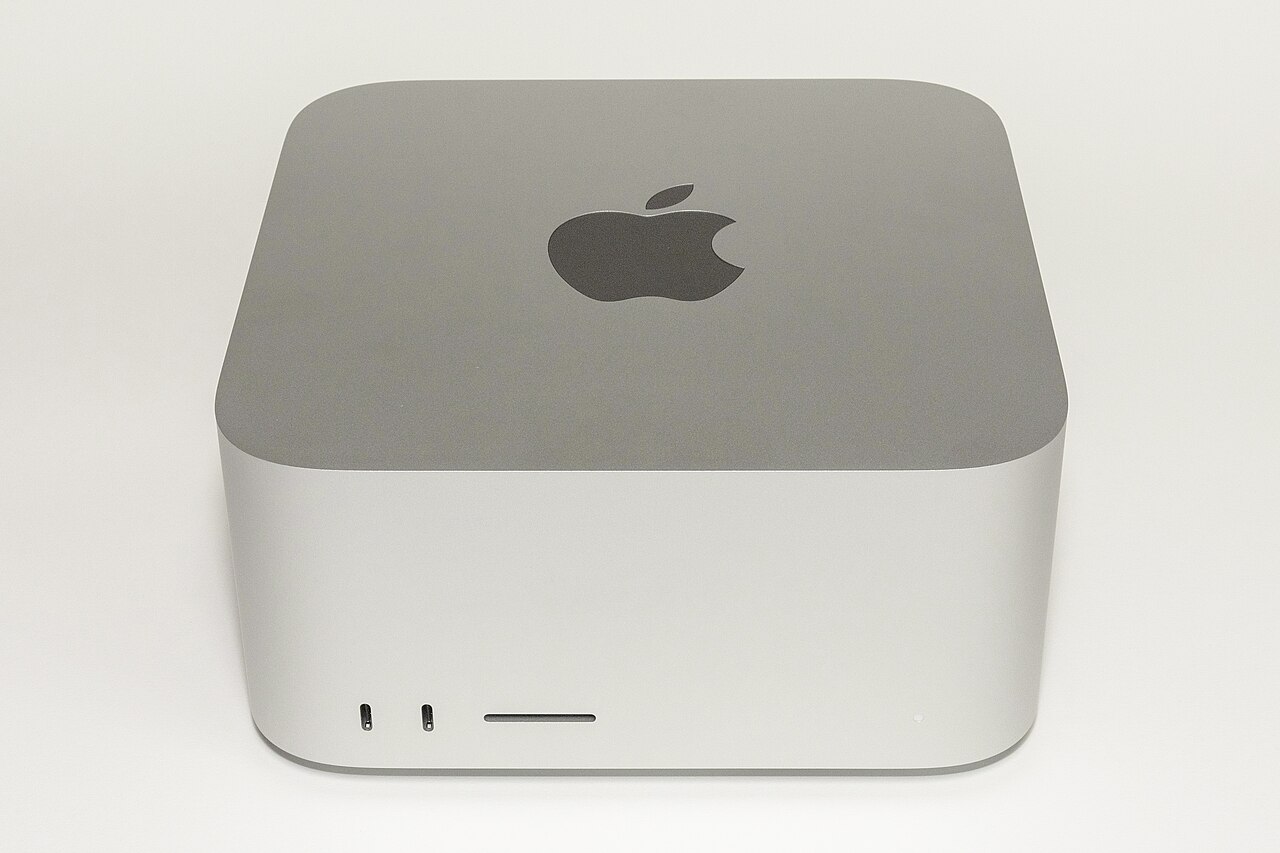
Meta’s October 15 release describes an 816-billion-parameter model running on two M5 Ultra Mac Studios. Open weights do not remove hardware requirements or commercial licence terms.
The October 14 meeting-recorder release builds on an earlier Cohere relationship. On-device processing depends on the selected setup and does not settle recording consent.
The October 15 initiative is a community-support programme, not a startup funding round or a claim that models have solved mathematical research.
Both companies describe the acquisition as completed. Moondream’s hosted inference and Lens service will close on November 13, while the company says its models will remain open.
Liquid AI’s October 13 release combines 24 billion total parameters with about two billion active. Its device and server measurements describe different workloads, not a universal speed guarantee.