Dallas Venture Capital leads the Series B, with NVIDIA participating. The startup’s proposition is operational flexibility; its performance claims still need workload-specific scrutiny.
The pre-Series B includes new capital and shareholder liquidity. Its enterprise challenge is making an automated decision traceable, not merely making it faster.
Thomas Dohmke’s startup introduces Trails, distributed hosting and persistent session context. Its speed claims are not independently benchmarked here.
The company says 155 responses exposed cross-customer request data during an August–September incident affecting one model. The October disclosure is new; the remediation is not.
The October 26 definitive agreement is a proposed acquisition, not a completed transaction. Integration and governed customer communication are the operational questions.
Opera One offers an opt-in early preview on specified Windows PCs and Apple-silicon Macs. Models download only after activation; future browser rollouts are not current availability.
The rival AI developer reports a rare blocked upload attempt and publishes traces. Its observed test and steered follow-up experiments answer different questions.
The Singapore vision-AI company says its Series A will support expansion across APAC, the United States and the Gulf. Its safety claims need a different kind of evidence from its financing.
The October 26 filing reports strong consolidated growth, but profit attributable to parent shareholders is smaller and the comparison figures have been restated.
The Siemens collaboration starts with facilities operations, not an independently verified autonomous chip factory. Consolidation and broader global integration are described as staged work.
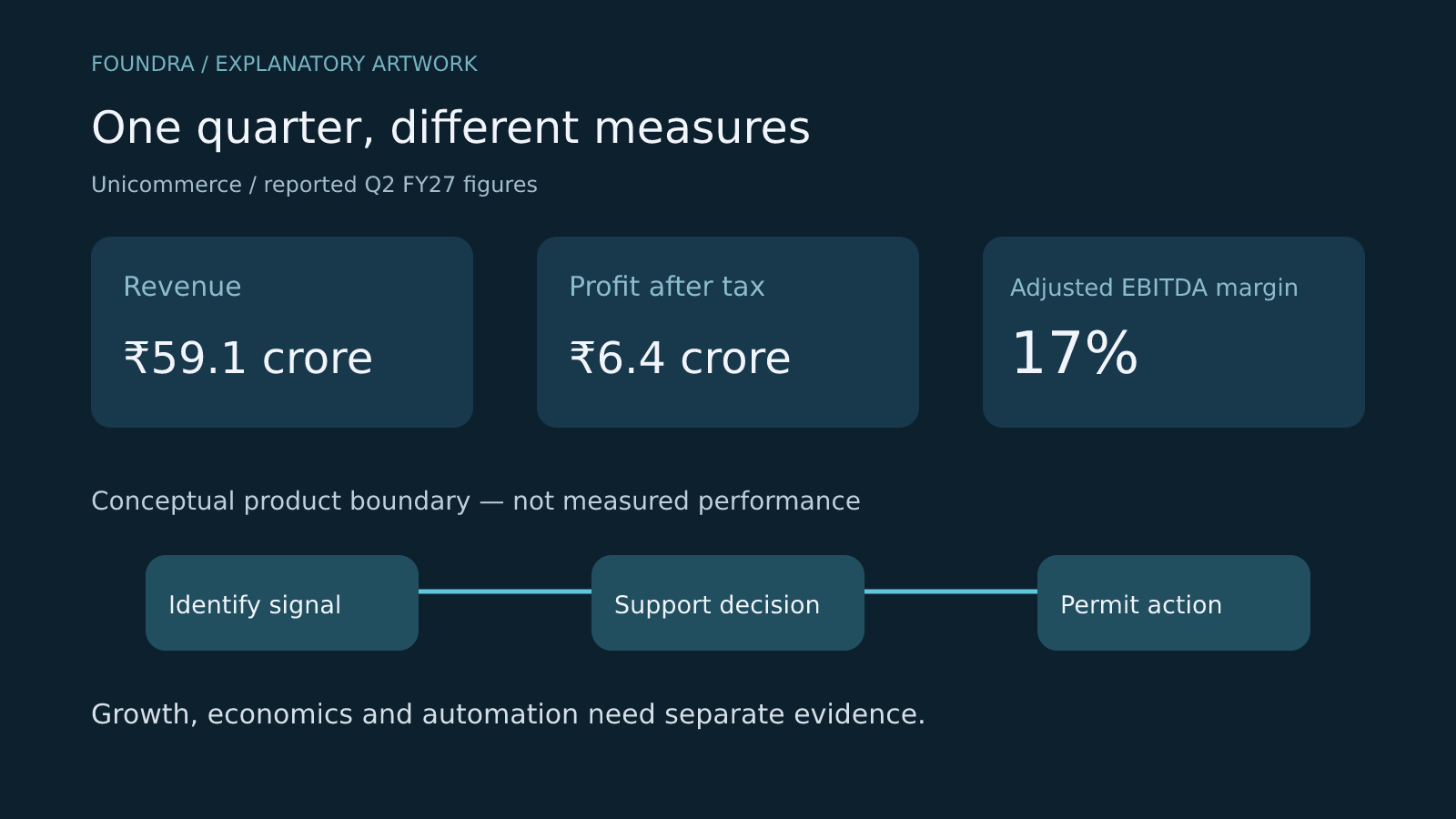
The October 23 results pair 15% revenue growth with a 17% adjusted EBITDA margin. The second-generation DNA companion adds a product question to the financial one.
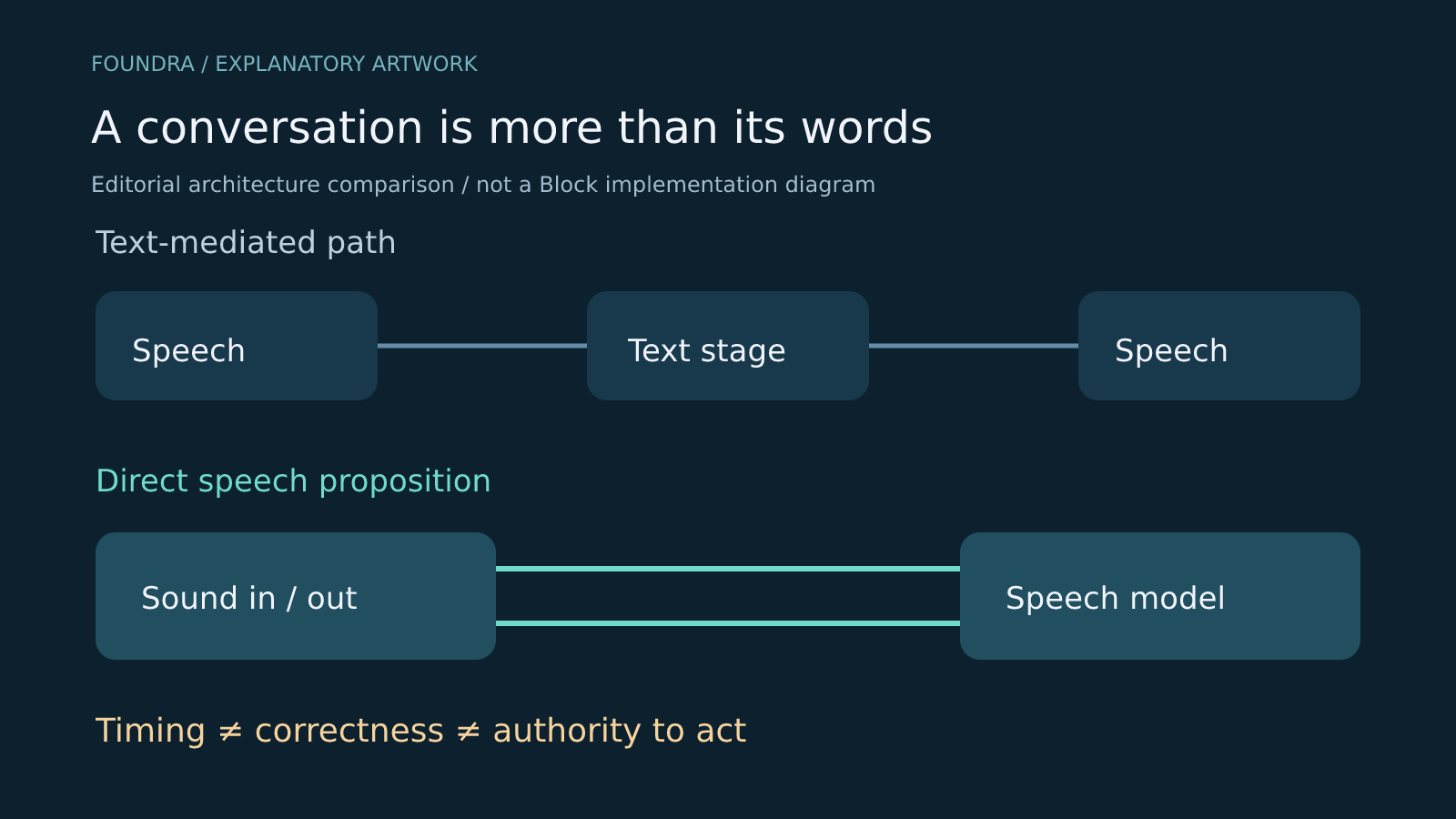
Block presents a speech-trained, full-duplex model and local Mac inference. The demos make a design proposition—not an independent reliability or empathy benchmark.
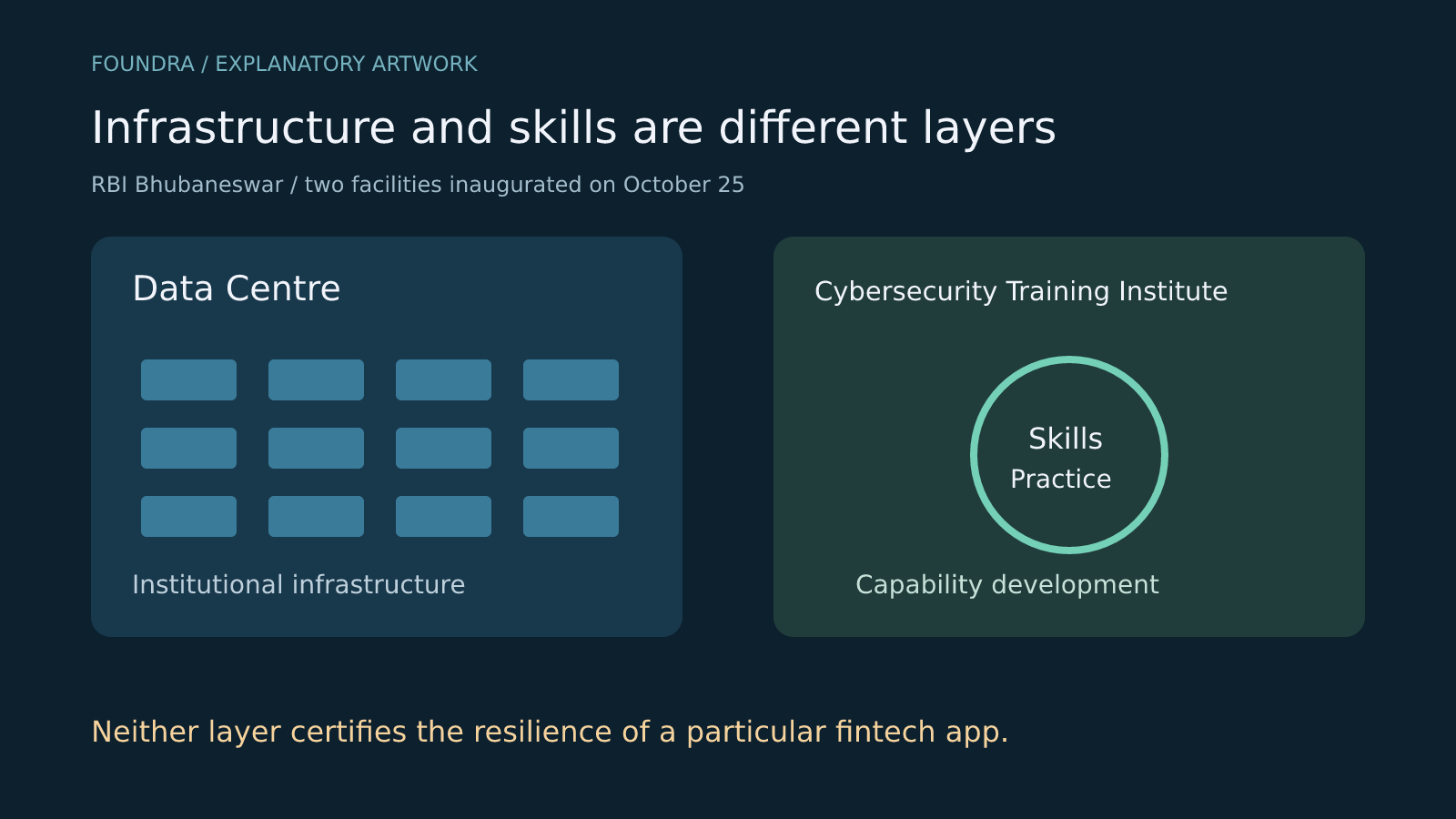
The two facilities were inaugurated on October 25. The opening marks completed institutional facilities, while their intended contribution to reliability remains distinct from measured service outcomes.
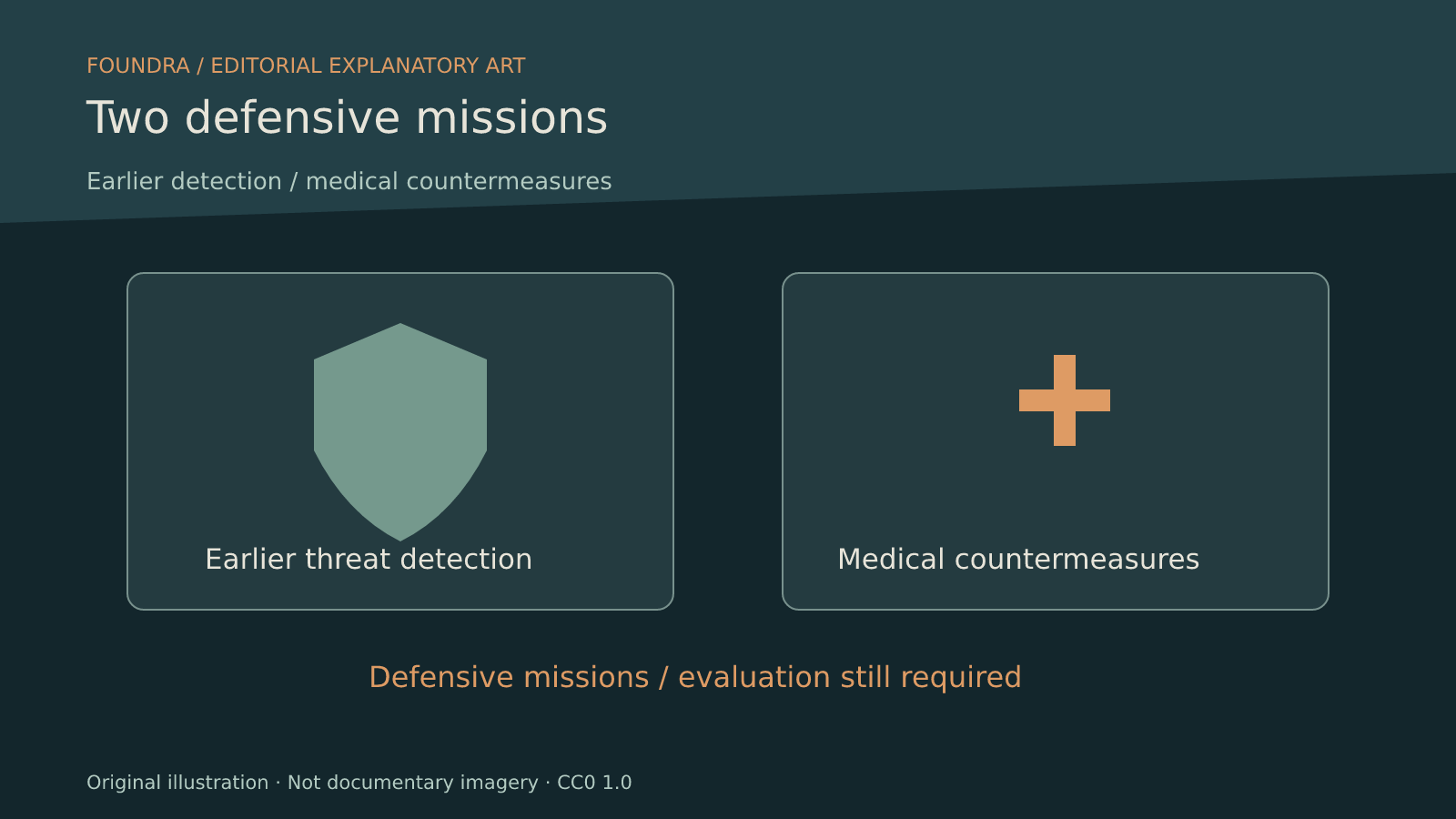
The government’s October 24 announcement identifies earlier threat detection and faster medical countermeasure development as initial delivery priorities.
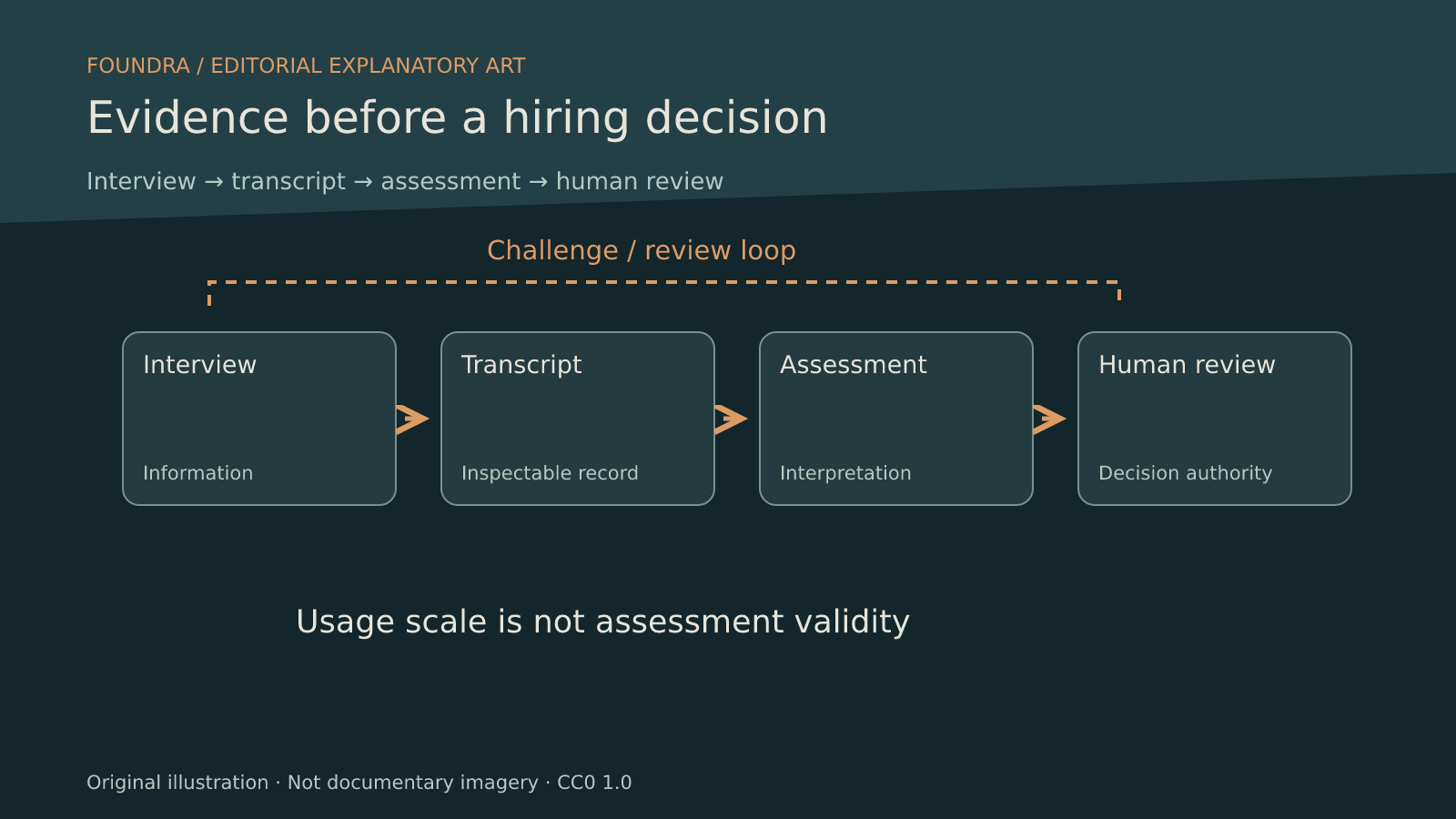
Dayforce has signed an agreement to acquire Ribbon AI. The planned recruiting integration raises questions about evidence, assessment and human review.
The completed acquisition brings a 3D simulation team into Rivian’s autonomy operation. It expands a tool for training and validation—not proof that a vehicle can drive itself safely.
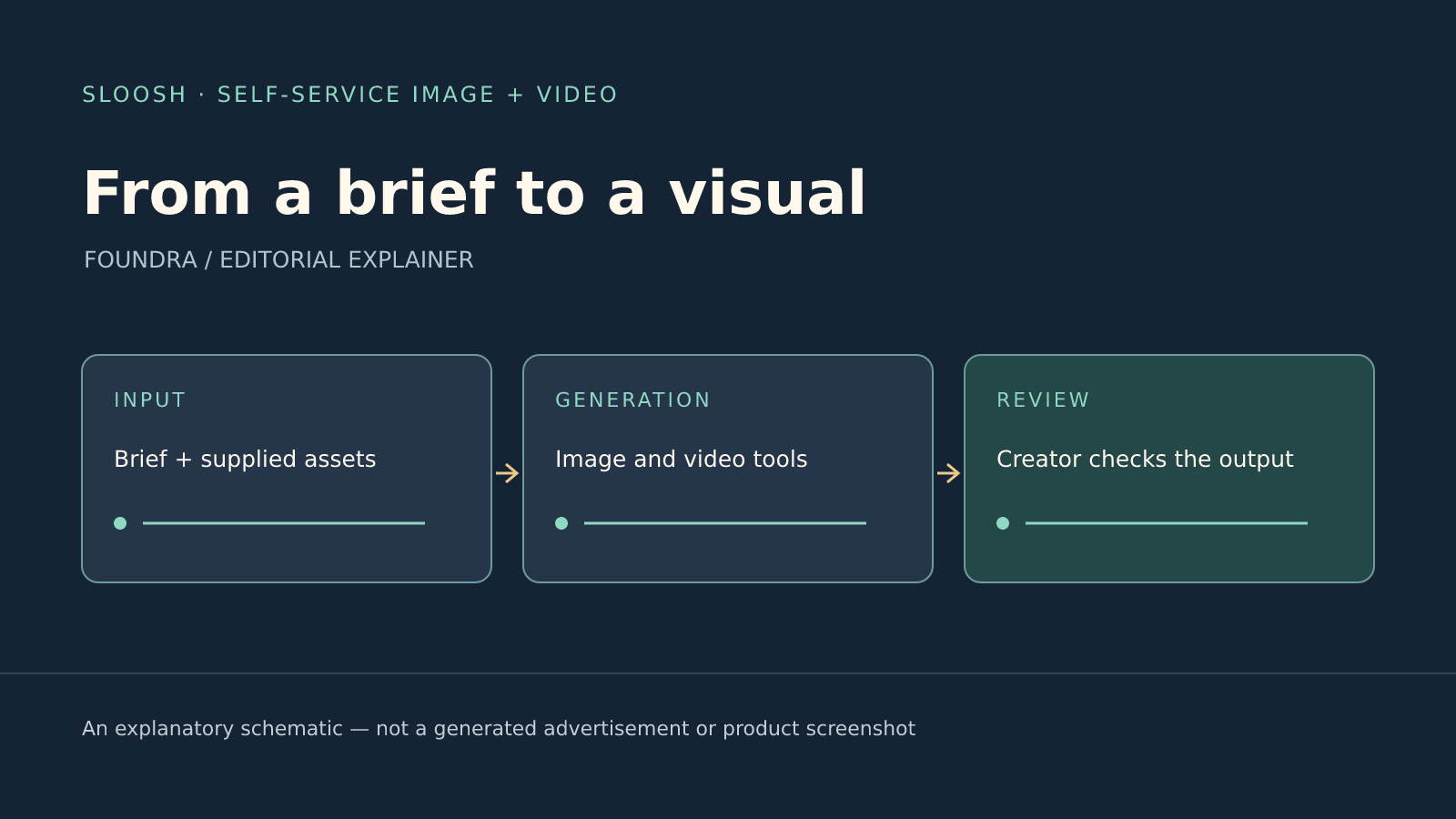
The reported October 22 launch puts image and video generation in a self-service product whose terms still specify early, invitation-only access. The comparison with a creative service is about the work, not just the subscription price.
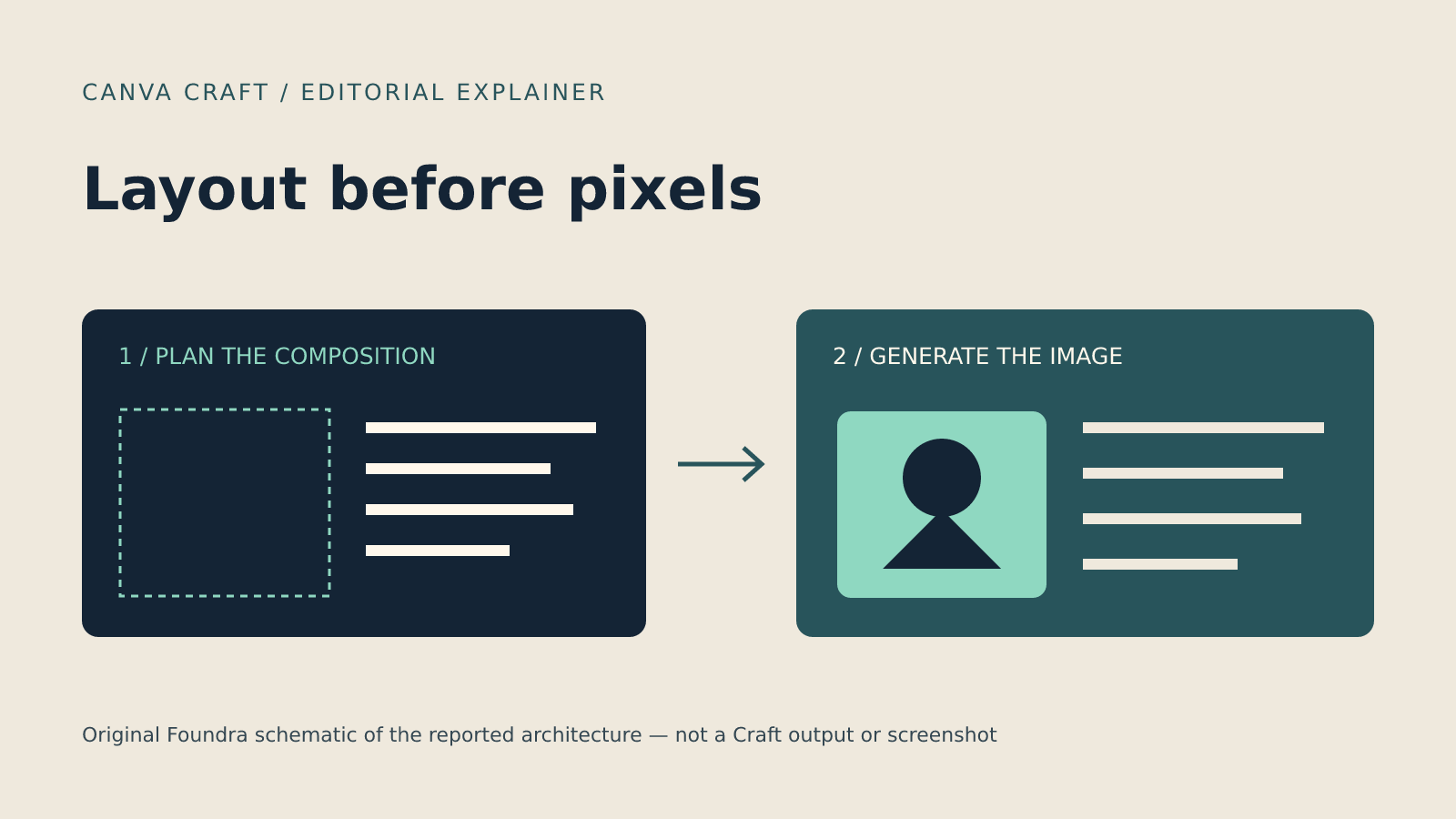
Canva’s first image-generation model is designed to plan a composition before rendering it. That is an interesting product choice, not an independent verdict on text accuracy or editing reliability.
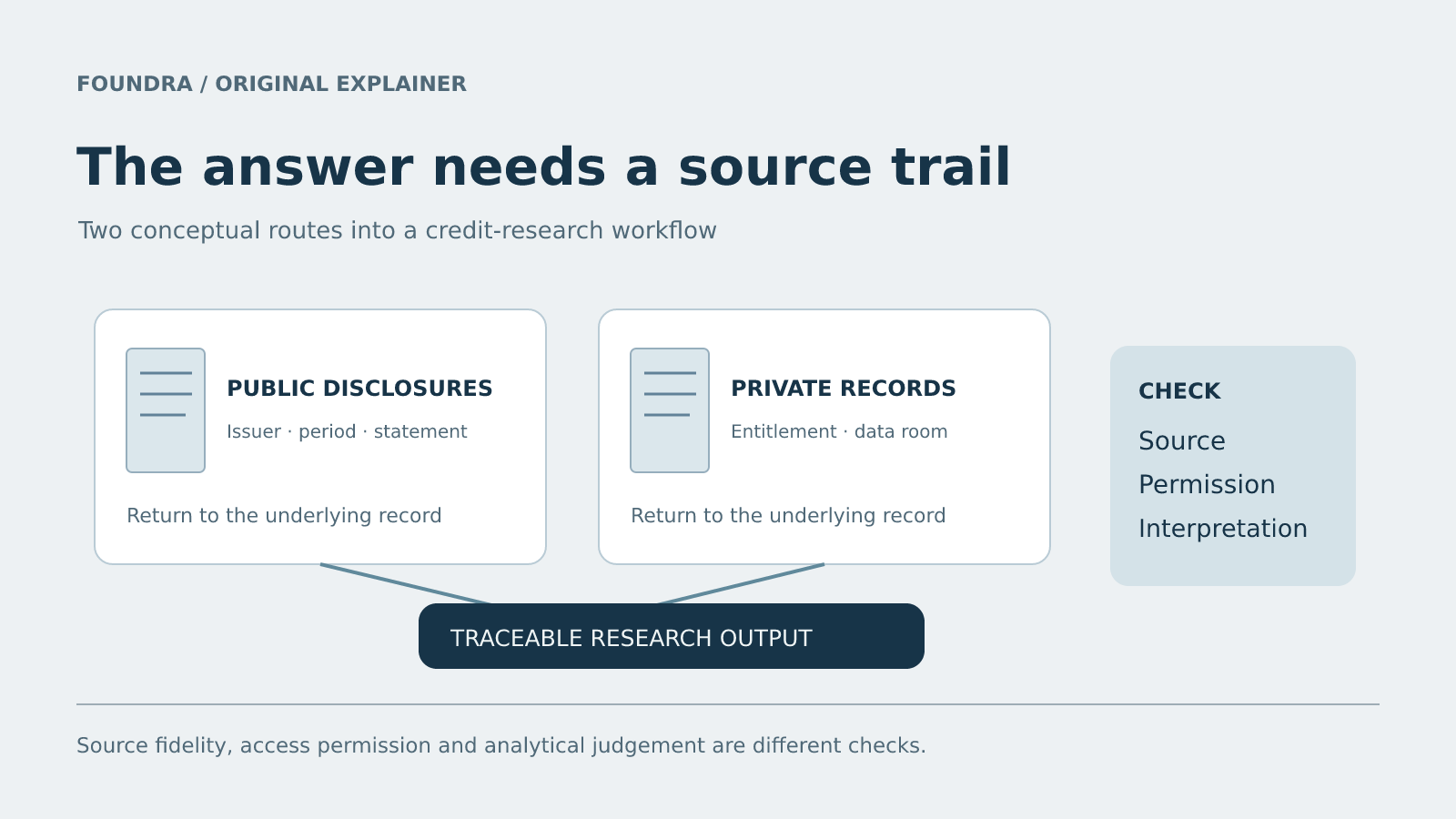
Summit Partners is leading a completed growth investment in the credit-data company. Its public-market tools and planned private-issuer expansion highlight two very different problems for financial AI: finding the evidence and having permission to use it.
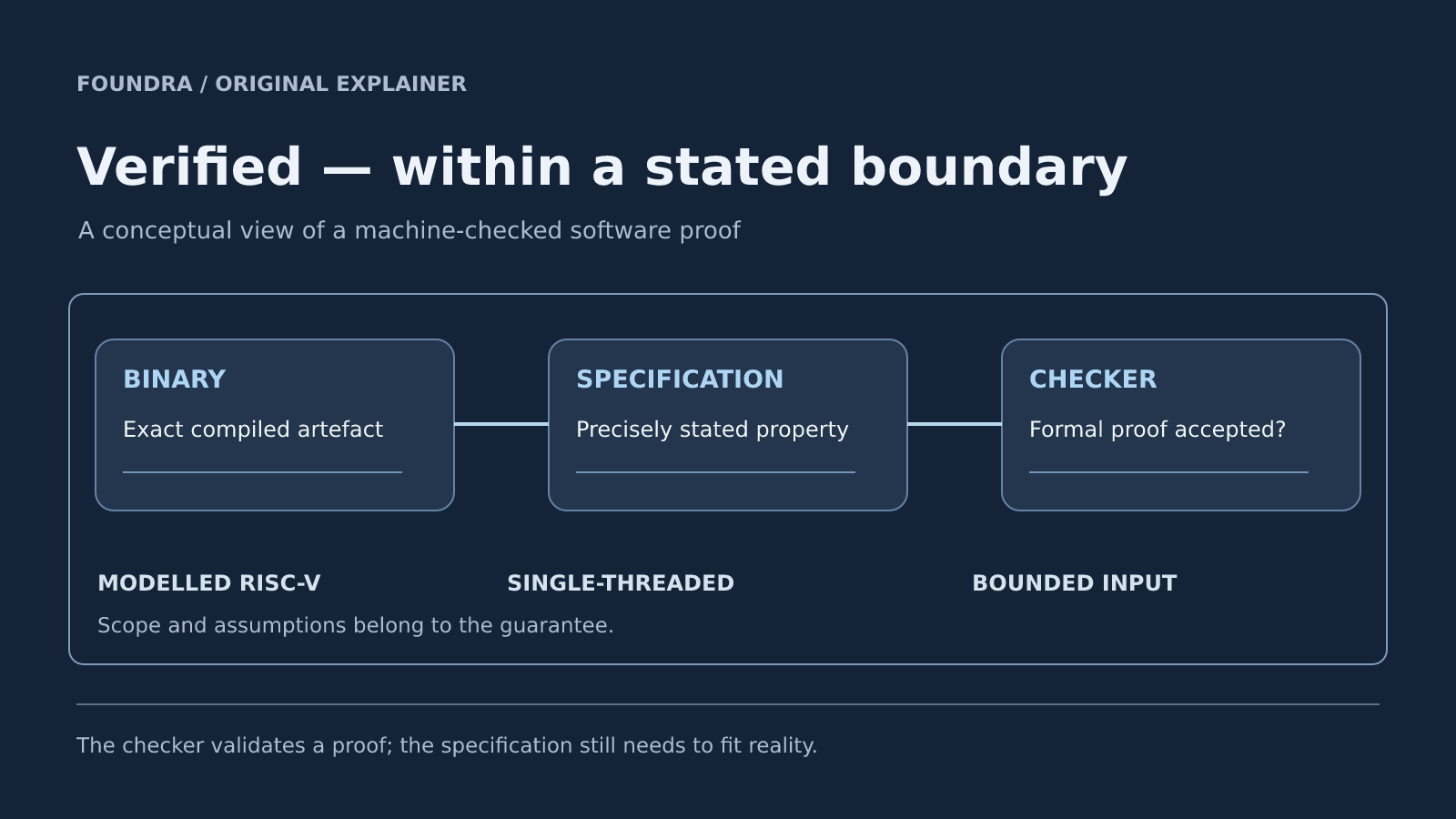
Anthropic and Theorem report large-scale formal verification at the RISC-V binary level. Their work points to a new software-security workflow, but the guarantees concern specified programmes and assumptions—not every bug in every library.
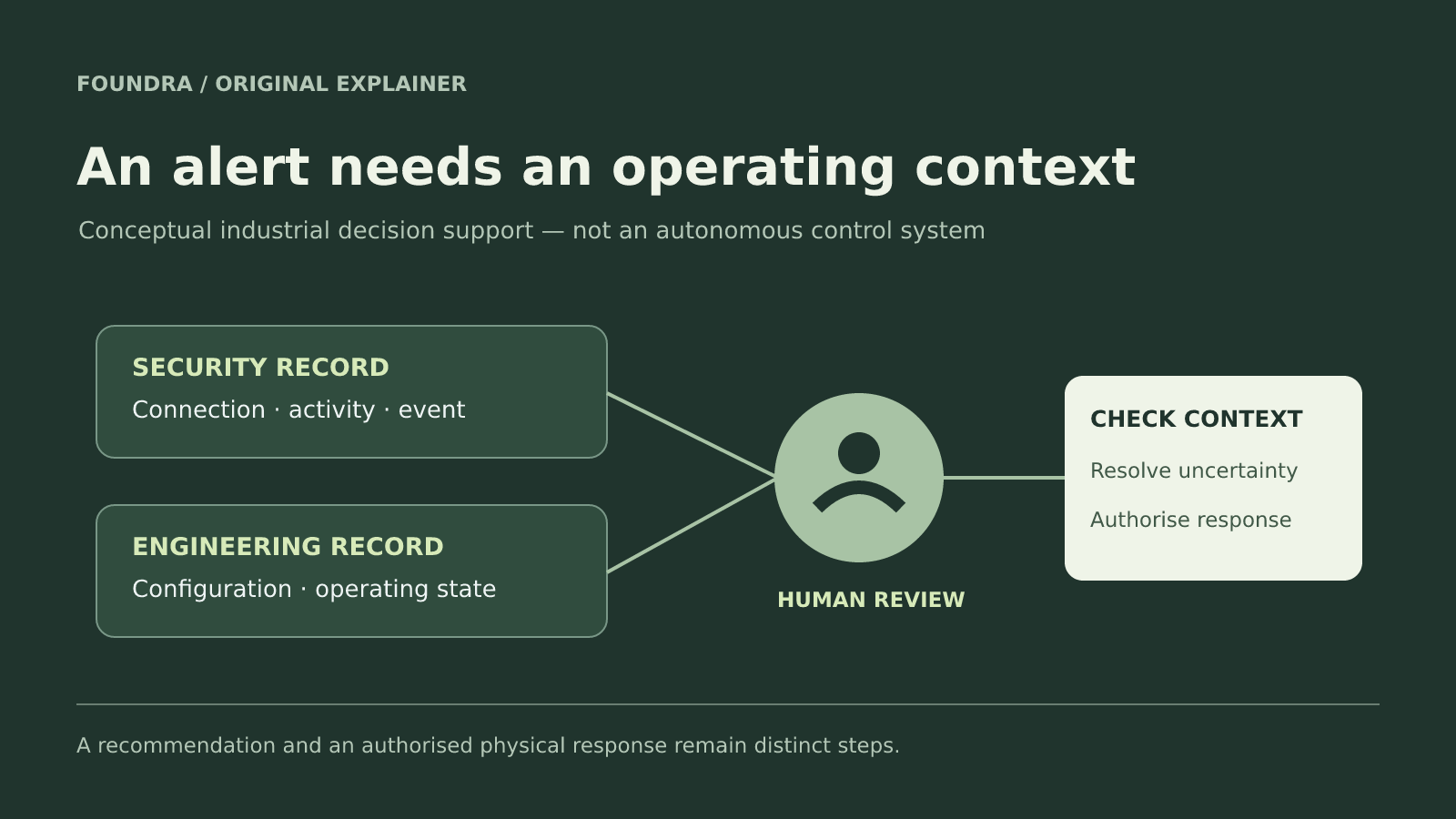
The Amsterdam company’s funding, led by Contrarian Ventures, supports an AI platform joining engineering and security information. Its proposition is decision support for industrial operators—not a claim that software can safely run a plant on its own.
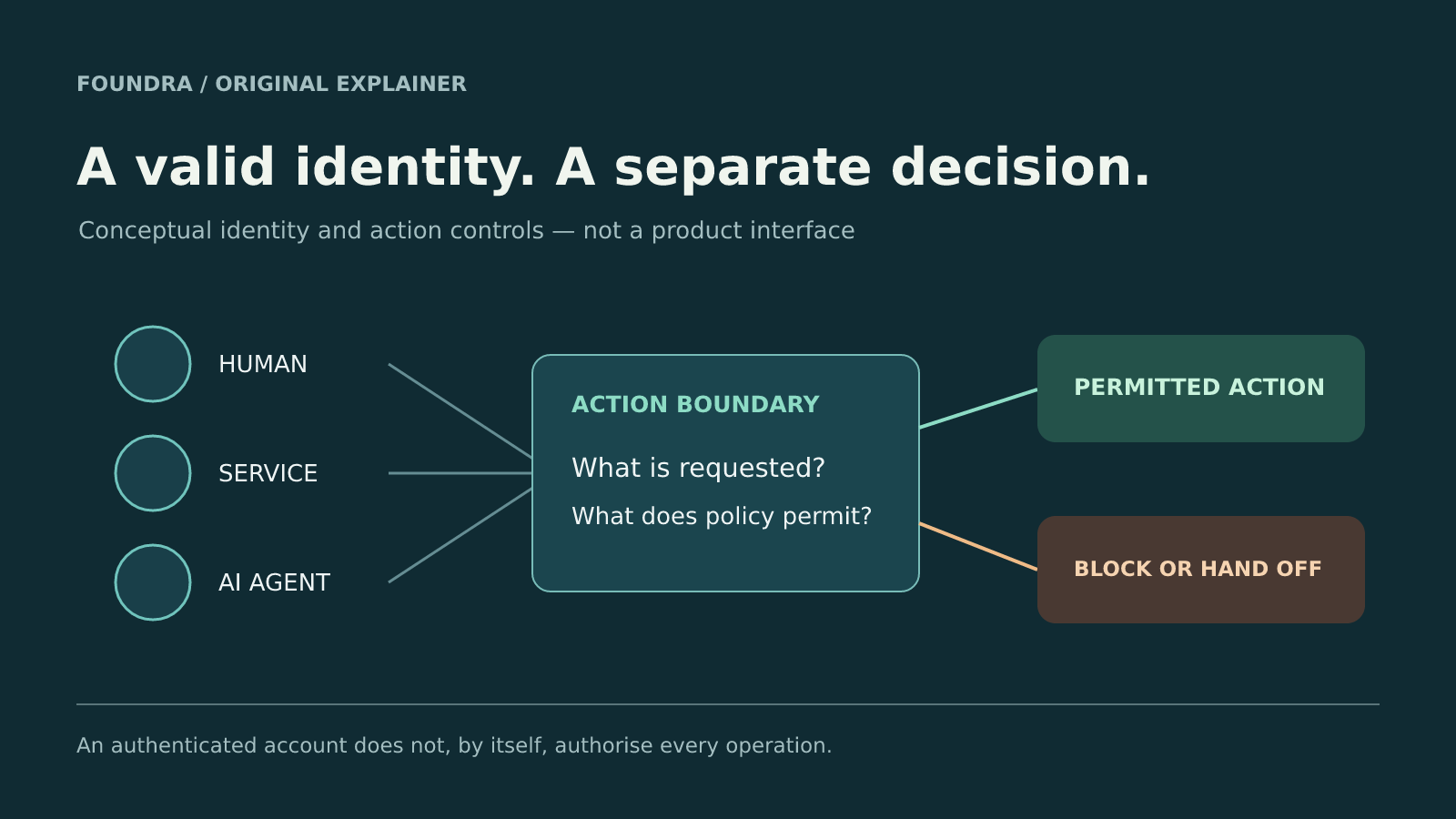
The Berlin startup has emerged from stealth with pre-seed backing led by Atlantic. Its pitch shifts enterprise security from recognising an identity to deciding what that identity may actually do.