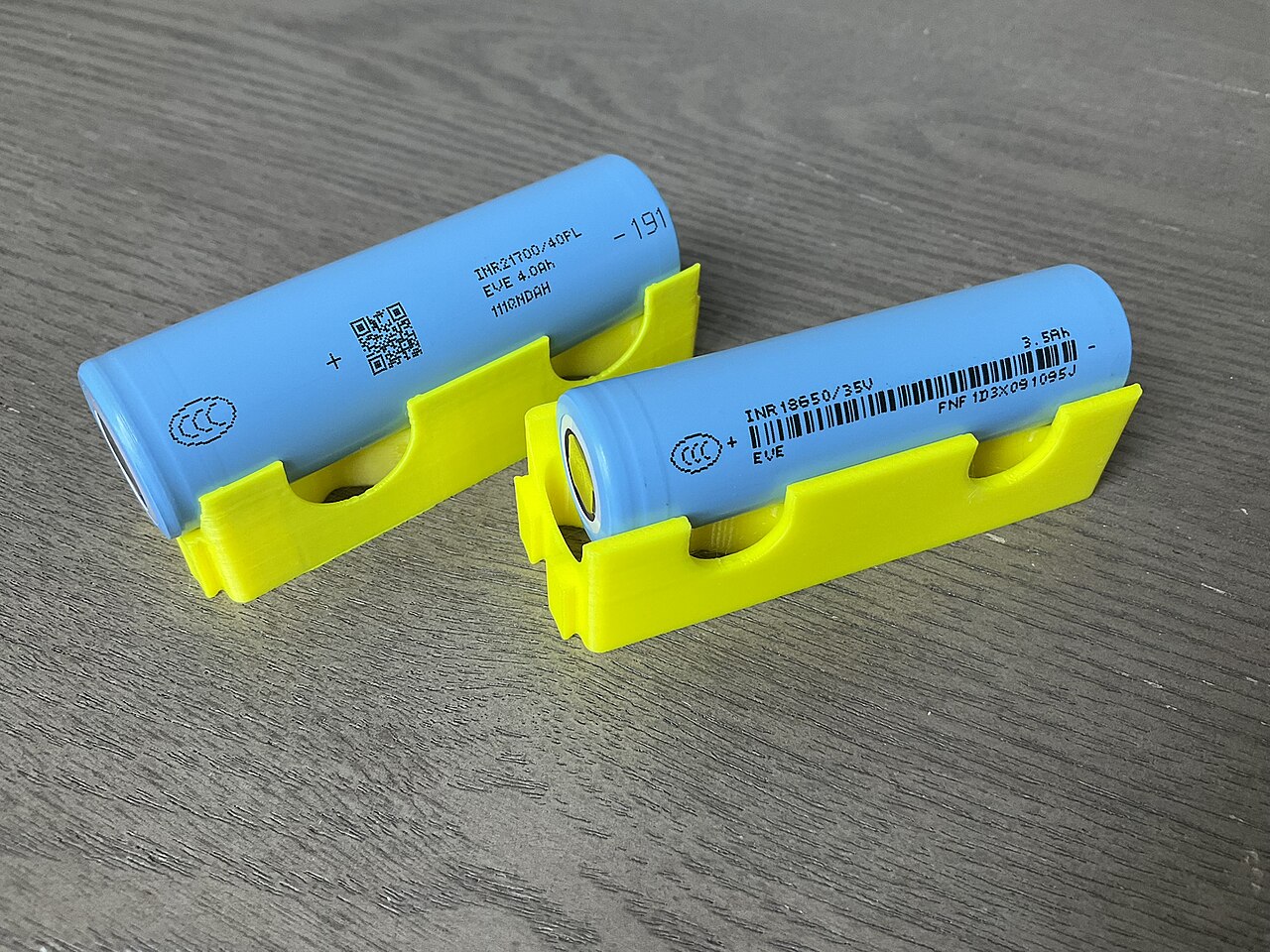
Climate & deeptech VoltR is preparing to scale battery reuse in Europe. The critical business question is how reliably used cells can be matched to a suitable next application.
Oct 7, 2026 · 2 min readClimate & deeptech Specialised chips offer a route into neurotechnology without building the whole device. Customer integration and validation will determine how valuable that position becomes.
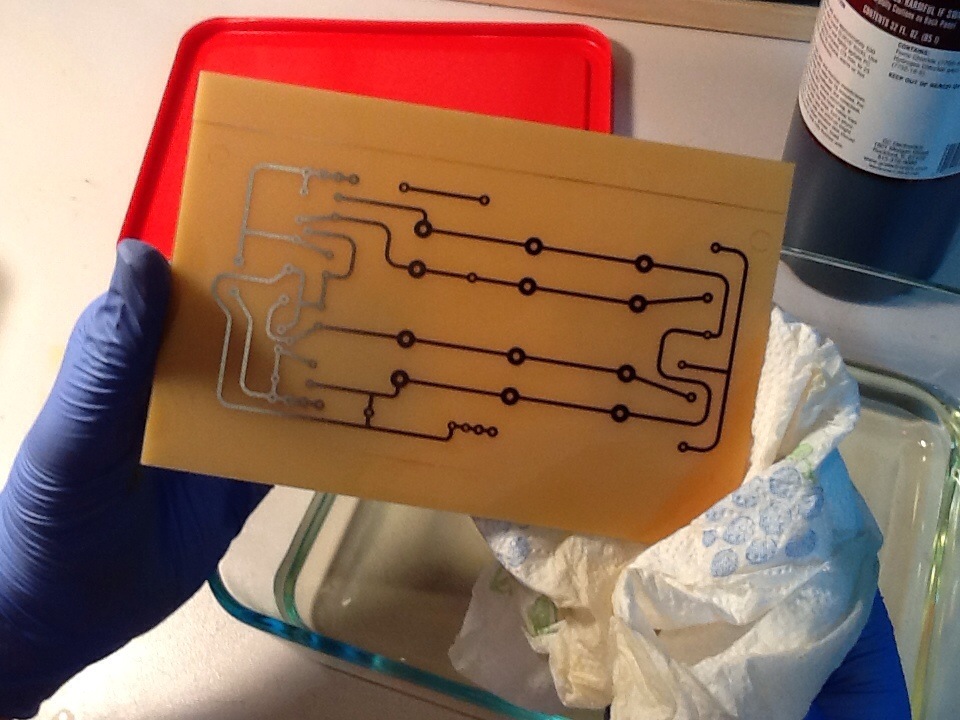
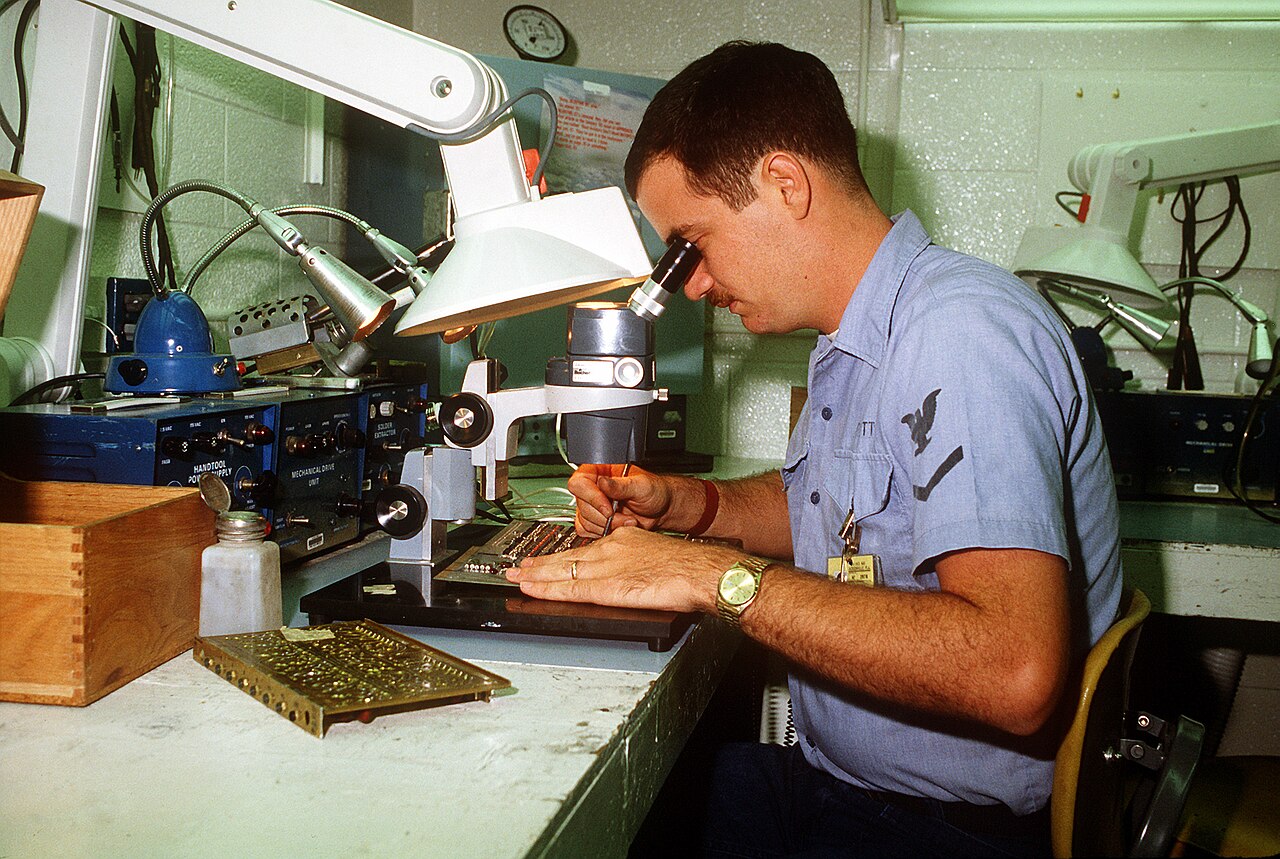
Oct 7, 2026 · 2 min readClimate & deeptech The company announced funding and a New York inspection laboratory. Its opportunity is to make trust in components easier to buy and verify.
Oct 7, 2026 · 2 min readFunding The university-linked investor is expanding its Dutch seed platform. The distinction between fund ambition and committed capital matters to founders assessing their options.
Oct 7, 2026 · 2 min readStartups Amazon says Ring’s first smart lock will include a manual power dial. The design offers a broader lesson for connected-device startups.
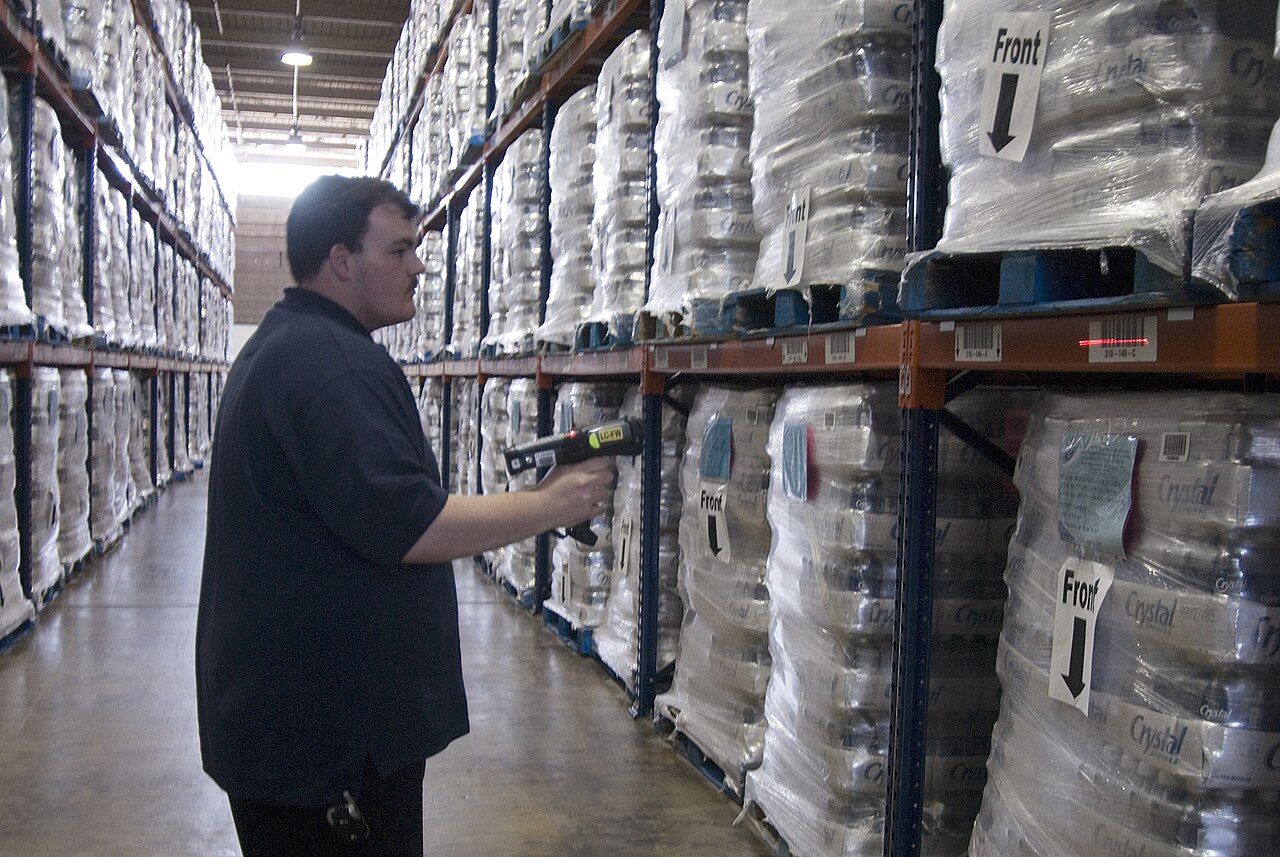
Oct 7, 2026 · 2 min readFunding A new supply-chain investment vehicle links venture backing with an operating network. Startups should judge it by the route from pilot to repeat deployment.
Oct 7, 2026 · 2 min readFunding A runway estimate becomes useful when it shows when money arrives, when bills fall due and which decisions remain reversible.
Founder guide · Oct 7, 2026 · 2 min read SaaS A recurring-revenue business needs to distinguish its commercial run rate, signed commitments and actual collections.
Founder guide · Oct 7, 2026 · 2 min read SaaS Read gross and net retention together to see whether expansion is masking losses in the existing customer base.
Founder guide · Oct 7, 2026 · 2 min read Funding Revenue alone can make customer acquisition look cheaper than it is. Payback should reflect the cost of serving the customer.
Founder guide · Oct 7, 2026 · 2 min read AI AI products can have variable delivery costs and uneven customer usage. A workable price needs to make both sides of the transaction understandable.
Founder guide · Oct 7, 2026 · 2 min read SaaS The right trial length follows the customer’s path to value. More days do not fix an experience that never reaches the important task.
Founder guide · Oct 7, 2026 · 2 min read Founders An early partner can sharpen a product or pull it into a series of one-off commitments. The difference is in the agreement and the learning plan.
Founder guide · Oct 7, 2026 · 2 min read Founders A concrete past event can reveal constraints that a conversation about a proposed feature will miss.
Founder guide · Oct 7, 2026 · 2 min read Founders Feature lists can become a queue of promises. A decision-led roadmap explains why the next piece of work deserves scarce time.
Founder guide · Oct 7, 2026 · 2 min read SaaS A long introductory tour can compete with the work a new customer came to do. Contextual help can make the first task more manageable.
Founder guide · Oct 7, 2026 · 2 min read Founders Early sales work should reveal who buys, why they act and what has to happen before money changes hands.
Founder guide · Oct 7, 2026 · 2 min read SaaS A pipeline forecast is useful only when its stages correspond to things the customer has actually done.
Founder guide · Oct 7, 2026 · 2 min read SaaS A marketplace can put a product near an existing customer workflow. Discovery, activation and ongoing support still need deliberate design.
Founder guide · Oct 7, 2026 · 2 min read Startups A paid order can still become a costly return. Brands need a view of contribution after delivery, refunds and recovery.
Founder guide · Oct 7, 2026 · 2 min read Startups A product business has to finance the time between paying for stock and collecting from customers. Unit margin tells only part of the story.
Founder guide · Oct 7, 2026 · 2 min read Startups Large signup numbers can hide a marketplace where buyers cannot find the right supply. Start with the conditions required for a successful match.
Founder guide · Oct 7, 2026 · 2 min read AI A model can look impressive in a demonstration while failing the tasks that determine whether a customer trusts the product.
Founder guide · Oct 7, 2026 · 2 min read AI Retrieval can give an AI product access to company information. It also creates an operational responsibility to update, remove and permission that information.
Founder guide · Oct 7, 2026 · 2 min read