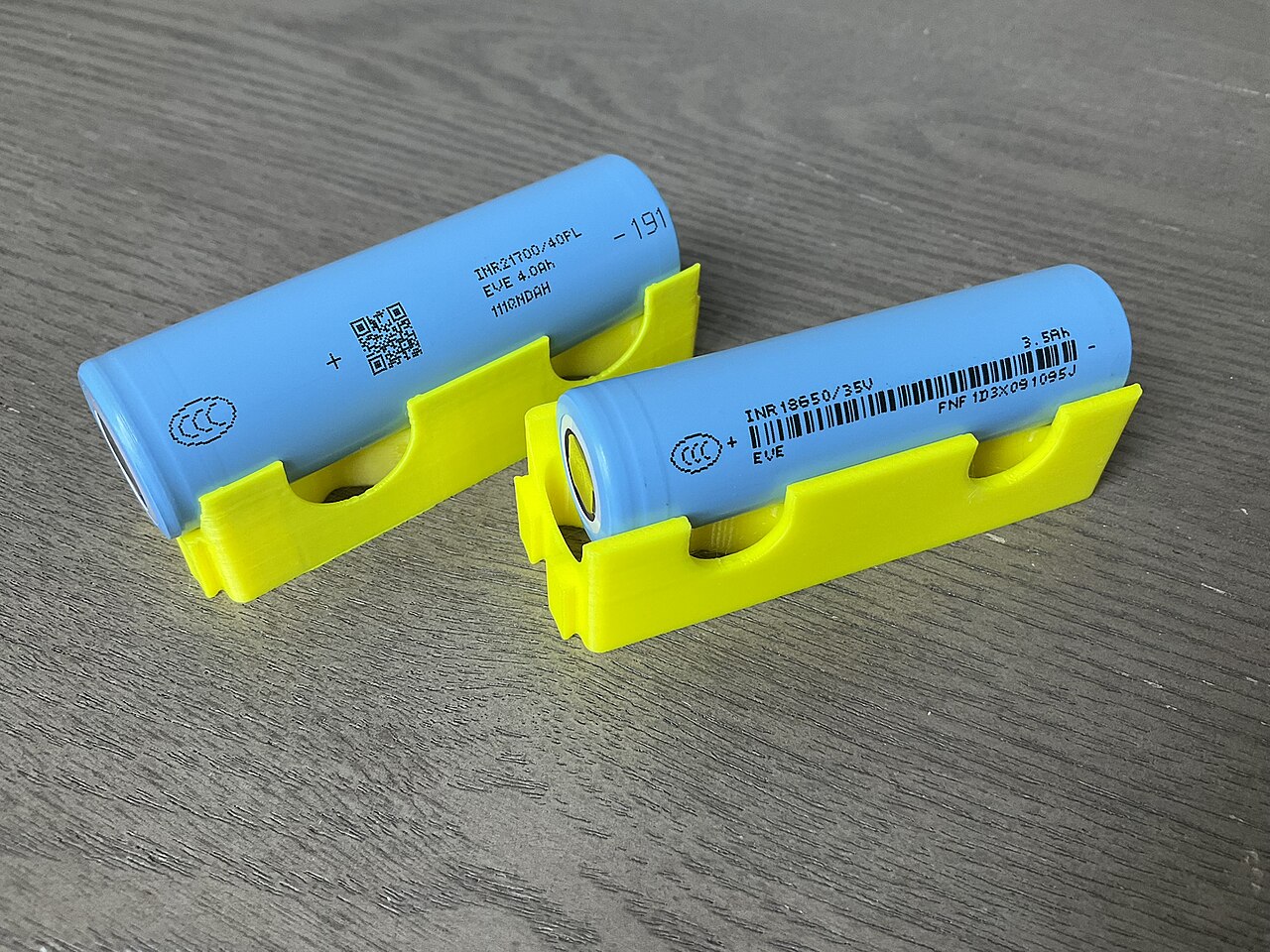
Second-life economics depend on diagnosis and traceability before they depend on the number of batteries collected.
What the company says
VoltR’s website dates its €22 million financing announcement to October 4 and identifies Bpifrance and Decathlon Pulse as partners in the next stage of expansion. The company manufactures batteries using second-life cells. This article examines that stated business model. The announcement’s financing total should not be interpreted as a claim that all the money is new equity or that all planned capacity is operating.
The business starts with classification
A used battery is not a uniform raw material. Its remaining capabilities determine where it might be useful, and the cost of establishing those capabilities affects the margin. Our analysis is that a repeatable diagnosis process can become the centre of a reuse business. Collecting more input is useful only when the company can sort it efficiently and find a suitable destination for the output.
From used cell to usable product
Collect
Record origin and handling history.
Diagnose
Assess remaining characteristics.
Match
Choose a suitable next application.
Support
Retain test records and service responsibility.
Why the destination matters
A cell that no longer suits one demanding application may still be useful in another, but that match needs evidence. Customers require a product with appropriate specifications, traceable testing and clear service arrangements. A cheap input does not automatically produce a cheap finished battery once screening, integration, rejected material and support are included. The commercial comparison should therefore be between complete usable systems.
The milestones to follow
Watch usable yield from collected material, repeat supply agreements and demand for particular finished products. Those measures are more revealing than collection volume alone. Environmental comparisons also need a stated boundary, including the work required to prepare a battery for its next use. Founders in circular manufacturing should build the information trail alongside the physical process. It is what allows a customer to trust that a reused component is appropriate for the job.
Sources
- VoltR — source and reference material ↗ VoltR · 2026-10-04 · Primary source
Have additional information? Request a correction.