AI
AI agent permissions: give the system the smallest useful set of actions
An agent’s authority should follow the task it has been asked to perform. A capable model does not need unrestricted access to be useful.
FOUNDRA
Fresh developments, with the perspective behind the headline.
237 stories to explore
An agent’s authority should follow the task it has been asked to perform. A capable model does not need unrestricted access to be useful.
Documents and webpages can contain instructions aimed at an AI system. Products need to keep source material separate from the authority to act.
Using different models for different jobs can improve economics, but retries and escalations must be included in the calculation.
A review step adds value only when the reviewer has enough context, time and authority to intervene.
A growing collection of customer information can create costs and responsibilities that outlast the feature it was gathered for.
A startup can make procurement easier by answering specific questions about access, data, recovery and responsibility before a buyer asks.
Being able to view code does not by itself explain what a company may do with it. Product planning needs the actual licence and its conditions.
A successful backup job does not prove a startup can recover its service. Restoration needs its own plan, test and owner.
Clear publication dates, accessible article text and accurate metadata give a news page a sound technical foundation. They do not replace useful reporting.
A relevant image can help a reader understand a story. Filenames and metadata should support that purpose rather than attempt to disguise a weak visual choice.
Fast pages are about more than a loading indicator. Readers need stable content and controls that respond when they use them.
Transparency is useful when it lets a reader inspect a claim, identify an uncertainty and request a correction.
An instant-payment system still needs a clear merchant workflow for status, reconciliation and customer support.
ONDC connects different participants in digital commerce. A startup’s opportunity depends on which part of the journey it can make meaningfully better.
Language is one part of a usable local experience. Formats, examples, support and the task itself may also need attention.
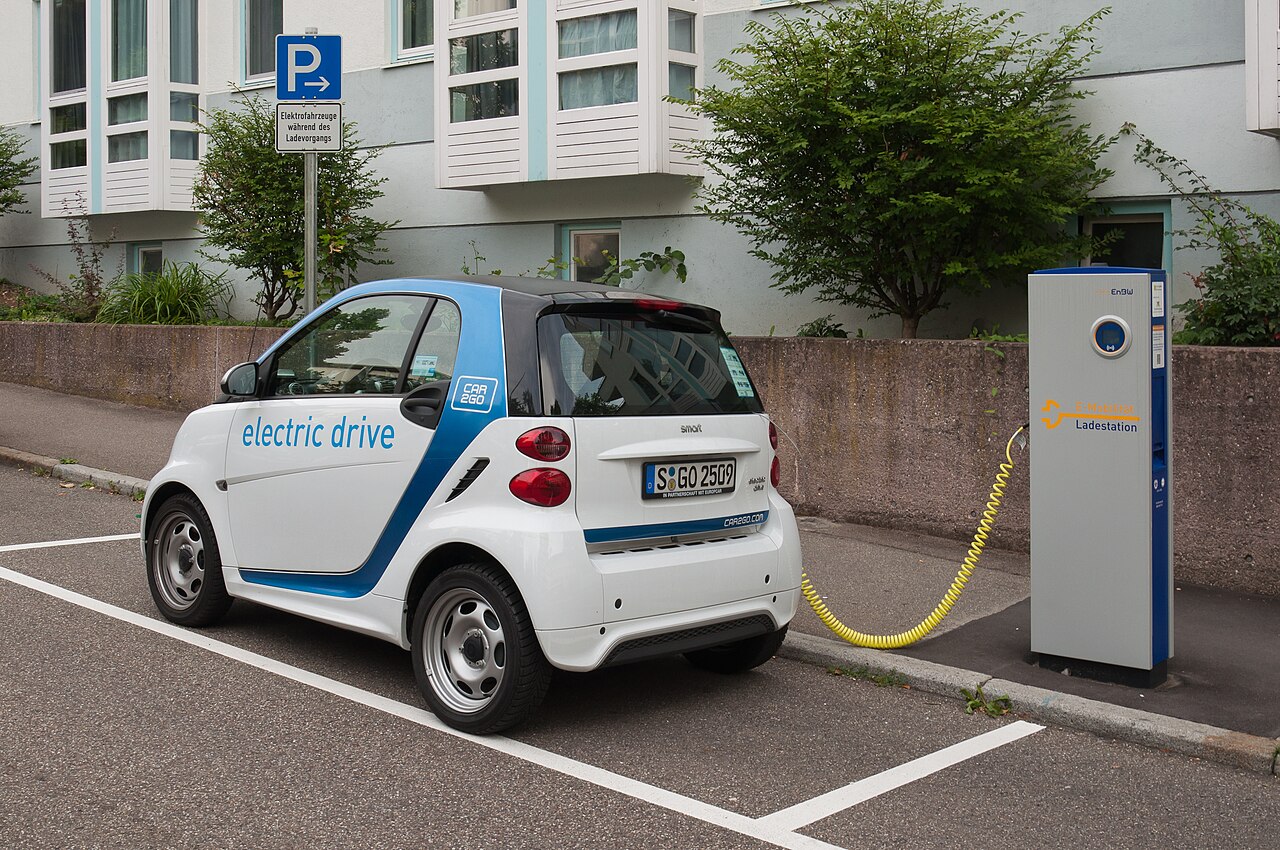
A charging location has to match driver behaviour, power availability and operating costs. Installed capacity alone does not describe the business.
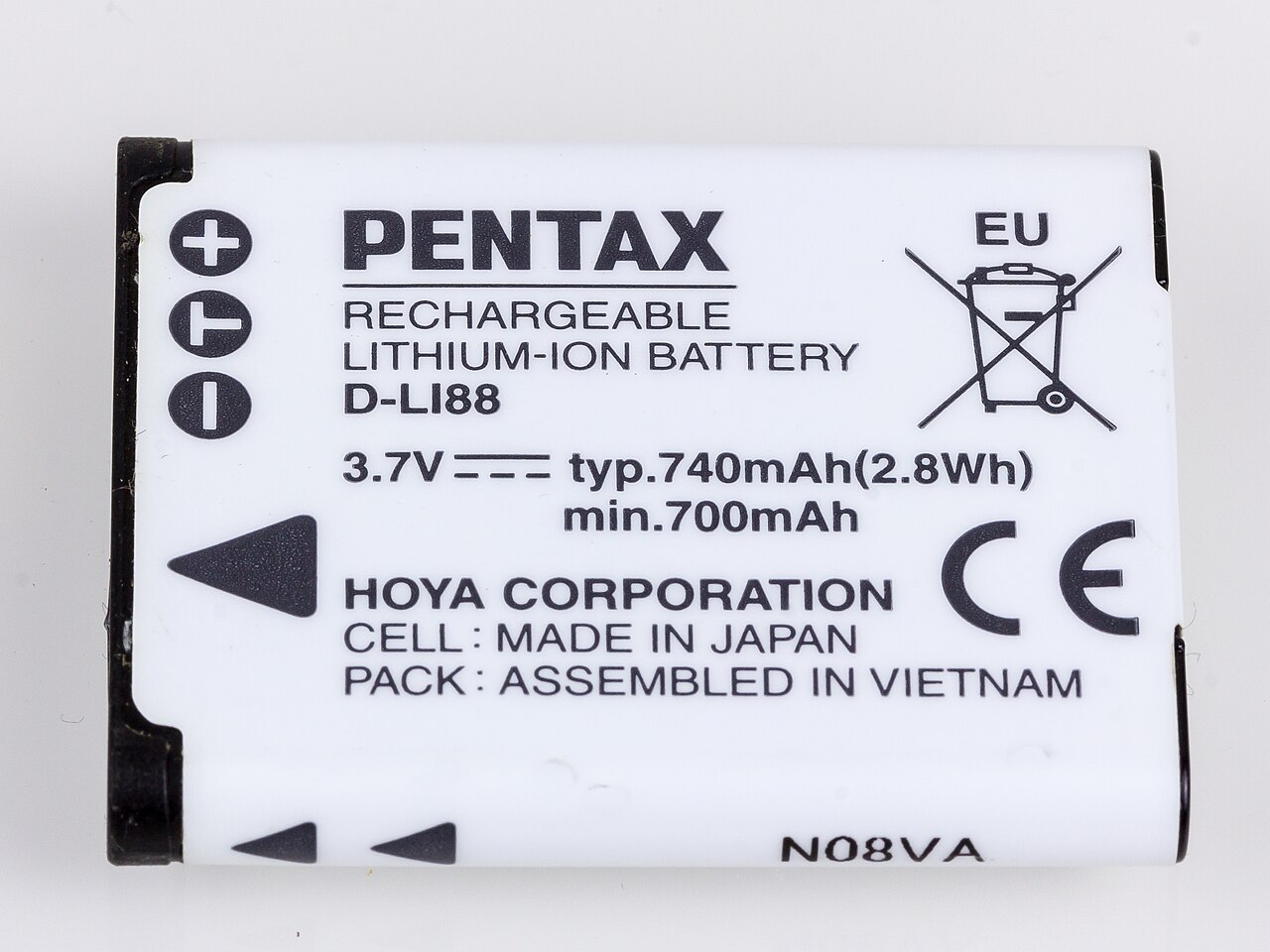
Reusing a battery can be attractive, but its remaining characteristics and the cost of preparing it determine the practical opportunity.
A working demonstration proves an idea can work. A customer product needs repeatability, support and a process for handling variation.
A scientific capability can have many possible applications. A startup needs an initial use case with a reachable buyer and a testable reason to switch.
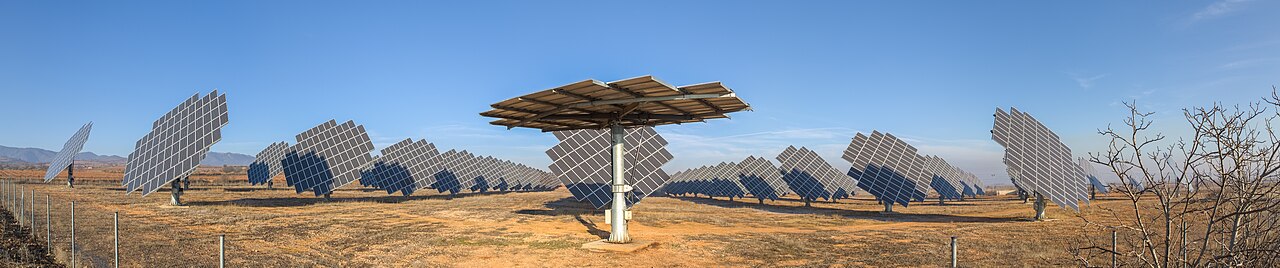
A product’s environmental comparison depends on its boundary, reference case and operating assumptions. Those details belong beside the claim.
Generating an attractive fashion image is one challenge. Producing a dependable catalogue is another. AdBanana’s product proposition puts that distinction in focus.