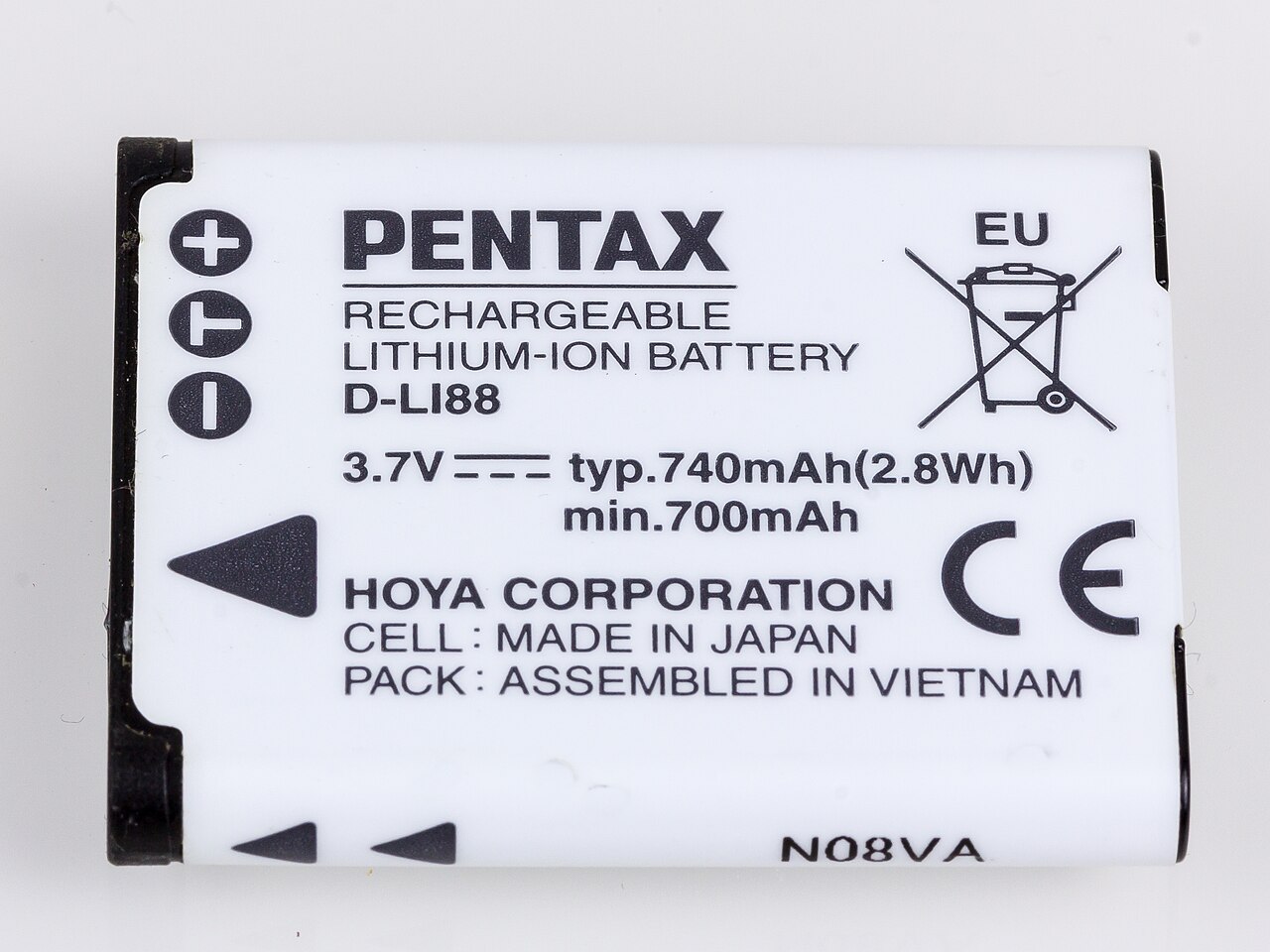
Treat a retired battery as a component that needs qualification, not as a uniformly cheap source of storage.
Start with the intended application
A battery retired from one use may be considered for another with different requirements. The next application defines the evidence needed about performance, condition and safety. A startup should avoid beginning with a large pile of available batteries and only later asking who will use them. The customer requirement should guide collection, screening and integration from the start.
Count usable output
Not every incoming unit will be suitable, and evaluating it has a cost. Measure the proportion that can be used for the chosen application and what happens to the rest. A hypothetical business may obtain inexpensive input but spend heavily on diagnosis, disassembly and handling. The relevant comparison is the cost of a dependable finished system, including rejected material and supporting components.
Qualify the next battery life
Application
Define the new operating requirements.
Screen
Measure suitability and usable yield.
Integrate
Build a traceable supported system.
Operate
Verify performance and total economics.
Keep the history attached
Traceability helps operators understand what was tested and how a system was assembled. Preserve appropriate records through the transition to the new use and define maintenance responsibility. The business should be able to explain limitations without relying on a broad statement that the battery still has life left. Qualification belongs with the specific system and operating conditions.
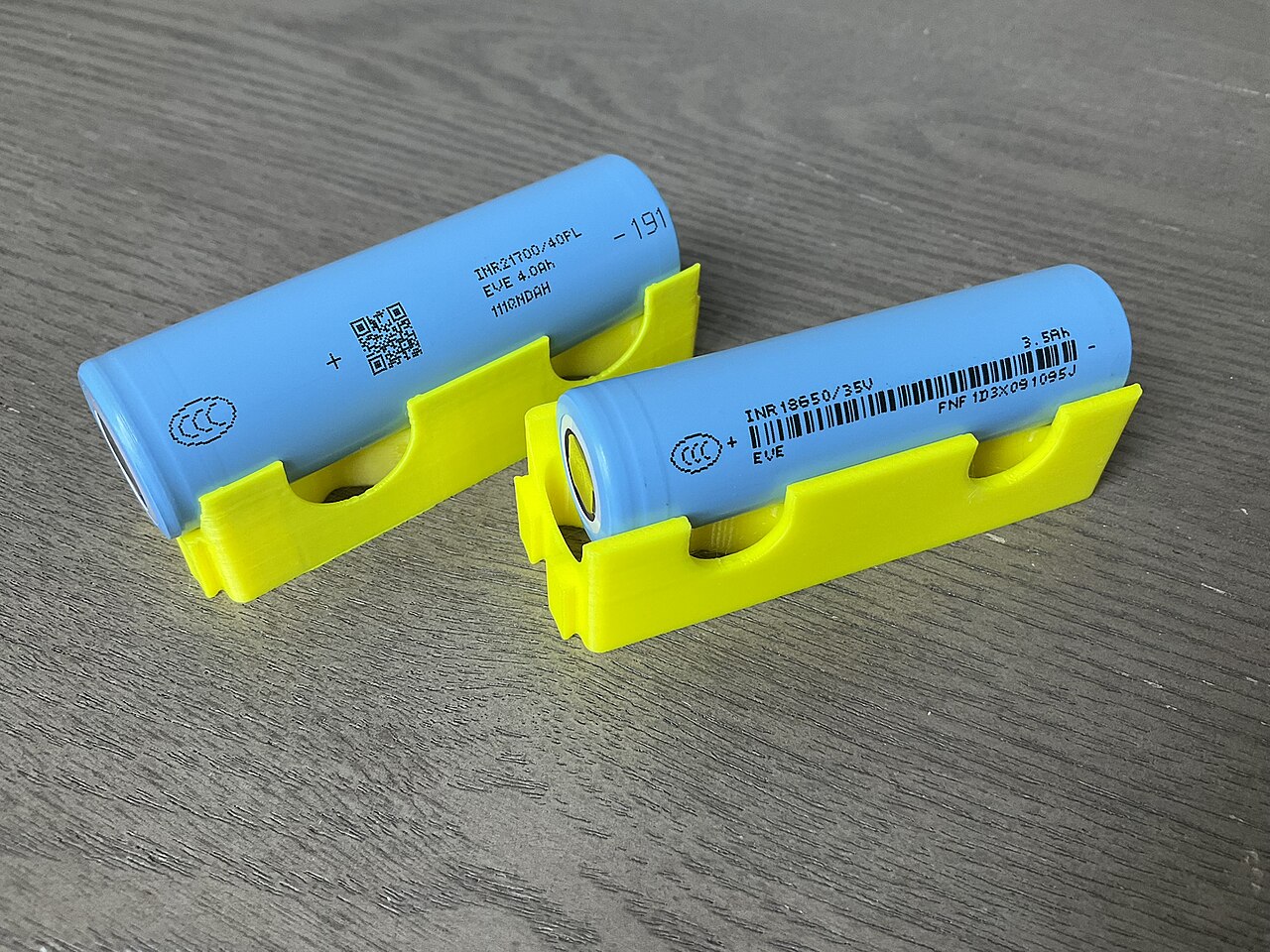
Prove the economics in service
A pilot should measure delivered performance, operating effort and the cost of supporting the installation over time. Environmental claims also need a clear comparison and accounting boundary. Reuse can be a promising route, but the value must be demonstrated in the actual application. Founders should focus on a repeatable supply of suitable batteries and a customer use case that can justify the work needed to prepare them.
Sources
- US Department of Energy — source and reference material ↗ US Department of Energy · Primary source
Have additional information? Request a correction.