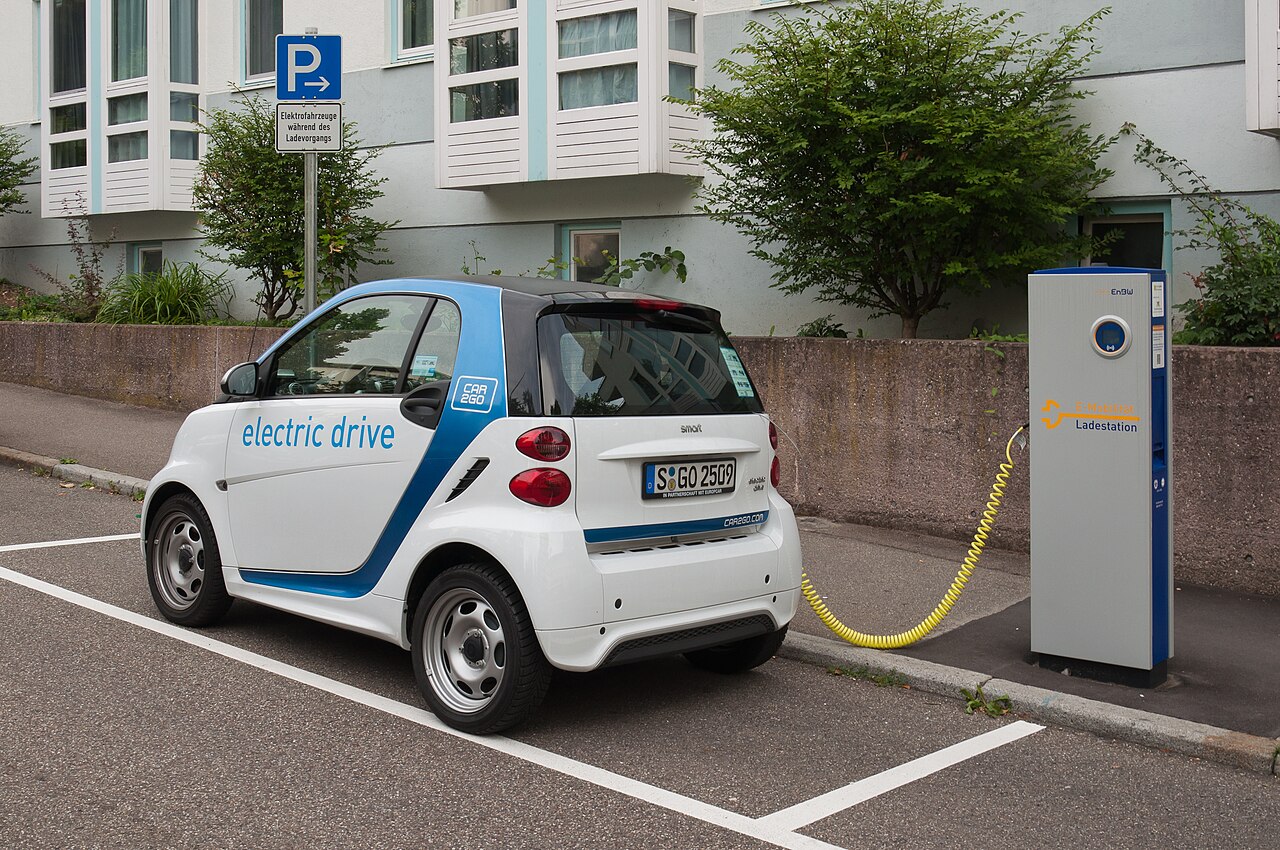
Choose the charging use case first, then size the equipment and service around it.
Define the driver’s reason to stop
A driver charging during a long journey has different needs from one parked at work or at home overnight. Start with expected dwell time, access and the purpose of the visit. A high-power installation is not automatically the best choice for every site. The equipment should fit the pattern of use the location can realistically attract.
Include the whole site cost
Assess electrical work, available capacity, installation, ongoing service and the commercial terms of the location. A hypothetical site with attractive traffic can still be difficult if power upgrades are slow or expensive. Compare expected energy delivered with the complete operating cost rather than treating the hardware purchase as the entire investment. Use local quotes and applicable tariffs rather than a generic industry assumption.
The charging-site business
Use case
Match driver needs and dwell time.
Infrastructure
Understand power and installation costs.
Reliability
Measure completed charging sessions.
Expansion
Add capacity around observed demand.
Measure reliable availability
A listed charger does not help a driver when it cannot complete a session. Track successful starts, interruptions and the time required to resolve faults. Clear pricing and a workable payment experience are part of availability from the customer’s perspective. A site can lose repeat use because the overall visit is unpredictable even when the equipment is technically present.
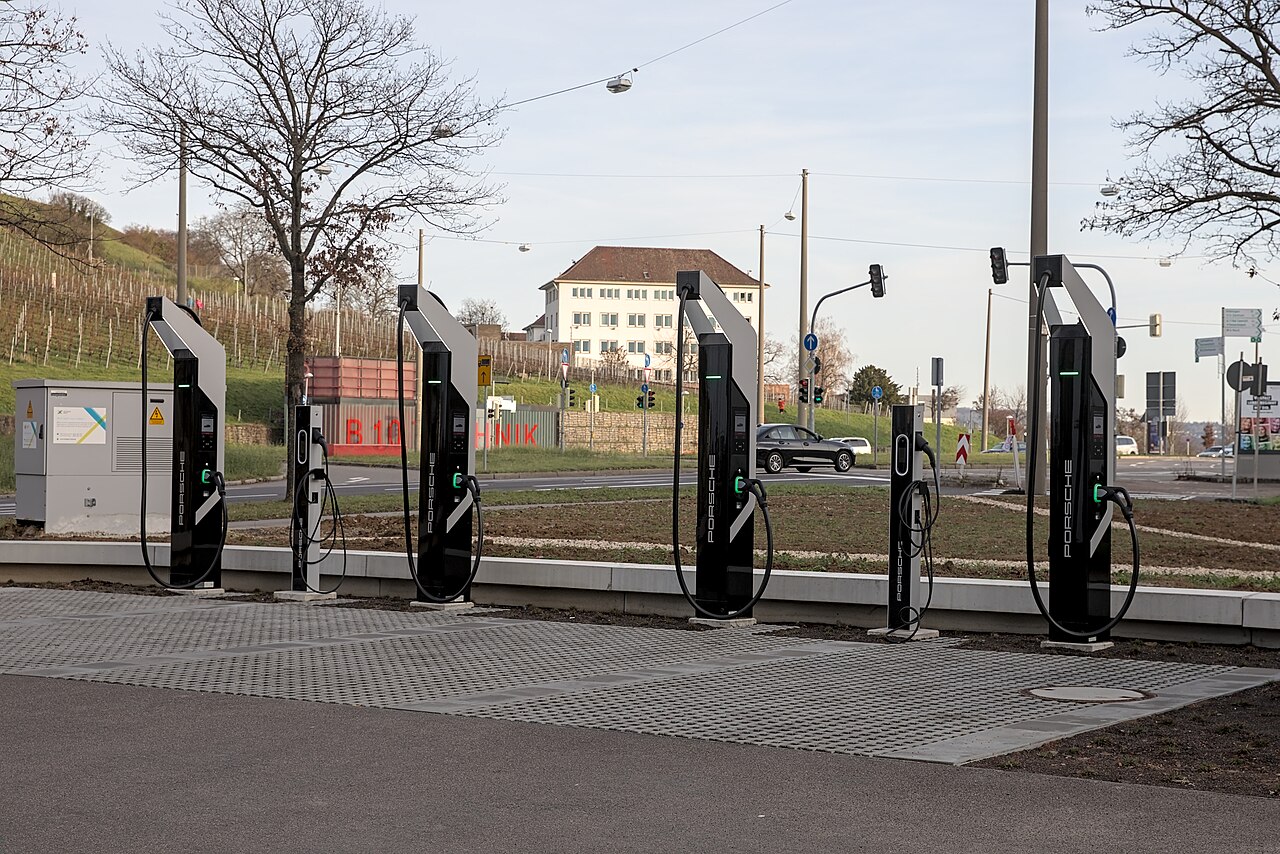
Expand from observed demand
Use an initial operating period to understand when customers arrive, how long they stay and what prevents use. Distinguish demand that is absent from demand that is being lost to reliability or access problems. Add capacity when the evidence supports it and consider whether a different configuration would better serve the site. For founders, the useful unit is a dependable charging visit, not a growing total of installed connectors.
Sources
- US Department of Energy Alternative Fuels Data Center — source and reference material ↗ US Department of Energy Alternative Fuels Data Center · Primary source
Have additional information? Request a correction.