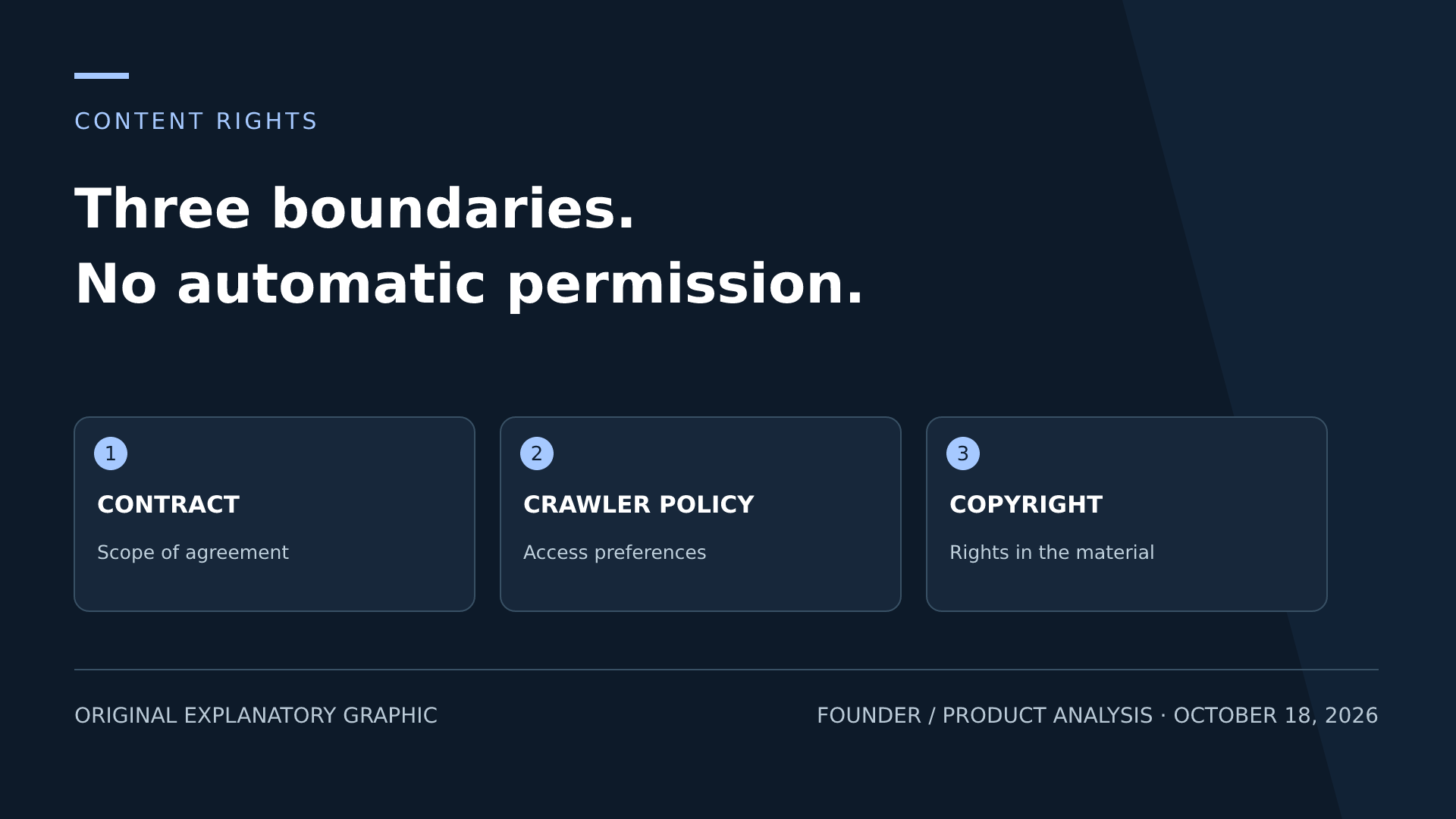
Independent reports describe narrowed wording and a renewed assurance about robots.txt. They do not establish that every disputed permission has disappeared or that AI-training litigation is settled.
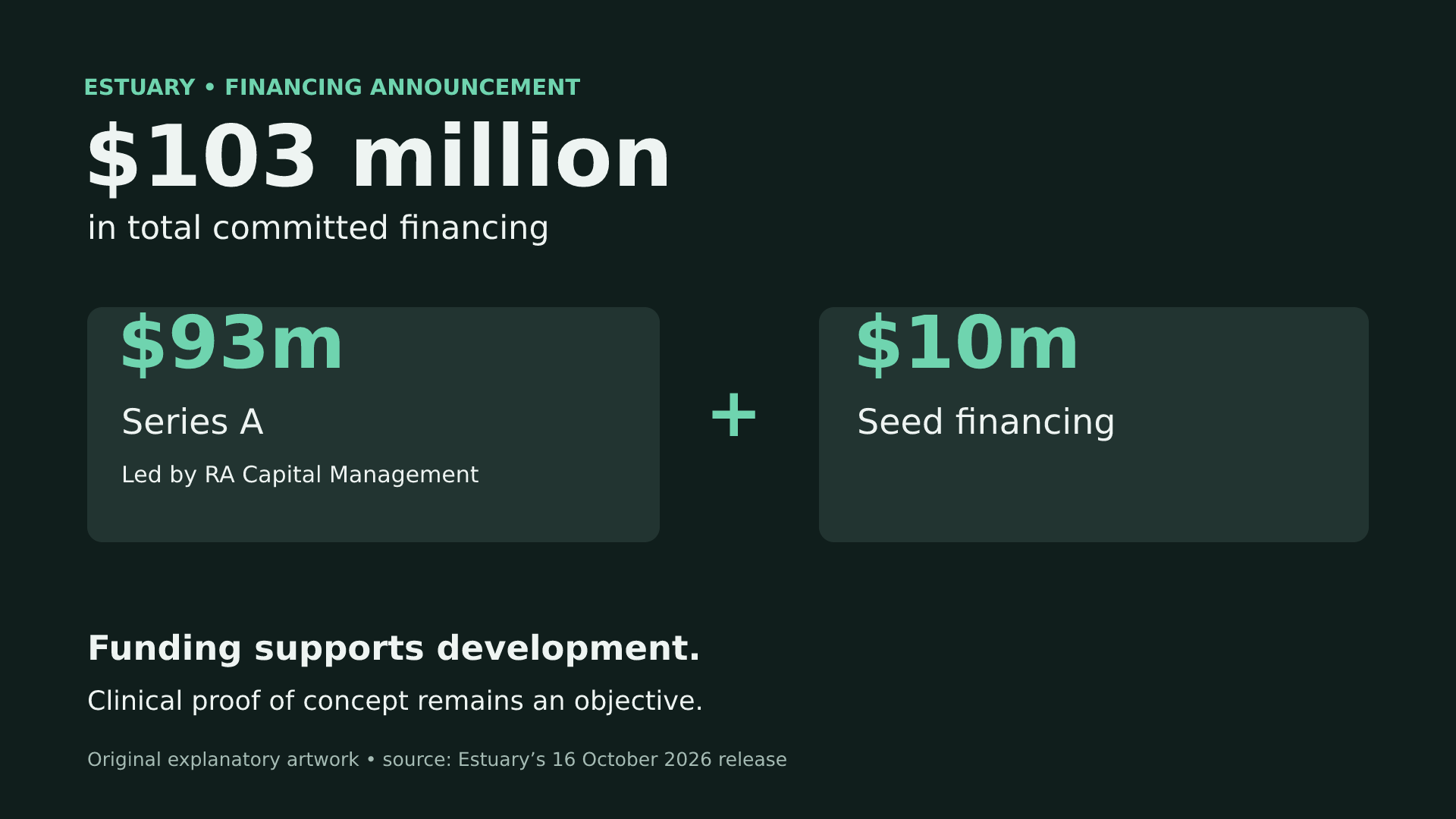
The October 16 launch combines a $93 million Series A with $10 million of seed financing. Its kidney-directed programmes still have to establish clinical proof of concept.
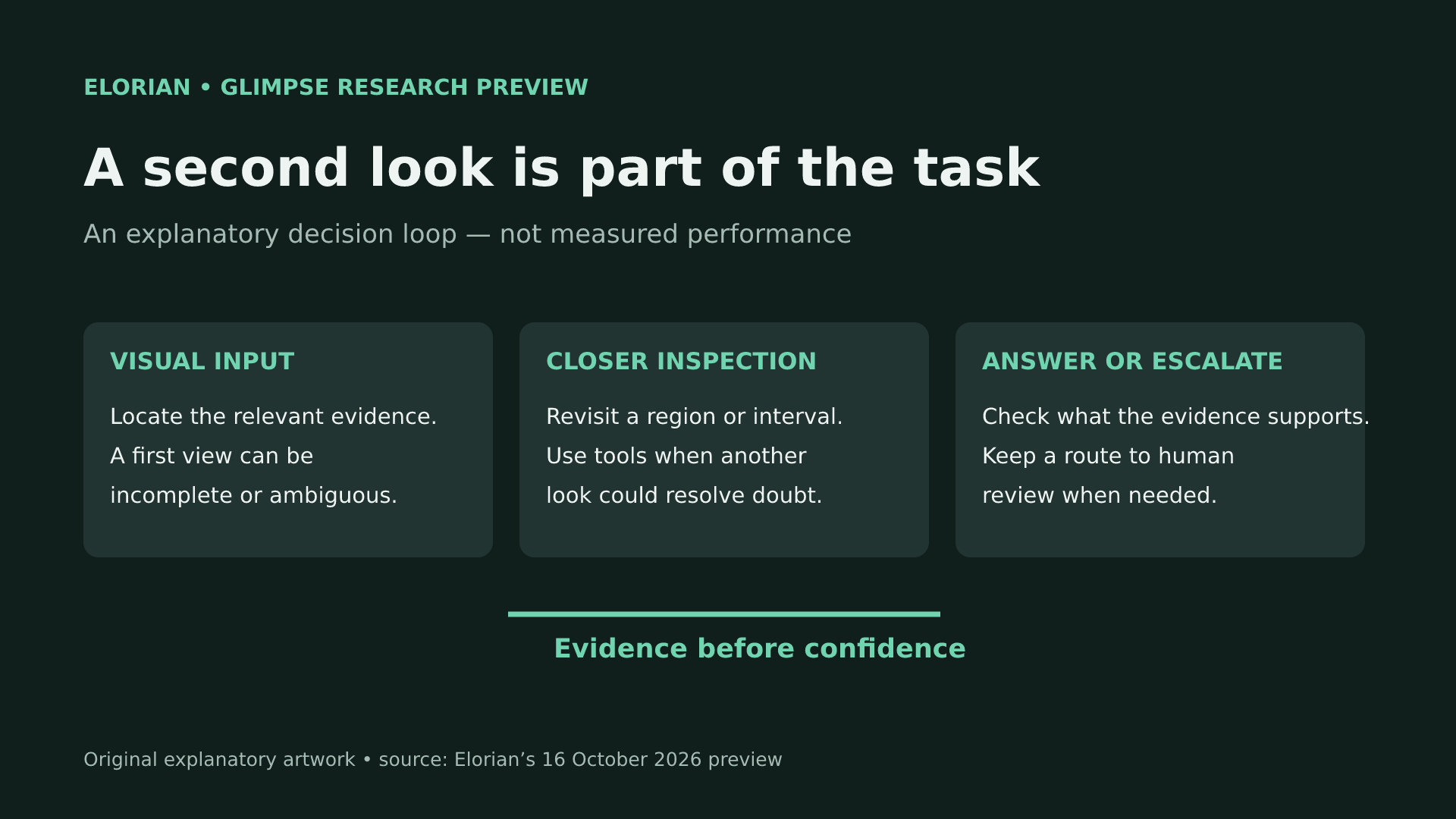
The startup released a visual-reasoning research preview on October 16. Its practical test is whether inspecting evidence again improves decisions enough to justify the extra work.
October 16 guideline changes explicitly address nonconsensual intimate imagery and bait-and-switch features. The implications extend beyond a banned category to how an app is reviewed and operated.
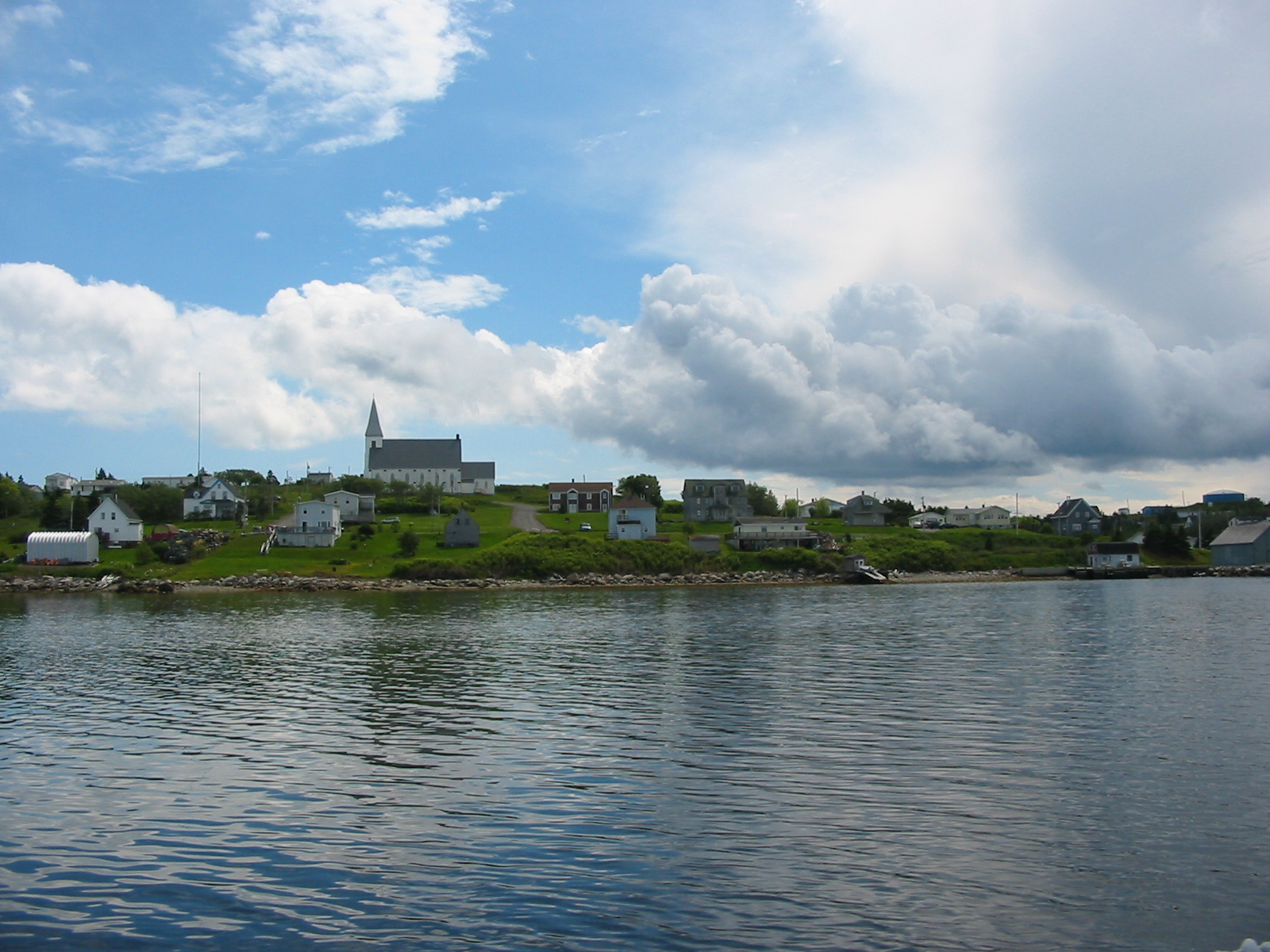
The October 15 decision is a capital-market milestone for the Spaceport Nova Scotia developer. Final exchange approval and the first TSX trading date remain separate steps.
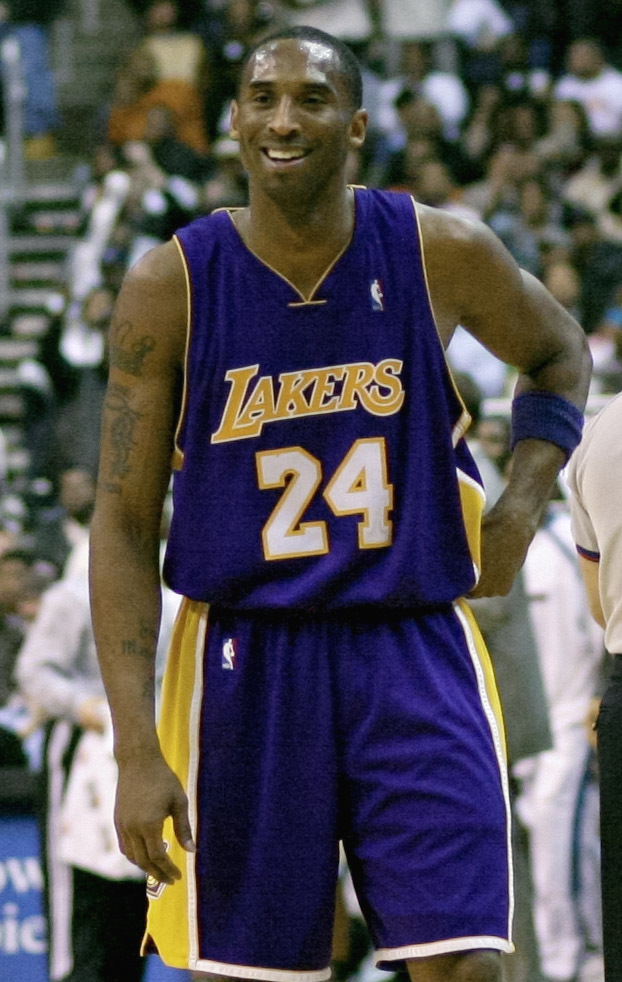
Amazon’s October 14 NBA coverage update introduced camera-array and AI-generated replay views. The product question is how a reconstructed angle should be presented alongside ordinary footage.
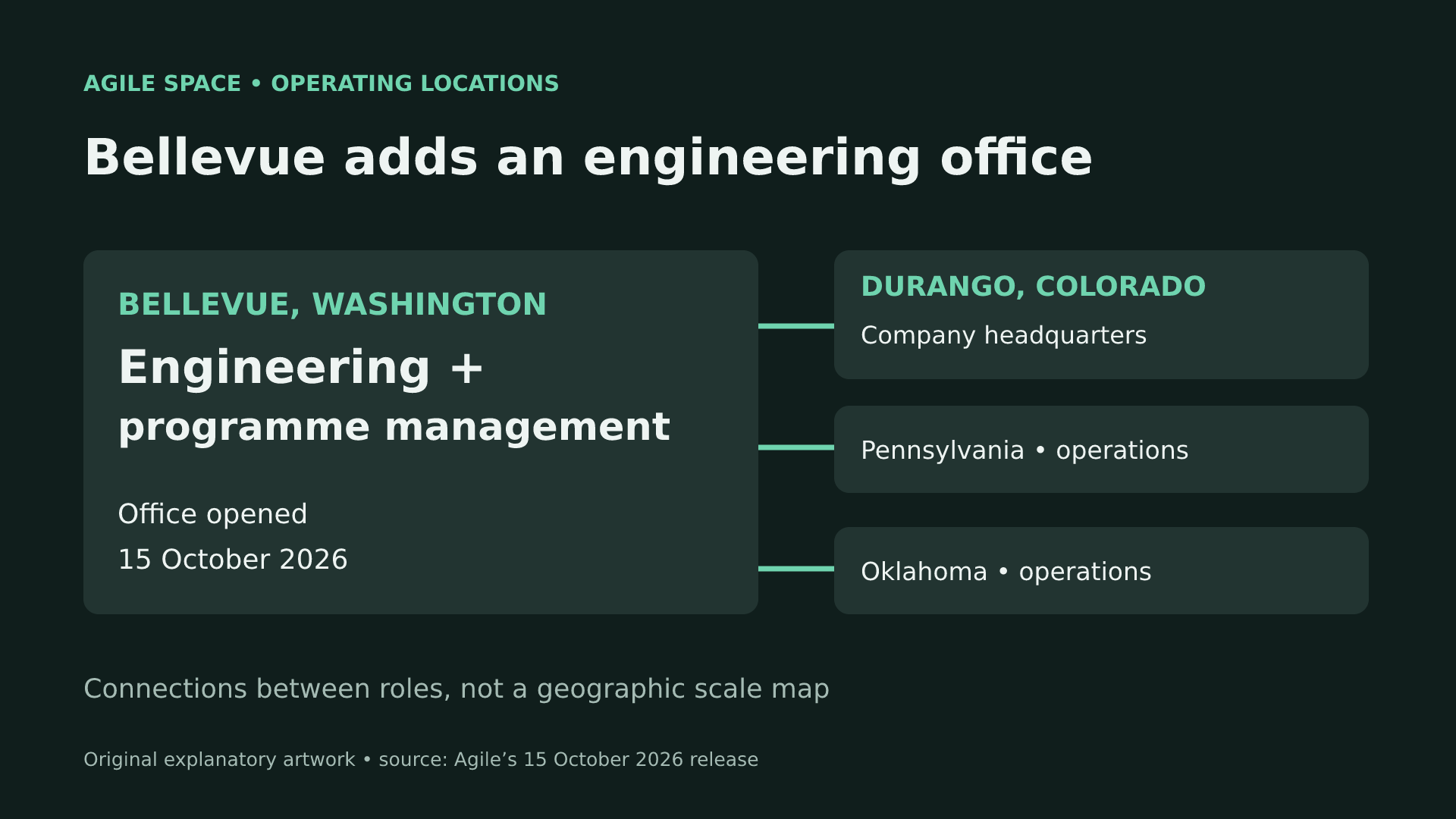
The October 15 expansion adds a Seattle-area base to the propulsion company’s distributed operations. An office opening is real; future team growth and programme delivery are still separate questions.
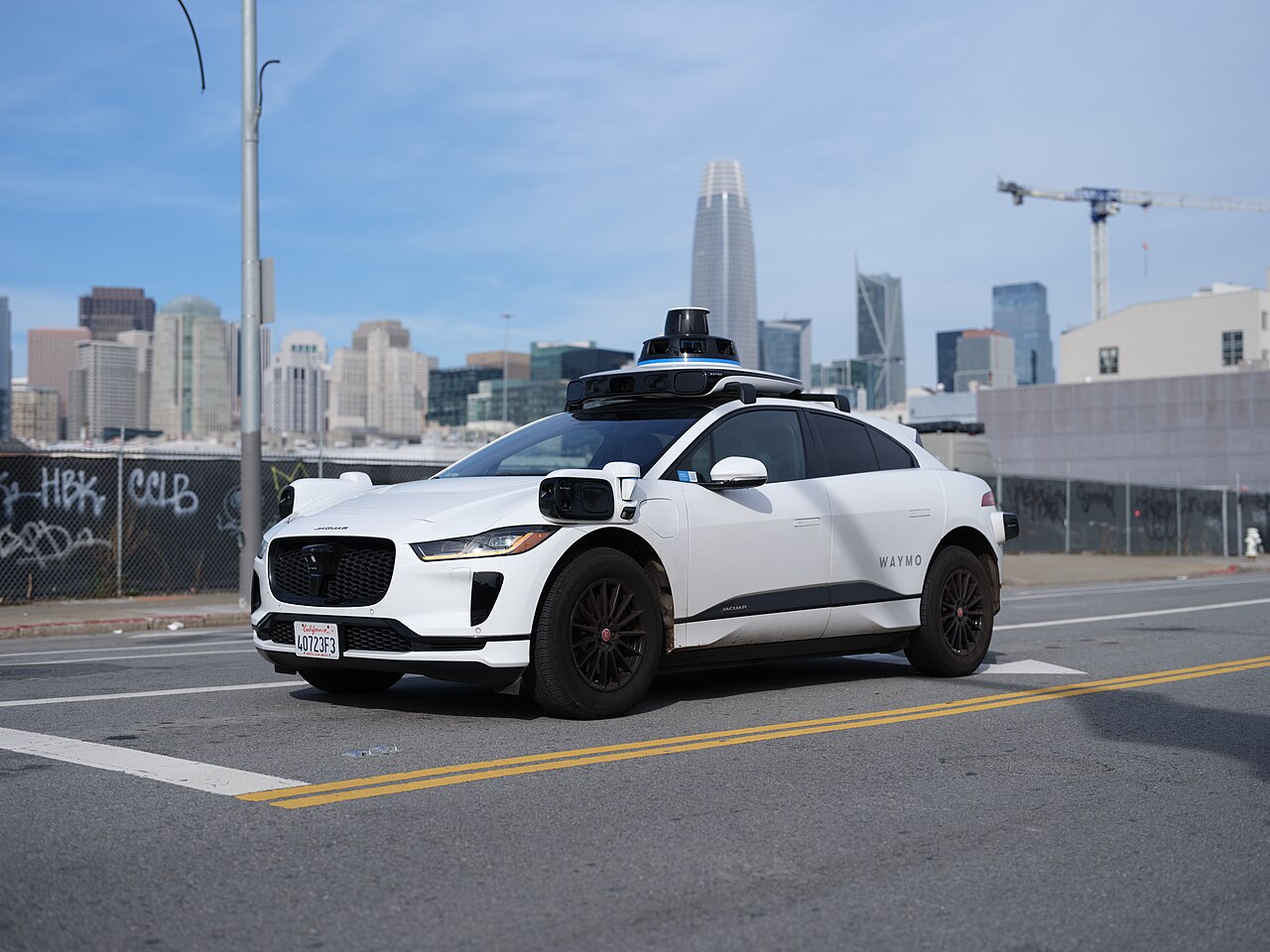
The October 16 plan begins with manual driving, mapping and validation. Element Fleet Management is the operating partner; the announcement is not a Canadian robotaxi launch.
Amazon says the $74.99 Frontier wearable is available now, while the $99.99 Eclipse phone attachment is coming soon. Several integrations sit behind an $11.99 monthly subscription.
The expanded initiative supports adoption, commercialization and ecosystem services. Its programme page warns that application-intake opening dates may differ by region.
An October 13 clinical update describes a patient implanted in May. The company’s reported early reading result does not establish broad efficacy or U.S. approval.
Booking Holdings’ new venture wants to manage trips after the first booking. Its proposed $100 million investment is conditional, and the product remains invite-only.
The Toothsi parent’s new round supports facilities, technology and clinics. Network growth needs a clear boundary between commercial reach and clinical responsibility.
The certification business is expanding its team and geographic reach. Faster administration has value only when the underlying decision remains defensible.
The research spinout is developing tools for drug developers and manufacturers. Its commercial challenge goes beyond producing a persuasive laboratory result.
Workplace meals offer a different marketplace problem from consumer delivery: fewer spontaneous purchases, more coordination, and a buyer who expects accountability.
The company proposes subsidising home repairs while recording skilled work. The business hinges on whether useful demonstrations can be collected with clear boundaries and consent.