SaaS
Entire’s new Git forge asks code review to keep up with AI agents
Thomas Dohmke’s startup introduces Trails, distributed hosting and persistent session context. Its speed claims are not independently benchmarked here.
THE FOUNDERS DESK
Decisions and lessons for people building companies.
26 stories to explore
Thomas Dohmke’s startup introduces Trails, distributed hosting and persistent session context. Its speed claims are not independently benchmarked here.
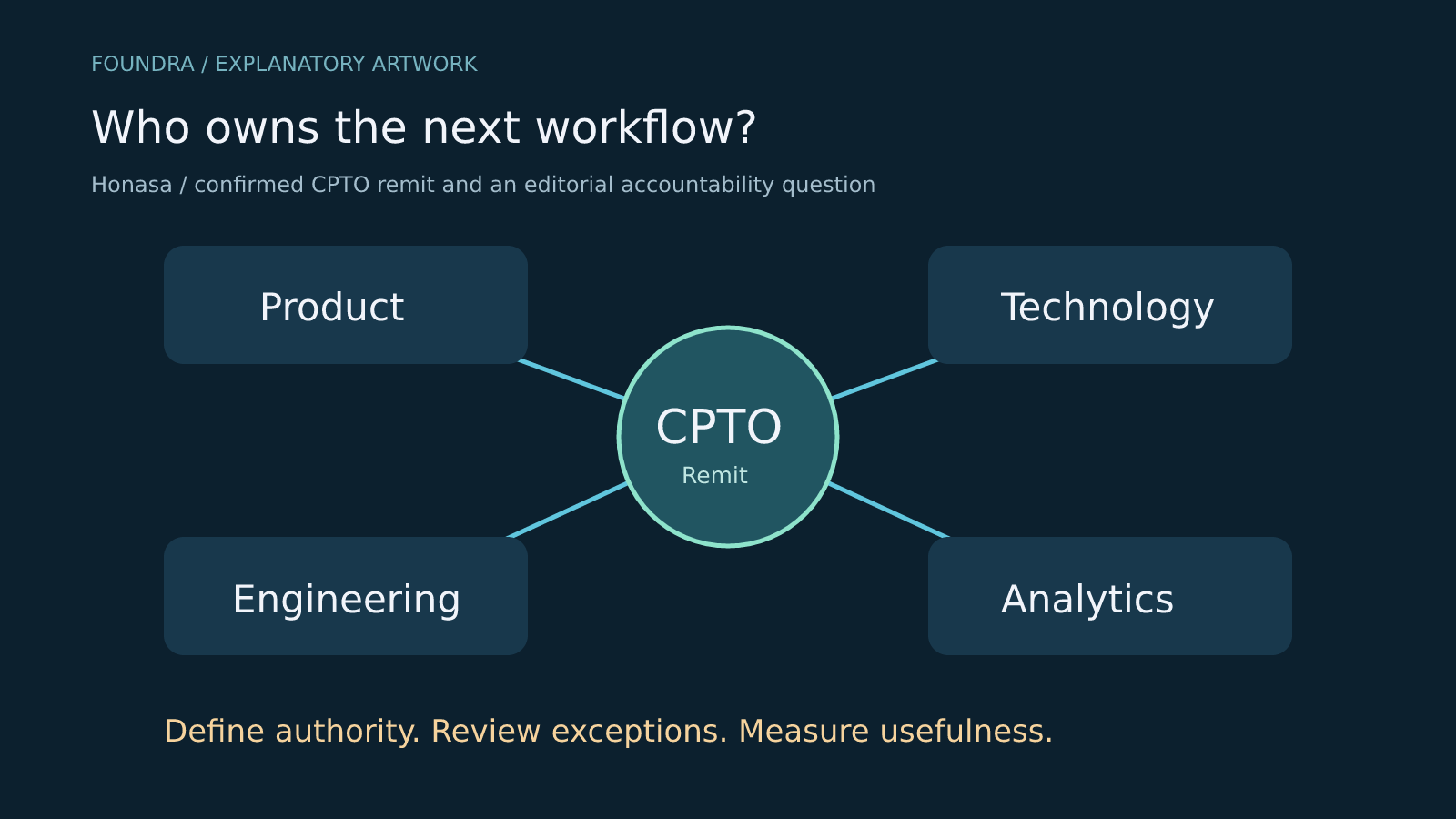
The appointment took effect on October 23. His remit combines product, technology, engineering and analytics as the consumer company builds AI tools and explores agentic workflows.
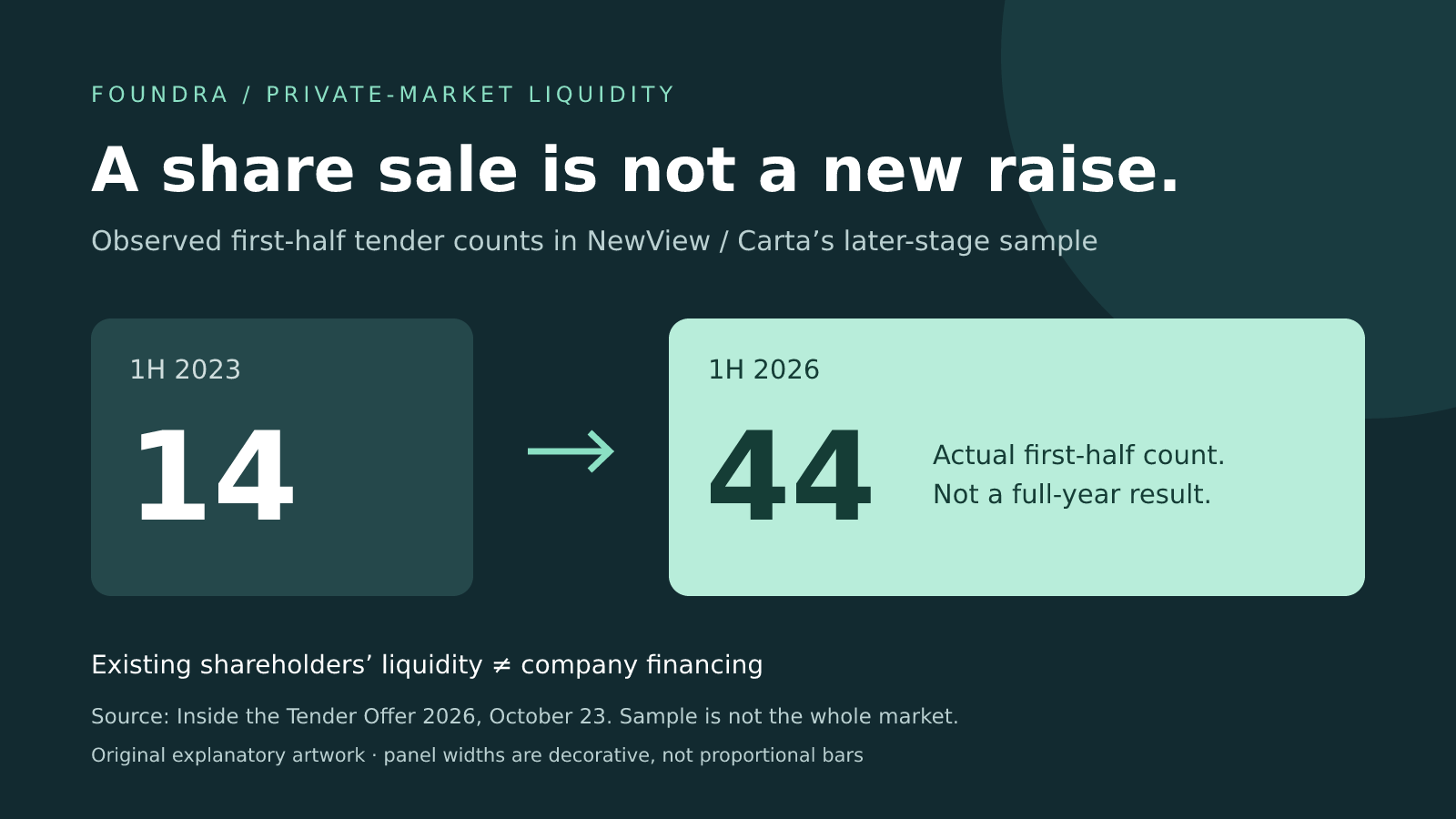
New research describes a recovery in sampled tender offers. Its most useful lesson for founders is to separate recorded activity, employee sale limits and company financing.
Earlybird leads the Series A for AI-assisted frontline workforce operations. Administrative coordination and employment decisions need different controls.
The higher-education initiative funds consortia and innovation capacity, not an automatic cheque for an individual startup. Applications close in January.
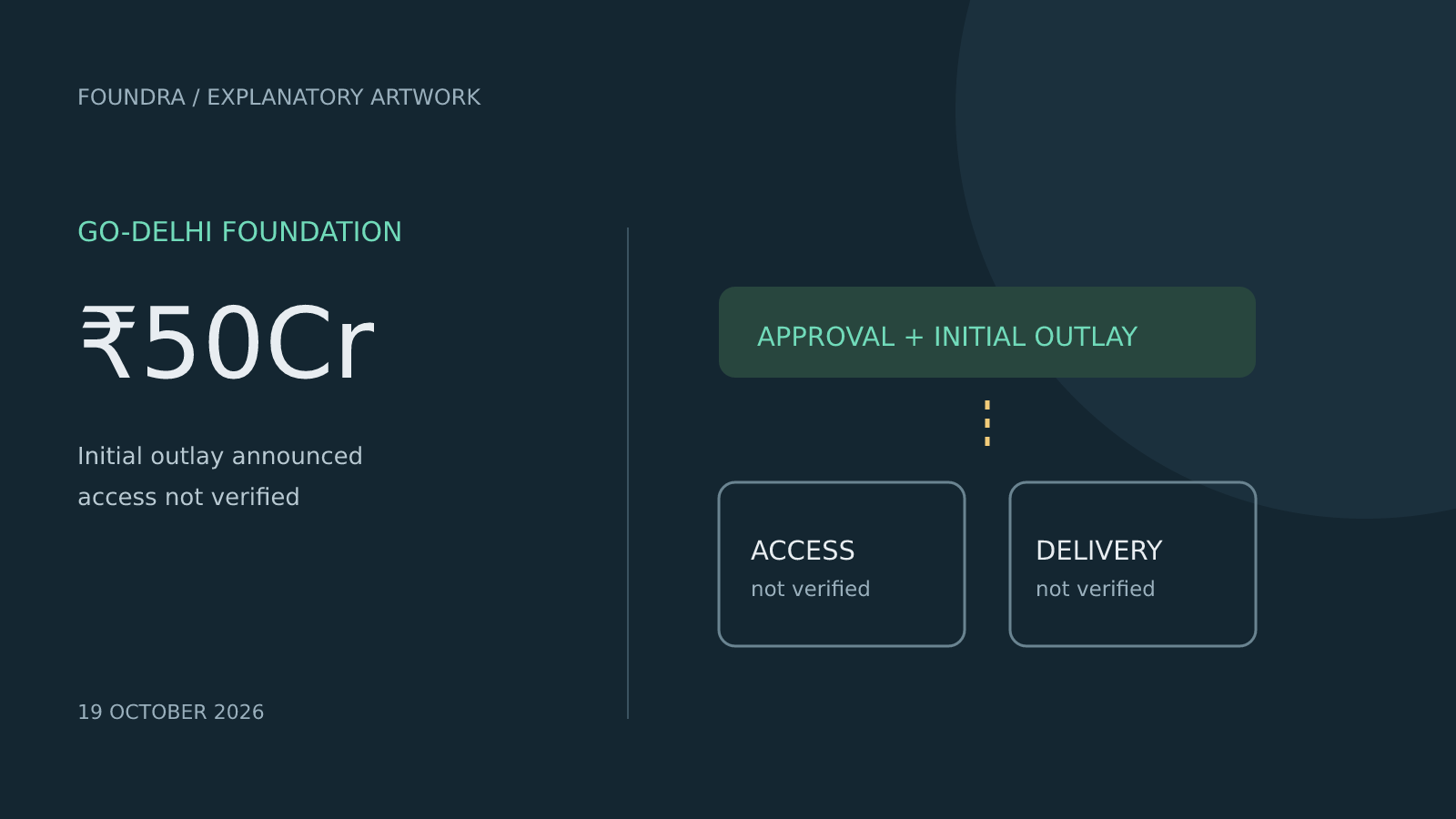
The announced foundation is intended to connect existing facilities and partners for product development and market access. Its approval does not establish an open application process.
The October 15 disclosure backs OG-1 fleet buildout and planned pilots. Wall finishing is the starting point; broader trade coverage and performance claims still need their own evidence.
October 16 guideline changes explicitly address nonconsensual intimate imagery and bait-and-switch features. The implications extend beyond a banned category to how an app is reviewed and operated.
Two October 16 research reports examine employment inside the AI company and differences in expectations outside it. The findings are useful signals, not an economy-wide forecast or a headcount prescription.
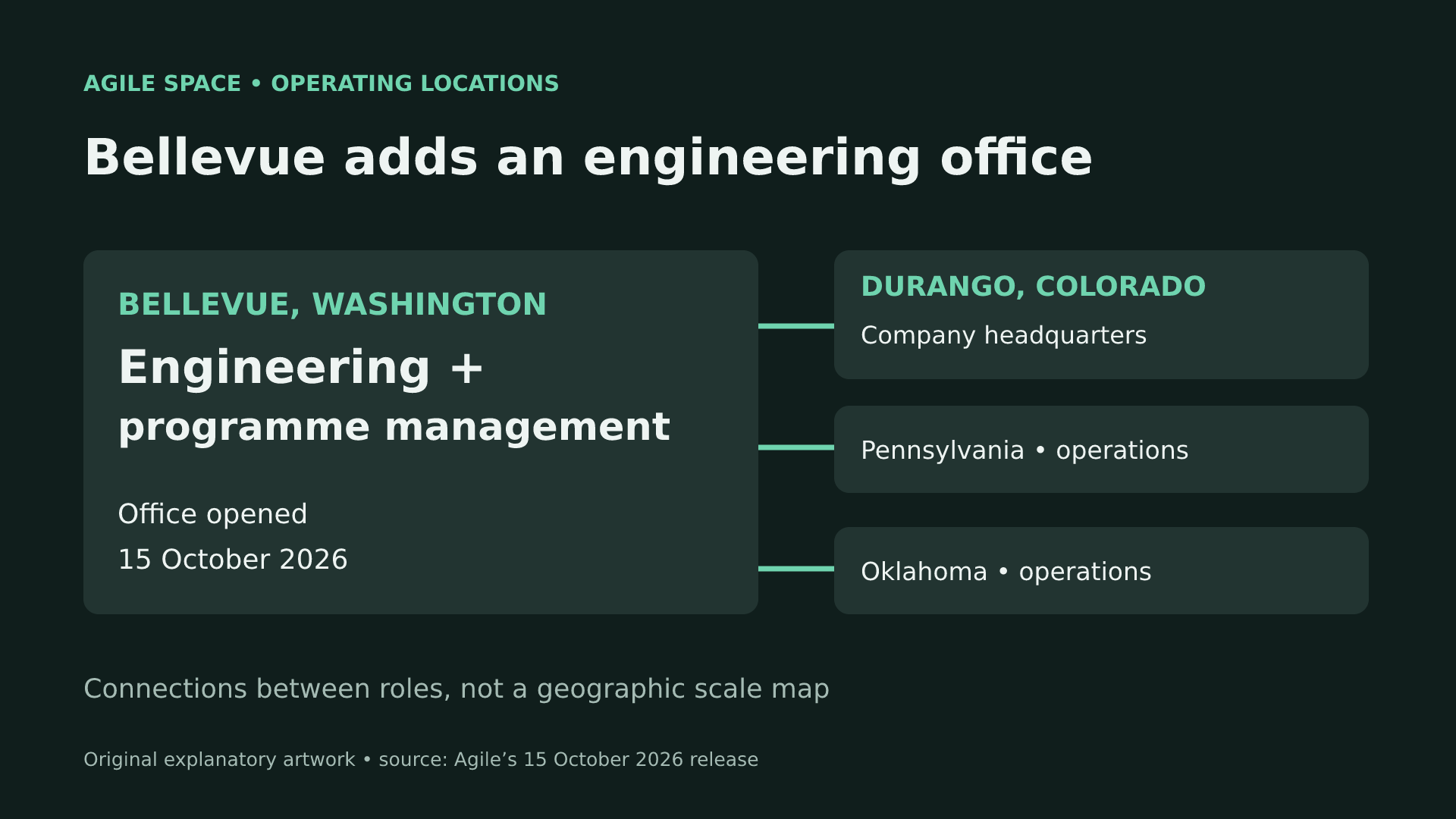
The October 15 expansion adds a Seattle-area base to the propulsion company’s distributed operations. An office opening is real; future team growth and programme delivery are still separate questions.
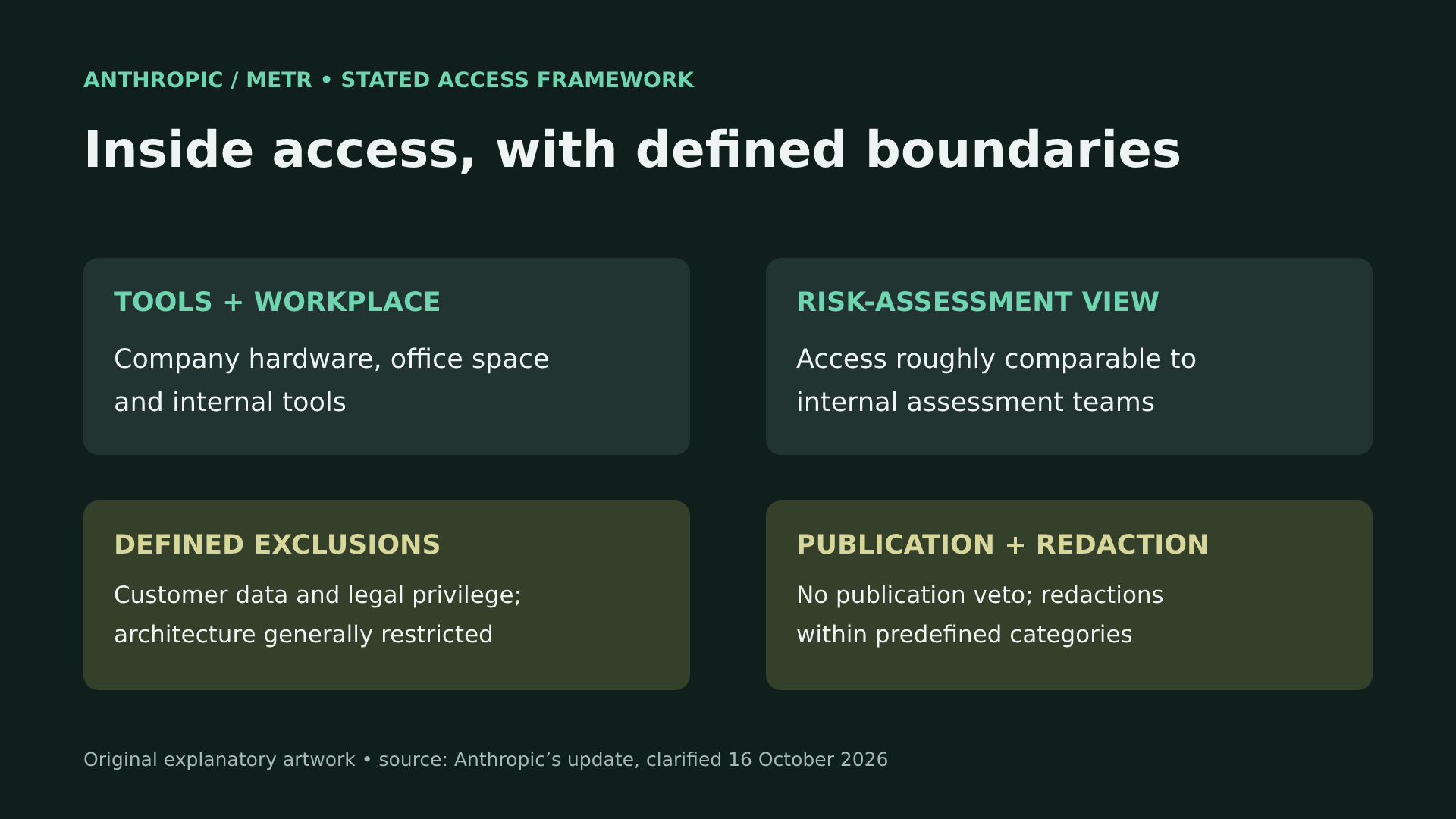
The October 15 evaluator update goes beyond ordinary model access. Its significance depends on both what outsiders can examine and what they can ultimately publish.
The October 15 agreement targets quote-to-revenue workflows for mid-market businesses. The primary announcement does not establish a completed acquisition or disclose a price.
The October 15 announcement supports the Canadian Food Innovation Network. Expected SME support, follow-on investment and jobs are targets—not completed outcomes or cheques to every member.
The October 15 initiative is a community-support programme, not a startup funding round or a claim that models have solved mathematical research.
TechCrunch named the Denver company its October 15 competition winner. The $100,000 prize recognises a startup presentation, not clinical validation or regulatory approval.
The company’s October 14 update says it passed the milestone over the summer and had positive cash flow. It does not provide a full set of audited financial statements.
The expanded initiative supports adoption, commercialization and ecosystem services. Its programme page warns that application-intake opening dates may differ by region.
The Singapore startup combines an AI stack with engineers working alongside customers. The question is whether the resulting capability stays with the enterprise.
Workplace meals offer a different marketplace problem from consumer delivery: fewer spontaneous purchases, more coordination, and a buyer who expects accountability.
A new home-entertainment brand can win attention with its product experience. The harder test starts after the device reaches a customer’s living room.
Public results and machine-checkable proofs make research easier to inspect. For AI product teams, the lesson is to build evidence that customers can examine beyond a polished answer.
An early partner can sharpen a product or pull it into a series of one-off commitments. The difference is in the agreement and the learning plan.
A concrete past event can reveal constraints that a conversation about a proposed feature will miss.
Feature lists can become a queue of promises. A decision-led roadmap explains why the next piece of work deserves scarce time.