AI
DeepSeek opens DeepInfer, but an inference engine is not a hosted service
The newly committed Apache-licensed runtime exposes a consequential slice of DeepSeek’s stack. Its explicit omissions matter as much as its performance claims.
TOPIC
Every Foundra story on AI, newest first.
107 stories to explore
The newly committed Apache-licensed runtime exposes a consequential slice of DeepSeek’s stack. Its explicit omissions matter as much as its performance claims.
A Series A reported on October19 finances Hunar Voice and Hunar Connect, two product routes into recruiting, onboarding and retaining frontline workers.
The Series B finances agent-execution infrastructure. A reading of Daytona’s process interface shows the concrete request and response beneath the agent-cloud proposition.
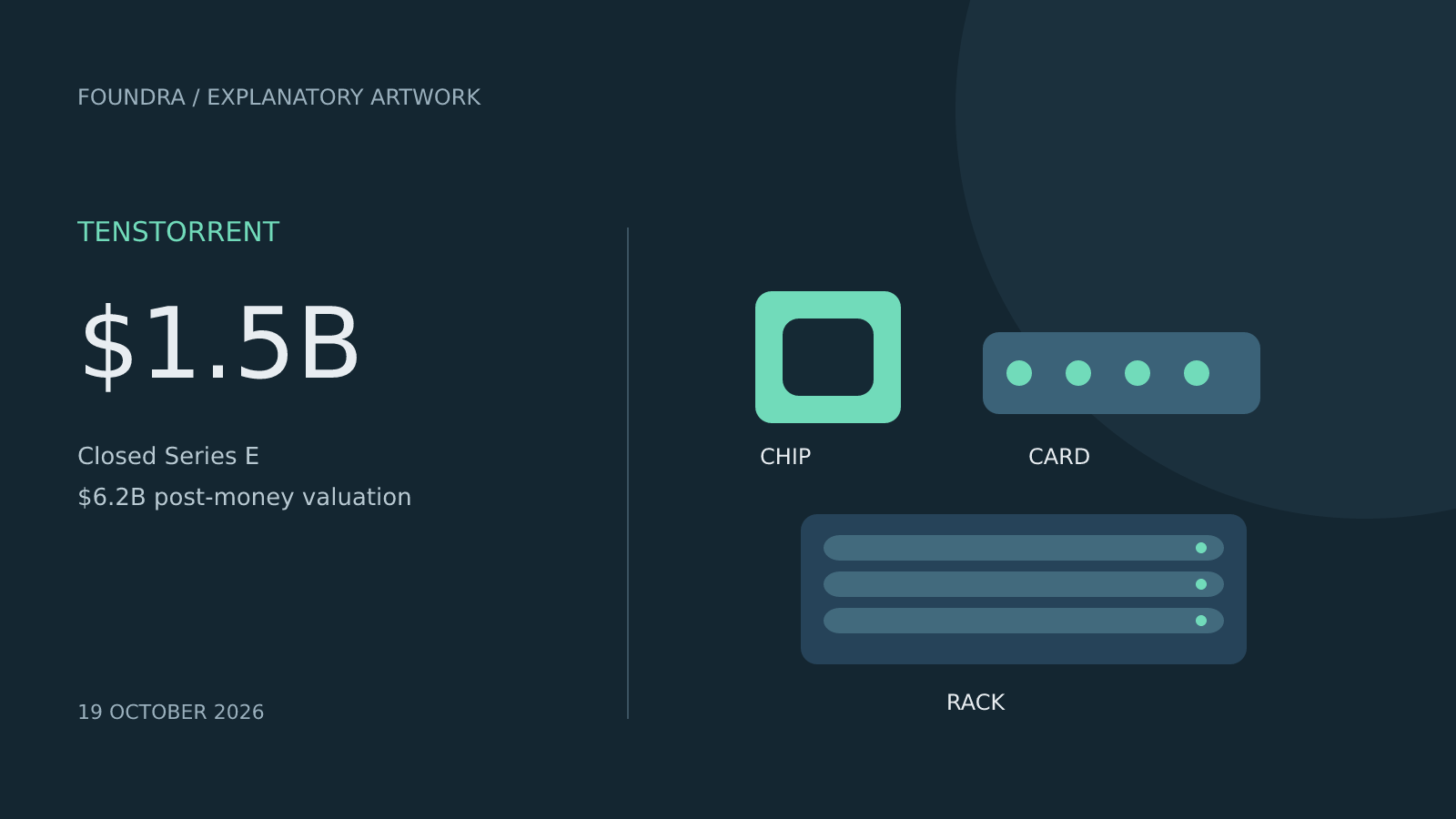
The closed Series E funds a larger manufacturing and deployment phase, not the first delivery of Galaxy servers. Tenstorrent is pursuing complete systems and licensed chip IP in parallel.
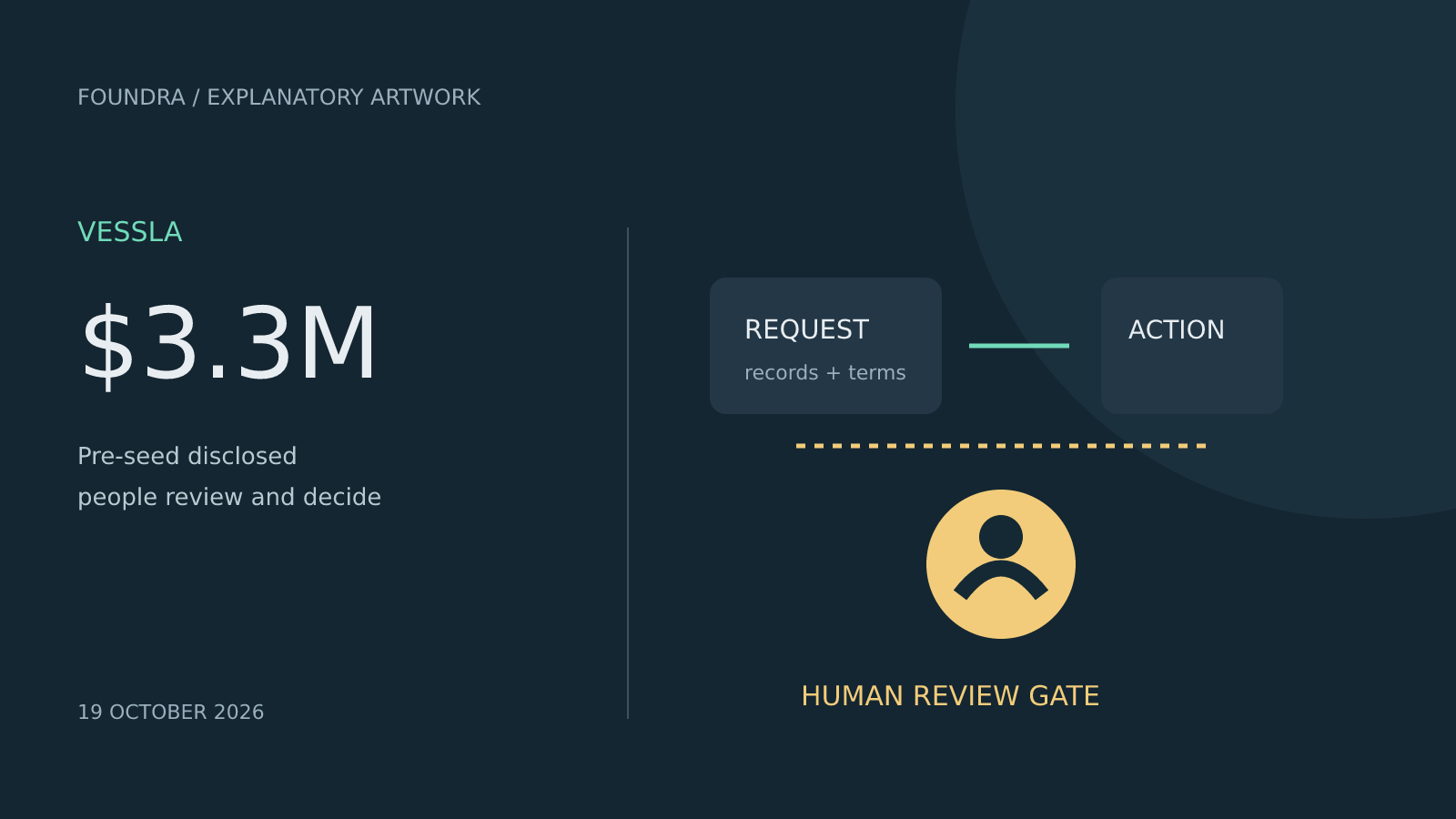
Seedcamp’s investment backs an operating layer spanning existing property systems. Vessla’s disclosed approach assigns execution to agents while retaining human judgement and responsibility.
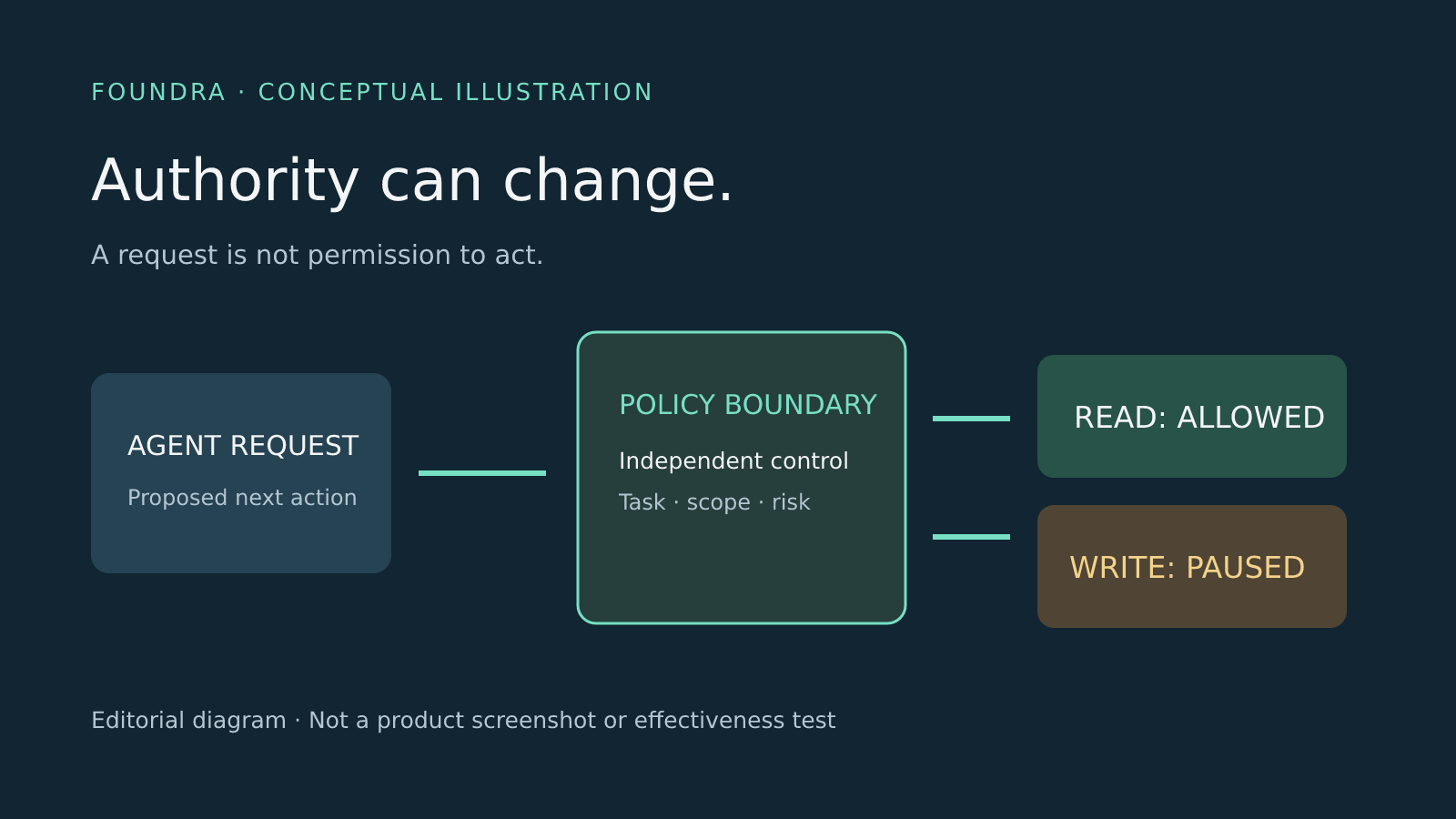
Controls announced on October 19 are in private preview, GeekWire reports, with broader availability planned for Ignite. For enterprise startups, the question is whether workflows can survive a mid-task permission change safely.
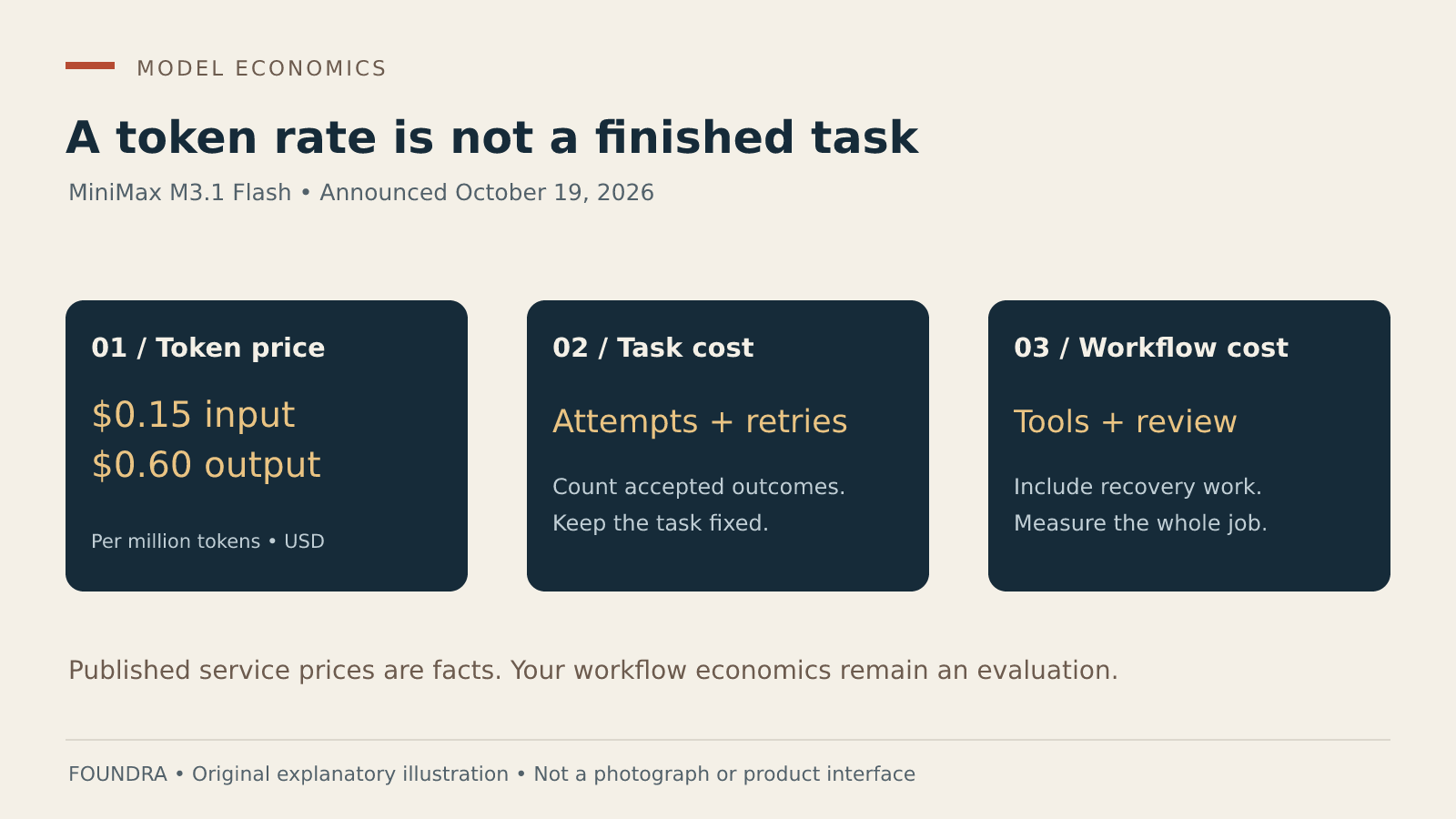
MiniMax’s October 19 release puts a new agent model behind its hosted products. Its published token prices are concrete; claims about faster, cheaper completed work still need workload-specific testing.
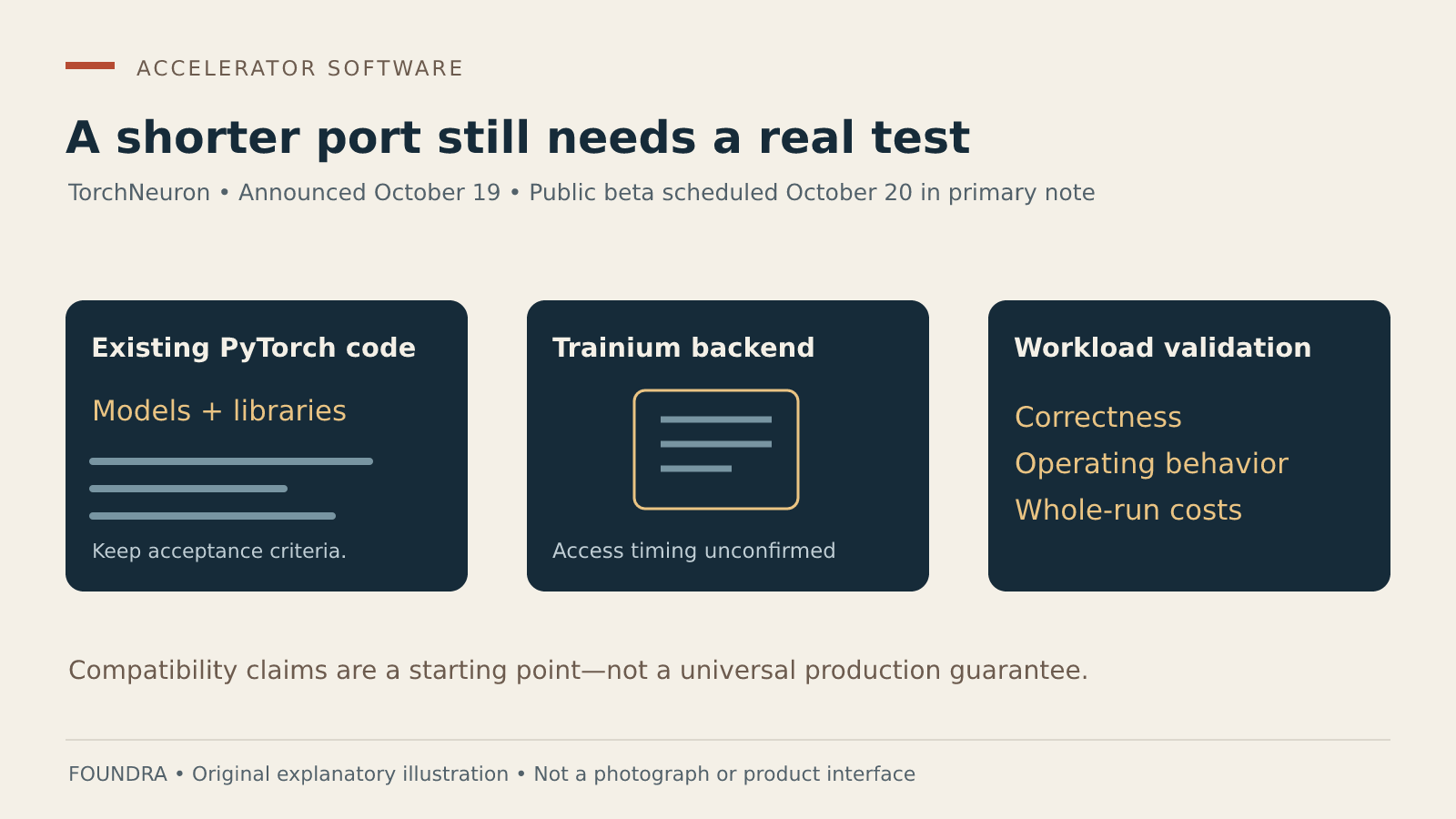
Amazon’s October 19 announcement targets PyTorch code on Trainium. The primary technical note schedules public beta for October 20, while GeekWire reports an opening on October 19. Current access is unconfirmed.
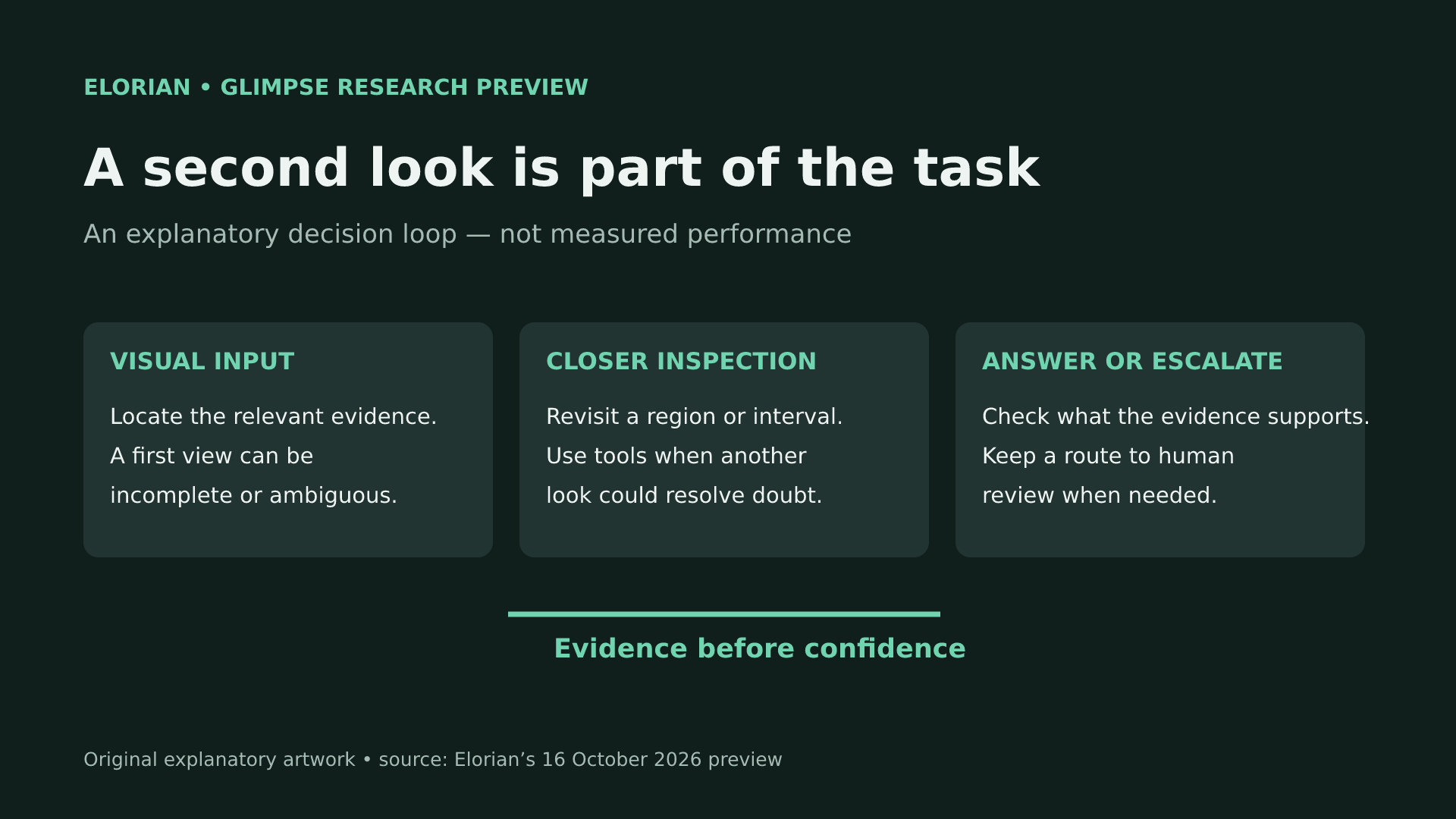
The startup released a visual-reasoning research preview on October 16. Its practical test is whether inspecting evidence again improves decisions enough to justify the extra work.
The October 15 Series B funds a wider cloud, AI and data-spend platform. The important distinction for customers is between identifying a saving and authorising a commitment.
October 16 guideline changes explicitly address nonconsensual intimate imagery and bait-and-switch features. The implications extend beyond a banned category to how an app is reviewed and operated.
The corrected October 15 release funds Cubelets as the company moves toward wider system validation and production readiness. Its density and power benefits remain engineering propositions to prove.
Two October 16 research reports examine employment inside the AI company and differences in expectations outside it. The findings are useful signals, not an economy-wide forecast or a headcount prescription.
Amazon’s October 14 NBA coverage update introduced camera-array and AI-generated replay views. The product question is how a reconstructed angle should be presented alongside ordinary footage.
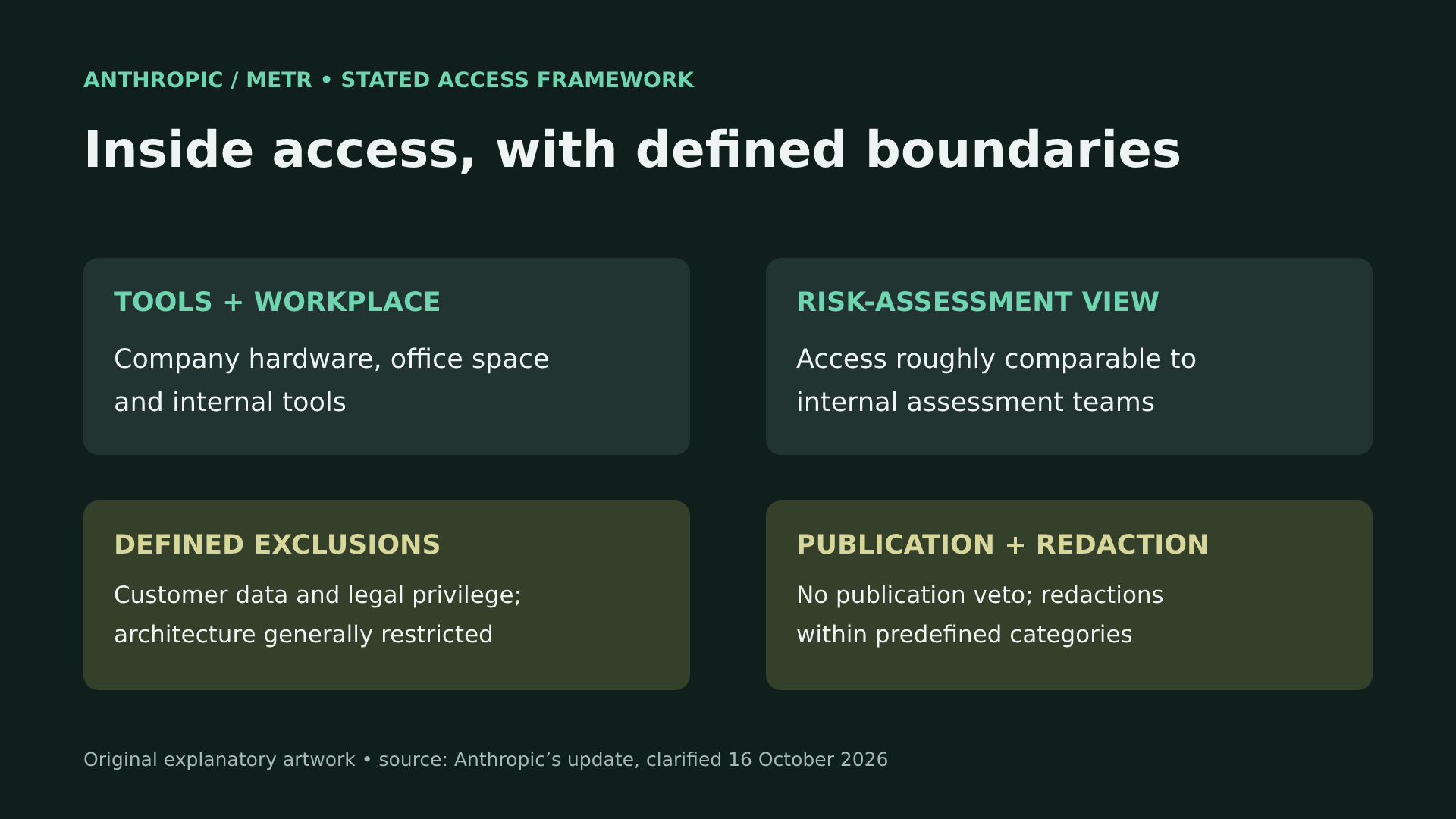
The October 15 evaluator update goes beyond ordinary model access. Its significance depends on both what outsiders can examine and what they can ultimately publish.
The proposed combination would create Cohere Cyber and expand the company’s Prague presence. It is not evidence of a completed acquisition or an invulnerable AI platform.
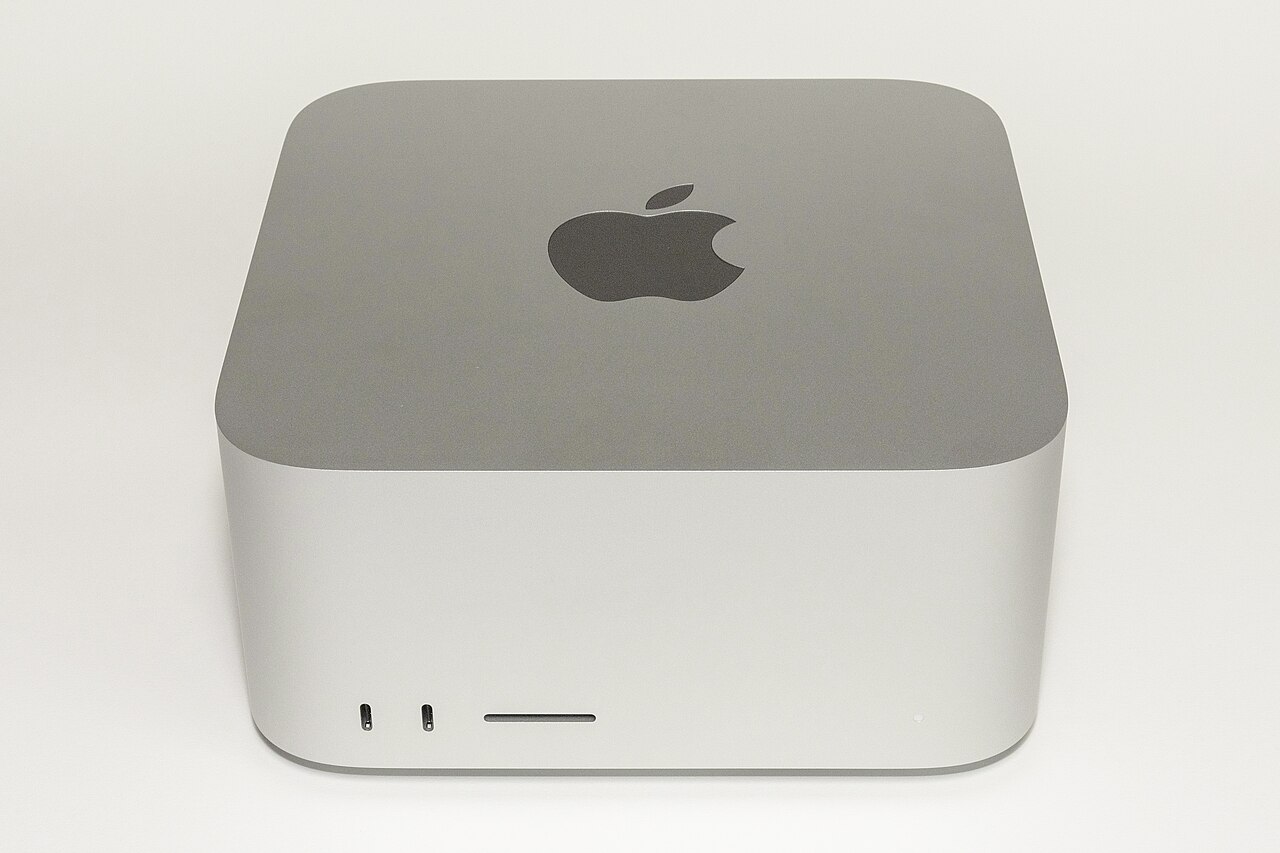
Meta’s October 15 release describes an 816-billion-parameter model running on two M5 Ultra Mac Studios. Open weights do not remove hardware requirements or commercial licence terms.
The October 15 rollout spans Search and Gemini. Saving items across shops is not the same as merging the shops, their obligations or every checkout.
The October 14 meeting-recorder release builds on an earlier Cohere relationship. On-device processing depends on the selected setup and does not settle recording consent.
The October 15 initiative is a community-support programme, not a startup funding round or a claim that models have solved mathematical research.
The Oslo startup is an engineering firm of record with AI inside its delivery system. Its reported contracted revenue is not the same thing as completed, recognised revenue.
The proposed backing spans biological AI, infrastructure planning and quantum error correction. The announcement does not disclose a cheque size for each company.
The October 15 announcement spans technical inception, early scaling and growth capital. Each named fund has a different route into the AI and deeptech market.
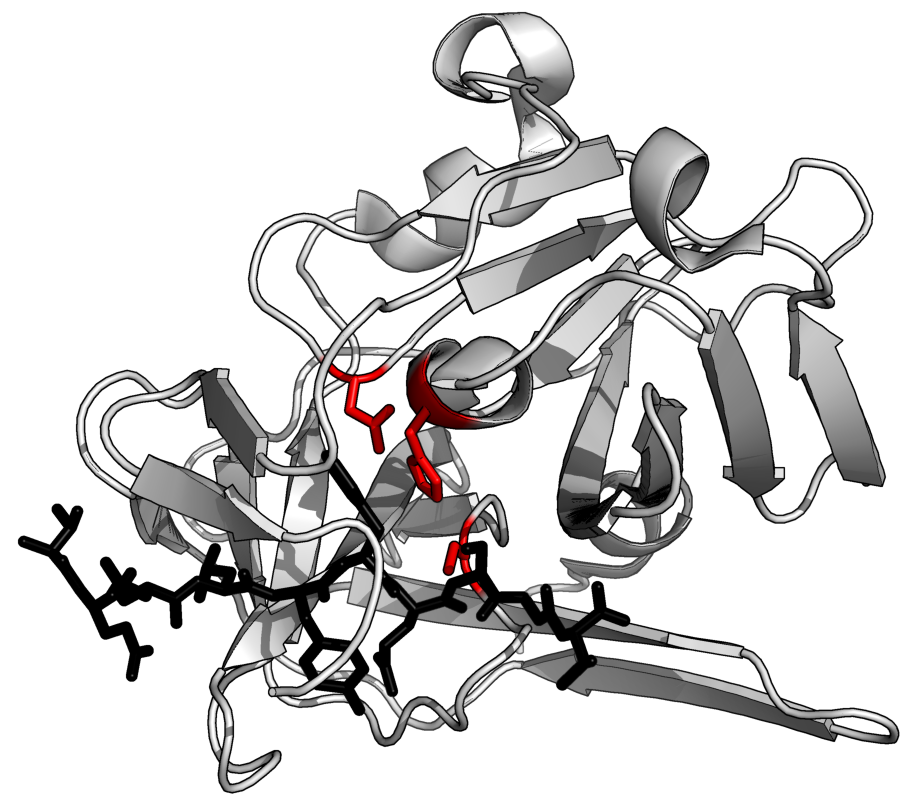
The October 14 papers use cysteine and zinc-based catalytic sites. Their public abstracts describe active designs, structural evidence and selected targets—not demonstrated patient treatments.