Underwriting automation needs a traceable chain from source information to authorized decisions, not only faster processing.
More underwriting work is not automatically better risk
Kalepa's $75 million Series B puts fresh capital behind a demanding enterprise-software proposition: using AI across insurance work without letting speed erase judgment. The company announced the round on November 5 at a stated $470 million valuation, with Updata Partners leading and IA Ventures and Inspired Capital participating. Kalepa says its total funding is now $91 million.
The company describes its product as coordinating workflows across operations, underwriting, pricing and portfolio management. It also reports customer performance improvements and says it has been cash-flow positive for more than two years. Those are company claims, not independently audited findings established by Foundra. The financing can be reported without converting the accompanying sales case into proven performance.
The analytical question is unusually sharp in insurance. Software can help a team process more work, but a larger volume of decisions does not by itself establish that the decisions select better risks. The value of the system would need to be judged on both execution and decision quality, with enough context to separate its effect from changes elsewhere in the business.
Follow one decision across the workflow
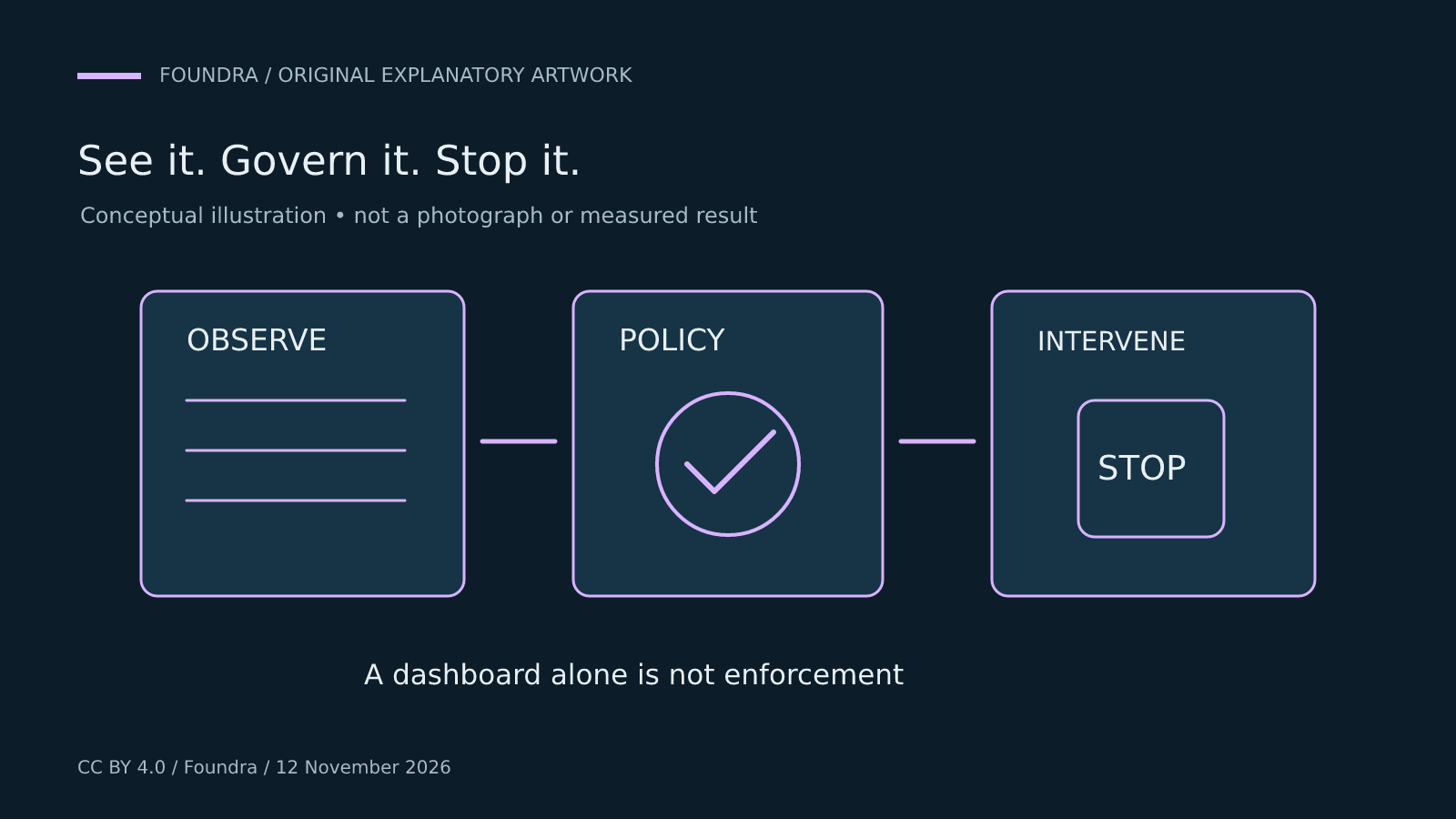
Imagine an underwriting team using software to assemble information, prepare an assessment and route it for approval. This is an illustrative example, not an observation of a Kalepa deployment. A useful system would need to preserve the relationship between the source information, the analysis produced and the action ultimately authorized.
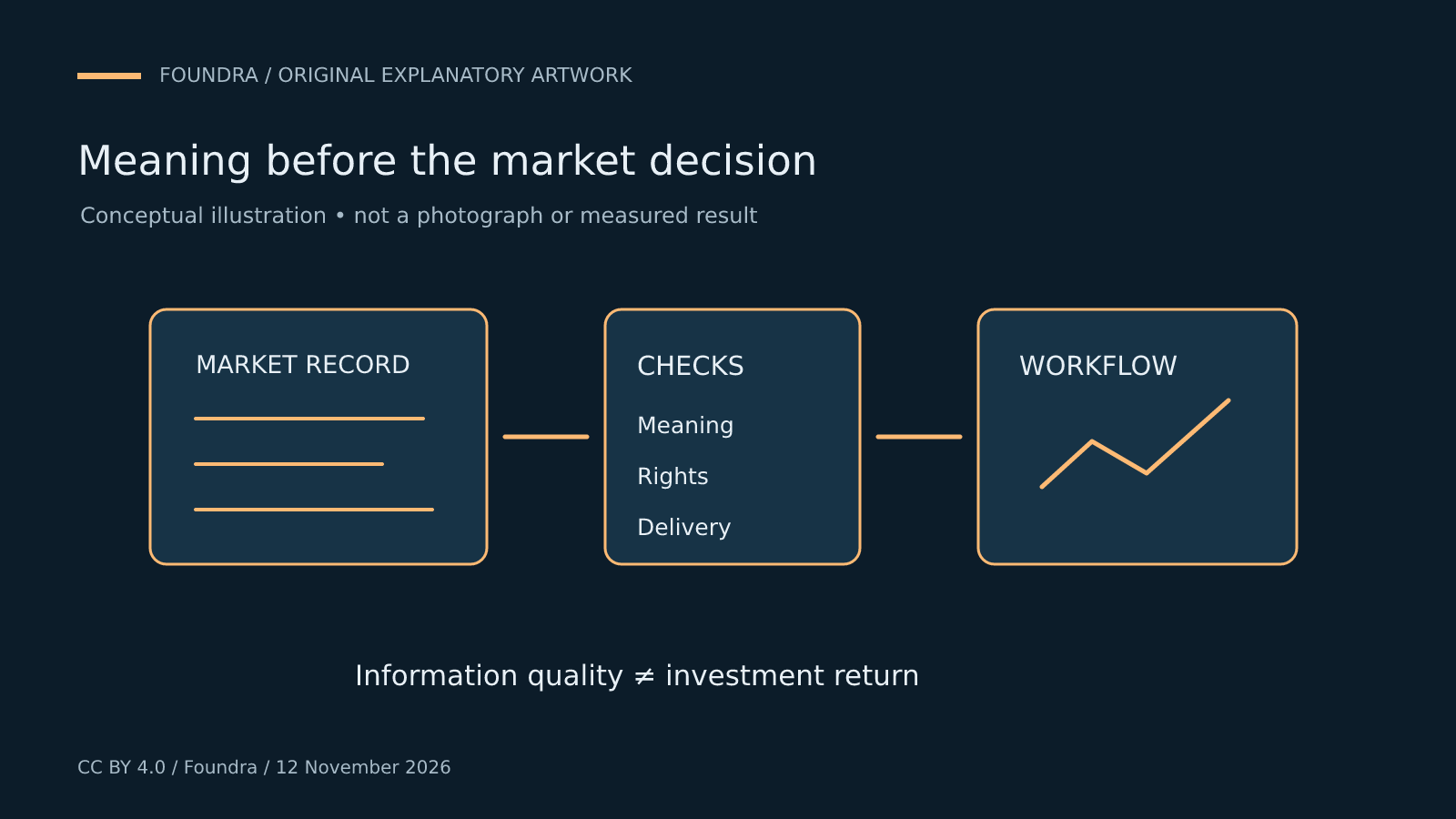
A polished summary could save time while still concealing an important omission. A complete set of inputs could also be interpreted incorrectly. Checking only whether the workflow reached the final screen would miss both problems. An evaluation therefore needs to inspect the evidence supporting the decision, not just whether the automation completed its sequence.
Kalepa says its product adjusts autonomy to the task and its risk and involves teams where expertise or approval is needed. Those design claims are relevant to this evaluation, but they are not substitutes for an insurer verifying how permissions and review behave in its own environment.
The point is not that every step must remain manual. It is that the boundary between preparation and authorization needs to be explicit. Different tasks could reasonably have different controls. A routine information lookup and a decision that changes the terms offered to a customer should not be assumed to need identical safeguards.
Two dimensions of underwriting software value
Execution
Can the workflow complete the intended task with the right information?
Decision quality
Are conclusions supported and appropriate? Speed alone does not establish this.
Responsibility
Can the insurer trace inputs and control the action that follows?
Customer metrics need a comparison that can bear weight
The release includes reported gains in productivity and underwriting-related outcomes. Foundra does not reproduce those percentages as established product effects. To interpret them responsibly, readers would need to know who was measured, over what period, against which baseline and alongside what other changes.
For example, an increase in work completed per employee could reflect software, a different mix of submissions, revised staffing or several factors together. That is a general causal caution, not an alternative explanation asserted about Kalepa's customers. Without a suitable comparison, a before-and-after change cannot identify the contribution of one product.
Product value and company value are different measures
The same discipline applies to the company's reported growth and cash-flow status. They help describe management's account of the business, but they do not disclose a complete financial picture. A funding announcement is not an audited set of accounts, and a valuation is not a measurement of customer benefit.
For an enterprise buyer, this suggests asking for evidence that mirrors the intended deployment. A narrowly tested administrative task may not establish readiness for a connected workflow involving pricing or portfolio decisions. Testing should follow the work being delegated rather than the breadth of a marketing label.
Capital buys time to establish the operating model
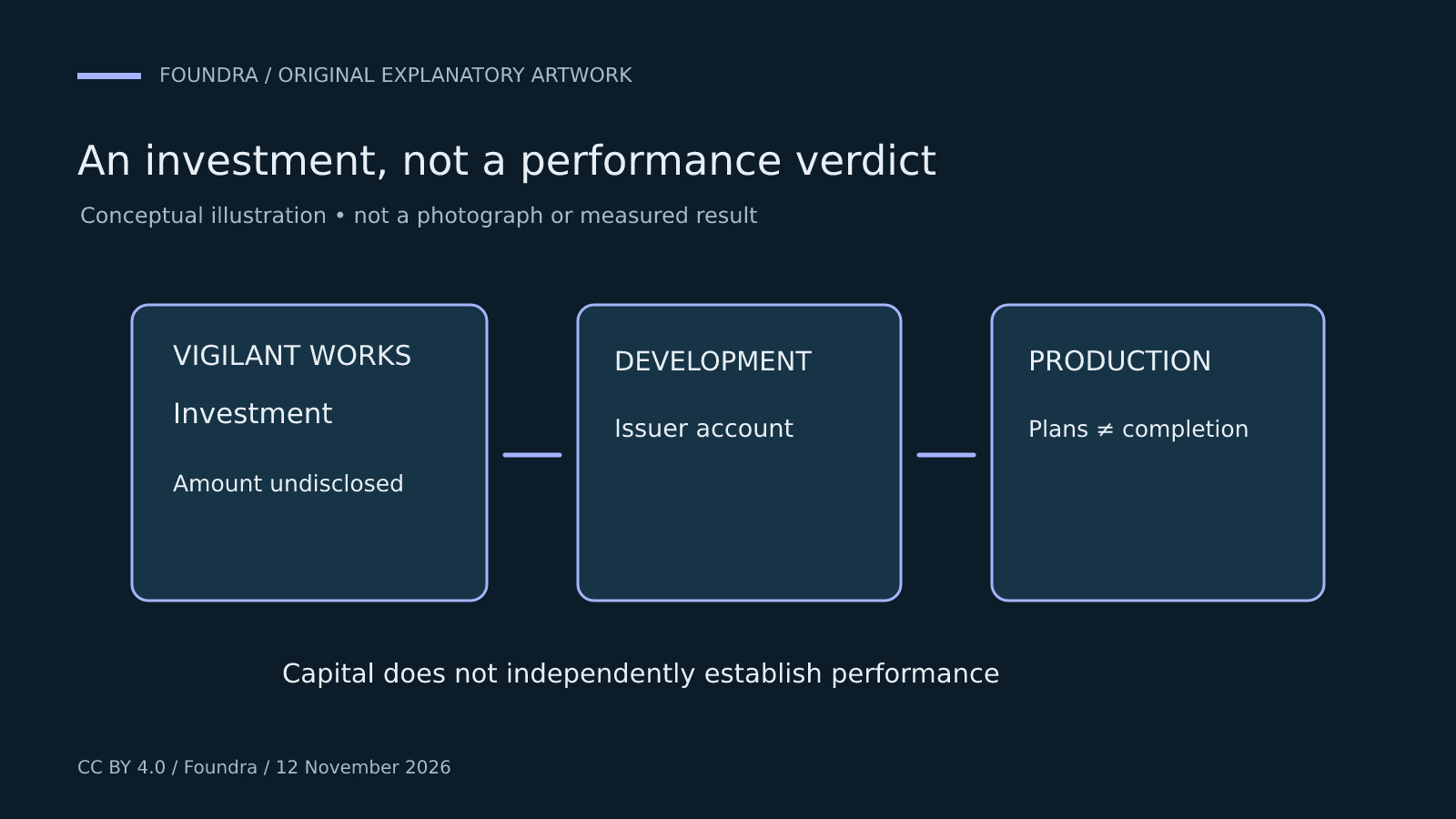
Kalepa says the new funding will expand its product suite, support entry into new markets and help double headcount in 2027. Those are planned uses of the round. The announcement does not establish that the hiring or expansion has already occurred.
The financing is consequential because it gives an insurance-focused AI company resources to pursue a broader workflow role. The real enterprise test remains specific: can a customer trace what the software used, understand what it produced and control what happens next? Faster processing will be valuable only if the insurer can retain that chain of responsibility as the volume of work increases.
Sources
- Kalepa: Series B company announcement ↗ Kalepa: Series B company announcement · Primary source
Have additional information? Request a correction.