An architecture, customer qualification and repeatable production are separate achievements.
A less visible AI component
AI infrastructure is often discussed through processors and the buildings that house them. Photon Bridge’s new financing points to a smaller component whose manufacturing could matter to the same systems: the laser sources used in optical connections.
The Eindhoven company announced on October 21, 2026 that it had raised €10 million. Its primary announcement names the Amadeus APEX Technology Fund and 360 Capital as co-leads, alongside additional investment from existing backers. Tech.eu also reported the financing. The announcement is a completed-round disclosure; the manufacturing milestones described alongside it remain future plans.
Photon Bridge says it combines and multiplexes light from lower-power semiconductor lasers rather than relying on a smaller number of increasingly powerful sources. It presents the architecture as a way to make production more scalable. The company expects first samples in 2027 and is preparing for volume manufacturing from 2028. Neither date should be read as evidence of present commercial-scale supply.
The distinction between an architecture and a supply chain is central to this story. A design can be attractive in principle and still take time to qualify, package and reproduce. The funding supports that journey. It does not establish that manufacturing yield has been demonstrated at the volumes the company ultimately hopes to serve.
What is being scaled?
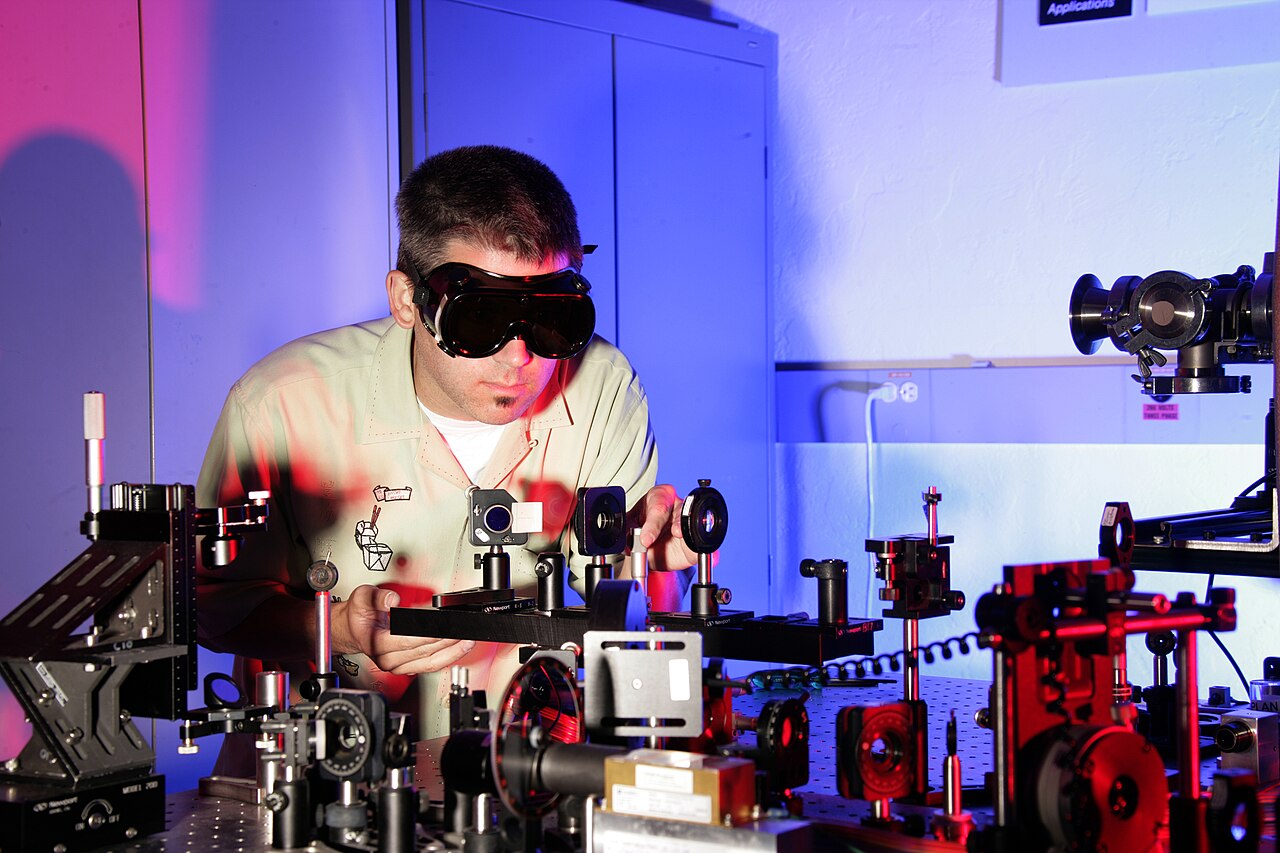
At a simple level, an optical link requires light that can carry information. The engineering problem becomes more complicated when a system must supply many links reliably. Producing a working laser is not identical to producing a repeatable source that meets a customer’s requirements, integrates with other components and remains usable over its intended operating life.
Photon Bridge’s press release frames its approach around that production challenge. The proposed use of multiple lower-power sources is a company-described design choice, not an independently established advantage over every competing architecture. Its merit would depend on the full system, including the additional components required to combine and route the light.
This is a useful counterweight to thinking about component startups solely through a peak specification. An impressive output figure can answer one question while leaving others open. How many acceptable units can be produced? How consistent are they? What testing does each unit require? What happens when a buyer changes a packaging or thermal requirement? Those questions determine whether an engineering achievement becomes a dependable product.
They also show why qualification is not a ceremonial stage after invention. A customer may need to evaluate a source in conditions that differ from the startup’s own laboratory. The process could reveal integration work, reliability issues or production constraints. Until that work is evidenced, a funding announcement should be read as backing for development rather than proof that the difficult part is finished.
The manufacturing roadmap has gates
Architecture
Company-described approach combines lower-power laser sources.
Samples
First samples are expected in 2027, not available inventory today.
Qualification
Potential customers assess fit and operating requirements.
Volume
The company is preparing for manufacturing from 2028.
The calendar has separate gates
First samples and volume manufacturing are different milestones. Samples can allow potential customers to evaluate a design and provide feedback. Volume manufacturing requires the ability to deliver acceptable units repeatedly and in commercially useful quantities. Collapsing the two would obscure both the startup’s progress and the risks still ahead.
For investors, the interval between them can be where a hardware company’s capital requirements become clearer. A design change might improve performance while creating a more difficult manufacturing process. A production partner might offer a path to scale while imposing its own constraints. These are general possibilities in component development, not disclosed problems at Photon Bridge.
For AI infrastructure buyers, the relevant question is similarly practical. A component roadmap can inform future planning, but it should not be treated as available inventory. A planned 2028 manufacturing ramp is not a substitute for a supplier whose units can already be qualified for a project with a nearer delivery date.
The €10 million round gives Photon Bridge a chance to turn its architectural argument into evidence at those successive gates. Its importance lies in the attempt to make optical-source manufacturing fit a larger market, not in assuming that the market forecasts cited in the announcement will come true. The next meaningful updates will be about samples, customer qualification and repeatable production—distinct achievements that deserve distinct reporting.
Sources
- Photon Bridge: funding announcement ↗ Photon Bridge: funding announcement · Primary source
- Tech.eu: Photon Bridge financing ↗ Tech.eu: Photon Bridge financing
Have additional information? Request a correction.