The corrected October 15 release funds Cubelets as the company moves toward wider system validation and production readiness. Its density and power benefits remain engineering propositions to prove.
Two October 16 research reports examine employment inside the AI company and differences in expectations outside it. The findings are useful signals, not an economy-wide forecast or a headcount prescription.
Amazon’s October 14 NBA coverage update introduced camera-array and AI-generated replay views. The product question is how a reconstructed angle should be presented alongside ordinary footage.
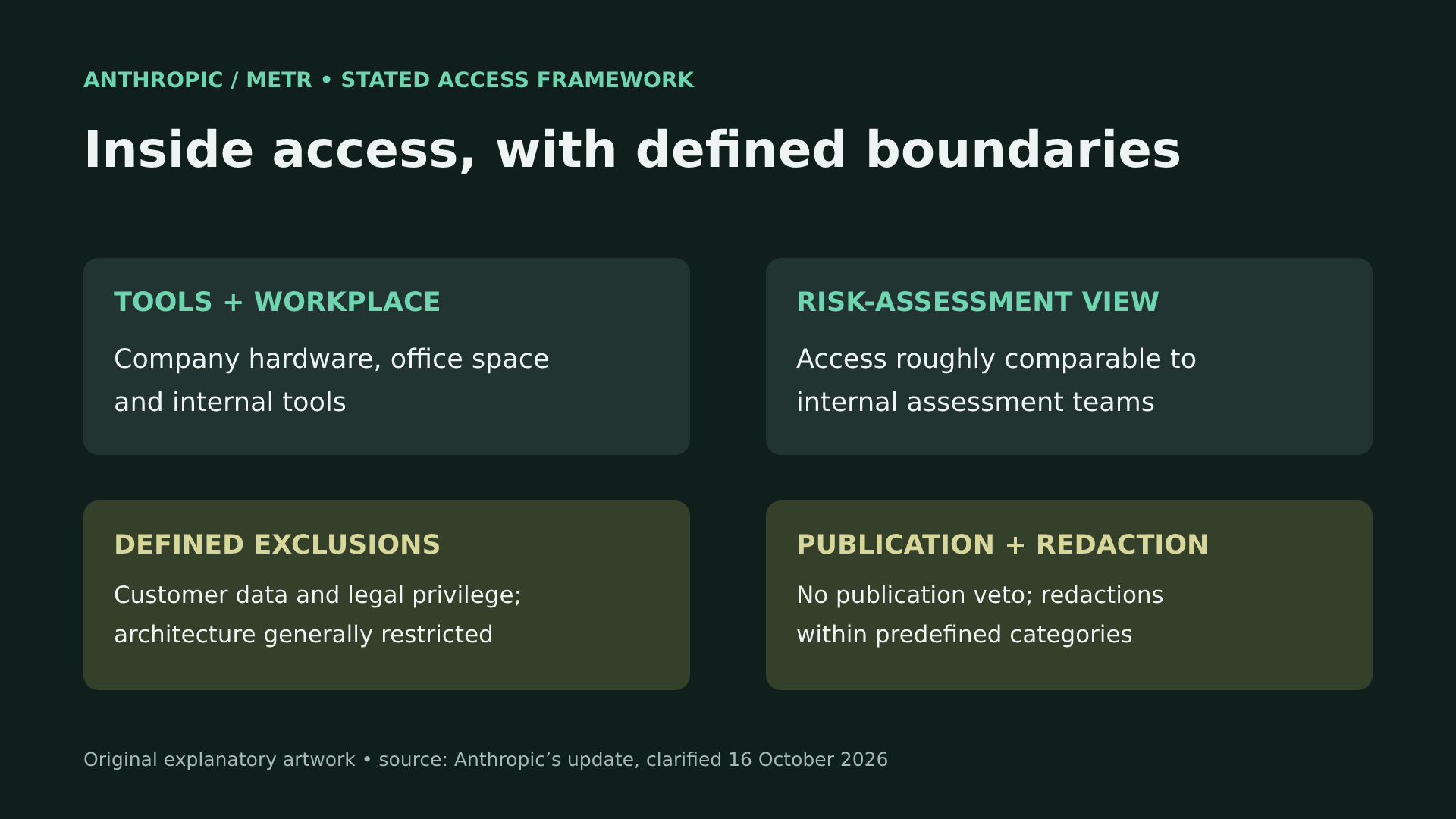
The October 15 evaluator update goes beyond ordinary model access. Its significance depends on both what outsiders can examine and what they can ultimately publish.
The proposed combination would create Cohere Cyber and expand the company’s Prague presence. It is not evidence of a completed acquisition or an invulnerable AI platform.
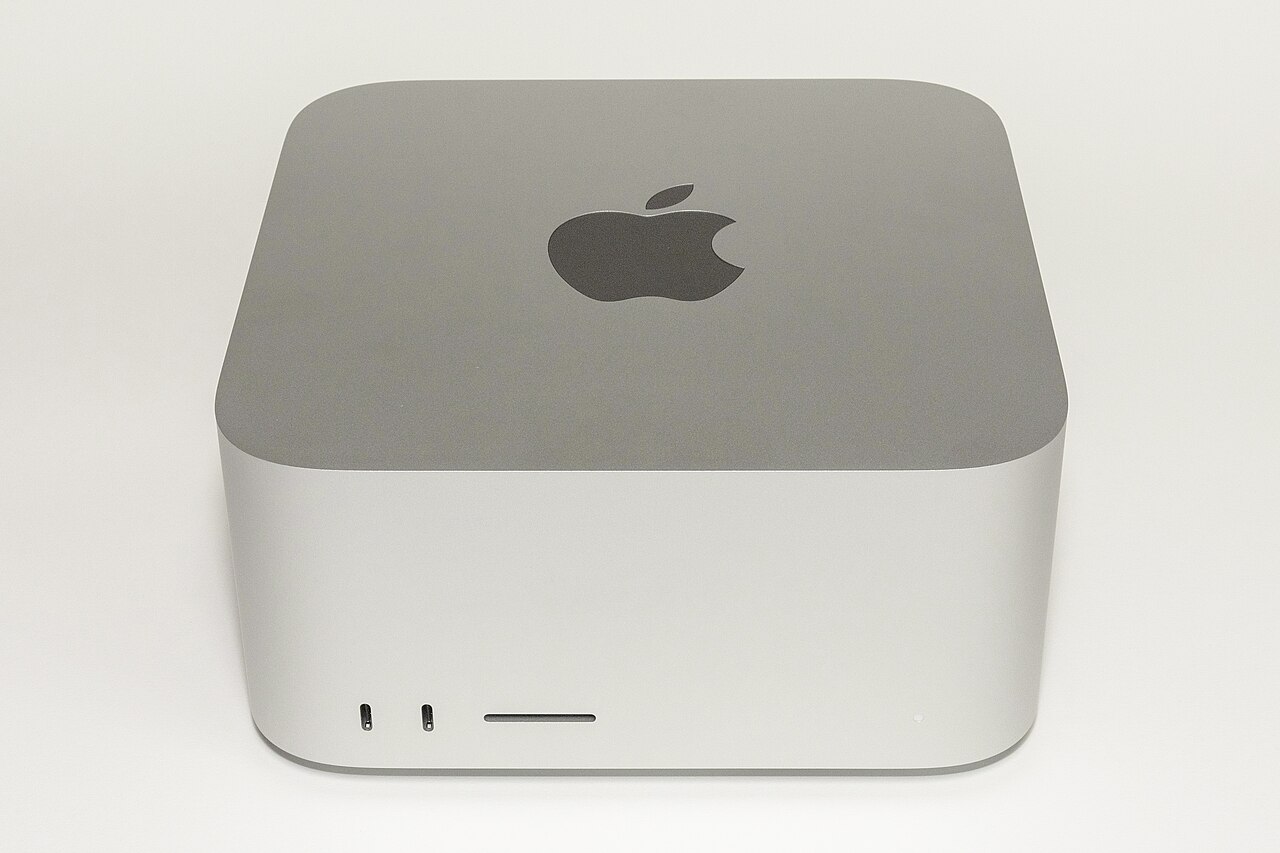
Meta’s October 15 release describes an 816-billion-parameter model running on two M5 Ultra Mac Studios. Open weights do not remove hardware requirements or commercial licence terms.
The October 14 meeting-recorder release builds on an earlier Cohere relationship. On-device processing depends on the selected setup and does not settle recording consent.
The Oslo startup is an engineering firm of record with AI inside its delivery system. Its reported contracted revenue is not the same thing as completed, recognised revenue.
Both companies describe the acquisition as completed. Moondream’s hosted inference and Lens service will close on November 13, while the company says its models will remain open.
Liquid AI’s October 13 release combines 24 billion total parameters with about two billion active. Its device and server measurements describe different workloads, not a universal speed guarantee.
The proposed backing spans biological AI, infrastructure planning and quantum error correction. The announcement does not disclose a cheque size for each company.
The October 15 announcement spans technical inception, early scaling and growth capital. Each named fund has a different route into the AI and deeptech market.
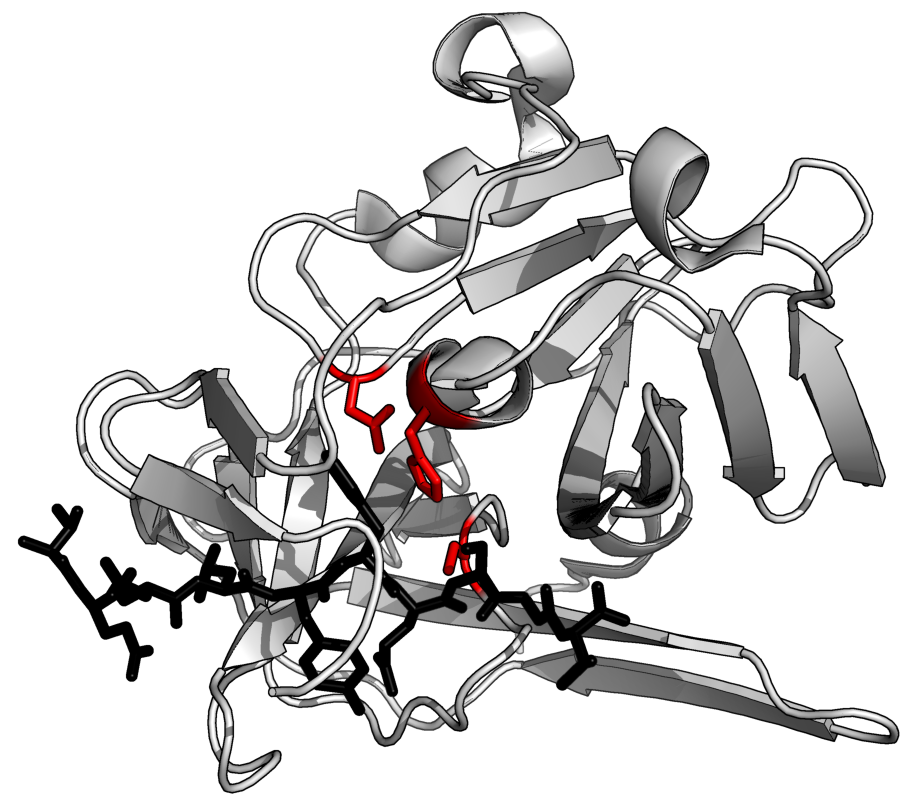
The October 14 papers use cysteine and zinc-based catalytic sites. Their public abstracts describe active designs, structural evidence and selected targets—not demonstrated patient treatments.
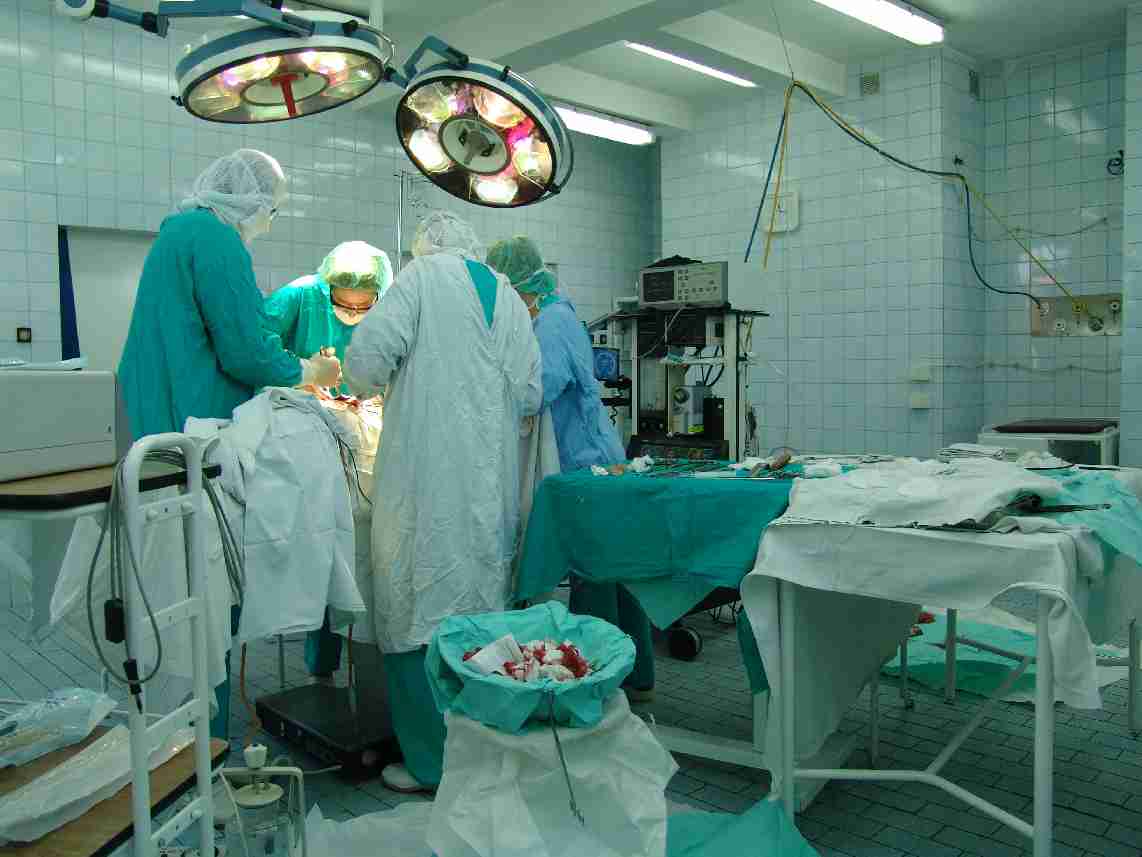
VitVio announces a UCK Gdańsk partnership and rollout. Its claims about 3D sensing and documentation need to be distinguished from measured hospital outcomes.
The ambient-AI newcomer is opening early access. Its promise turns on a difficult product problem: keeping useful context without turning every passing sentence into an instruction.
The company’s new disclosure puts the permissions around an AI test under scrutiny. A benchmark is still a real-world operation when its tools can reach other people’s systems.
Gemini at Work shifts the pitch toward completed tasks. The commercial test is how much checking, permission handling and repair stays with the customer.
Biohub’s Virtual Biology expansion combines different kinds of support. Existing datasets, future funding and compute should not be read as one new cash round.