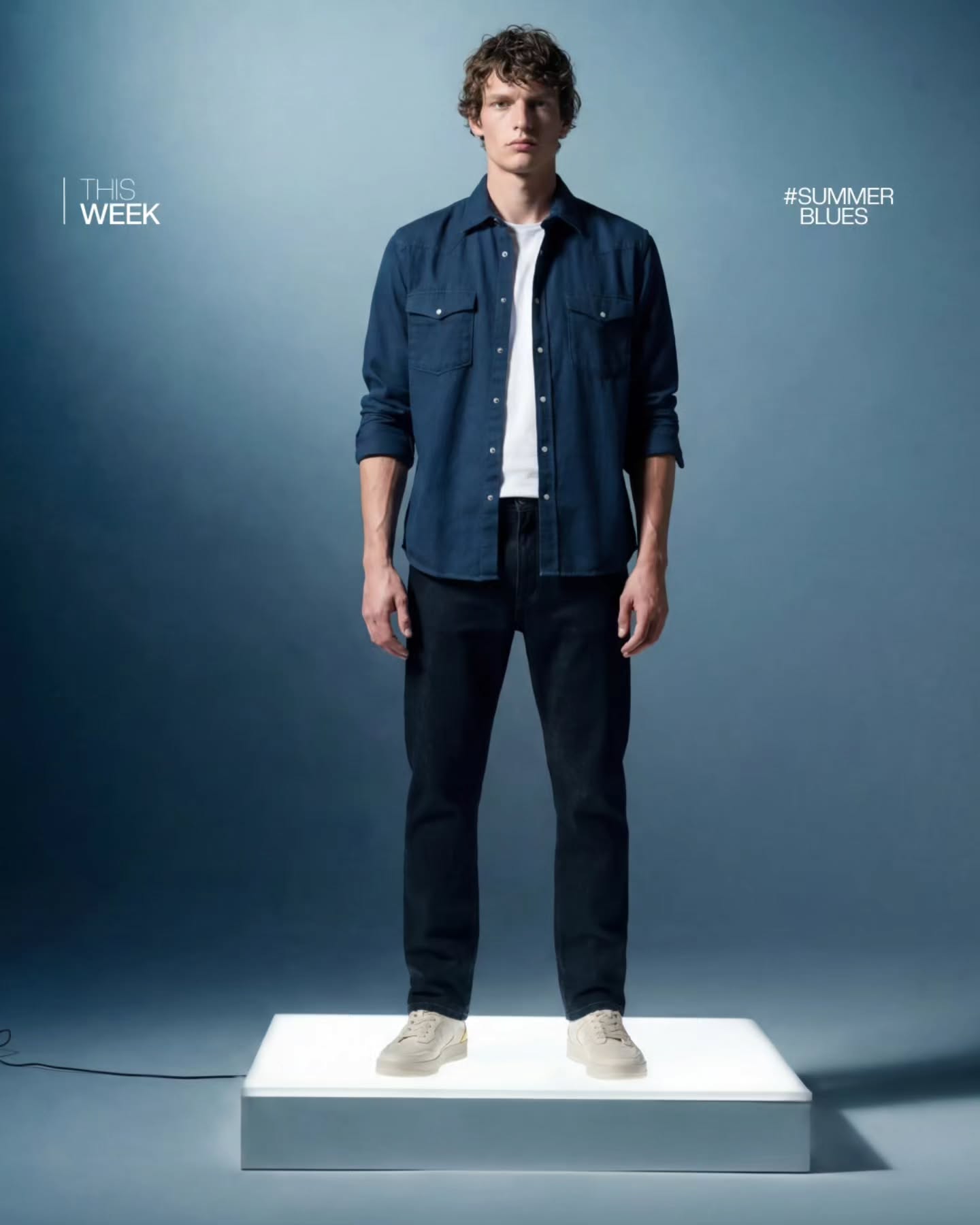
Rare Rabbit’s campaign imagery offers an Indian example of a wider shift. As major fashion businesses adopt generative production, studios face pressure on repeatable work—and an opportunity to sell something more valuable than another shoot day.
Biohub’s Virtual Biology expansion combines different kinds of support. Existing datasets, future funding and compute should not be read as one new cash round.
Artifact Central is in beta and Dependency Firewall is in early access. Their significance is the boundary between generated work and shipped software.
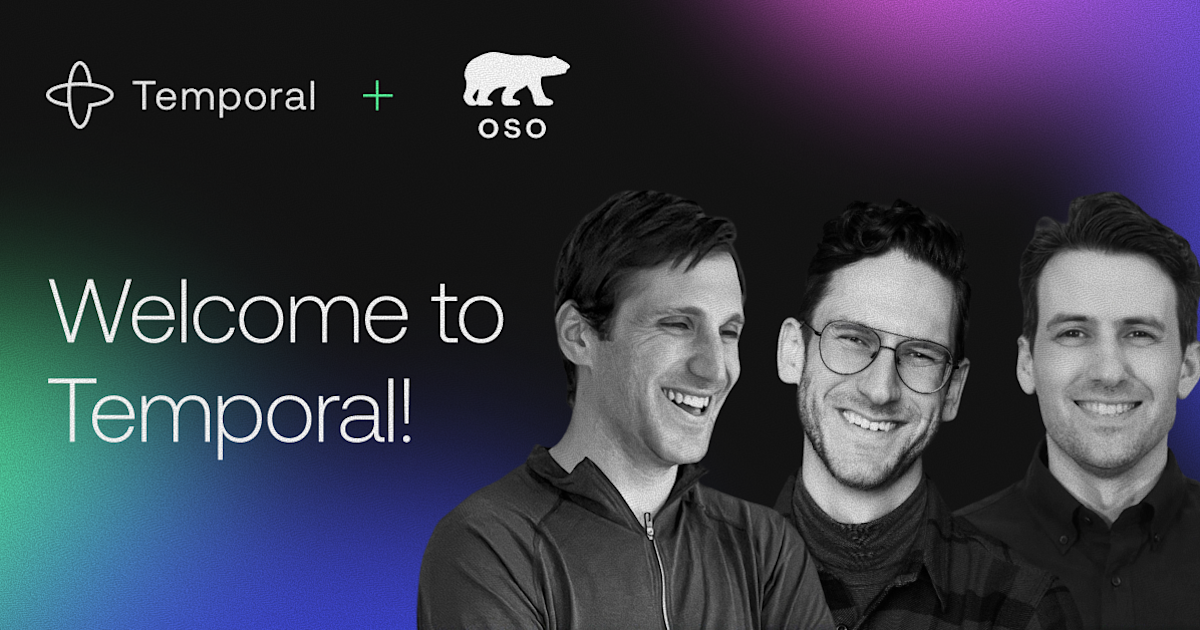
Oso Cloud is going to Tiny, while most of the team joins Temporal. The distinction matters: the next race is about who controls what an agent is allowed to do.
The company proposes subsidising home repairs while recording skilled work. The business hinges on whether useful demonstrations can be collected with clear boundaries and consent.
Public results and machine-checkable proofs make research easier to inspect. For AI product teams, the lesson is to build evidence that customers can examine beyond a polished answer.
Embedding skills into an institution’s existing workflow is a distribution choice. Its value depends on delivery quality and evidence that learners benefit.
Retrieval can give an AI product access to company information. It also creates an operational responsibility to update, remove and permission that information.
Generating an attractive fashion image is one challenge. Producing a dependable catalogue is another. AdBanana’s product proposition puts that distinction in focus.