Funding
Ace Blend’s $9.91 million round puts its research promises on a longer clock
The nutrition startup’s Series A2 backs product development. Growth claims, planned clinical work and a future revenue target need three separate readings.
FOUNDRA
Startups, funding & India
145 stories to explore
The nutrition startup’s Series A2 backs product development. Growth claims, planned clinical work and a future revenue target need three separate readings.
The Pune provider plans more centres and beds over three to four years. Staffing, service quality and the company’s reported footprint need to be read alongside that ambition.
The Bengaluru brand’s Rs 1.5 crore pre-seed targets products, distribution and an in-house team. Its Rs 6 crore run-rate claim is not an audited full-year revenue figure.
Rainmatter and Unicorn India Ventures back the manufacturing company. The new funding finances engineering and capacity plans, not proof that a proposed facility is already operating.
The underwater robotics company has announced new financing for work that includes an existing Navy contract. Funding, contract award and accepted deployment remain separate milestones.
The Hyderabad startup’s pre-seed announcement backs a retrofit approach to physical AI. Compatibility, bounded tasks and site acceptance still need deployment-specific evidence.
The October 29 announcement names Allyson Jenkins as CEO and describes planned federal work. Formation, procurement eligibility and a future award must not be treated as the same event.
The company’s first acquisition brings customers, people and assets into a business built around software and human-led accounting. It is not a purchase of all of Finally.
The proposed acquisition’s equity value is not cash already paid. At least 75% of aggregate consideration is to be cash, with stockholder elections subject to proration.
More than 90% of proceeds are headed to the Ottawa company’s balance sheet, according to BetaKit. The headline covers the aggregate transaction, not only fresh company capital.
Better Capital and Antler India back the Bengaluru service. The operational question is what happens after a family chooses a caregiver.
Bessemer leads the financing. The company’s endpoint-to-cloud ambitions raise a practical question: which observations can safely become automated actions?
The Series A supports national expansion of virtual care. Evidence for pulmonary rehabilitation and evidence for a particular delivery model are not interchangeable.
Fireside Ventures leads the children’s snack brand’s new round. Manufacturing, distribution and proposed new categories are the next tests—not established nutritional outcomes.
The debt-and-equity Series A backs an Indian preventive-health platform. Scan volumes and early-detection ambitions are not proof of improved patient outcomes.
A proposed 10,000-kilometre network puts the connection between data centres alongside the computing capacity inside them. The announced investment is a plan, not a completed build.
The investor announces a strategic investment in InMobi-backed Glance. Distribution across screens is the starting point; repeat purchasing and useful recommendations remain separate questions.
The October 26 results release reports aerospace growth alongside a loss-making consumer ramp. Consolidated sales alone do not explain the change in profitability.
General Catalyst leads the pre-Series A round. The harder questions concern subscriptions, international play and a proposed expansion from playing games to creating them.
An Apollo-managed entity is set to finance NVIDIA equipment. Closing conditions and a 2027 delivery schedule separate the announcement from operating AI capacity.
The October 26 earnings announcement brings a $1.8 million quarterly profit. Reported-dollar growth, constant-currency growth and company-described AI usage are not the same result.
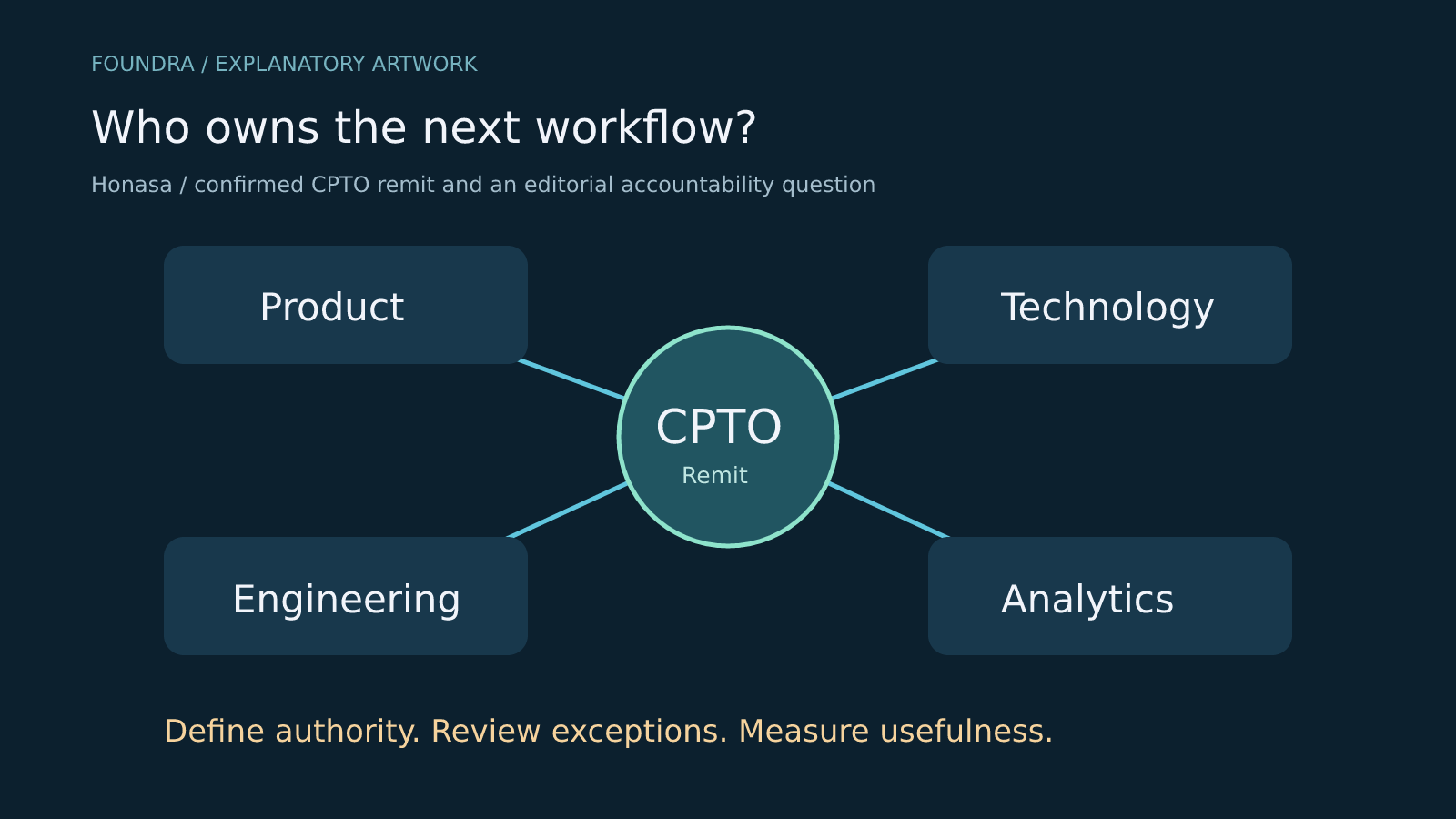
The appointment took effect on October 23. His remit combines product, technology, engineering and analytics as the consumer company builds AI tools and explores agentic workflows.
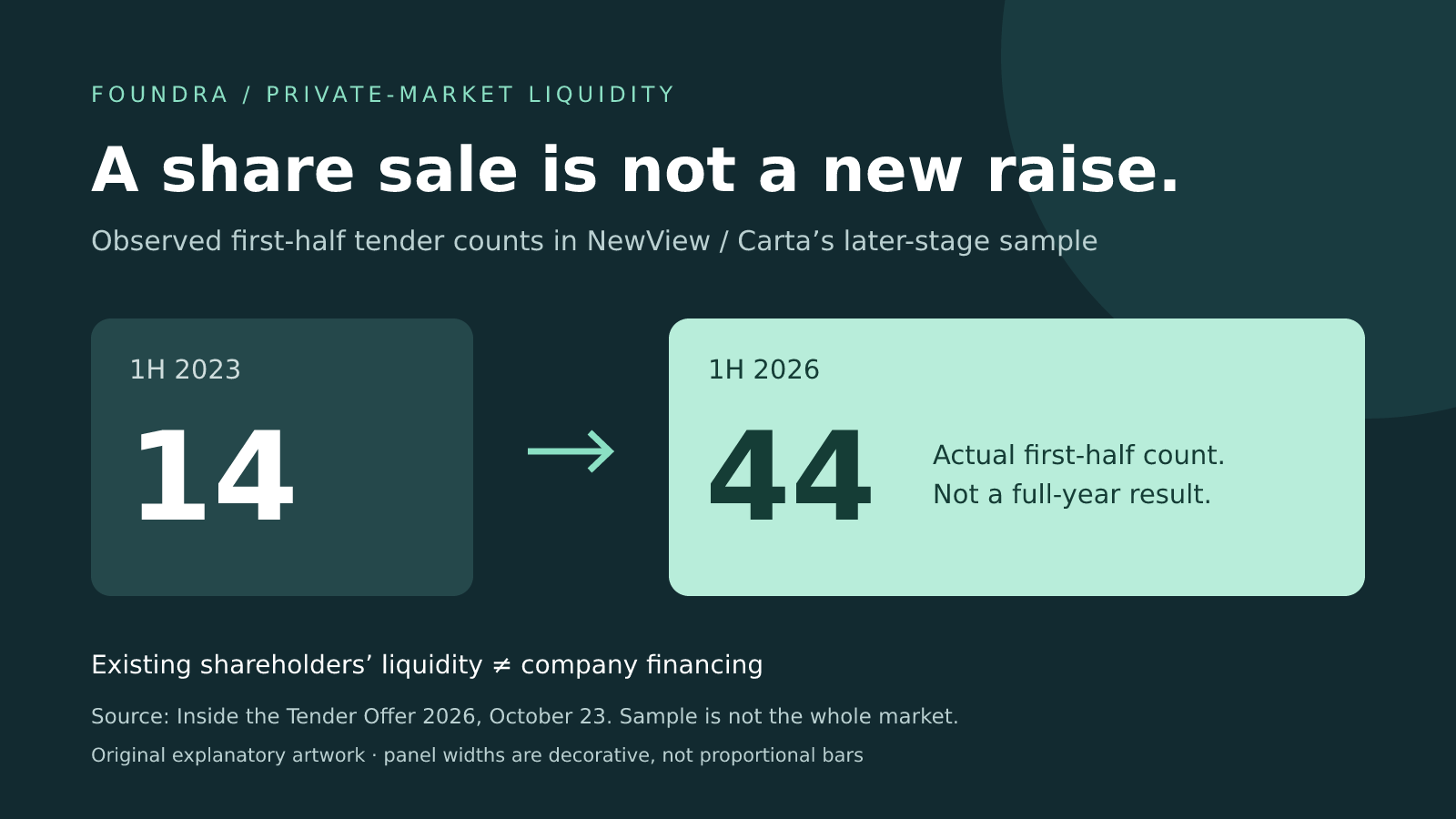
New research describes a recovery in sampled tender offers. Its most useful lesson for founders is to separate recorded activity, employee sale limits and company financing.
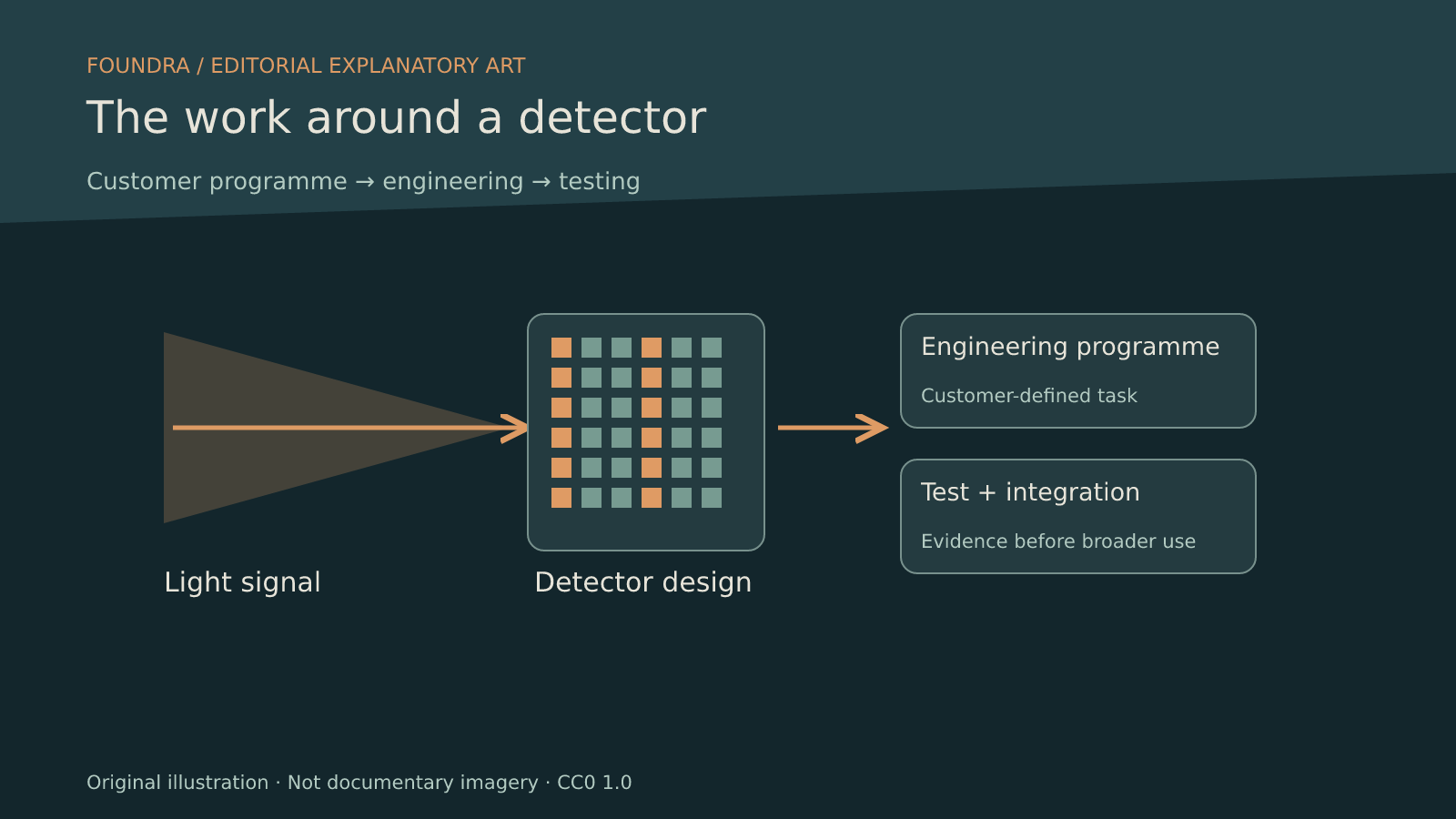
The reported seed financing supports engineering and testing. Customer programmes are context, not proof of qualification across every application.