For a satellite startup, access to shared infrastructure could replace some construction work with a service dependency. The useful comparison is between those two operating obligations, not between a funding total and an assumed performance gain.
A spacecraft still needs somewhere to talk
Imagine a young satellite operator choosing between building a terrestrial communications site and buying access to somebody else’s network. The first option brings a construction and operating project. The second brings a contract, an integration job and reliance on a supplier. Neither eliminates the work of moving a mission’s information to the people who need it; the work changes location. This is a hypothetical purchasing decision, not a description of a particular Northwood customer.
Northwood’s November 2 financing announcement brings that choice into focus. The Torrance, California company says it has closed a $375 million Series C, co-led by Andreessen Horowitz and DFJ Growth. It says the proceeds will support existing contract delivery, hiring and expansion of its global ground network. The release describes a closed financing rather than an intention to seek that amount; Foundra is attributing the transaction status to the company, not claiming access to its bank records.
TechCrunch’s report corroborates the round amount and the two lead investors. The primary release also identifies a separate multi-year credit facility from HSBC Innovation Banking for working capital and network expansion. That facility should not be silently added to the equity round: the announcement does not disclose its size or say that the entire facility has been drawn.
What the shared layer is meant to provide
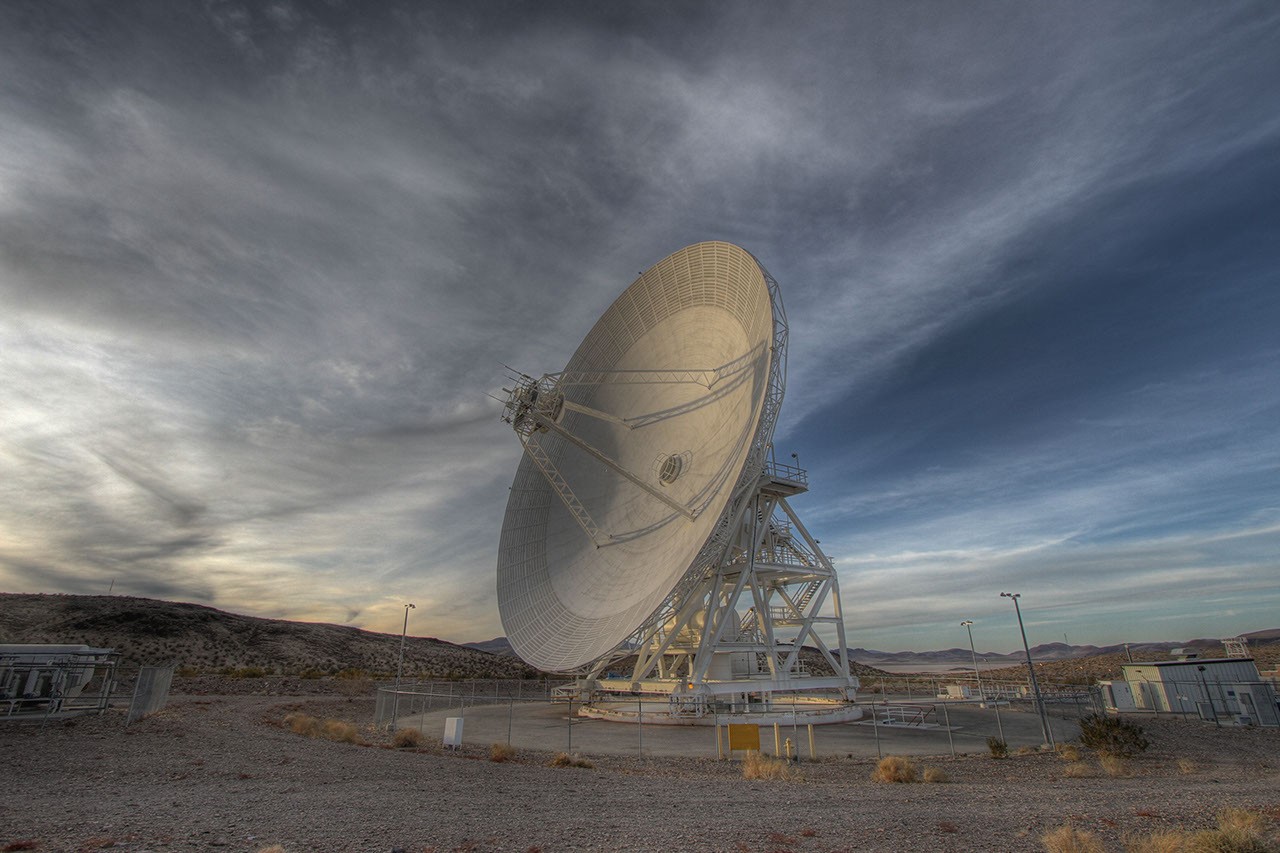
Northwood describes an integrated approach: it manufactures antennas, combines their capabilities through software and offers access to its network. The company distinguishes Portal phased arrays for command and control from Prism dishes for high-throughput payload data. Those are its product descriptions. They should not be read as independent demonstrations that every mission, radio configuration or service requirement will work equally well.
A useful product examination separates the physical connection from the surrounding service. An antenna is one part of the proposed system. A buyer also has to decide how to request capacity, how mission software will interact with the supplier and how an interruption will be recognised and handled. These are proposed diligence questions, not allegations about Northwood’s current operations.
For example, a hypothetical customer might care less about the number of structures at a site than about whether it can reserve a specific communications opportunity and understand what happens if that opportunity is missed. Another might prioritise the route by which data reaches its own processing system. A network description becomes commercially useful when a buyer can connect it to these particular needs.
Two operating obligations to compare
Own the site
Hypothetical option: take responsibility for construction, equipment and operations.
Buy network access
Hypothetical option: integrate with a supplier and define capacity and support commitments.
Compare the boundary
Check which party handles scheduling, missed connections and escalation.
Test the service
Proposed diligence: assess mission-specific evidence, not a funding total as a proxy for performance.
Financing and capacity are different units
The funding release says Northwood has deployed six multi-orbit-capable sites on two continents since its earlier Series B. It also describes a new 185,000-square-foot headquarters and factory in Torrance. These are company-reported milestones, not independently inspected facilities. They provide context for what the new capital is meant to expand; they do not establish a customer’s available capacity or service quality.
The distinction matters when comparing infrastructure businesses. A funding total measures capital raised. A site count describes part of a footprint. Factory floor area describes space. None of those measures, by itself, answers how much usable service a particular mission can purchase at a particular time. Treating them as interchangeable would give the announcement more evidential weight than it carries.
There is also a difference between preparing to manufacture, manufacturing a system, installing it and delivering a service that a customer has accepted. The analytical point is not that a stage has failed. It is that each stage asks for different evidence. A financing announcement can explain the company’s intended direction without resolving every subsequent operating question.
The make-or-buy comparison changes shape
For founders, the interesting possibility is a change in the boundary of the business. Buying shared access could let a team focus more narrowly on its spacecraft, payload or downstream product. That is a potential benefit, not a measured saving disclosed in this round. Any comparison would need to include integration, support, contractual commitments and the consequences of dependence on an external operator.
Consider two hypothetical proposals. One gives a buyer more direct control but requires it to take responsibility for a site. The other offers an easier initial route to access but places key obligations in a service agreement. A sensible comparison would examine both during ordinary operation and during a missed connection or an equipment problem. A lower initial project burden is not automatically a lower total mission risk.
The questions become concrete at the contract boundary: which responsibilities remain with the customer, which sit with the network operator, and what evidence will show that each has been met? Those questions are more useful than assuming a large financing makes the decision self-evident. The Series C enlarges Northwood’s stated expansion resources. Whether its shared ground layer is the right choice for a particular startup still rests on the service that startup can actually buy.
Sources
- Northwood — original November 2 Series C announcement ↗ Northwood — original November 2 Series C announcement · Primary source
- TechCrunch — November 2 financing report ↗ TechCrunch — November 2 financing report
Have additional information? Request a correction.