The financing pathway matters, but conditions and infrastructure execution still stand between a commitment and additional launch capacity.
Read the adjective before the amount
Stoke Space has an announced conditional commitment for a $150 million government loan supporting proposed Cape Canaveral infrastructure expansion. The October 26 release does not establish that financing has closed or that construction is complete. Its conditions are part of the transaction, not a minor caveat to a headline amount.
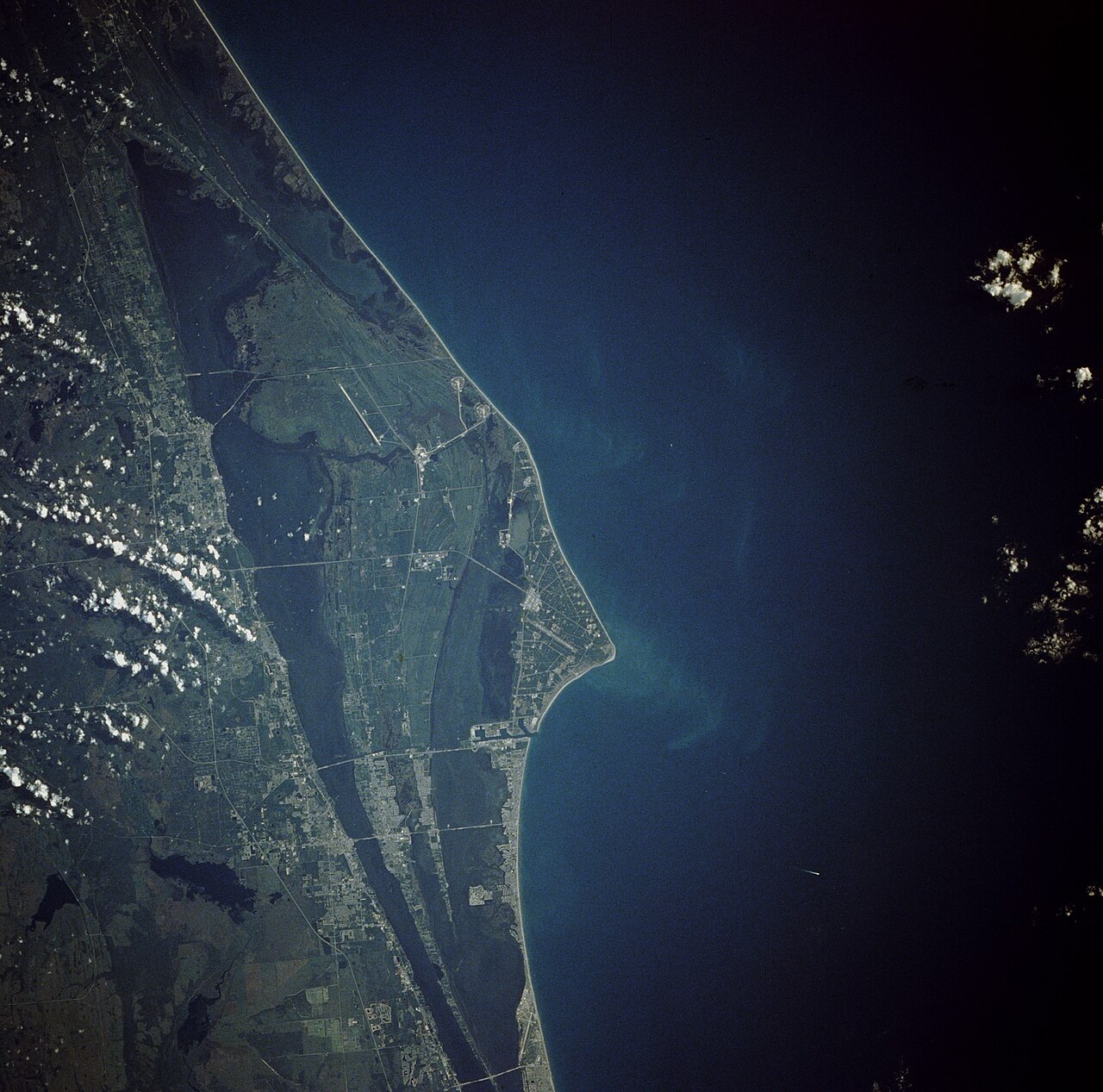
On October 26, the US Department of War’s Office of Strategic Capital announced a conditional loan commitment with Stoke Space Technologies. The official loan announcement says the proposed financing, alongside private capital, would support expansion of the company’s existing launch complex at Cape Canaveral Space Force Station. GeekWire’s reporting describes the project as a second launch pad for a larger version of the company’s reusable rocket.
The government release explicitly lists additional financial, legal, technical, investment, due-diligence and other requirements before financial close. No completed loan or construction outcome is claimed here. The new event is an announced conditional financing agreement for proposed infrastructure expansion.
Infrastructure is its own development programme
The official release distinguishes two infrastructure roles: existing facilities support Stoke’s Nova Pathfinder medium-lift rocket, while the proposed new pad would support Nova Block 2. GeekWire describes the planned larger vehicle’s capacity as 15 metric tons to low Earth orbit. These are intended roles and planned capability, not a verified operating record or a launch schedule.
The distinction matters for financing analysis. A launch provider could make progress on vehicle engineering while still needing facilities, operational procedures and approvals that support the intended cadence. Equally, infrastructure spending would not remove the need to demonstrate the vehicle itself. Counting a facility commitment as proof of technical success would reverse the order of evidence.
The expansion is intended to support additional launch capacity, according to the government. Its eventual value would depend on whether the resulting system can serve actual missions reliably. Design ambition, available capital and customer demand can all be necessary without any one of them being sufficient.
The path described by a conditional infrastructure commitment
Announced commitment
The Office of Strategic Capital announces $150 million conditional financing.
Closing requirements
Stoke must satisfy the stated financial, legal, technical and other conditions.
Financial close
A completed loan is a separate milestone, not established here.
Infrastructure programme
The proposal supports a second pad and associated Cape Canaveral facilities.
Usable launch capacity
Actual operational readiness is a later outcome to demonstrate.
From a financing instrument to operational capacity
A conditional government loan is a different instrument from a venture round. The announcement does not describe a new equity valuation, and the commitment should not be presented as equity funding. Nor should the full amount automatically be treated as cash already available for unrestricted operating expenses. The distinction is basic, but it changes how readers should interpret the apparent size of the financing.
The supplied announcement does not establish a completed drawdown schedule or a final operating date for the new pad. Without those details, calculating an immediate cash-runway extension would be speculative. A more defensible reading is that Stoke has secured a conditional route to financing a specified infrastructure objective, subject to closing requirements.
For other deeptech founders, the analytical lesson is that capital can be matched to different layers of a commercialisation programme. Equity may bear some company-development risk, while another instrument supports a particular asset or infrastructure objective. That is a general distinction, not a claim about the undisclosed economics of Stoke’s agreement.
The first next milestone is financial close under the stated conditions. After that, evidence of financing availability and the actual construction programme would make the project more tangible. Operational readiness and demonstrated launch activity would answer a different question again. Readers should not have to infer one from the other.
The government frames the commitment around domestic launch capacity and national-security as well as commercial needs. That is the programme’s stated rationale, not independent proof that this expansion will meet a particular market forecast. Additional facilities may support capacity, but realised capacity would depend on the whole launch system and its operating record.
Stoke’s announcement is consequential precisely because launch infrastructure is expensive and slow to turn into a usable service. The conditional commitment addresses part of that problem. The correct ending is therefore a sequence rather than a victory lap: satisfy the conditions, close the financing, build the intended infrastructure and demonstrate what it can support.
Sources
- Office of Strategic Capital — October 26 conditional commitment ↗ Office of Strategic Capital — October 26 conditional commitment · Primary source
- GeekWire — second-pad reporting and closing conditions ↗ GeekWire — second-pad reporting and closing conditions
Have additional information? Request a correction.